post-title

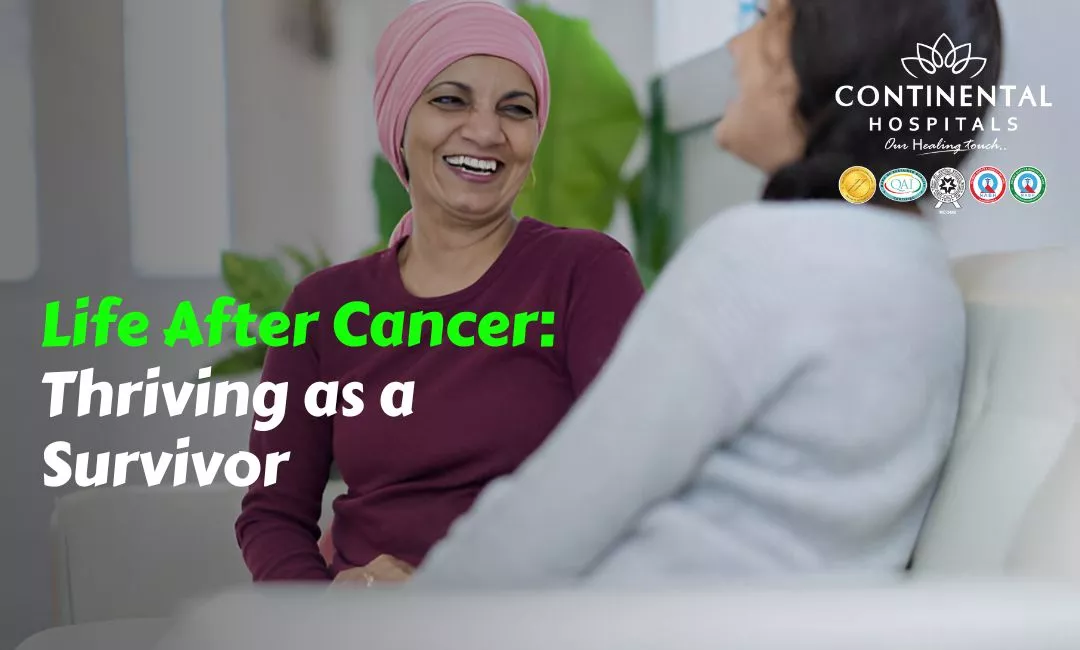
Life After Cancer: Thriving as a Survivor

Written by - Editorial Team
Medically Reviewed by - Dr S K Gupta

Life after cancer is a new chapter—a time of healing, hope, and new beginnings. While cancer treatment is a difficult journey, many people are surprised to find that adjusting to life after treatment comes with its own set of challenges and questions. But it’s also a time to rediscover joy, rebuild strength, and redefine your life.

This blog will guide you through what to expect as a cancer survivor, how to take care of your health, and how to thrive with the right support by your side.

What Does Life After Cancer Look Like?

Completing cancer treatment is a major milestone. However, many survivors find that life doesn’t simply go back to how it was before. Your body, emotions, and outlook may have changed—and that’s completely natural.

You may ask:

  • Will the cancer come back?
  • How do I stay healthy now?
  • What if I feel tired all the time?
  • Will others understand what I’ve been through?

These questions are common. Life after cancer isn’t about going back to your old normal—it’s about creating a new normal that honors your experience and supports your long-term health.

Physical Health: Rebuilding Strength and Energy
Even after treatment ends, your body needs time to recover. Fatigue is common, and side effects like pain, weight changes, or sleep issues may persist for a while.

Visit our Best Cancer Specialist in Hyderabad for personalized follow up care, rehabilitation, and long term wellness support.
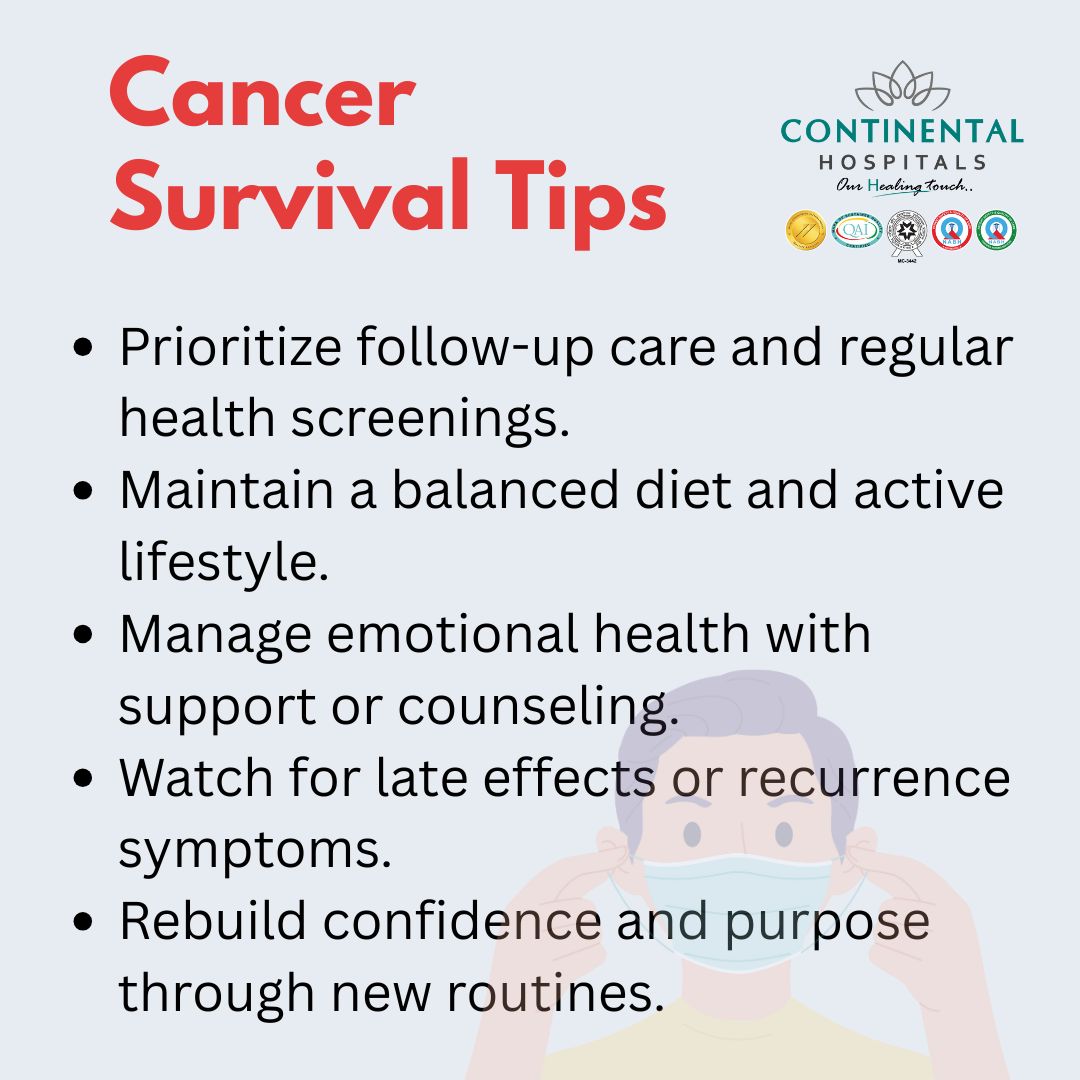
How Can Cancer Survivors Rebuild Their Physical Health?

Eat a balanced diet: Focus on fresh fruits, vegetables, whole grains, and lean proteins. Avoid processed foods and excess sugar.

Second Opinion

Exercise regularly: Start slow with walking or light stretching. Movement improves energy, mood, and heart health.

Get regular checkups: Follow-up visits help your doctor monitor your recovery and detect any signs of recurrence early.

Stay hydrated: Drinking enough water supports your immune system and digestion.

Mental and Emotional Healing
Cancer affects more than just the body—it impacts the mind and emotions, too. It’s normal to feel anxious, depressed, or even isolated after treatment.

How Can Cancer Survivors Take Care of Their Emotional Health?

Talk about it: Share your feelings with trusted friends, family, or a counselor. Support groups for cancer survivors can also help.

Be patient with yourself: Healing takes time. Don’t rush the process.

Practice mindfulness: Breathing exercises, meditation, or gentle yoga can calm your mind and improve your focus.

Need an Appointment?

Do things you enjoy: Whether it's reading, gardening, or music, hobbies help bring joy and a sense of control.

Relationships and Social Life
Your relationships may shift after cancer. Some people may not know how to talk about your experience, while others might draw closer. You may also find that your own priorities have changed.

How Do You Rebuild Relationships After Cancer?

Communicate openly: Let loved ones know what you need—whether it's space, support, or just someone to listen.

Join survivor communities: Meeting others who have walked the same path can offer comfort and connection.

Set boundaries: Focus on relationships that feel supportive and let go of those that drain your energy.

Returning to Work or Finding New Purpose
Getting back to work can bring a sense of normalcy, but it can also feel overwhelming. Some survivors return to their previous jobs, while others decide to pursue new goals or careers.

Things to consider:

Talk to your employer: Discuss your energy levels, work hours, or any changes in your needs.

Explore new paths: Many survivors find meaning in volunteering, mentoring others, or learning new skills.

Be kind to yourself: Adjusting takes time. Listen to your body and mind.

What Is Long Term Follow Up Care After Cancer Treatment?

After treatment, regular follow-up care is essential. Your care team will create a survivorship plan tailored to your health history and risk factors. This includes:

  • Periodic scans or tests
  • Managing late side effects
  • Screenings for new cancers
  • Lifestyle guidance

Staying in touch with your doctor helps keep you on track and reassures you when concerns arise.

Building a Healthy Lifestyle After Cancer
Adopting healthy habits can reduce the risk of cancer coming back and improve overall wellness.

What Healthy Lifestyle Choices Should Cancer Survivors Follow?

Stop smoking: If you smoke, quitting is the best thing you can do for your health.

Limit alcohol: Reducing alcohol supports liver and heart health.

Maintain a healthy weight: Obesity is linked to several cancer types.

Stay active: Physical activity lowers your risk of recurrence and boosts mental well-being.

How Can Cancer Survivors Find Hope and Strength After Treatment?

Many survivors say cancer changed them—not just physically, but emotionally and spiritually. While the road may be uncertain at times, it can also be filled with strength, gratitude, and purpose.

  • Celebrate small victories.
  • Reflect on your growth.
  • Connect with others who uplift you.
  • Focus on what you can control today.

You are not alone in this journey. Every step you take is a step toward a fuller, healthier life.

Why Choose Continental Hospitals for Cancer Care and Survivor Support?

At Continental Hospitals, we don’t just treat cancer—we support your life after cancer.

Here’s what makes us a trusted partner in your recovery:

Multidisciplinary expertise: Our team of oncologists, nutritionists, mental health professionals, and physiotherapists work together to support every aspect of your healing.

Advanced follow-up care: We provide personalized survivorship plans and regular screenings to help you stay ahead.

Support beyond treatment: From rehabilitation to counseling, we focus on your physical and emotional recovery.

Patient-first approach: Our care is centered around you—your needs, your comfort, and your future.

Whether you’ve just completed treatment or are years into survivorship, Continental Hospitals is here to walk with you.

Final Thoughts

Surviving cancer is not the end of your story—it’s the beginning of a new, powerful chapter. Life after cancer can be filled with renewed purpose, health, and happiness. With the right guidance and care, you can thrive—not just survive.

Cancer survivors, get expert support for recovery. Visit the best oncologist in Hyderabad for personalized care and lifestyle guidance.

Frequently Asked Questions

Life after cancer is different for every survivor, but many people return to healthy and fulfilling lives. Recovery involves healing physically, emotionally, and mentally after treatment. Some survivors experience fatigue, changes in appetite, or emotional stress, while others regain their strength quickly. Regular medical follow ups help monitor recovery and detect any concerns early. Eating a balanced diet, staying active, and getting enough sleep support long term health. Emotional support from family, friends, or counselors is equally important. Many survivors discover a renewed appreciation for life and focus on healthier habits. Setting realistic goals and celebrating small milestones can improve confidence. With proper care and support, cancer survivors can thrive and enjoy a meaningful future.
Regaining strength after cancer treatment takes time and patience. A balanced diet rich in protein, fruits, vegetables, and whole grains helps rebuild the body. Gentle physical activities such as walking, stretching, or yoga improve stamina gradually. Adequate hydration and quality sleep are essential for recovery. Doctors may recommend physiotherapy or rehabilitation programs depending on individual needs. Avoiding tobacco and limiting alcohol further supports healing. Regular follow up visits ensure that recovery is progressing well. Listening to your body and avoiding overexertion are important during the healing phase. Consistent healthy habits help restore energy and improve overall quality of life.
Follow up appointments are an essential part of cancer survivorship care. These visits allow doctors to monitor your recovery and check for signs of cancer recurrence. They also help identify and manage long term side effects of treatment. Blood tests, imaging studies, or physical examinations may be recommended based on your condition. Regular consultations provide an opportunity to discuss new symptoms or concerns. Doctors can also offer guidance on nutrition, exercise, emotional wellbeing, and preventive care. Early detection of health issues often leads to better outcomes. Staying consistent with follow up schedules helps survivors remain healthy and confident throughout recovery.
Many cancer survivors experience emotional changes after completing treatment. Feelings of anxiety, fear of recurrence, sadness, or uncertainty are common. Some people may also struggle with changes in body image or confidence. Talking openly with loved ones or joining survivor support groups can provide comfort and encouragement. Professional counseling or therapy may help manage stress and emotional difficulties. Mindfulness, meditation, and relaxation techniques can improve mental wellbeing. Staying socially connected and maintaining hobbies also support emotional recovery. Seeking help early is important because emotional health is just as important as physical healing.
Healthy lifestyle habits play a major role in long term cancer recovery. Eating a nutritious diet with plenty of fruits, vegetables, lean proteins, and whole grains supports overall health. Regular physical activity helps maintain a healthy weight and improves energy levels. Avoiding tobacco products and limiting alcohol reduce the risk of future health problems. Managing stress through relaxation techniques and adequate sleep strengthens physical and mental wellbeing. Routine health screenings and vaccinations should not be neglected. Staying hydrated and following your doctor's advice further supports recovery. Small, consistent lifestyle improvements can have lasting benefits for cancer survivors.
Many cancer survivors successfully return to work and resume their daily routines after treatment. The timing depends on the type of cancer, treatment received, and overall recovery. Some people return gradually with reduced working hours before resuming full responsibilities. Fatigue or physical limitations may require temporary adjustments. Employers often provide flexible work arrangements to support recovery. Staying physically active and maintaining a healthy routine can improve endurance. Open communication with healthcare providers and employers helps ensure a smooth transition. Every survivor's journey is unique, and recovery should progress at a comfortable pace.
Family and friends play an important role in helping cancer survivors recover. Providing emotional encouragement, listening without judgment, and offering practical help can make a significant difference. Assisting with transportation, meals, or household tasks may reduce stress during recovery. Encouraging healthy habits such as regular exercise and balanced nutrition supports long term wellbeing. Respecting the survivor's feelings and allowing them to express concerns openly builds trust. Celebrating recovery milestones together can boost confidence and motivation. Patience is essential because healing takes time. A strong support system helps survivors feel valued, understood, and empowered.
Cancer survivors should contact their doctor if they notice any unusual symptoms or changes in their health. Persistent pain, unexplained weight loss, prolonged fatigue, new lumps, unusual bleeding, or difficulty breathing should not be ignored. Fever, severe infections, or ongoing digestive problems also require medical attention. Even minor concerns should be discussed during follow up visits. Early evaluation helps identify potential complications or recurrence quickly. Keeping a record of symptoms can help doctors provide appropriate care. Never skip scheduled follow up appointments, even if you feel well. Prompt medical advice supports long term health and peace of mind.
Disclaimer: The information provided in this blog is intended for general knowledge and informational purposes only, and does not constitute medical advice. Always consult with a qualified healthcare professional for any medical concerns or before making any decisions about your health.

Get in Touch With Us

Whether you are from India or abroad, we are here to help you with your medical queries. Please fill out the form below and our team will connect with you shortly.

  • ✔ Quick response from our medical experts
  • ✔ Secure data handling & privacy
  • ✔ Easy upload for reports & documents
banner_image

Chat with our medical experts on WhatsApp for quick assistance and hassle-free appointment booking

Recent Posts