post-title

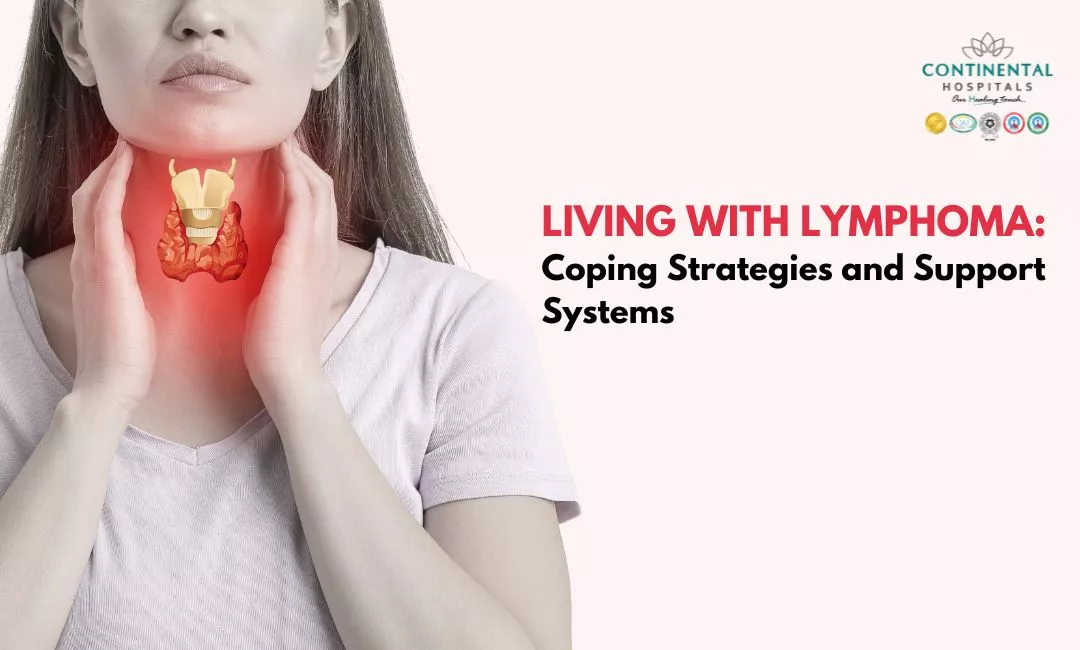
Living with Lymphoma: Coping Strategies and Support Systems

Written by - Editorial Team
Medically Reviewed by - Dr S K Gupta

Being diagnosed with lymphoma can be overwhelming. You may feel a mix of emotions—fear, confusion, and uncertainty about the future. But you’re not alone. Many people have walked this path and found ways to manage their condition while living fulfilling lives. With the right coping strategies and strong support systems, you can navigate this journey with hope and resilience.

What Is Lymphoma? A Quick Overview

Lymphoma is a type of blood cancer that affects the lymphatic system, which is part of the body's immune defense. It occurs when white blood cells (lymphocytes) grow uncontrollably. There are two main types:

  • Hodgkin’s lymphoma (HL)
  • Non-Hodgkin’s lymphoma (NHL)

While lymphoma can be a serious illness, advances in medicine have made treatment more effective, and many patients go on to live long, meaningful lives.

Visit our Best Cancer Specialist in Hyderabad at Continental Hospitals for expert lymphoma diagnosis, advanced treatment options, and compassionate, personalized cancer care tailored to your needs.
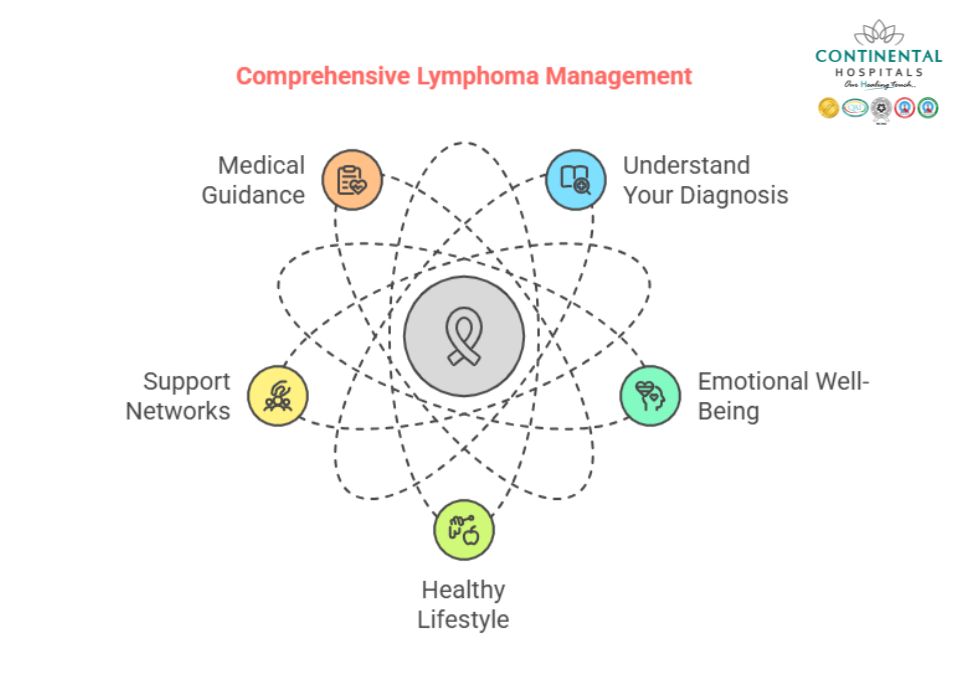
What Are the Best Coping Strategies for People Living with Lymphoma?

1. Understanding Your Diagnosis

The first step in coping with lymphoma is to understand your condition. Learn about your specific type, treatment options, and possible side effects. Ask your doctor questions like:

  • What stage is my lymphoma?
  • What are my treatment options?
  • How will treatment affect my daily life?

Knowledge empowers you to make informed decisions and reduces anxiety about the unknown.

2. Managing Treatment Side Effects

Lymphoma treatments like chemotherapy, radiation, and immunotherapy can cause side effects such as fatigue, nausea, and hair loss. Here’s how to manage them:

  • Fatigue: Get plenty of rest and engage in light exercise like walking or yoga.
  • Nausea: Eat small, frequent meals and stay hydrated. Ginger tea can help.
  • Hair Loss: Consider using wigs, scarves, or hats if hair loss affects your confidence.

Your doctor can also prescribe medications to ease these symptoms.

Second Opinion

3. Prioritizing Mental Well-being

Lymphoma doesn’t just affect the body—it takes a toll on mental health too. Many patients experience stress, anxiety, or depression. Here’s what can help:

  • Talk to a therapist or counselor to work through your emotions.
  • Practice mindfulness and meditation to stay present and reduce stress.
  • Join a support group where you can share experiences with others facing the same challenges.

4. Maintaining a Healthy Lifestyle

Taking care of your body can improve your strength and help you feel better:

  • Eat a balanced diet with fruits, vegetables, lean proteins, and whole grains.
  • Stay active with gentle exercises like stretching or swimming.
  • Avoid smoking and alcohol, as they can weaken your immune system.
  • Small, healthy choices each day can make a big difference in how you feel.

5. Staying Connected with Loved Ones

Emotional support is crucial when living with lymphoma. Stay close to family, friends, and people who uplift you. If you’re struggling, don’t hesitate to ask for help—whether it’s a ride to the hospital, a home-cooked meal, or simply someone to talk to.

How Can I Find the Right Support System While Living with Lymphoma?

1. Family and Friends
Your loved ones want to help, but they may not always know how. Be open about your needs—whether it’s help with chores, attending doctor visits with you, or simply offering encouragement.

2. Support Groups
Connecting with others who understand your experience can be incredibly comforting. Look for local or online support groups for lymphoma patients. Talking to survivors and caregivers can provide hope and motivation.

3. Professional Help
Psychologists, counsellors, and oncology social workers specialize in helping cancer patients cope. If you’re struggling emotionally, seeking professional support can be life-changing.

4. Palliative and Hospice Care
For those with advanced lymphoma, palliative care focuses on improving the quality of life by managing pain and symptoms. It’s not just for end-of-life care—it can be beneficial at any stage of treatment.

Need an Appointment?

How Can You Manage Your Mental Health While Living with Lymphoma?

Living with lymphoma means coping with both physical and emotional challenges. The emotional toll can be just as hard as the physical one. It's important to stay connected to your emotions and seek support when needed. Surround yourself with people who offer love, encouragement, and understanding. Remember, it’s okay to ask for help. You don’t have to go through this journey alone.

Conclusion: You Are Not Alone

Living with lymphoma is undeniably challenging, but with the right coping strategies and support systems, you can navigate this journey with strength and resilience. By acknowledging your emotions, seeking knowledge, and building a strong network of support, you can find hope and healing. It’s important to remember that everyone’s journey with lymphoma is unique. Your story matters, and there is support every step of the way.

For expert lymphoma care in Hyderabad, consult the Best Oncology Doctors in Hyderabad at Continental Hospitals for advanced treatments and support.

Related Blog Topics:

  1. Childhood Leukemia and Lymphoma: What Parents Must Know
  2. Understanding Lymphoma: Types, Symptoms, and Risk Factors

Frequently Asked Questions

A lymphoma diagnosis can bring fear, anxiety, and uncertainty, but emotional coping becomes easier with the right support. Start by learning about your condition from trusted healthcare professionals. Talk openly with your oncologist about your concerns and treatment plan. Share your feelings with close family members or trusted friends instead of facing the journey alone. Joining a lymphoma support group can help you connect with others who understand your experiences. Practicing relaxation techniques such as meditation, deep breathing, or mindfulness can reduce stress. Staying physically active within your doctor's recommendations may improve mood and energy levels. Maintaining a daily routine can provide a sense of normalcy and control. If feelings of depression or anxiety become overwhelming, seek help from a mental health professional. Remember that asking for emotional support is a sign of strength and an important part of your recovery journey.
Family and friends play a vital role throughout lymphoma treatment and recovery. Listening without judgment and offering emotional reassurance can make a significant difference. Practical support, such as helping with transportation to hospital visits, preparing nutritious meals, or assisting with household tasks, reduces daily stress. Encourage the patient to attend medical appointments and help keep track of medications if needed. Respect their need for rest while remaining available for conversation or companionship. Avoid offering unsolicited advice or comparing experiences with others. Celebrate small treatment milestones together to maintain positivity. Stay informed about lymphoma so you better understand the challenges they face. Most importantly, continue treating them with kindness, dignity, and normalcy while respecting their personal choices and independence.
Support groups provide a safe environment where people living with lymphoma can share experiences, concerns, and encouragement. Talking to others who have faced similar treatments helps reduce feelings of loneliness and isolation. Members often exchange practical tips for managing side effects, coping with emotional stress, and maintaining everyday routines. Support groups also provide reassurance that recovery challenges are shared by many patients. They may improve confidence in discussing concerns with healthcare providers. Both in person and online support groups offer flexibility based on individual preferences. Caregivers can also benefit from dedicated support communities that help them manage stress and responsibilities. Regular participation may improve emotional well being and resilience. While support groups do not replace medical care, they complement treatment by strengthening emotional and social support.
Stress and anxiety are common during lymphoma treatment, but several healthy strategies can help. Begin by discussing your concerns openly with your healthcare team so they can address your questions. Practice relaxation methods such as deep breathing, mindfulness meditation, gentle yoga, or guided imagery. Staying physically active within medical advice can improve mood and reduce fatigue. Eating balanced meals and maintaining regular sleep habits support emotional well being. Spend time with supportive family members and friends who encourage positive conversations. Limit exposure to unreliable online information that may increase anxiety. Set realistic daily goals and celebrate small achievements during treatment. If anxiety interferes with daily life, consult a psychologist or counselor experienced in cancer care for professional support.
Healthy lifestyle habits can support overall well being during lymphoma treatment and recovery. Eat a balanced diet rich in fruits, vegetables, whole grains, lean proteins, and adequate fluids. Stay physically active with exercises approved by your doctor to improve strength and reduce fatigue. Get enough sleep each night to support healing and immune function. Avoid smoking and limit alcohol consumption whenever possible. Follow your treatment schedule and attend all follow up appointments. Practice good hygiene to reduce the risk of infections during treatment. Manage stress through hobbies, meditation, reading, or spending time with loved ones. Report any new symptoms promptly to your healthcare provider. Consistent healthy habits may help improve energy, emotional health, and overall quality of life.
Many people with lymphoma continue working during treatment, although this depends on their overall health, treatment type, and energy levels. Some individuals work full time, while others benefit from flexible schedules or temporary leave. Discuss your work responsibilities with your oncologist to understand your physical limitations. Inform your employer about necessary adjustments, including reduced hours or remote work options if available. Take regular breaks and prioritize adequate rest throughout the day. Stay hydrated and maintain healthy eating habits during working hours. Listen to your body and avoid pushing yourself beyond your limits. Protect yourself from infections, especially if your immune system is weakened. Every patient's experience is different, so work decisions should always be based on medical advice and personal comfort.
Caregivers are an essential part of the lymphoma care journey and should also prioritize their own well being. Learn about the diagnosis and treatment plan to provide informed support. Help organize appointments, medications, and important medical information. Encourage healthy eating, adequate hydration, and proper rest for the patient. Offer emotional support by listening patiently and respecting the patient's feelings. Watch for signs of treatment related side effects and communicate concerns to the healthcare team. Accept help from family members or community resources when responsibilities become overwhelming. Make time for your own physical and emotional health through regular breaks and stress management. Caring for yourself enables you to provide better long term support to your loved one.
People living with lymphoma should seek additional professional support whenever emotional or physical challenges become difficult to manage. Persistent sadness, severe anxiety, sleep disturbances, or loss of interest in daily activities should not be ignored. Difficulty coping with treatment, family relationships, or work responsibilities may also require professional guidance. Psychologists, counselors, oncology social workers, and psychiatric specialists can provide effective coping strategies. Nutritional counseling may help if eating becomes difficult during treatment. Physical therapists can assist with weakness or reduced mobility. Financial counselors may offer guidance for treatment related expenses. Always discuss new symptoms or emotional concerns with your oncology team. Early professional support can improve quality of life, strengthen resilience, and enhance overall treatment outcomes.
Disclaimer: The information provided in this blog is intended for general knowledge and informational purposes only, and does not constitute medical advice. Always consult with a qualified healthcare professional for any medical concerns or before making any decisions about your health.

Get in Touch With Us

Whether you are from India or abroad, we are here to help you with your medical queries. Please fill out the form below and our team will connect with you shortly.

  • ✔ Quick response from our medical experts
  • ✔ Secure data handling & privacy
  • ✔ Easy upload for reports & documents
banner_image

Chat with our medical experts on WhatsApp for quick assistance and hassle-free appointment booking

Recent Posts