.webp)

The monsoon brings welcome rains, cooler weather, and relief from the summer heat. However, it also increases the risk of several monsoon diseases, especially among children. One infection that has recently gained attention in India is the chandipura virus. Although it is uncommon, the infection can become serious if not recognized and treated early. Parents should understand the warning signs and know when to seek medical care.
The chandipura virus is a viral infection that mainly affects children. It can progress rapidly and may cause severe illness involving the brain. Learning about chandipura virus symptoms, its spread, prevention, and available treatment can help families act quickly and protect their children during the rainy season.
What Is Chandipura Virus?
The chandipura virus is a virus that belongs to the Rhabdoviridae family. It was first identified in India and has caused outbreaks in different states over the years. The virus primarily affects children under 15 years of age, although adults can occasionally become infected.
Many people search for chandipura virus explained because the infection is not as common as dengue or malaria. However, it is an important public health concern because it can lead to sudden fever and serious neurological complications if treatment is delayed.
Visit our best children's hospital in Hyderabad for trusted, compassionate care tailored to your child's health needs.
How Does Chandipura Virus Spread?
The chandipura virus is believed to spread mainly through the bite of infected sandflies. Some studies also suggest that mosquitoes and certain other insects may play a role, although sandflies remain the primary suspected carriers.
The risk of infection increases during the monsoon because insect populations grow rapidly in warm and humid conditions. Children playing outdoors during dawn or dusk may have a higher chance of exposure.
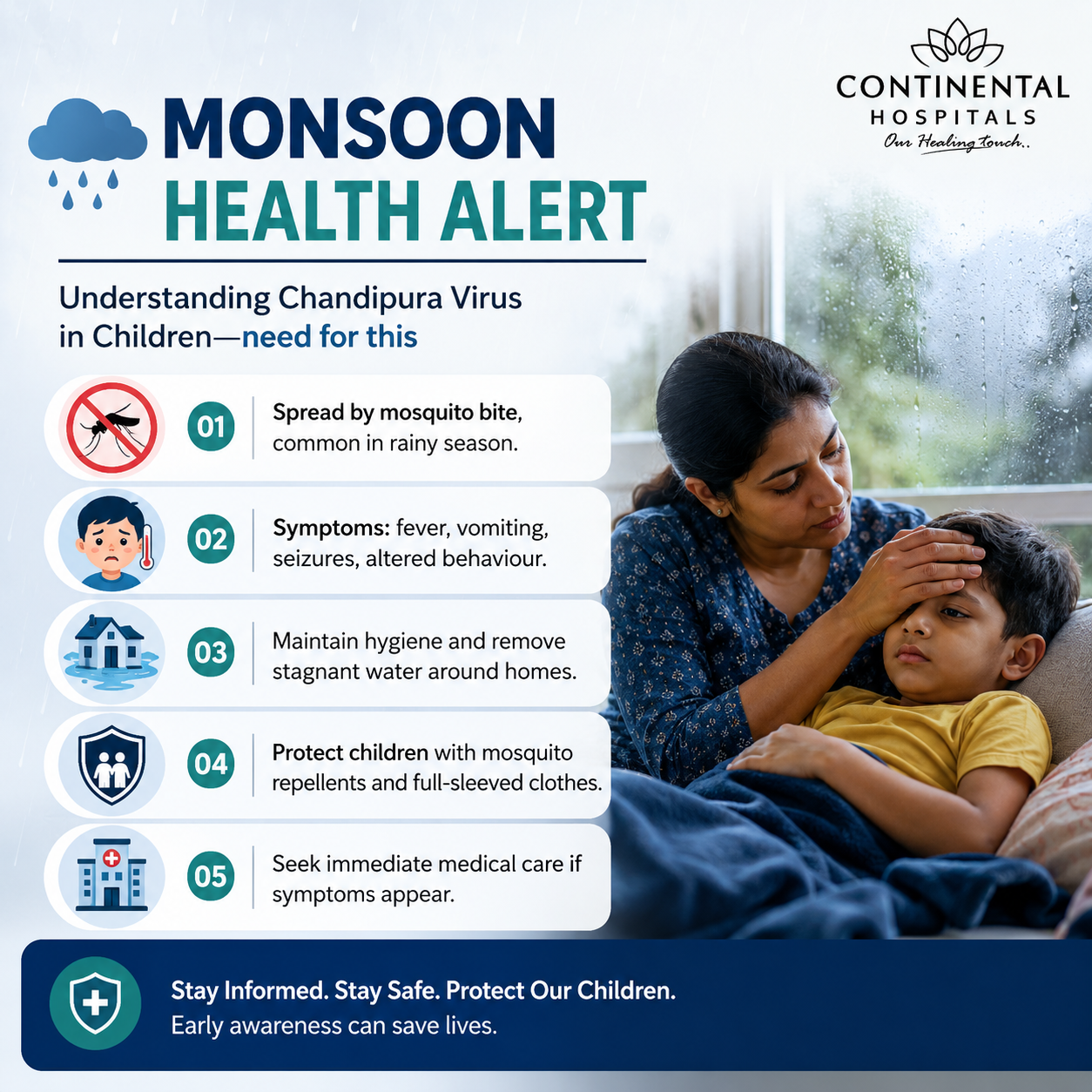
What Are the Chandipura Virus Symptoms?
Recognizing chandipura virus symptoms early can save lives. The illness often begins suddenly and can worsen within a short period.

Common symptoms include:
- High fever
- Severe headache
- Vomiting
- Extreme tiredness
- Irritability
- Seizures or fits
- Confusion or altered consciousness
- Difficulty responding to people
- Loss of consciousness in severe cases
If a child develops high fever along with seizures, repeated vomiting, or unusual sleepiness, immediate medical attention is essential.
Why Is Chandipura Virus Dangerous?
The chandipura virus can affect the brain and nervous system, leading to inflammation known as encephalitis. This makes the infection different from many common viral illnesses.
Without timely treatment, the condition can progress rapidly and may result in serious complications such as the following:
- Brain swelling
- Difficulty breathing
- Permanent neurological damage
- Coma
- Life-threatening complications
Early diagnosis and supportive medical care significantly improve the chances of recovery.
How Is Chandipura Virus Diagnosed?
Doctors diagnose the chandipura virus by evaluating symptoms, medical history, and laboratory investigations.
Tests may include:
- Blood tests
- Cerebrospinal fluid analysis
- PCR testing for viral infection
- Brain imaging when necessary
- Neurological examination
Early diagnosis helps doctors begin supportive treatment before complications develop.
What Is Chandipura Virus Treatment?
Currently, there is no specific antiviral medicine for Chandipura virus treatment. Care focuses on managing symptoms and supporting vital body functions.
Treatment may include:
- Hospital admission for close monitoring
- Intravenous fluids
- Medicines to control fever
- Antiseizure medications
- Oxygen support if needed
- Intensive care for severe cases
Prompt medical care is the most important factor in improving outcomes. Parents should never attempt home treatment if neurological symptoms develop.
How Can Chandipura Virus Prevention Protect Children?
The best approach is chandipura virus prevention through protection against insect bites and maintaining a clean environment.
Follow these preventive measures:
- Use mosquito and insect repellents approved for children.
- Dress children in full-sleeve clothing during evenings.
- Keep doors and windows protected with screens.
- Use mosquito nets while sleeping.
- Remove stagnant water around the home.
- Keep surroundings clean to reduce insect breeding.
- Avoid outdoor play during peak insect activity.
- Maintain good personal hygiene.
Simple preventive habits can greatly reduce the risk of many monsoon diseases, including the chandipura virus.
Why Is the Chandipura Virus in India Receiving More Attention?
Recent chandipura virus outbreak reports have increased awareness across the country. Public health authorities continue to monitor cases and educate communities about prevention.
Although outbreaks remain limited compared to other viral infections, every suspected case requires urgent evaluation because of the possibility of rapid disease progression.
Parents should remember that early recognition and immediate hospital care are the strongest defenses against severe illness.
When Should You Visit a Doctor?
Seek emergency medical care immediately if your child has:
- High fever with vomiting
- Fever followed by seizures
- Excessive sleepiness
- Difficulty waking up
- Confusion or unusual behavior
- Loss of consciousness
- Persistent severe headache
Never ignore these warning signs during the monsoon season.
Why Choose Continental Hospitals?
Continental Hospitals is recognized as one of the best hospitals in Hyderabad, offering comprehensive pediatric emergency and critical care services for children with serious infections and neurological illnesses.
Our hospital is accredited by JCI, NABH, and NABL, reflecting our commitment to international standards of patient safety, quality healthcare, and clinical excellence. With advanced diagnostic technology, modern intensive care units, experienced specialists, and round-the-clock emergency services, we provide timely evaluation and evidence-based treatment for viral infections and other medical emergencies.
Our multidisciplinary team works together to ensure every child receives personalized care, rapid diagnosis, and continuous monitoring whenever urgent medical attention is needed.
Active 2026 Outbreak States
Gujarat:
Gujarat remains the most affected state and is currently considered the epicenter of the outbreak. Authorities have reported 35 laboratory-confirmed cases and 22 pediatric deaths. Cases have been identified across several districts, including Sabarkantha, Panchmahal, Banaskantha, Gandhinagar, Patan, Rajkot, and Bhavnagar.
Rajasthan:
The outbreak has also spread to western Rajasthan, particularly in districts bordering Gujarat. Health officials have confirmed 3 laboratory-confirmed cases and 2 reported pediatric deaths. The affected districts include Udaipur, Dungarpur, and Sirohi.
Conclusion
The chandipura virus is a serious viral infection that requires immediate attention, especially in children. While the infection is uncommon, its rapid progression makes early recognition extremely important. Understanding the Chandipura virus, identifying Chandipura virus symptoms, following Chandipura virus prevention measures, and seeking timely Chandipura virus treatment can protect children from severe complications.
During the monsoon, stay alert, reduce insect exposure, and never ignore warning signs such as fever, seizures, or excessive drowsiness. Early medical intervention can make a significant difference. If you are concerned about your child's health or suspect a chandipura virus infection, trust the experienced pediatric specialists at Continental Hospitals for expert care, accurate diagnosis, and compassionate treatment.
If your child develops chandipura virus symptoms, persistent high fever, seizures, vomiting, or unusual drowsiness, do not delay medical care. Consult our best pediatric doctor in Hyderabad at Continental Hospitals for early diagnosis, expert treatment, and comprehensive support during the monsoon season.
Related Blogs: