.webp)

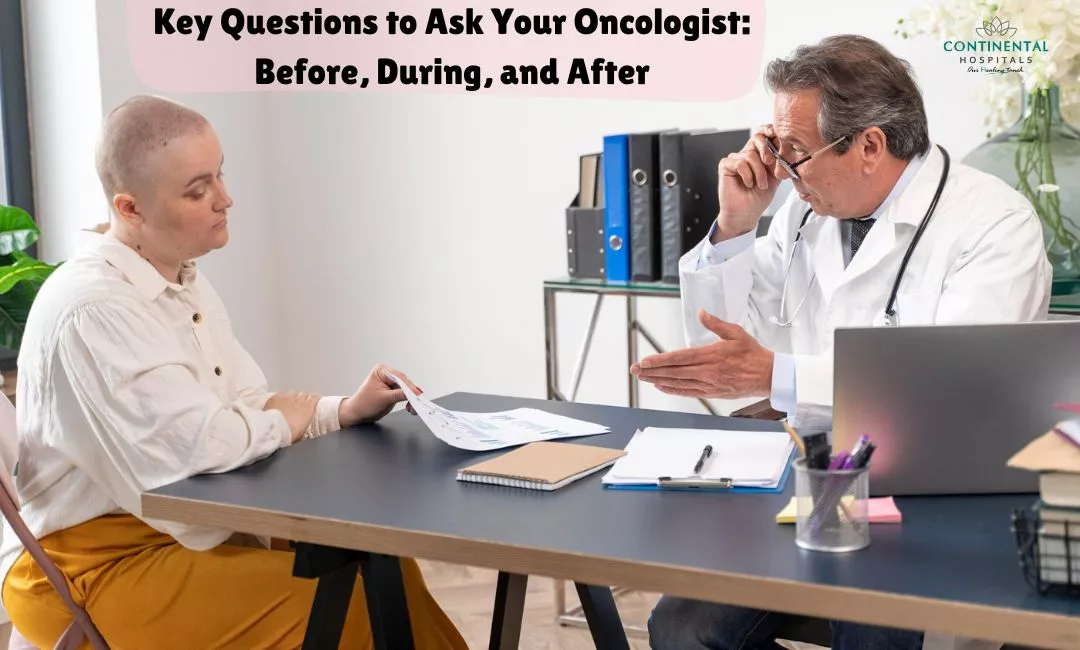
When diagnosed with cancer, it’s natural to feel overwhelmed by information, emotions, and decisions. Your oncologist plays a crucial role in your journey, guiding you through treatment options and what to expect. Asking the right questions can help you gain clarity and confidence. Here are essential questions to ask your oncologist before, during, and after cancer treatment.
What questions should I ask my oncologist before starting cancer treatment?
Before you begin treatment, it’s important to understand your diagnosis and the available options. Here are some questions that can help you gather the necessary information:
1. What Type of Cancer Do I Have? This is the first and most important question. Knowing the specific type of cancer will help you understand the severity, how it spreads, and the best treatment options. For example, breast cancer, lung cancer, and colon cancer are common types worldwide, with breast cancer being the most prevalent among women globally and in India. According to the World Health Organization (WHO), there were over 2.3 million new breast cancer cases in 2020. In India, breast cancer accounts for about 25-30% of cancers in women.
2. What Stage is My Cancer? The stage of cancer tells how far it has spread in the body. Early-stage cancers (Stage I) have a better prognosis compared to advanced stages (Stage III or IV). The stage of cancer can also determine which treatment options will be most effective. In India, early detection of cancer is often a challenge, leading to a higher percentage of advanced-stage diagnoses.
3. What Are My Treatment Options? Understanding all the treatment options available to you is critical. Ask about surgery, chemotherapy, radiation, immunotherapy, and targeted therapy. Worldwide, chemotherapy and radiation are commonly used treatments, but recent advancements in immunotherapy have shown promising results in many cases. India has also seen a rise in the use of targeted therapies in major cancer hospitals like Tata Memorial Hospital and AIIMS.
4. What Are the Side Effects of These Treatments? Different treatments come with different side effects, and it’s essential to know what to expect. While chemotherapy can cause hair loss, fatigue, and nausea, radiation may lead to skin irritation and fatigue. In India, many patients often ask about affordable ways to manage these side effects, given the high cost of healthcare.
5. Will My Treatment Be Covered by Insurance? In India, cancer treatment can be expensive. With the introduction of the Ayushman Bharat health insurance scheme, many cancer patients now have access to financial support. Make sure to ask your oncologist about the costs and whether your insurance covers the recommended treatment.
Our Best Oncology Doctors in Hyderabad provide advanced diagnosis, personalized treatment, and compassionate support at every stage of your journey.
What questions should I ask my oncologist during cancer treatment?
Once you begin treatment, staying informed is vital. Here are some questions to ask while undergoing treatment:

1. How Will We Know If the Treatment Is Working? It’s important to track progress during treatment. Ask your oncologist how they will measure success. This could involve scans, blood tests, or other methods to monitor the cancer. Globally, advancements in imaging technology have made it easier to track treatment responses. In India, PET-CT scans and MRI scans are commonly used to assess cancer progression.
2. What Can I Do to Manage Side Effects? Every patient reacts differently to cancer treatment. Some may experience mild side effects, while others may face more severe ones. Ask your oncologist for advice on managing side effects. For instance, in India, doctors often recommend home remedies like ginger to alleviate nausea, or yoga and meditation to reduce stress and fatigue.
3. Should I Change My Diet or Lifestyle? Cancer treatment can weaken your immune system, making it essential to maintain a healthy diet. Ask your oncologist if you need to avoid certain foods or make changes to your lifestyle. A healthy, balanced diet rich in nutrients can help you recover faster. In India, where traditional diets are rich in spices and herbs, doctors may recommend incorporating specific foods like turmeric, known for its anti-inflammatory properties.
4. Can I Continue Working or Exercising During Treatment? Many patients want to know if they can maintain their regular routines during treatment. While it depends on the individual, light exercise and work may be possible in some cases. Studies show that moderate exercise can help improve energy levels and reduce fatigue during cancer treatment.
5. Are There Clinical Trials Available? Clinical trials offer patients the opportunity to access new treatments that may not be widely available. Ask your oncologist if there are any trials that are suitable for your condition. India has been actively involved in cancer research, and many top hospitals offer participation in clinical trials for innovative therapies.
What Happens After Cancer Treatment Ends?
Once you’ve completed treatment, the journey continues with follow-up care and long-term monitoring. Here are some questions to ask after treatment:
1. What Happens After Treatment? After completing treatment, regular check-ups are essential to monitor your recovery and detect any signs of recurrence. Ask your oncologist about the frequency of follow-up visits and what tests or scans will be required.
2. What Are the Chances of My Cancer Coming Back? Understanding the risk of recurrence can help you mentally and physically prepare for life after treatment. While some cancers have a higher risk of recurrence, others may have lower chances depending on the stage and type of cancer. For example, in India, studies suggest that oral cancer, often linked to tobacco use, has a high recurrence rate.
3. What Should I Do If I Notice Symptoms Again? It’s important to know what to look out for after treatment. If you experience new symptoms or a return of previous symptoms, it’s crucial to report them to your doctor immediately. Early detection of recurrence can significantly improve outcomes.
4. How Can I Reduce My Risk of Cancer Recurrence? Living a healthy lifestyle is key to reducing the risk of cancer coming back. Ask your oncologist for tips on maintaining a balanced diet, regular exercise, and avoiding known cancer risk factors. For example, in India, quitting tobacco and limiting alcohol intake are essential steps to reduce the risk of certain cancers.
5. Are There Support Groups or Resources Available? Recovering from cancer involves not just physical healing but emotional support as well. Ask your oncologist about support groups, both online and offline. In India, organizations like the Indian Cancer Society and CanSupport provide valuable resources for cancer survivors and their families.
Conclusion
Asking questions is a vital part of your cancer journey. Whether you’re just starting treatment, in the middle of it, or have completed it, staying informed will help you make better decisions. Worldwide, over 19 million new cancer cases were reported in 2020, with India contributing a significant number to this statistic. By understanding your diagnosis, treatment options, and post-treatment care, you can approach cancer with a sense of empowerment and hope. Always remember, your oncologist is there to guide you through every step—never hesitate to ask questions. Consult our best oncologist in Hyderabad at Continental Hospitals.