post-title

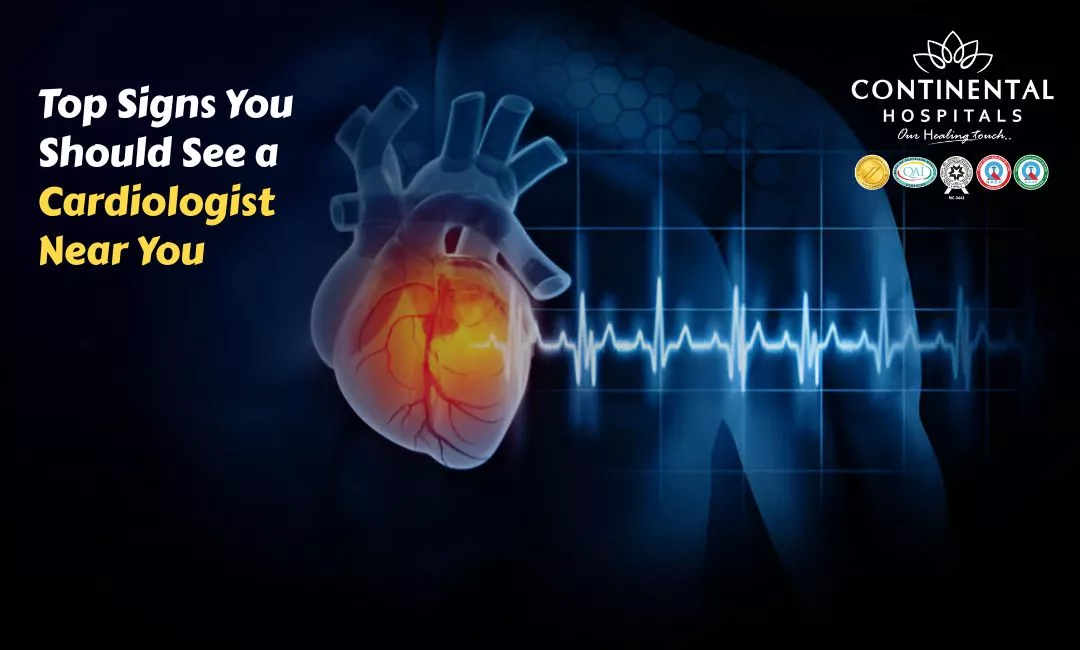
Top Signs You Should See a Cardiologist Near You

Written by - Editorial Team
Medically Reviewed by - Dr Meeraji Rao Dandangi

Your heart works around the clock to keep you alive. But when it begins to show signs of stress or illness, it’s important not to ignore them. Many people delay visiting a cardiologist until symptoms become severe, but early detection can save lives. If you're searching for a heart doctor near me or wondering whether your symptoms need specialist attention, this guide is for you.

This blog highlights the top signs you should see a cardiologist near you, how to recognize warning signals, and why choosing Continental Hospitals for your heart care is a smart decision.

What are the signs that I need to see a cardiologist?

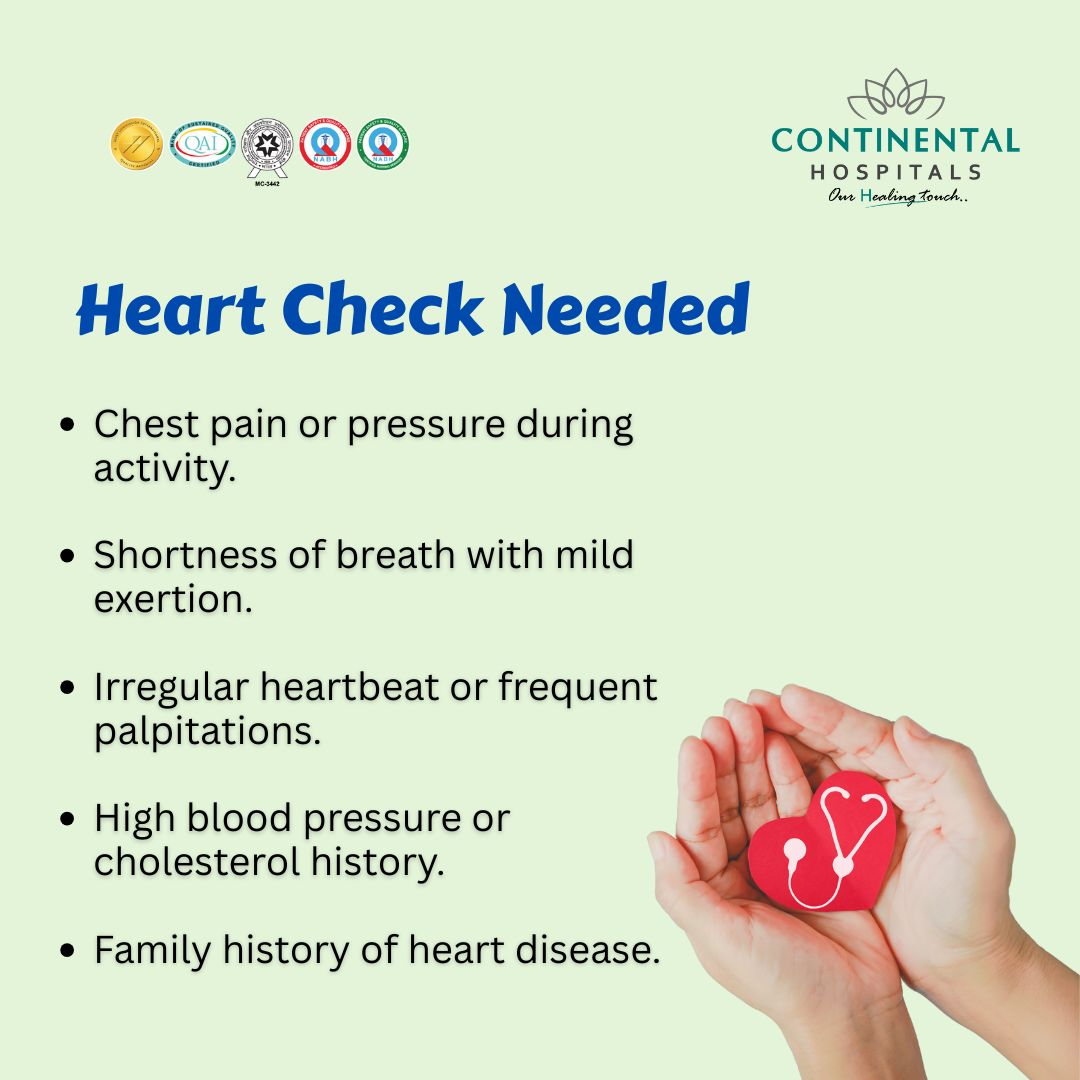
1. Chest Pain or Discomfort

Chest pain is one of the most common and serious signs of a heart problem. While not all chest pain is related to the heart, pressure, tightness, or burning sensations in the chest—especially during activity—can be early indicators of heart disease. If you're looking for a chest pain doctor, a cardiologist should be your first choice to rule out or confirm a heart condition.

2. Shortness of Breath

Struggling to breathe after minor physical activity or even while resting? Shortness of breath may suggest your heart isn’t pumping blood efficiently. This could be a symptom of heart failure or another cardiovascular issue. If you've been searching for help with shortness of breath heart symptoms, it’s time for a cardiology checkup.

Visit the Best Cardiology Doctors in Hyderabad at Continental Hospitals and consult our experienced cardiology specialists for timely diagnosis and personalized treatment.
3. High Blood Pressure (Hypertension)

High BP or hypertension often has no symptoms, but over time, it places a significant strain on your heart and blood vessels. This increases the risk of heart attack, stroke, and heart failure. If you’ve been diagnosed with high BP, seeing a heart specialist near you is important to avoid long-term damage. Managing hypertension early is crucial to reducing heart risk.

4. Irregular Heartbeat or Palpitations

Feeling like your heart is fluttering, skipping beats, or racing for no reason? These are known as heart palpitations and may signal an irregular heartbeat, called arrhythmia. While some palpitations are harmless, others may require immediate medical attention. A cardiologist can help determine whether you need further tests or treatment for irregular heartbeat symptoms.

5. Family History of Heart Disease

Genetics play a large role in your heart health. If your parents or siblings have had heart conditions, you may be at higher risk, even without current symptoms. In such cases, a cardiology checkup can help assess your risk and guide you on preventive care. Searching for a local heart doctor early could make all the difference.

Second Opinion

6. Diabetes

If you have diabetes, you are more likely to develop heart disease. High blood sugar levels damage blood vessels over time, increasing the risk of blockages. If you have diabetes, regular appointments with a cardiologist near you can help prevent cardiovascular complications.

7. Fatigue or Weakness

Persistent tiredness, especially if it worsens with activity, may not just be due to a busy lifestyle. It can be a warning sign that your heart isn’t functioning properly. A heart specialist consultation is recommended if you feel exhausted without a clear reason.

8. Swelling in Legs, Ankles, or Feet

Unexplained swelling in the lower limbs can indicate fluid buildup, often due to heart failure. When the heart cannot pump effectively, fluid collects in tissues. If you notice such swelling, it’s wise to consult a cardiologist immediately.

9. Dizziness or Fainting

Frequent dizziness or fainting episodes may result from abnormal heart rhythms, poor circulation, or heart valve issues. These can be serious, and a cardiology checkup is necessary to find the root cause.

10. Prior Heart Attack or Stroke

If you've already had a heart attack or stroke, regular follow-ups with a cardiologist are essential. These events raise your risk of future complications, and a specialist can guide your recovery and long-term heart care.

11. Smoking History

Smoking is one of the leading causes of heart disease. If you smoke or have smoked in the past, your risk increases significantly. A heart doctor near you can assess your cardiovascular health and help prevent future problems.

Why is early detection important for heart conditions?

Ignoring the early signs of heart disease can lead to serious complications, including heart attacks, stroke, or heart failure. When symptoms are caught early, lifestyle changes, medications, and sometimes minimally invasive procedures can help restore heart health. Many people live longer, healthier lives with early intervention.

Need an Appointment?

When to Book a Heart Specialist Consultation
If you experience any of the above symptoms or have multiple risk factors such as diabetes, high BP, obesity, or family history, it’s time to seek a heart specialist consultation. Don't wait until the symptoms become severe. Your heart gives you warning signs—listen to them.

Why Choose Continental Hospitals for Your Heart Care?

Continental Hospitals in Hyderabad offers advanced cardiac care under the guidance of some of the best cardiologists in the region. Our cardiology team is equipped with modern diagnostic tools, personalized treatment plans, and a commitment to patient safety and comfort.

Whether it’s a routine cardiology checkup, treatment for irregular heartbeat, or long-term care for chronic heart conditions, Continental provides expert services tailored to your needs. From early signs of heart disease to complex interventions, we support you every step of the way.

Our hospital follows global best practices and ensures comprehensive heart health care, from prevention to recovery.

Final Thoughts

Your heart deserves your attention. If you’re experiencing chest pain, shortness of breath, or any other symptom discussed above, it’s time to see a cardiologist near you. Early action can prevent complications and even save your life.

If you suffer from signs like irregular heartbeat, shortness of breath, or chest discomfort, don’t delay. Consult our top cardiologists in Hyderabad at Continental Hospitals today and take the first step toward a healthier heart.

Related Blogs:

  1. Can Heart Disease Be Reversed Naturally?
  2. Smartwatches and Heart Health: Are They Reliable?

Frequently Asked Questions

Several symptoms may indicate an underlying heart condition that requires evaluation by a cardiologist. Persistent chest pain, chest pressure, or discomfort during physical activity should never be ignored. Shortness of breath while walking, climbing stairs, or even at rest may also signal heart disease. Frequent palpitations, dizziness, fainting episodes, or unexplained fatigue can be early warning signs. Swelling in the legs, ankles, or feet may suggest heart failure or poor circulation. If these symptoms occur repeatedly or worsen over time, it is important to seek medical attention promptly. A cardiologist can perform specialized tests to identify the cause and recommend appropriate treatment. Early diagnosis often helps prevent serious complications such as heart attack, stroke, or heart failure while improving long-term heart health.
Yes. Recurring chest pain should always be evaluated by a cardiologist, especially if it occurs during physical activity, emotional stress, or is accompanied by sweating, nausea, or breathlessness. While chest pain may sometimes result from muscle strain, acid reflux, or anxiety, it can also indicate coronary artery disease or reduced blood flow to the heart. A cardiologist can assess your symptoms using diagnostic tests such as ECG, echocardiography, stress testing, or coronary imaging when necessary. Prompt evaluation helps determine whether the pain is heart-related and ensures timely treatment. Ignoring recurrent chest pain increases the risk of serious complications, making early medical consultation essential for your safety.
Yes. Shortness of breath can be an important symptom of heart disease, particularly when it occurs during mild physical activity or while lying flat. It may indicate conditions such as heart failure, coronary artery disease, heart valve disorders, or abnormal heart rhythms. If breathing difficulty is accompanied by chest discomfort, fatigue, swelling of the legs, or rapid heartbeat, prompt medical evaluation is recommended. A cardiologist can determine whether your symptoms are related to the heart or another medical condition such as lung disease. Early diagnosis allows effective treatment, improves quality of life, and helps prevent worsening heart complications.
People with consistently elevated blood pressure should consult a cardiologist, particularly if lifestyle changes and medications are not effectively controlling their readings. Long-term uncontrolled hypertension increases the risk of heart attack, stroke, heart failure, kidney disease, and damage to blood vessels. A cardiologist can evaluate your cardiovascular risk, adjust treatment plans, recommend advanced investigations, and monitor for early signs of heart damage. Regular follow-up is especially important for individuals with diabetes, obesity, kidney disease, or a family history of heart disease. Proper blood pressure management significantly reduces the likelihood of serious cardiovascular complications.
Occasional heart palpitations may be harmless and triggered by stress, caffeine, or lack of sleep. However, frequent, prolonged, or severe palpitations should be evaluated by a cardiologist, especially if they are associated with dizziness, fainting, chest pain, or shortness of breath. These symptoms may indicate an abnormal heart rhythm, also known as an arrhythmia. A cardiologist can perform diagnostic tests such as an ECG, Holter monitoring, or event recording to identify the cause. Early detection and treatment of arrhythmias help reduce the risk of complications such as stroke, heart failure, or sudden cardiac events.
Regular heart checkups are recommended for people with risk factors such as diabetes, high blood pressure, high cholesterol, obesity, smoking, or a strong family history of heart disease. Adults above the age of 40 may also benefit from routine cardiovascular screening even if they do not have symptoms. Regular consultations help identify silent heart disease before complications develop. Cardiologists evaluate your overall cardiovascular health using physical examination, blood tests, ECG, echocardiography, and other investigations when required. Preventive care enables early intervention, better lifestyle management, and significantly lowers the risk of heart attack and stroke.
Persistent fatigue and unexplained dizziness can sometimes be signs of reduced blood flow caused by heart disease. Conditions such as arrhythmias, heart valve disorders, heart failure, or coronary artery disease may reduce the heart's ability to pump blood efficiently. If fatigue interferes with daily activities or dizziness occurs repeatedly, especially with chest discomfort, fainting, or breathlessness, a cardiologist should evaluate these symptoms. Comprehensive cardiac assessment helps determine whether the heart is responsible and guides appropriate treatment. Early evaluation improves outcomes and helps prevent progression of cardiovascular disease.
A cardiologist plays an important role in preventing heart disease through early detection, risk assessment, and personalized treatment plans. They evaluate factors such as blood pressure, cholesterol, diabetes, family history, smoking habits, and lifestyle to determine your cardiovascular risk. Diagnostic tests can identify heart problems before symptoms become severe. Cardiologists also recommend lifestyle modifications, medications, regular monitoring, and advanced treatments when necessary. Preventive care reduces the likelihood of heart attack, stroke, heart failure, and other cardiovascular complications. Seeking timely consultation supports long-term heart health and improves overall quality of life.
Disclaimer: The information provided in this blog is intended for general knowledge and informational purposes only, and does not constitute medical advice. Always consult with a qualified healthcare professional for any medical concerns or before making any decisions about your health.

Get in Touch With Us

Whether you are from India or abroad, we are here to help you with your medical queries. Please fill out the form below and our team will connect with you shortly.

  • ✔ Quick response from our medical experts
  • ✔ Secure data handling & privacy
  • ✔ Easy upload for reports & documents
banner_image

Chat with our medical experts on WhatsApp for quick assistance and hassle-free appointment booking

Recent Posts