
post-title

Top Tips to Keep Your Joints Strong and Pain-Free

Written by - Editorial Team
Medically Reviewed by - Dr Arun Reddy Mallu

Your joints play a vital role in keeping you active, mobile, and independent. Whether it's walking, climbing stairs, or even typing on your phone, healthy joints make daily life easier. But many people experience joint pain, stiffness, or swelling, especially with age, injury, or lifestyle habits.

This guide will walk you through simple and effective tips to keep your joints strong and pain-free, and help you understand when it’s time to see a specialist.

How Can I Stay Physically Active Without Hurting My Joints?

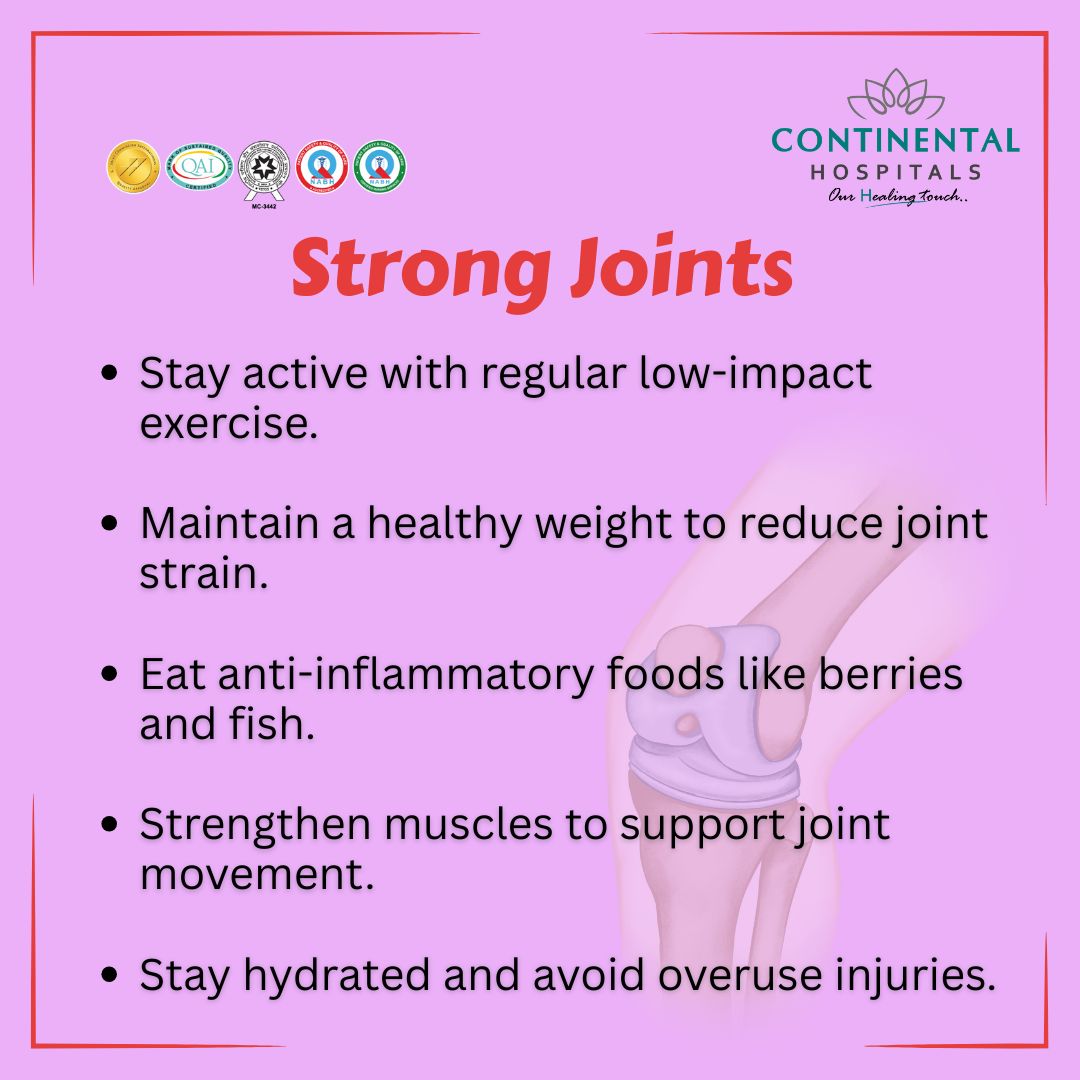
Movement is essential for joint health. Regular low-impact exercise strengthens muscles, improves flexibility, and supports the joints. Walking, swimming, cycling, and yoga are excellent choices. These activities reduce stiffness without putting too much pressure on your joints.

Why it works:
Joints are surrounded by cartilage and fluid that nourish them. Gentle movement increases blood flow and helps carry nutrients to these areas, keeping them healthy.

Tip: Aim for at least 30 minutes of low-impact activity five days a week.

Don't let joint pain affect your daily life. Visit the top orthopedic doctors in Hyderabad at Continental Hospitals and receive expert care from our leading orthopedic specialists in Hyderabad.
Why is weight management important for joint health?

Extra body weight puts stress on weight-bearing joints like the knees, hips, and lower back. Even a small weight loss can reduce pressure on your joints and lower your risk of osteoarthritis.

How it helps:
Losing a few kilos can significantly reduce joint strain and inflammation, helping you move more freely.

Second Opinion

Tip: Choose a balanced diet with whole foods, fresh vegetables, lean proteins, and healthy fats to support your joints and overall health.

How can I strengthen the muscles around my joints?

Strong muscles act like shock absorbers for your joints. Strength training exercises, especially for your core and lower body, help protect your knees, hips, and back.

Try this:
Do bodyweight exercises like squats, lunges, or resistance band training two to three times a week. Focus on proper form to prevent injury.

Note: If you have joint pain, always check with a doctor or physiotherapist before starting a new routine.

How does daily stretching help keep joints flexible?

Regular stretching helps maintain joint flexibility and prevent stiffness. Stretch your muscles gently after a warm-up or workout to keep them flexible.

Key areas to stretch:

  • Hamstrings
  • Calves
  • Shoulders
  • Neck
  • Back

Tip: Include dynamic stretches before exercise and static stretches after.

Need an Appointment?

How does staying hydrated help keep joints healthy?

Water keeps the cartilage in your joints soft and hydrated. When you're dehydrated, your joints can feel stiff or painful.

Simple habit:
Drink plenty of water throughout the day, especially after exercise or during hot weather.

What should I eat for healthy joints?

Certain nutrients play a major role in maintaining joint health.

Must-haves in your diet:

Omega-3 fatty acids: Found in fish, flaxseeds, and walnuts. Helps reduce inflammation.

Vitamin D: Supports bone strength. Found in sunlight, fortified foods, and supplements.

Calcium: Important for bones. Found in dairy, almonds, and leafy greens.

Antioxidants: Found in berries, spinach, and tomatoes. Help protect joints from damage.

How can I avoid overuse and repetitive stress on my joints?

Repetitive motions can wear out your joints over time. Whether it’s typing, lifting, or bending, avoid putting strain on the same joint continuously.

What you can do:

  • Use correct posture.
  • Take frequent breaks during tasks.
  • Use ergonomic tools to reduce joint strain.

How do you know if your joints are unhealthy?

Pain, swelling, or stiffness in the joints is your body’s way of signaling that something’s wrong. Don’t ignore these signs.

What to look for:

  • Persistent joint pain
  • Reduced range of motion
  • Swelling or redness around joints

If you notice any of these symptoms, consult a specialist promptly.

How can I protect my joints during daily activities?

Small changes in your routine can protect your joints from unnecessary strain.

Helpful habits:

  • Use both hands when lifting objects
  • Use assistive tools when needed
  • Avoid high heels or ill-fitting footwear
  • Bend your knees when lifting instead of your back

When should you consider physical therapy for joint pain?

Physiotherapists can teach you exercises that improve strength, flexibility, and balance—all while protecting your joints.

When to consider therapy:

After joint injury or surgery

If you're experiencing regular pain

When starting a new exercise program after long rest

Why Choose Continental Hospitals for Joint Care?

At Continental Hospitals, Hyderabad, we believe in comprehensive, patient-centered joint care. Our multidisciplinary team includes experienced orthopedic specialists, physiotherapists, and rehabilitation experts who focus on:

  • Personalized treatment plans
  • Accurate diagnosis using advanced imaging
  • Minimally invasive procedures for faster recovery
  • Long-term joint preservation strategies

Whether you are dealing with chronic arthritis, sports injuries, or sudden joint pain, our experts can guide you toward effective, long-lasting relief.

Conclusion

Your joints carry you through life—literally. Taking care of them is not just about avoiding pain, but about staying active, independent, and comfortable as you age. By staying active, eating right, and listening to your body, you can protect your joints and improve your quality of life.

Struggling with joint pain? Visit Continental Hospitals and consult our Best Orthopedic Specialists in Hyderabad for lasting relief and joint care.


Frequently Asked Questions

Healthy joints depend on simple daily habits practiced consistently. Stay physically active with low impact exercises like walking, swimming, or cycling. Stretch before and after physical activity to maintain flexibility. Eat a balanced diet rich in calcium, vitamin D, protein, and omega 3 fatty acids. Maintain a healthy body weight to reduce stress on weight bearing joints. Drink enough water to keep cartilage hydrated. Avoid prolonged sitting and take movement breaks every hour. Use proper posture while sitting, standing, and lifting heavy objects. Wear supportive footwear to reduce pressure on your knees and hips. Sleep well because tissues repair during rest. Avoid smoking and excessive alcohol as they affect bone and joint health. Listen to your body and avoid overusing painful joints. Regular health checkups help detect joint problems early.
A nutritious diet plays a major role in maintaining healthy joints. Include fatty fish like salmon and sardines for omega 3 fatty acids that help reduce inflammation. Eat leafy green vegetables rich in antioxidants and vitamin K. Dairy products provide calcium and vitamin D for stronger bones. Nuts and seeds contain healthy fats and minerals that support joint function. Colorful fruits such as berries and oranges provide vitamin C for collagen production. Whole grains help reduce inflammation compared to refined grains. Beans and lentils offer protein for tissue repair. Olive oil contains healthy compounds that support joint health. Stay hydrated throughout the day. Limit sugary foods, processed snacks, and fried foods that may increase inflammation. A balanced diet supports long term joint strength and mobility.
Excess body weight places additional pressure on joints, especially the knees, hips, ankles, and lower back. Every extra kilogram increases the load on weight bearing joints during walking and climbing stairs. This can speed up cartilage wear and increase the risk of osteoarthritis. Maintaining a healthy weight reduces stress on joints and improves movement. Weight loss also lowers inflammation throughout the body. Regular exercise combined with healthy eating is the best way to achieve sustainable weight management. Strong muscles further support and stabilize joints. Even modest weight loss can significantly reduce joint pain and improve mobility. Healthy weight also lowers the risk of diabetes and heart disease. Long term weight control helps preserve joint function and overall quality of life.
Low impact exercises are ideal for protecting joints while improving strength and flexibility. Walking is one of the simplest ways to maintain joint mobility. Swimming and water aerobics reduce stress on painful joints because water supports body weight. Cycling improves knee strength without excessive impact. Yoga enhances flexibility, balance, and posture. Pilates strengthens core muscles that support the spine and joints. Strength training builds muscles around joints to improve stability. Stretching before and after exercise helps maintain flexibility and reduces stiffness. Increase exercise intensity gradually to avoid injuries. Wear proper footwear and use correct techniques during workouts. If you experience persistent pain during exercise, consult a healthcare professional for personalized guidance.
Recognizing early symptoms can help prevent long term joint damage. Persistent joint pain lasting several weeks should not be ignored. Morning stiffness lasting more than thirty minutes may indicate inflammation. Swelling, warmth, or redness around a joint requires medical attention. Clicking or grinding sensations with pain may signal cartilage damage. Difficulty performing daily activities like climbing stairs or gripping objects can indicate joint issues. Reduced range of motion is another warning sign. Joint weakness or instability should also be evaluated. Pain that worsens after rest or physical activity deserves attention. Early diagnosis allows timely treatment and better outcomes. Consult an orthopedic specialist if symptoms continue or worsen.
Although aging naturally affects joints, many cases of joint pain can be prevented or delayed. Regular physical activity keeps joints flexible and muscles strong. Eating nutrient rich foods supports bone and cartilage health. Maintaining a healthy weight reduces stress on joints. Good posture and proper lifting techniques help prevent injuries. Avoid repetitive movements that strain the same joints for long periods. Stretch regularly to maintain flexibility. Stay hydrated because cartilage requires water for cushioning. Get enough sleep for tissue repair and recovery. Treat minor injuries promptly to prevent long term complications. Regular medical checkups help identify problems early. Healthy lifestyle choices can significantly improve joint function as you age.
You should consult a doctor if joint pain lasts more than a few weeks or interferes with daily activities. Seek medical attention if the joint becomes swollen, red, warm, or severely painful. Difficulty walking, standing, or using your hands should be evaluated. Sudden joint pain following an injury requires immediate assessment. Persistent morning stiffness or repeated episodes of swelling may indicate arthritis or another medical condition. Fever along with joint pain should not be ignored. Early diagnosis allows effective treatment and prevents permanent joint damage. Your doctor may recommend imaging tests or blood tests depending on your symptoms. Timely medical care improves recovery and long term joint health.
Continental Hospitals offers comprehensive orthopedic care for people with joint pain, arthritis, sports injuries, and bone disorders. Experienced orthopedic specialists provide accurate diagnosis using advanced imaging technology. Personalized treatment plans include medication, physiotherapy, lifestyle guidance, and minimally invasive procedures when required. The hospital also offers advanced joint replacement surgeries for severe arthritis and damaged joints. Rehabilitation programs help patients recover safely and regain mobility. Multidisciplinary care ensures every patient receives complete support throughout treatment. Early evaluation helps prevent complications and improve long term outcomes. Patients receive evidence based care focused on pain relief and improved quality of life. Book an appointment with our orthopedic specialists for expert evaluation and personalized joint care.
Disclaimer: The information provided in this blog is intended for general knowledge and informational purposes only, and does not constitute medical advice. Always consult with a qualified healthcare professional for any medical concerns or before making any decisions about your health.

Get in Touch With Us

Whether you are from India or abroad, we are here to help you with your medical queries. Please fill out the form below and our team will connect with you shortly.

  • ✔ Quick response from our medical experts
  • ✔ Secure data handling & privacy
  • ✔ Easy upload for reports & documents
banner_image

Chat with our medical experts on WhatsApp for quick assistance and hassle-free appointment booking

Recent Posts