post-title

Two Drops of Polio Vaccine: How They Help Protect Your Child

Written by - Editorial Team
Medically Reviewed by - Dr. Veerla Swathi

Polio is a highly infectious disease that mostly targets children younger than five years old. The disease is spread by contaminated food and water and contact with an infected person's feces. This disease affects the nervous system, causing paralysis. Severe polio may also target muscles involved in breathing. Since there is no cure for polio, vaccination is the only way to protect a child from this disease. Polio drops are part of the childhood vaccination schedule and protect a child from this devastating infection.

Polio vaccine is administered to the child in the form of two drops through the mouth. These two drops contain a live, weakened virus, which makes it easier for the child's body to become immune to the disease. OPV (Oral Polio Vaccine) forms an integral part of India's Pulse Polio Programme.

What Does It Mean for Your Child to Get Only Two Drops of Polio Vaccine?

How does only two drops ensure that your child is protected from polio? The Oral Polio Vaccine protects your child through stimulating the immune system to fight off the poliovirus.

When a child gets polio drops, he will get stimulation from the weakened virus in the vaccine, which triggers the immune system to fight off poliovirus in case it is encountered.

The key advantages of polio drops are as follows:

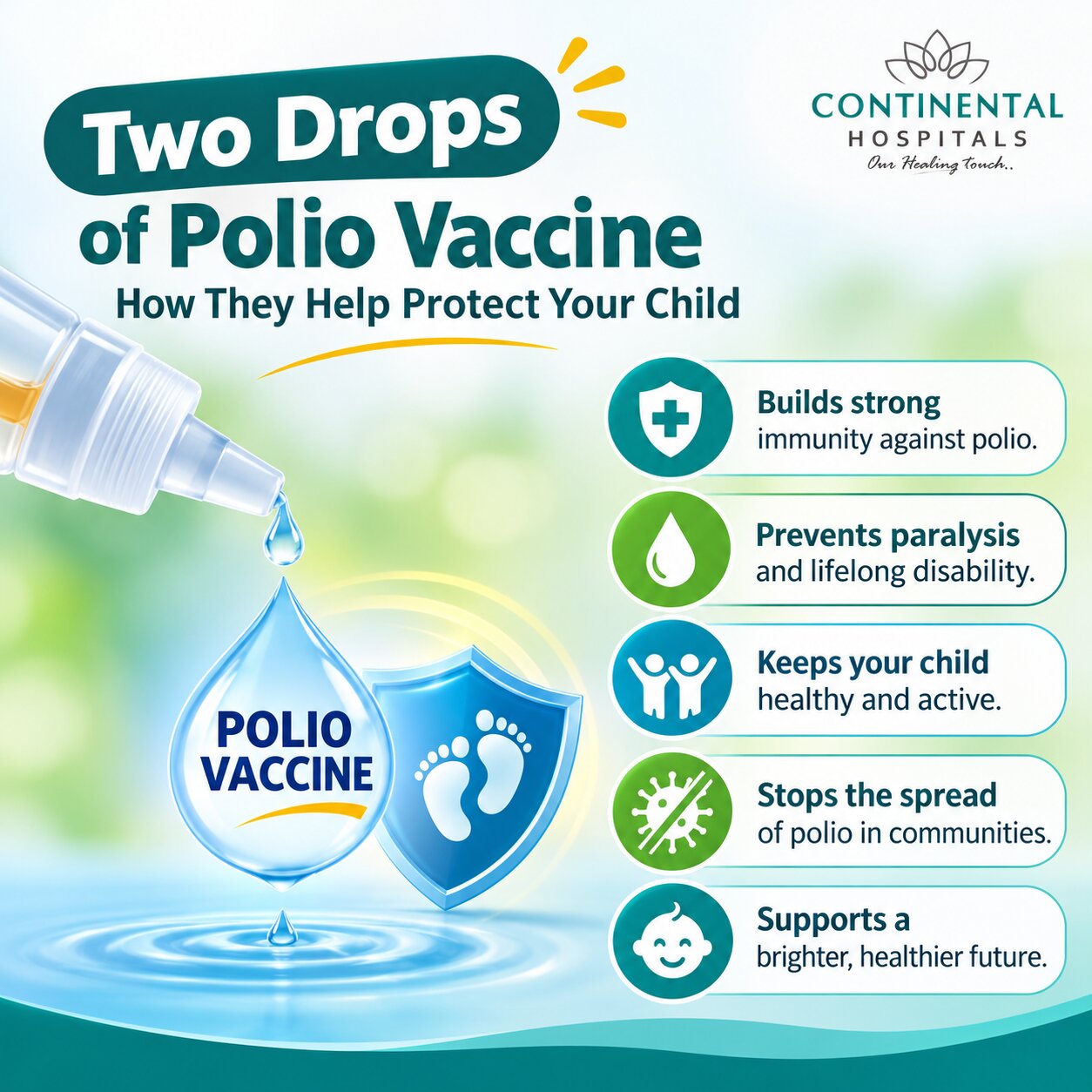
  • Immunity building: Helps build the immunity of your child towards poliovirus.
  • Avoids paralysis: Helps prevent polio infection and its resulting paralysis.
  • Community protection: Helps in reducing the spread of poliovirus among children.
  • Global polio eradication effort: Through vaccination, it helps the country eradicate polio.
  • Protection of young children: Helps protect children who are still very young.

Difference between OPV and IPV

Is there only one method for administration of polio vaccine? Not really. There are two major types of polio vaccines used in the vaccination program.

1. Oral Polio Vaccine (OPV)

  • Administration: Oral drops.
  • Composed of live but weakened poliovirus.
  • Develops immunity in the intestines.
  • Plays an important role in stopping poliovirus transmission.
  • Used in the Pulse Polio campaigns.

2. Inactivated Polio Vaccine (IPV)

  • Administered by injection.
  • Consists of killed poliovirus which is unable to cause infection.
  • Develops strong resistance against polio virus in the body.
  • Plays an important role in childhood immunization program.

Both the vaccines are important in the prevention of polio. Parents must adhere to the vaccination schedule recommended by their child's doctor.

Second Opinion

When Should Your Child Take Polio Drops?

When is the right time to give your child polio drops? Your child should get polio drops based on the national immunization schedule and the advice of healthcare professionals.

In India, polio drops are given through routine immunizations and the Pulse Polio program.

Some key things that parents need to know are as follows:

  • Provide polio drops at the scheduled time of vaccination.
  • Make sure that your child participates in all Pulse Polio programs, regardless of previous immunization.
  • Adhere to the recommended schedule of OPV/IVP immunization.
  • Keep the vaccination card of your child updated.
  • Discuss with a pediatrician regarding missed doses of polio drops.

Note: Each extra dose of polio drops provided during the Pulse Polio program is very crucial. Doses are provided additionally apart from routine immunizations, hence not to be neglected merely due to previous doses being taken.

Are Polio Drops Safe for Babies and Children?

Is there anything to be afraid of in terms of the safety of polio drops for kids? Polio vaccine, taken orally, is commonly administered during vaccination and is believed to be highly safe and effective.

The majority of kids will experience no difficulties after taking polio drops. However, as in the case with other vaccinations, some rare complications may happen.

Need an Appointment?

Parents need to inform the doctor if their child had an allergic reaction previously or suffers from some conditions associated with his or her immunity.

It should be kept in mind that the advantages of polio vaccination prevail over its possible risks for children. Do not hesitate to vaccinate without your doctor's advice.

What Will Happen to Your Child If He or She Skips a Polio Vaccination?

What will happen if you miss the polio vaccine? Don't be concerned. Consult your pediatrician or visit a government immunization clinic in your area.

The healthcare practitioner will check your child's immunization record and advise on how to catch up.

Remember:

  • Don't believe that missing one vaccination means that all vaccinations have become pointless.
  • Don't start from scratch with all vaccination series.
  • Always keep your immunization records up-to-date.
  • Don't forget about future immunization appointments.

It is vital to complete the full child immunization schedule.

Why Opt for Continental Hospitals for Childhood Vaccinations?

Why do children require professional advice for baby vaccines? Children require immunization at specific ages along with the guidance of doctors to maintain good health.

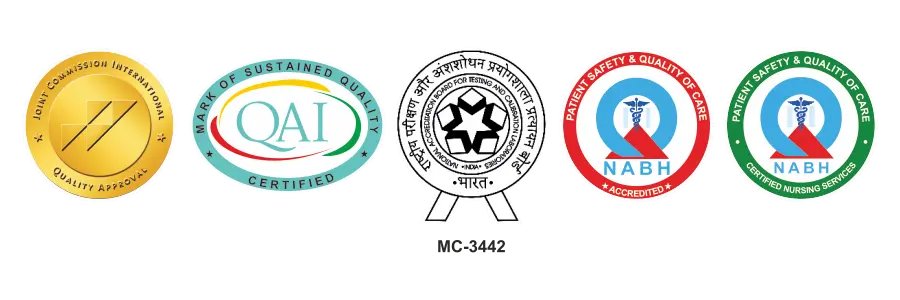
Continental Hospitals in Hyderabad offers all-round pediatric services with professional pediatricians, advanced medical facilities, and patient-centered treatment. The hospital has various awards and recognition from international and national healthcare organizations such as JCI, NABH, and QAI.

The parents can seek expert consultation from pediatric doctors for advice regarding childhood vaccination and the overall health of their child.

Conclusion

Are two drops enough to secure your child's future from polio? Yes, they can be because the polio drops are very important in the prevention of the infection caused by polio virus and avoiding the chances of becoming disabled due to polio.

Keep in mind that the process of prevention of polio begins with vaccination against it. Each recommended vaccine is important regardless of the good health status of your child.

If you want to get proper advice regarding your child's vaccination or other health issues, it will be better to visit our best pediatrician in Hyderabad at Continental Hospitals, Hyderabad.

Frequently Asked Questions

Polio drops are an oral vaccine given to children to protect them against poliovirus. They are also known as the Oral Polio Vaccine (OPV). The vaccine contains weakened poliovirus that helps the immune system develop protection. It is administered through the mouth in the form of drops. The vaccine helps the body recognize and fight poliovirus. It mainly strengthens immunity in the intestine, where poliovirus can multiply. This helps reduce the spread of the virus from person to person. Polio can cause serious illness and permanent paralysis. Young children are particularly vulnerable if they are not vaccinated. Two drops are the commonly used dose of oral polio vaccine. Children need repeated doses to develop and maintain strong protection. Parents should follow the recommended immunization schedule for their child's safety.
Two drops are the standard oral dose used in many polio vaccination programmes. The vaccine is given by mouth for easy administration. It contains weakened poliovirus that stimulates the child's immune system. These drops help the body develop protection against poliovirus. The vaccine primarily builds immunity in the intestine. This helps reduce the multiplication and spread of the virus. A single dose may not provide complete or lasting protection. Repeated doses help strengthen the child's immune response. Additional doses are recommended according to the national immunization schedule. The exact number and timing of doses depend on the child's age and vaccination history. Parents should not skip scheduled polio vaccinations. Regular immunization helps protect children and communities from polio.
Polio vaccination begins during infancy to protect children early in life. In India, the routine immunization schedule includes oral polio vaccine doses at birth and during early infancy. Additional doses are given according to the national immunization programme. The exact schedule may vary depending on the vaccine type and local recommendations. Pulse Polio campaigns also provide additional doses to eligible children. These campaign doses are given even if a child has received routine vaccinations. Repeated vaccination helps strengthen immunity against poliovirus. Parents should maintain their child's vaccination record. Missing a scheduled dose does not mean the child cannot receive further vaccination. A healthcare professional can guide parents about catch-up vaccination. Following the recommended schedule is important for long-term protection. Consult a pediatrician to confirm the appropriate vaccination dates.
Polio drops help protect children by stimulating their immune system against poliovirus. The oral vaccine contains weakened forms of the virus. After administration, it helps the body develop an immune response. The vaccine mainly creates protection in the intestine. This makes it harder for poliovirus to multiply and spread. It also helps reduce the risk of transmitting the virus to others. Poliovirus can affect the nervous system and cause permanent paralysis. Vaccination significantly reduces the risk of polio infection. Repeated doses help build stronger protection. The vaccine also contributes to community immunity. When more children are vaccinated, the spread of poliovirus becomes less likely. Completing the recommended vaccination schedule is essential for protection.
Oral polio vaccine is generally safe for eligible infants and children. It has been widely used in immunization programmes around the world. The vaccine contains weakened poliovirus that stimulates immunity. Most children do not experience serious side effects after vaccination. Some children may experience mild and temporary symptoms. Parents should inform the healthcare professional about their child's medical history. Children with certain immune system conditions may require special medical advice. The rare risk of vaccine-associated paralytic polio is also recognized with oral polio vaccine. Healthcare professionals consider individual medical circumstances before vaccination. Parents should follow the advice of their pediatrician. They should not delay routine immunization without medical guidance. Vaccination remains an important measure for preventing polio.
Polio vaccination provides strong protection against poliovirus. However, no vaccine offers complete protection after every single dose. A child who has received only one or two doses may not have developed sufficient immunity. This is why repeated doses are important. Completing the recommended vaccination schedule improves protection. Some children may need additional doses during Pulse Polio campaigns. These campaigns help strengthen community-level immunity. The risk of infection is much lower in fully vaccinated children. Parents should keep track of routine and supplementary vaccinations. They should not skip campaign doses because their child has already received routine vaccines. A pediatrician can review the child's vaccination history. Following immunization recommendations helps reduce the risk of polio.
Missing a polio vaccination dose does not mean a child has lost the opportunity for protection. Parents should contact a pediatrician or nearby vaccination centre. The healthcare professional can review the child's immunization record. They can recommend the appropriate catch-up vaccination schedule. Parents should avoid waiting until the next campaign to seek advice. Additional doses may be needed depending on the child's age and previous vaccinations. Routine vaccination should continue according to medical recommendations. Pulse Polio campaign doses may also be offered to eligible children. These additional doses are important even when routine vaccinations are up to date. Parents should maintain an updated vaccination card. Completing all recommended doses helps strengthen immunity. Timely vaccination protects children from preventable infectious diseases.
Pulse Polio is a supplementary immunization campaign designed to protect children against poliovirus. It aims to reach all eligible children within a targeted age group. During the campaign, children receive oral polio vaccine drops. These additional doses are given regardless of previous routine vaccination history. Repeated doses help strengthen intestinal immunity. They also help reduce the circulation of poliovirus in communities. High vaccination coverage is essential for preventing outbreaks. Pulse Polio campaigns support national and global efforts to eliminate polio. Parents should take their eligible children to vaccination centres during campaign days. Community participation helps protect children who may otherwise miss routine immunization. These campaigns are an important part of India's polio prevention efforts. Every eligible child receiving the vaccine contributes to a healthier community.
Disclaimer: The information provided in this blog is intended for general knowledge and informational purposes only, and does not constitute medical advice. Always consult with a qualified healthcare professional for any medical concerns or before making any decisions about your health.

Get in Touch With Us

Whether you are from India or abroad, we are here to help you with your medical queries. Please fill out the form below and our team will connect with you shortly.

  • ✔ Quick response from our medical experts
  • ✔ Secure data handling & privacy
  • ✔ Easy upload for reports & documents
banner_image

Chat with our medical experts on WhatsApp for quick assistance and hassle-free appointment booking

Recent Posts