post-title

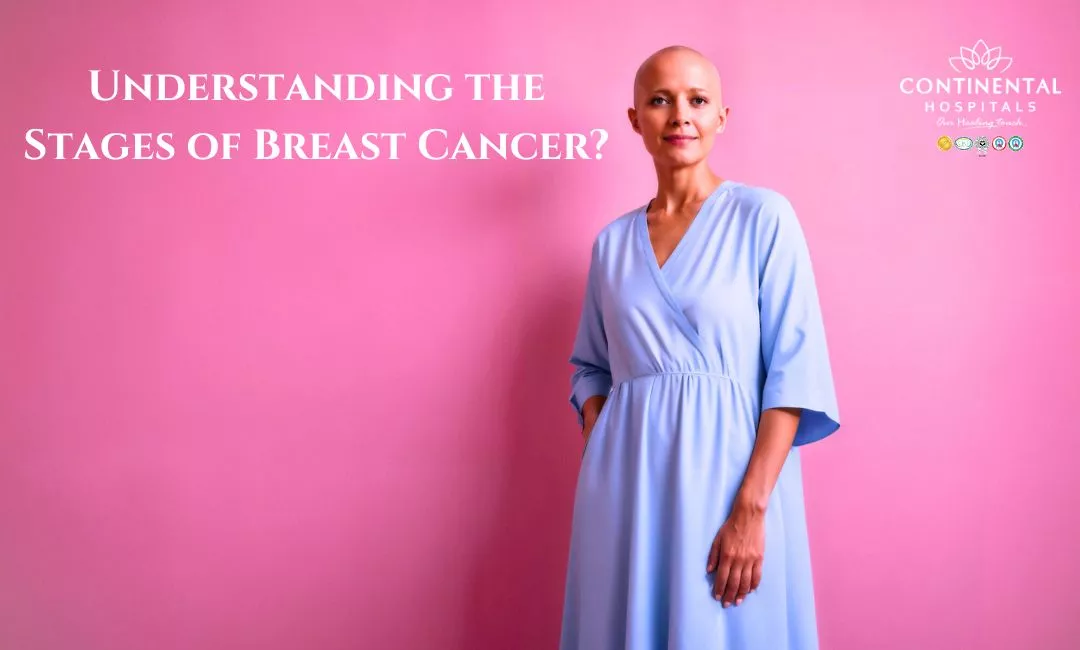
Understanding the Stages of Breast Cancer

Written by - Editorial Team
Medically Reviewed by - Dr Apoorva Kulkarni

Breast cancer is one of the most common cancers worldwide, affecting millions of women each year. Early detection and treatment are essential for improving outcomes, but understanding the stages of breast cancer can help individuals better grasp the severity and treatment options available. In this blog, we will break down the stages of breast cancer, discuss how these stages are determined, and provide insight into both worldwide and Indian statistics related to the disease.

How common is breast cancer worldwide and in India?

Globally, breast cancer is the most prevalent cancer among women. In 2020, there were over 2.3 million new cases of breast cancer diagnosed, accounting for 11.7% of all cancer cases. In fact, breast cancer has surpassed lung cancer as the most common cancer worldwide.

In India, breast cancer is also the most common cancer among women. According to the Indian Council of Medical Research (ICMR), breast cancer accounts for about 14% of all cancers in Indian women. An alarming statistic is that 1 in 28 women in India is likely to develop breast cancer during her lifetime. Due to various factors, including limited access to healthcare and late-stage diagnosis, Indian women often experience lower survival rates compared to women in more developed countries.

How Is the Stage of Breast Cancer Determined?

To determine the stage of breast cancer, doctors use a combination of physical exams, imaging tests, and biopsies. The most commonly used system to classify breast cancer stages is the TNM staging system, which stands for:

  • T (Tumor size): How large is the tumor, and has it grown into nearby areas?
  • N (Lymph nodes): Has the cancer spread to nearby lymph nodes, and if so, how many?
  • M (Metastasis): Has the cancer spread to other parts of the body?

Doctors also consider factors like the cancer’s grade (how abnormal the cells look under a microscope) and the presence of hormone receptors (ER, PR, HER2), which can influence the treatment options.

Stages of Breast Cancer?

Breast cancer stages are used to describe the extent to which the cancer has spread. The stage of breast cancer is determined by various factors, such as the size of the tumor, whether cancer cells have spread to nearby lymph nodes, and whether the cancer has metastasized (spread to other parts of the body).

There are five main stages of breast cancer, ranging from Stage 0 to Stage 4. Each stage reflects how advanced the cancer is and helps doctors decide on the most appropriate treatment plan.

Stage 0 – Non-Invasive Cancer (In Situ)

Stage 0 breast cancer refers to non-invasive cancer, also known as ductal carcinoma in situ (DCIS). In this stage, the cancer cells are still confined to the ducts of the breast and have not spread to surrounding tissues. Stage 0 is the earliest form of breast cancer, and with early detection, the chances of successful treatment are very high.

Treatment Options:

Second Opinion

  • Surgery (lumpectomy or mastectomy)
  • Radiation therapy
  • In some cases, hormone therapy may be recommended

Stage 1 – Early Stage Breast Cancer

Stage 1 breast cancer is invasive, meaning the cancer cells have started to invade nearby breast tissue, but the tumor is still small. This stage is further divided into Stage 1A and 1B:

Stage 1A: The tumor is 2 cm or smaller and has not spread to lymph nodes.
Stage 1B: There is no tumor in the breast, or the tumor is smaller than 2 cm, but small groups of cancer cells (0.2-2 mm) are found in lymph nodes.

Treatment Options:

  • Surgery (lumpectomy or mastectomy)
  • Radiation therapy
  • Chemotherapy
  • Hormone therapy or targeted therapy (if hormone receptors are present)

Stage 2 – Localized Breast Cancer

In Stage 2, the cancer is either larger than in Stage 1 or has spread to a few nearby lymph nodes but hasn’t spread to other parts of the body. This stage is also divided into two subcategories:

Stage 2A: The tumor is either smaller than 2 cm with cancer in 1-3 lymph nodes, or the tumor is between 2-5 cm without lymph node involvement.
Stage 2B: The tumor is between 2-5 cm and has spread to 1-3 lymph nodes, or the tumor is larger than 5 cm but hasn’t spread to lymph nodes.

Treatment Options:

  • Surgery (lumpectomy or mastectomy)
  • Chemotherapy, radiation therapy
  • Hormone therapy or targeted therapy

Stage 3 – Locally Advanced Breast Cancer

Stage 3 breast cancer is more advanced, where the tumor may be larger, and cancer may have spread to several nearby lymph nodes, but it hasn’t spread to distant organs. Stage 3 is categorized into three subtypes:

Need an Appointment?

Stage 3A: Tumor larger than 5 cm or smaller tumors with extensive lymph node involvement (4-9 nodes).
Stage 3B: Cancer has spread to the skin or chest wall.
Stage 3C: Cancer has spread to 10 or more lymph nodes, or nodes near the collarbone or internal mammary nodes (along the breastbone).

Treatment Options:

  • Surgery (mastectomy is more common)
  • Chemotherapy, radiation therapy
  • Hormone or targeted therapy
  • In some cases, clinical trials may be an option

Stage 4 – Metastatic Breast Cancer

Stage 4 breast cancer, also known as metastatic breast cancer, is the most advanced stage. At this point, cancer has spread beyond the breast and nearby lymph nodes to other parts of the body, such as the bones, liver, lungs, or brain. This stage is not curable, but treatment can help manage symptoms and prolong life.

How Can Breast Cancer Be Prevented?

Monthly self-breast exams: Know how your breasts normally feel and look.

Mammograms: Recommended for women over 40, especially if there is a family history of breast cancer.

Healthy lifestyle: Maintaining a balanced diet, exercising regularly, limiting alcohol consumption, and avoiding smoking can reduce the risk.

Conclusion

Understanding the stages of breast cancer helps in guiding treatment and improving survival rates. The earlier the cancer is detected, the better the chances of successful treatment and recovery. Stage determination is based on factors like tumor size, lymph node involvement, and metastasis, using the TNM system.

If you have concerns about your breast cancer risk, it's best to consult with a Best Breast Oncologist in Hyderabad who can assess your individual risk factors 

Related Blog Articles:

  1. Mammograms: What You Need to Know About Early Screening
  2. HPV Vaccine: A Powerful Tool in Preventing Cervical Cancer
  3. Hereditary Factors and Breast Cancer: When to Consider Genetic Testing

Frequently Asked Questions

Breast cancer is divided into stages from Stage 0 to Stage IV based on the size of the tumor, whether lymph nodes are involved, and whether the cancer has spread to other parts of the body. Stage 0 is a non invasive form where abnormal cells remain within the milk ducts. Stages I and II represent early breast cancer with limited spread. Stage III is considered locally advanced and may involve nearby tissues or multiple lymph nodes. Stage IV means the cancer has spread to distant organs such as the bones, lungs, liver, or brain. Staging helps doctors understand the extent of the disease and choose the most effective treatment plan. Early stage cancers generally have better outcomes than advanced stages. Regular screening and prompt medical attention improve the chances of early diagnosis and successful treatment.
Doctors determine the stage of breast cancer using a combination of physical examination, imaging tests, biopsy results, and laboratory findings. Mammograms, breast ultrasound, MRI scans, CT scans, PET scans, and bone scans may be used depending on the situation. The TNM staging system evaluates the size of the primary tumor, the involvement of nearby lymph nodes, and whether the cancer has spread to distant organs. Pathology reports also provide information about hormone receptor status, HER2 status, and tumor grade, which help guide treatment decisions. Accurate staging ensures that patients receive personalized care. It also helps estimate prognosis and allows doctors to monitor treatment effectiveness over time.
Stage 0 breast cancer is the earliest stage and is often called ductal carcinoma in situ or DCIS. In this stage, abnormal cells are found only inside the milk ducts and have not invaded surrounding breast tissue. Although Stage 0 is non invasive, it may develop into invasive breast cancer if left untreated. Treatment usually includes breast conserving surgery, mastectomy in selected cases, and sometimes radiation therapy. Hormone therapy may also be recommended for hormone receptor positive disease. The outlook for Stage 0 breast cancer is excellent when detected and treated early. Regular follow up is important to monitor breast health and reduce the risk of recurrence.
Early stage breast cancer may not always cause noticeable symptoms, which is why regular screening is so important. Some women may discover a painless lump in the breast or underarm. Other signs include changes in breast shape or size, nipple discharge, nipple inversion, skin dimpling, redness, or persistent breast pain. These symptoms do not always indicate cancer, but they should never be ignored. Early diagnosis significantly improves treatment success and survival rates. Anyone who notices unusual breast changes should consult a healthcare professional promptly for proper evaluation and testing.
Yes, many patients with Stage III breast cancer respond well to modern treatment approaches. Stage III cancer is considered locally advanced because it may involve larger tumors, nearby lymph nodes, or surrounding tissues without spreading to distant organs. Treatment often includes chemotherapy before surgery to shrink the tumor, followed by surgery, radiation therapy, and targeted or hormone therapy when appropriate. Advances in medical care have improved survival and quality of life for many patients. A multidisciplinary team creates a personalized treatment plan based on the cancer's characteristics and the patient's overall health. Regular follow up remains essential after treatment.
Stage IV breast cancer, also called metastatic breast cancer, means the disease has spread beyond the breast and nearby lymph nodes to distant organs such as the bones, liver, lungs, or brain. While it is generally not considered curable, it is often treatable for extended periods with modern therapies. Treatment focuses on controlling cancer growth, relieving symptoms, improving quality of life, and extending survival. Options may include chemotherapy, hormone therapy, targeted therapy, immunotherapy, radiation therapy, or surgery in selected situations. Regular monitoring allows doctors to adjust treatment based on how the cancer responds.
Yes, the stage of breast cancer is one of the most important factors in choosing treatment. Early stage cancers may be treated with surgery followed by radiation therapy and, when needed, hormone therapy or chemotherapy. More advanced stages often require a combination of chemotherapy, targeted therapy, surgery, radiation therapy, and immunotherapy depending on the tumor type. Doctors also consider hormone receptor status, HER2 status, tumor grade, age, overall health, and personal preferences when creating a treatment plan. Personalized treatment improves outcomes and helps minimize unnecessary side effects while providing the most effective care.
Yes, many breast cancers can be detected early through regular screening and awareness of breast changes. Mammography remains the most effective screening tool for many women and can identify cancer before symptoms appear. Women should also perform breast self awareness by becoming familiar with the normal appearance and feel of their breasts. Clinical breast examinations and timely medical evaluation of any unusual changes are equally important. Maintaining a healthy lifestyle and following recommended screening schedules based on age and risk factors can improve early detection. Early diagnosis often leads to simpler treatment, better outcomes, and higher survival rates.
Disclaimer: The information provided in this blog is intended for general knowledge and informational purposes only, and does not constitute medical advice. Always consult with a qualified healthcare professional for any medical concerns or before making any decisions about your health.

Get in Touch With Us

Whether you are from India or abroad, we are here to help you with your medical queries. Please fill out the form below and our team will connect with you shortly.

  • ✔ Quick response from our medical experts
  • ✔ Secure data handling & privacy
  • ✔ Easy upload for reports & documents
banner_image

Chat with our medical experts on WhatsApp for quick assistance and hassle-free appointment booking

Recent Posts