post-title

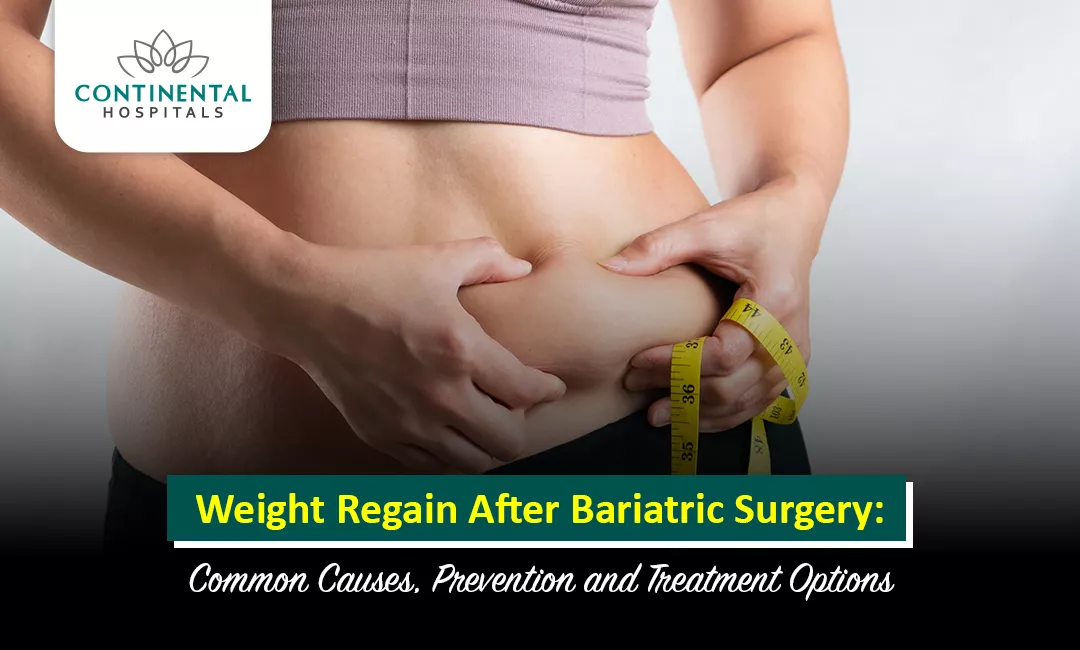
Weight Regain After Bariatric Surgery: Common Causes, Prevention and Treatment Options

Written by - Editorial Team
Medically Reviewed by - Dr Kesava Reddy Mannur

Bariatric surgery is a weight loss procedure that helps people manage obesity and improve health conditions such as type 2 diabetes, high blood pressure, and sleep apnoea. Procedures such as gastric bypass and sleeve gastrectomy reduce stomach capacity or change the digestive process, helping patients lose excess weight. However, some people may experience weight regain after bariatric surgery, even after achieving their initial weight loss goals.

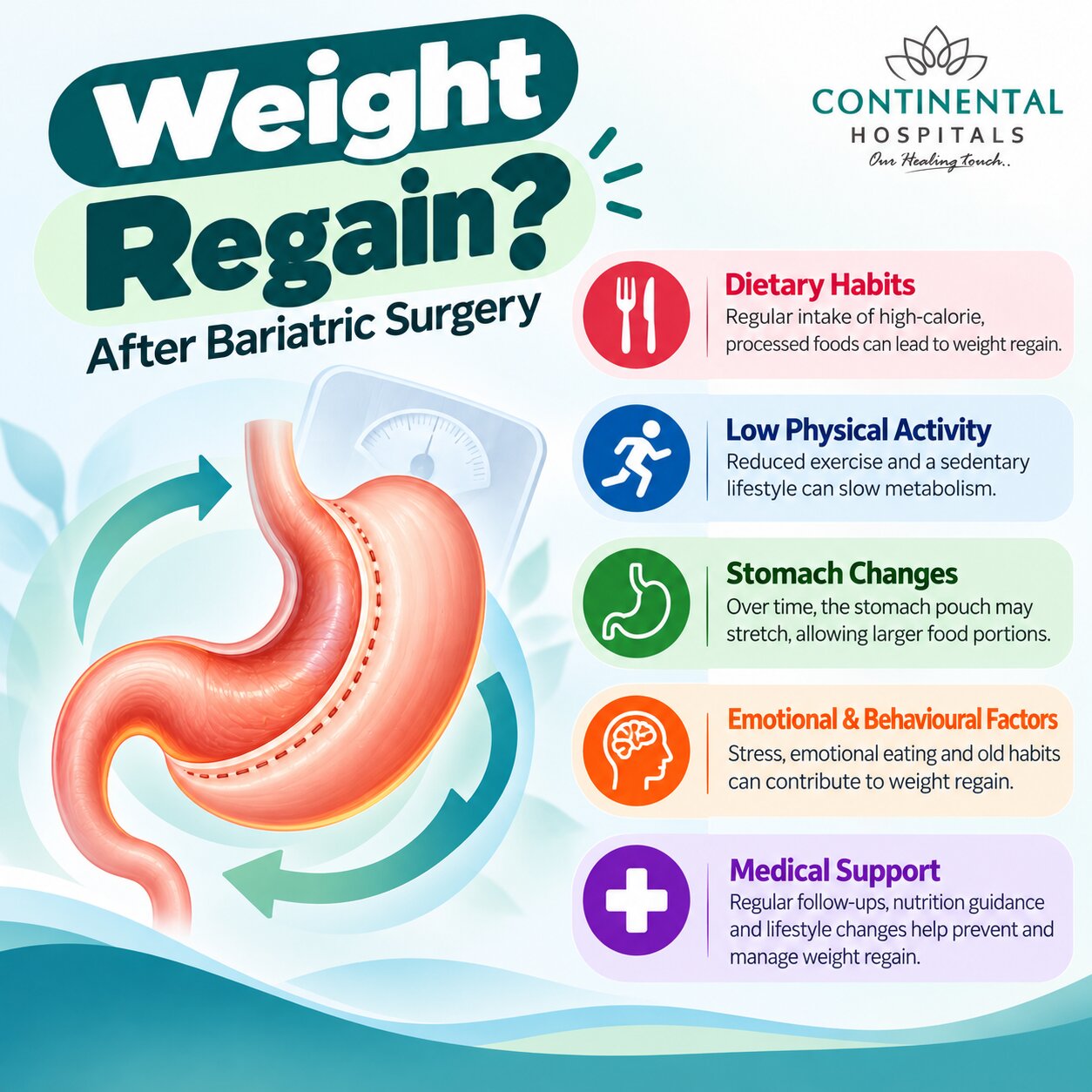
Why does weight gain after bariatric surgery happen? Weight regain can occur due to changes in eating habits, reduced physical activity, hormonal changes, emotional eating, or changes in the stomach and digestive system. It does not mean that the surgery has failed. With the right medical guidance, nutritional support, and lifestyle changes, weight regain can often be managed effectively.

What Are the Common Causes of Weight Regain After Bariatric Surgery?

Weight gain after bariatric surgery can happen for several reasons. Understanding these causes is the first step towards maintaining long-term weight loss.

  • Increased food portions: Gradually eating larger portions may increase daily calorie intake.
  • Frequent snacking: Regularly consuming high-calorie snacks, sweets, and processed foods can contribute to weight gain.
  • Liquid calories: Sugary drinks, fruit juices, and high-calorie beverages may add calories without making you feel full.
  • Reduced physical activity: Lack of regular exercise can reduce energy expenditure and affect weight management.
  • Emotional eating: Stress, anxiety, boredom, and emotional difficulties may lead to unhealthy eating patterns.
  • Hormonal changes: Changes in hunger and fullness signals can influence appetite over time.
  • Anatomical changes: In some patients, changes in stomach size or the connection between digestive organs may contribute to weight regain.

Identifying the underlying causes of weight regain helps doctors recommend suitable treatment.

Visit the Bariatric Surgery Department at Continental Hospitals, Hyderabad, for expert guidance on managing weight regain and maintaining long-term weight loss.

Is Weight Regain Normal After Gastric Bypass or Sleeve Gastrectomy?

Can weight return after gastric bypass or sleeve gastrectomy? Some weight fluctuation is common during long-term recovery. Patients may regain a portion of the weight they initially lost, but significant or continuous weight gain needs medical evaluation.

After bariatric surgery, the body gradually adapts to changes in digestion and appetite. Hunger may return over time, and eating habits may change. However, substantial weight regain should not be ignored because it may affect improvements in diabetes, blood pressure, and other obesity-related conditions.

Regular follow-up appointments help identify problems early and support long-term weight management.
Second Opinion

How Can You Prevent Weight Regain After Bariatric Surgery?

What can you do to maintain your weight loss after surgery? Following healthy habits and staying connected with your bariatric care team can make a significant difference.

Consider these practical steps:

  • Follow a balanced diet: Include protein-rich foods, vegetables, fruits, and other nutrient-dense foods as advised by your dietitian.
  • Control portion sizes: Eat smaller meals and follow your recommended post-surgery eating plan.
  • Prioritise protein: Include suitable sources of protein to support muscle health and fullness.
  • Stay physically active: Walking, strength training, and other suitable exercises can support weight management.
  • Drink enough water: Maintain hydration and avoid using sugary drinks to satisfy thirst.
  • Avoid frequent high-calorie snacks: Limit sweets, fried foods, and processed snacks.
  • Attend regular follow-ups: Keep appointments with your bariatric surgeon and dietitian.
  • Take prescribed supplements: Follow medical advice to prevent nutritional deficiencies after surgery.

These habits are important parts of long-term bariatric surgery weight management.

What Are the Treatment Options for Weight Regain?

Can weight regain treatment help you achieve your weight loss goals again? Yes. The treatment depends on how much weight has returned, your eating habits, medical history, and the type of bariatric surgery performed.

Available treatment options may include:

  • Nutritional counseling: A dietitian can review your eating habits and create a personalized meal plan.
  • Lifestyle modification: Structured exercise, portion control, and behavior changes can help improve weight management.
  • Medical treatment: In selected patients, doctors may prescribe weight management medicines after evaluating their health and surgical history.
  • Psychological support: Counselling may help address emotional eating, stress, and other behavioral challenges.
  • Endoscopic procedures: Certain minimally invasive procedures may be considered when anatomical changes contribute to weight regain.
  • Revision bariatric surgery: In selected cases, additional surgery may be recommended if other treatments are unsuccessful or an anatomical problem requires correction.

Not every patient needs another procedure. Treatment should always be based on an individual medical assessment.

When Should You Consult a Bariatric Specialist?

When should you seek medical advice for weight gain after bariatric surgery? Consult your bariatric team if you notice:

Need an Appointment?

  • Continuous or significant weight regain.
  • Increased hunger or difficulty controlling food portions.
  • Frequent snacking or emotional eating.
  • Return of obesity-related health problems.
  • Difficulty following your post-surgery diet.
  • Persistent digestive symptoms or difficulty eating.

Early evaluation can help identify the reasons for weight regain and prevent further complications.

Why Choose Continental Hospitals for Bariatric Care?

Why is specialist care important after bariatric surgery? Long-term weight management requires more than a surgical procedure. It involves regular monitoring, nutritional guidance, lifestyle support, and medical evaluation.

Continental Hospitals, Hyderabad, provides comprehensive obesity and bariatric care supported by experienced specialists, modern diagnostic facilities, and a multidisciplinary healthcare team. The hospital holds national and international healthcare accreditations, including National Accreditation Board for Hospitals and Healthcare Providers (NABH) and Joint Commission International (JCI), reflecting its commitment to quality healthcare and patient safety.

Patients experiencing weight regain after bariatric surgery can receive appropriate evaluation and individualized guidance to identify the underlying causes and explore suitable treatment options.

Conclusion

Weight regain after bariatric surgery can happen due to changes in eating habits, reduced physical activity, hormonal factors, or anatomical changes. However, it does not mean that your weight loss journey has ended. Following a balanced diet, staying active, attending regular follow-ups, and seeking timely medical advice can help you maintain healthier weight management.

If you suffer from significant weight regain after bariatric surgery or are finding it difficult to maintain your weight loss, consult our best bariatric surgeon in Hyderabad at Continental Hospitals, Hyderabad. The right medical guidance, nutritional support, and personalized treatment plan can help you work towards sustainable weight management and better long-term health.

Related Blogs:

  1. Life After Bariatric Surgery: Diet, Exercise, and Recovery
  2. Bariatric Surgery Types Explained: Which One Is Right for You

Frequently Asked Questions

Yes, some weight regain can happen after bariatric surgery. Most patients lose significant weight during the first 12 to 18 months after surgery. Weight loss may gradually slow down as the body adjusts. Some patients may regain a portion of their lost weight over time. This can happen due to changes in eating habits and physical activity. Hormonal and metabolic adaptations may also contribute. Reduced follow-up with healthcare professionals can affect long-term weight management. Weight regain does not mean that the surgery has failed. It is important to identify the underlying reasons early. Regular monitoring can help detect changes in weight patterns. A bariatric specialist can evaluate your nutritional and medical health. Lifestyle changes and appropriate treatment may help manage weight regain. Early intervention can support better long-term results.
Weight regain after bariatric surgery can happen for several reasons. Gradually increasing portion sizes may contribute to weight gain. Frequent consumption of high-calorie foods can reduce the benefits of surgery. Sugary beverages and frequent snacking may also increase calorie intake. Eating beyond fullness can affect long-term weight management. Physical inactivity may contribute to gradual weight gain. Changes in hunger hormones and metabolism can also play a role. Emotional eating and stress may influence food choices. Some patients may experience changes in stomach capacity or anatomy. Certain medications and medical conditions can also affect body weight. Skipping follow-up appointments may delay identification of these problems. A bariatric specialist can assess the possible causes. Understanding the reason is the first step towards effective treatment.
Some weight regain after bariatric surgery can occur over time. It is important to understand that individual weight-loss results vary. Many patients experience their greatest weight loss during the first year or two. The body gradually adapts to changes in digestion and metabolism. Small weight fluctuations may not indicate a serious problem. However, significant or continuous weight gain needs medical attention. Changes in eating habits can influence weight patterns. Reduced physical activity may also contribute. Hormonal changes and underlying medical conditions should be considered. Weight regain should not be ignored or treated as a personal failure. Regular follow-up helps identify concerns early. A bariatric care team can assess your progress and nutritional needs. Appropriate lifestyle or medical interventions can help restore weight management.
Preventing weight regain requires consistent lifestyle habits after bariatric surgery. Follow the dietary recommendations provided by your bariatric team. Eat balanced meals with adequate protein and essential nutrients. Control portion sizes and eat slowly. Avoid frequent consumption of sugary drinks and highly processed foods. Include vegetables, fruits and fibre-rich foods as advised. Stay physically active according to your health and fitness level. Include regular walking and suitable exercises in your routine. Drink sufficient water throughout the day. Avoid skipping recommended nutritional supplements. Attend regular follow-up appointments with your healthcare team. Monitor your weight and discuss unusual changes early. Seek support for emotional eating or stress-related eating habits. Consistency is important for maintaining long-term weight-loss results.
Changes in stomach capacity can occur after bariatric surgery. The stomach or remaining gastric pouch may gradually accommodate food differently over time. This does not always mean that the stomach has permanently stretched. Regularly eating beyond fullness may contribute to changes in eating patterns and tolerance. Some patients may notice that they can eat larger portions than before. However, stomach stretching is not the only cause of weight regain. Dietary habits, physical activity and metabolic changes also matter. Certain surgical procedures may have anatomical changes that require evaluation. A specialist may recommend imaging or an endoscopic assessment when necessary. Avoid trying to restrict food excessively on your own. Follow the portion sizes recommended by your dietitian. Contact your bariatric surgeon if you notice significant changes in appetite or food tolerance. Early evaluation can help identify suitable management options.
Yes, weight regain after bariatric surgery can often be managed with appropriate treatment. The first step is identifying the underlying cause. Your doctor may review your eating habits and physical activity. Nutritional assessments can help identify deficiencies or dietary concerns. A bariatric dietitian can create a personalised meal plan. Behavioural counselling may help address emotional eating and unhealthy patterns. Regular physical activity can support weight management. In selected patients, doctors may consider weight-management medications. If anatomical changes are identified, endoscopic procedures may be discussed. Revision bariatric surgery may be considered in carefully selected cases. Not every patient requires another procedure. Treatment depends on the original surgery and overall health. Regular follow-up helps monitor progress and adjust the treatment plan.
Revision bariatric surgery may be considered for selected patients with significant weight regain. It may also be recommended when complications or anatomical changes affect the original procedure. However, not everyone who regains weight needs another surgery. Your doctor will first evaluate your weight history and previous treatment. Nutritional habits and lifestyle factors will also be reviewed. Medical conditions affecting weight may need investigation. Imaging or endoscopy may be recommended to assess surgical anatomy. Your overall health and surgical fitness are important considerations. Non-surgical options may be suitable for some patients. These can include dietary counselling and medically supervised weight management. Revision procedures have potential risks and require careful evaluation. Your bariatric surgeon will explain the expected benefits and limitations. The final decision should be based on an individual medical assessment.
You should consult a bariatric specialist if you notice continuous weight gain after surgery. A gradual increase in weight over several months deserves attention. Seek advice if you frequently feel hungry between meals. Difficulty controlling portion sizes may also indicate a concern. Returning to previous eating habits can affect weight management. Nutritional deficiencies should be evaluated during regular follow-up visits. Persistent vomiting, abdominal pain or difficulty swallowing also requires medical assessment. Do not wait until significant weight regain occurs. Your doctor may review your dietary habits and medical history. Blood tests or other investigations may be recommended. A dietitian can help improve your nutritional routine. Early treatment may prevent further weight gain. Regular follow-up supports long-term health after bariatric surgery.
Bariatric surgery can provide long-term weight-loss benefits for many patients. However, the results depend on several factors. Following recommended dietary habits is important after surgery. Regular physical activity supports weight maintenance. Adequate protein intake helps preserve muscle mass. Taking prescribed nutritional supplements helps prevent deficiencies. Regular medical follow-up allows doctors to monitor your progress. Some patients may experience partial weight regain over time. This does not automatically mean that the surgery has stopped working. Hormonal changes and lifestyle factors can influence long-term outcomes. Emotional well-being also plays an important role in maintaining healthy habits. Seek professional guidance if your weight begins increasing consistently. Additional medical or procedural treatments may be considered when appropriate. Long-term commitment and continued bariatric support are essential for maintaining results.
Disclaimer: The information provided in this blog is intended for general knowledge and informational purposes only, and does not constitute medical advice. Always consult with a qualified healthcare professional for any medical concerns or before making any decisions about your health.

Get in Touch With Us

Whether you are from India or abroad, we are here to help you with your medical queries. Please fill out the form below and our team will connect with you shortly.

  • ✔ Quick response from our medical experts
  • ✔ Secure data handling & privacy
  • ✔ Easy upload for reports & documents
banner_image

Chat with our medical experts on WhatsApp for quick assistance and hassle-free appointment booking

Recent Posts