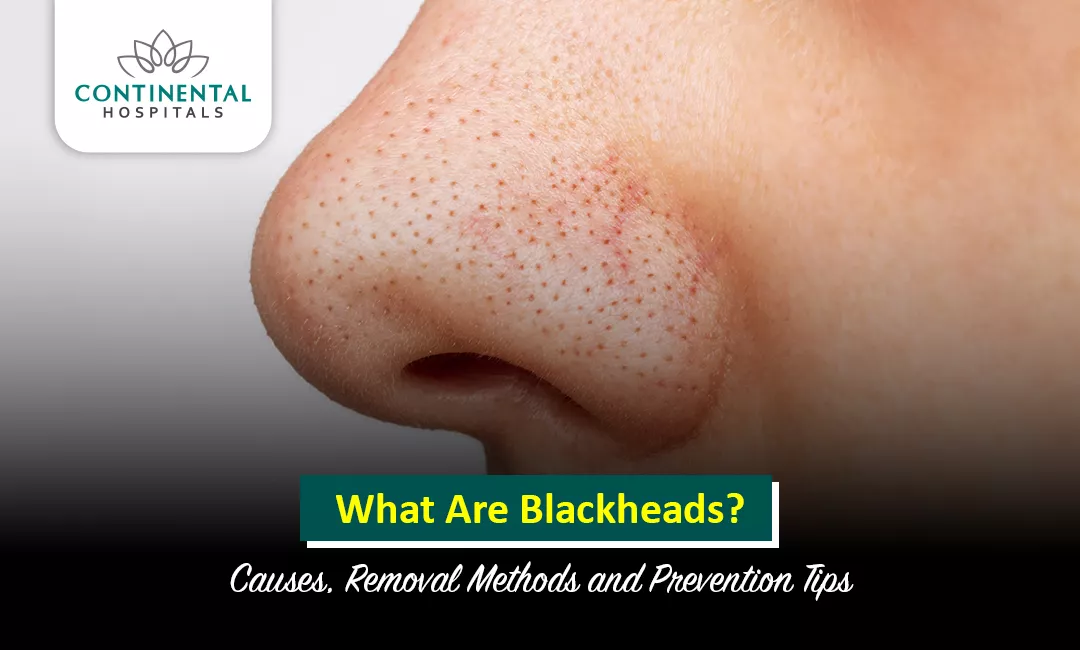
Blackheads are small, dark spots that commonly appear on the nose, forehead, chin, and other parts of the face. They are a type of acne that develops when hair follicles become clogged with oil and dead skin cells. Unlike whiteheads, blackheads remain open at the skin's surface, allowing the trapped material to react with air and turn dark. They are common and usually do not cause pain or serious skin problems.
Understanding blackhead causes, removal methods, and prevention tips can help you maintain healthy skin. Although blackheads on the nose and face can be frustrating, squeezing them or using harsh products may irritate the skin. A gentle skincare routine, suitable products, and professional advice when needed can help manage blackheads and reduce their recurrence.
What Causes Blackheads?
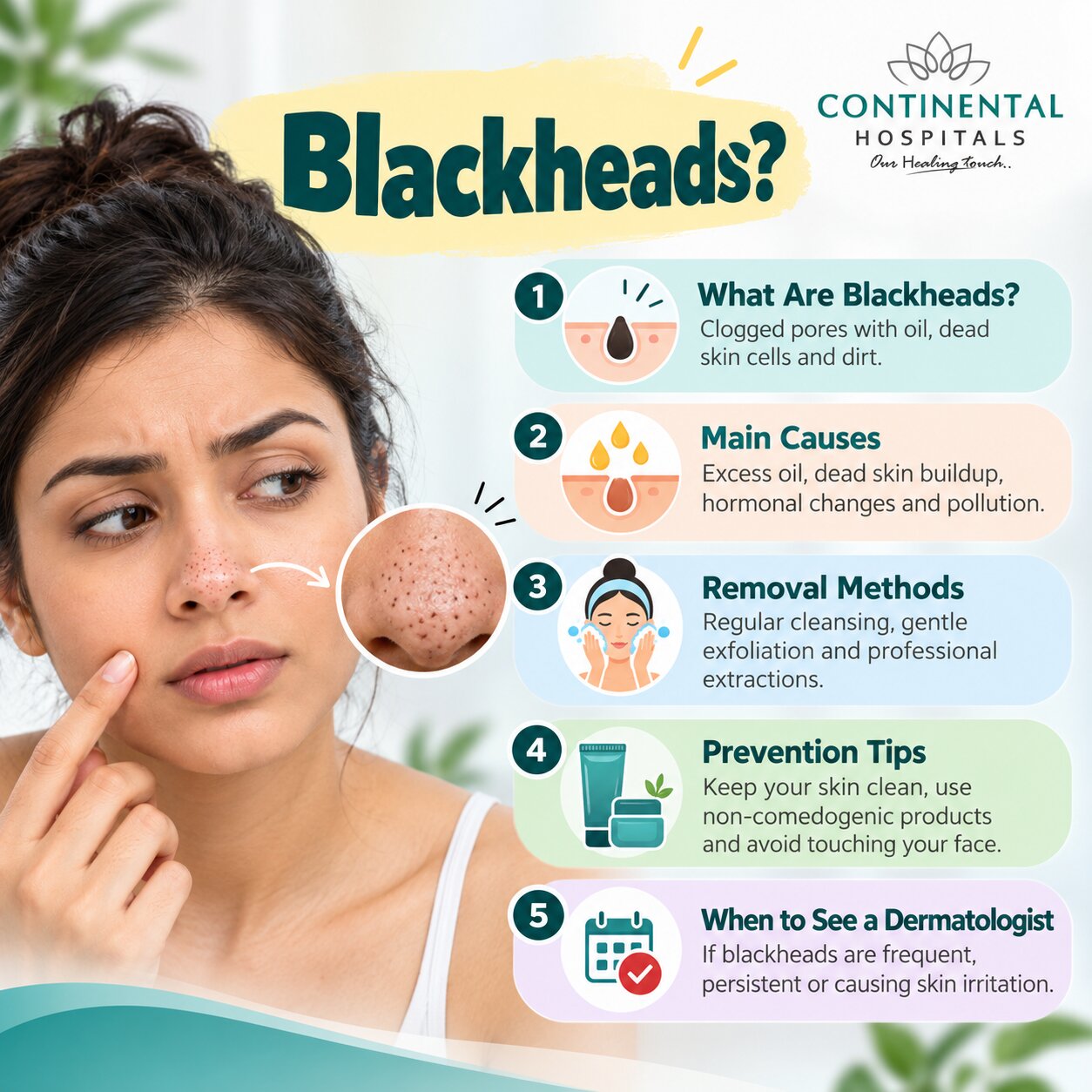
What causes blackheads to develop? Blackheads form when excess oil and dead skin cells collect inside hair follicles. Several factors can increase the likelihood of clogged pores.
Common blackheads causes include:
- Excess oil production: Naturally oily skin can produce more sebum, increasing the chance of blocked pores.
- Dead skin cells: When dead skin cells build up, they can mix with oil and clog hair follicles.
- Hormonal changes: Puberty, menstruation, and other hormonal changes may increase oil production.
- Certain skincare products: Heavy or pore-clogging products may contribute to blackheads in some people.
- Sweat and environmental dirt: Sweat, pollution, and residue can affect the skin, especially when cleansing is inadequate.
- Genetics: Your family history and natural skin type may influence your tendency to develop blackheads.
Blackheads are not caused simply by poor hygiene. Scrubbing your face too often can damage the skin barrier and make irritation worse.
Visit the Dermatology Department at Continental Hospitals, Hyderabad, for expert skin care, accurate diagnosis, and personalized treatment.
Where Do Blackheads Commonly Appear?
Why are blackheads on the nose so common? The nose contains many oil-producing glands, which can make this area more prone to clogged pores. However, blackheads can develop in other areas too.
Common locations include:
- Nose: Excess oil can collect around the nose and its creases.
- Forehead: Oil and sweat may contribute to clogged pores.
- Chin: Hormonal changes can affect oil production in this area.
- Cheeks: Skincare products and excess oil may contribute to blocked follicles.
- Back and chest: These areas also contain oil glands and may develop blackheads.
How Can You Remove Blackheads Safely?
How to remove blackheads without damaging your skin? The best approach is to use suitable skincare products consistently rather than squeezing or scraping the affected areas.

Effective blackhead removal methods include:
- Use a gentle cleanser: Wash your face with a mild cleanser to remove excess oil, sweat, and residue.
- Try salicylic acid: This ingredient helps clear clogged pores by exfoliating inside the hair follicles. Start with a suitable, low-strength product and follow its instructions.
- Consider a topical retinoid: products such as adapalene can help prevent clogged pores. They may cause dryness or irritation, so introduce them carefully with medical guidance.
- Choose non-comedogenic products: Look for moisturizers, sunscreens, and makeup labelled non-comedogenic, meaning they are designed to be less likely to clog pores.
- Seek professional extraction: A dermatologist can remove stubborn blackheads using appropriate techniques while reducing the risk of skin injury.
Avoid squeezing blackheads with your fingernails, using sharp tools, or applying harsh scrubs. These methods can cause inflammation, infection, and scarring.
What Are the Best Blackhead Prevention Tips?
Can blackheads be prevented? Although they cannot always be avoided completely, simple habits can help reduce clogged pores and keep your skin healthy.
Follow these blackheads prevention tips:
- Cleanse your face gently in the morning and evening.
- Remove makeup before going to bed.
- Use non-comedogenic skincare and sunscreen.
- Avoid excessive scrubbing and frequent washing.
- Wash after heavy sweating.
- Keep hands away from your face as much as possible.
- Introduce new skincare products gradually.
- Moisturise regularly, even if you have oily skin.
Consistency is important. Blackhead treatment may take several weeks to show noticeable improvement, so avoid changing products too frequently.
When Should You Consult a Dermatologist?
When do blackheads require professional treatment? Consider consulting a dermatologist if blackheads persist despite regular skincare, become inflamed, or occur alongside painful acne.
A dermatologist can assess your skin type, identify other forms of acne, and recommend an appropriate treatment plan. Prescription treatments or professional procedures may be considered when necessary.
If you are pregnant or planning pregnancy, consult your doctor before using acne treatments, particularly topical retinoids, which should be avoided during pregnancy.
Why Choose Continental Hospitals for Skin Care?
Why is professional dermatology care important for persistent blackheads? Different skin types respond differently to skincare ingredients, and an incorrect treatment may cause dryness, irritation, or worsening acne.
Continental Hospitals, Hyderabad, offers comprehensive medical care supported by experienced specialists, modern diagnostic facilities, and multidisciplinary expertise. The hospital holds national and international healthcare accreditations, including National Accreditation Board for Hospitals and Healthcare Providers (NABH) and Joint Commission International (JCI), reflecting its commitment to established quality standards and patient safety.
Patients concerned about blackheads, acne, or other skin problems can seek an appropriate medical evaluation and receive guidance on suitable skincare and treatment options based on their individual needs.
Conclusion
Blackheads develop when oil and dead skin cells clog hair follicles, often affecting the nose, forehead, and chin. Gentle cleansing, suitable skincare products, and consistent blackhead prevention tips can help reduce their appearance. Avoid squeezing blackheads or using harsh removal methods, as these can damage your skin.
If you suffer from persistent blackheads, recurring acne, or skin irritation, consult our best dermatologist in Hyderabad at Continental Hospitals, Hyderabad, for professional advice and personalized treatment. Early guidance can help you manage clogged pores safely and maintain healthier skin.