post-title

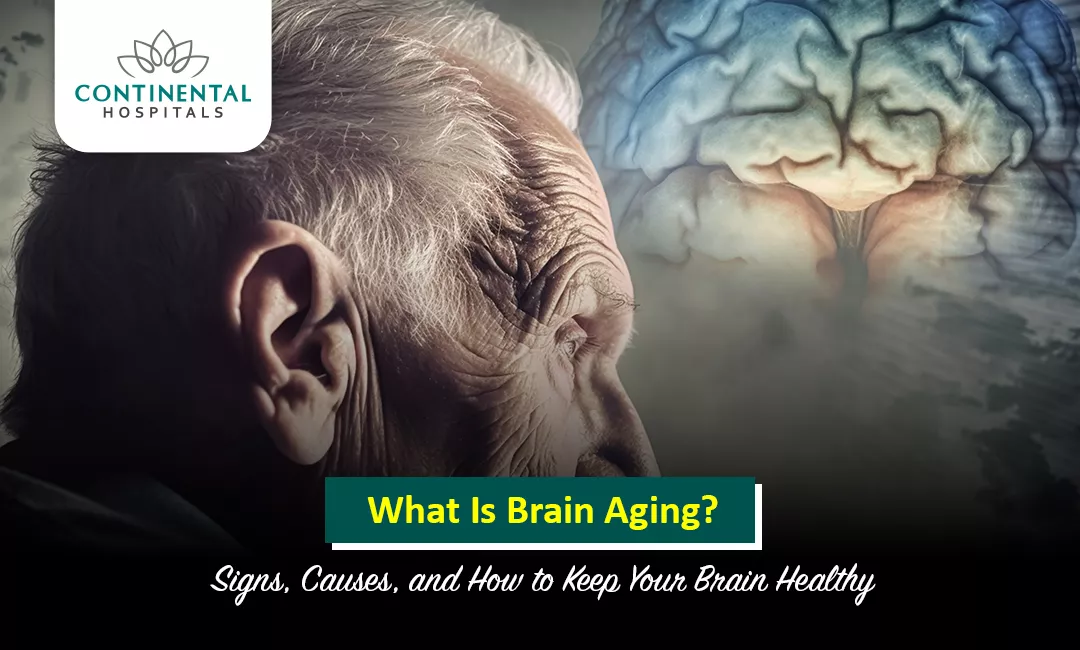
What Is Brain Aging? Signs, Causes, and How to Keep Your Brain Healthy

Written by - Editorial Team
Medically Reviewed by - Dr M K Singh

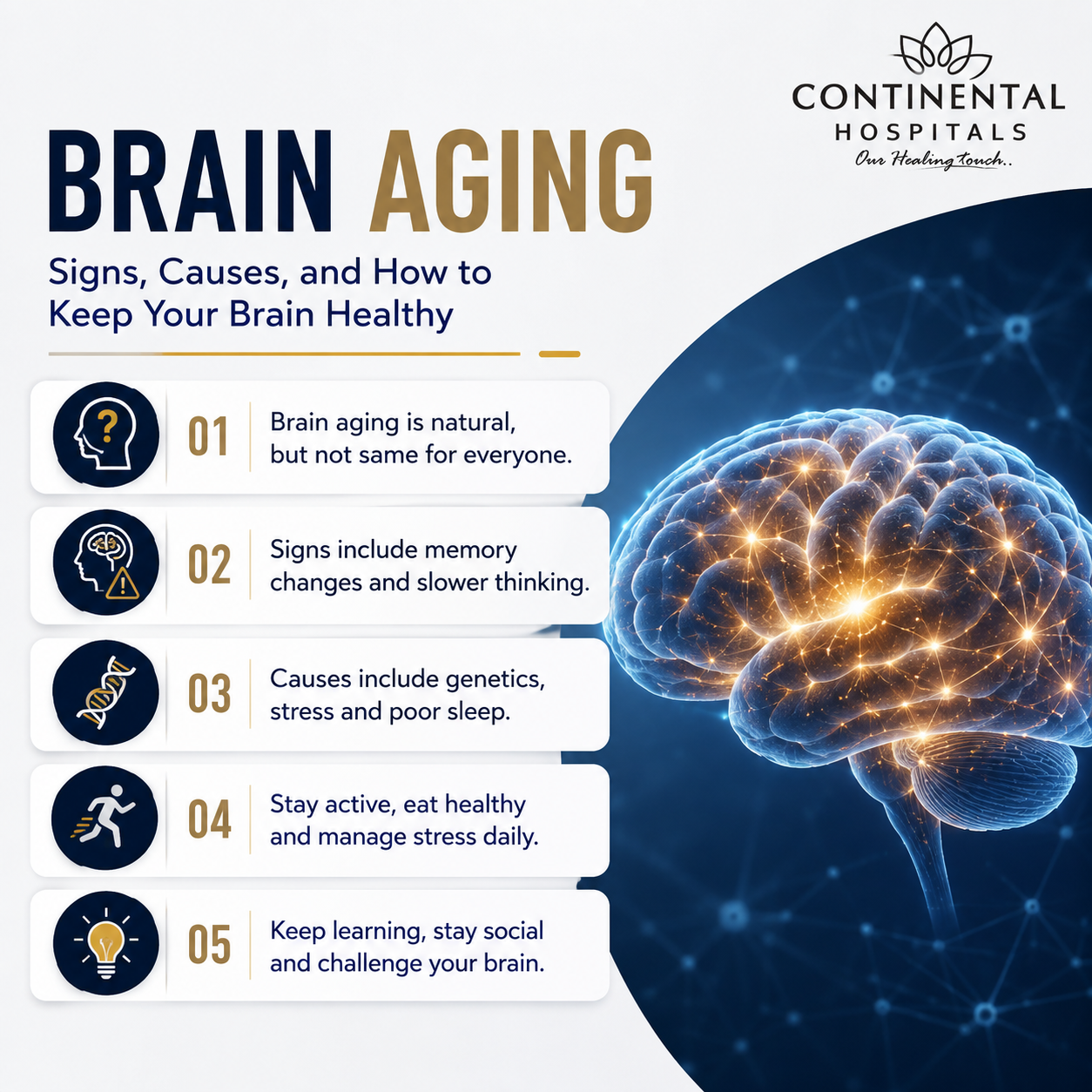
Your brain changes naturally as you grow older. This process is known as Brain Aging. While some changes are a normal part of life, healthy habits can help keep your brain active, sharp, and functioning well for many years. Understanding brain aging helps you recognize early signs, reduce risk factors, and take the right steps to protect your cognitive health.

Many people worry that memory loss is an unavoidable part of getting older. The truth is that healthy brain aging is possible. By maintaining a healthy lifestyle, managing medical conditions, and seeking medical advice when needed, you can support your brain health and lower the risk of serious neurological disorders. Knowing the causes, symptoms, and prevention strategies is the first step toward a healthier future.

What Is Brain Aging?

Brain Aging refers to the natural changes that occur in the brain over time. As we age, certain brain cells may function more slowly, communication between nerve cells may become less efficient, and blood flow to the brain can gradually decrease.

These changes do not always lead to disease. Many people continue to live active, independent lives with excellent cognitive health. However, unhealthy lifestyle habits and medical conditions can speed up brain aging and increase the risk of memory problems and dementia.

Visit the best neuro doctor hyderabad to receive advanced, compassionate care for conditions affecting the brain, spine, nerves, and muscles.

What Are the Early Signs of Brain Aging?

Some mild changes are considered normal with age. However, persistent symptoms should not be ignored.

Common signs include:

  • Forgetting names or appointments occasionally
  • Taking longer to learn new information
  • Slower thinking or reaction time
  • Difficulty concentrating for long periods
  • Trouble multitasking
  • Frequently misplacing everyday items
  • Finding it harder to remember recent conversations
  • Mild difficulty finding the right words during conversations

If these symptoms become frequent or interfere with daily life, it is important to consult a neurologist.
Second Opinion

What Causes Brain Aging?

Several factors influence brain aging. Some cannot be changed, while many are under your control.

Age

Growing older naturally affects brain structure and function.

Genetics

Family history may increase the risk of certain neurological conditions.

High Blood Pressure

Poorly controlled blood pressure damages blood vessels that supply the brain.

Need an Appointment?

Diabetes

High blood sugar levels can affect brain cells and reduce brain health.

High Cholesterol

Blocked blood vessels reduce oxygen and nutrient supply to the brain.

Smoking

Smoking damages blood vessels and speeds up brain aging.

Excessive Alcohol Consumption

Long-term alcohol use can impair memory and cognitive function.

Lack of Physical Activity

Regular exercise supports blood flow and promotes a healthy brain.

Poor Sleep

Quality sleep helps the brain remove waste products and strengthen memory.

Stress and Depression

Long-term stress affects brain function and emotional well-being.

Which Lifestyle Habits Support Healthy Brain Aging?

Small daily habits can make a big difference.

Stay Physically Active

Exercise improves blood circulation and supports brain cell health.

Eat a Balanced Diet

Choose fruits, vegetables, whole grains, nuts, fish, and healthy fats that nourish the brain.

Keep Your Mind Active

Read books, solve puzzles, learn new skills, or play memory games to improve cognitive health.

Sleep Well

Aim for seven to eight hours of restful sleep every night.

Stay Socially Connected

Meaningful conversations and social activities stimulate the brain.

Manage Chronic Diseases

Control diabetes, hypertension, and cholesterol with regular medical care.

Avoid Smoking and Limit Alcohol

Healthy lifestyle choices protect your brain from unnecessary damage.

Which Foods Help Keep the Brain Healthy?

A nutritious diet plays an important role in healthy brain aging.

Include:

  • Green leafy vegetables
  • Berries
  • Walnuts and almonds
  • Fatty fish rich in omega-3 fatty acids
  • Eggs
  • Whole grains
  • Olive oil
  • Beans and lentils
  • Seeds
  • Fresh fruits

Drink enough water throughout the day to stay hydrated.

Can Brain Aging Be Prevented?

No one can completely stop brain aging, but it is possible to slow its progression.

Healthy habits can reduce the risk of memory decline and support long-term brain health. Early management of medical conditions, regular exercise, mental stimulation, and balanced nutrition all contribute to a healthier aging brain.

When Should You See a Doctor?

Seek medical attention if you notice:

  • Memory loss affecting daily activities
  • Difficulty recognizing familiar people or places
  • Frequent confusion
  • Personality or behaviour changes
  • Trouble speaking or understanding language
  • Difficulty performing routine tasks
  • Sudden weakness or numbness
  • Problems with balance or coordination

Early diagnosis allows timely treatment and better llong-termoutcomes.

How Is Brain Aging Evaluated?

Doctors may recommend several assessments to understand your brain function.

These may include:

  • Medical history review
  • Physical examination
  • Neurological examination
  • Memory and cognitive tests
  • Blood investigations
  • Brain imaging such as MRI or CT scan when necessary

These evaluations help identify treatable conditions that may affect brain health.

Simple Tips for a Healthy Brain

Follow these healthy habits every day:

  • Exercise for at least thirty minutes most days.
  • Eat a balanced and nutritious diet.
  • Sleep well every night.
  • Stay mentally active.
  • Read, write, or learn something new regularly.
  • Keep blood pressure and diabetes under control.
  • Avoid smoking.
  • Limit alcohol intake.
  • Stay socially connected.
  • Schedule regular health checkups.

Why Choose Continental Hospitals for Brain Health?

Continental Hospitals is recognized as one of the best hospitals in Hyderabad for comprehensive neurological care. Our experienced neurologists, neurosurgeons, neurophysicians, rehabilitation specialists, and advanced diagnostic teams work together to provide accurate diagnoses and personalized treatment plans.

The hospital is equipped with advanced imaging technology, modern neurodiagnostic facilities, and comprehensive rehabilitation services to support patients at every stage of care. Continental Hospitals is accredited by JCI, NABH, and QAI, reflecting our commitment to international standards of patient safety, clinical excellence, and quality healthcare.

Whether you need preventive brain health screening, evaluation for memory problems, or treatment for neurological disorders, our multidisciplinary team is dedicated to helping you achieve better long-term brain health.

When Should You Consult a Neurologist?

Are you experiencing frequent memory loss? Are you finding it difficult to concentrate? Have your family members noticed changes in your thinking or behavior?

Do not ignore these symptoms. Early evaluation can make a significant difference in protecting your cognitive health.

Consult our best neurologist in Hyderabad at Continental Hospitals for a comprehensive assessment, early diagnosis, and personalized treatment plan to support lifelong brain wellness.

Conclusion

Brain aging is a natural process, but it does not have to limit your quality of life. With healthy eating, regular exercise, quality sleep, mental stimulation, and proper medical care, you can maintain a healthy brain and preserve your cognitive health for years to come. Recognizing early warning signs and seeking timely medical advice can help prevent complications and improve overall well-being. Prioritize your brain health today because a healthy brain is the foundation of a healthier, happier future.

Related Blogs:

  1. Brain Surgery Today: Safer Than Most People Think?
  2. Brain Stroke Early Symptoms Everyone Should Know
  3. Brain Fog: Causes, Symptoms, and Solutions

Frequently Asked Questions

Brain aging is the natural process of changes that occur in the brain as a person grows older. These changes may affect memory, learning, attention, and processing speed over time. Healthy brain aging is different from diseases such as Alzheimer's disease or other forms of dementia. While occasional forgetfulness can be a normal part of aging, severe memory loss or confusion is not. The brain continues to adapt and form new connections throughout life, especially when it is stimulated with learning and healthy habits. Factors such as regular exercise, good nutrition, quality sleep, and social interaction help support brain health. Managing blood pressure, diabetes, and cholesterol also protects the brain from damage. Understanding brain aging allows people to take preventive steps early. Regular health checkups and a healthy lifestyle can help maintain brain function and improve quality of life as people age.
Early signs of brain aging may include occasional forgetfulness, taking longer to recall names, or needing more time to learn new information. Some people notice reduced concentration, slower thinking, or difficulty multitasking. Mild changes in attention or problem-solving abilities can also occur with age. These changes are usually gradual and do not interfere significantly with daily life. However, frequent confusion, getting lost in familiar places, or forgetting important events should not be considered normal aging. Mood changes, difficulty finding words, or reduced decision-making abilities may also require medical evaluation. Recognizing these warning signs early helps identify whether the changes are part of healthy aging or a neurological condition. Early diagnosis allows timely treatment and lifestyle changes that can help preserve brain function.
Several lifestyle and medical factors can accelerate brain aging. High blood pressure, diabetes, obesity, smoking, excessive alcohol consumption, and high cholesterol reduce healthy blood flow to the brain. Chronic stress and poor-quality sleep also affect memory and concentration over time. Physical inactivity and an unhealthy diet lacking essential nutrients may increase inflammation and oxidative stress, contributing to faster brain aging. Repeated head injuries and untreated depression can also negatively affect brain health. Social isolation and lack of mental stimulation reduce opportunities for the brain to build new connections. Although genetics play a role, many risk factors are preventable. Adopting healthy daily habits can significantly slow brain aging and improve long-term cognitive health.
Yes, many healthy lifestyle habits can help slow brain aging naturally. Regular physical activity improves blood circulation to the brain and supports the growth of healthy brain cells. A balanced diet rich in fruits, vegetables, whole grains, nuts, fish, and healthy fats provides nutrients that protect brain tissue. Getting seven to eight hours of quality sleep each night allows the brain to repair and remove waste products. Staying mentally active through reading, puzzles, learning new skills, or hobbies keeps the brain engaged. Social interaction also supports emotional well-being and cognitive function. Managing stress with meditation, yoga, or relaxation techniques benefits overall brain health. Controlling chronic conditions such as diabetes and hypertension further reduces the risk of cognitive decline.
A healthy diet plays an important role in supporting brain function throughout life. Fatty fish such as salmon provide omega-3 fatty acids that support brain cell health. Leafy green vegetables contain vitamins and antioxidants that help protect the brain from damage. Berries, walnuts, almonds, seeds, and olive oil contain nutrients linked to better cognitive performance. Whole grains provide steady energy for the brain, while eggs supply important nutrients like choline. Limiting processed foods, sugary drinks, and excessive saturated fats may reduce inflammation that affects brain health. Staying hydrated is equally important for maintaining concentration and memory. Combining nutritious foods with regular exercise offers the greatest benefits for healthy brain aging.
Sleep is essential for maintaining healthy brain function at every stage of life. During sleep, the brain strengthens memories, repairs cells, and clears waste products that accumulate throughout the day. Poor sleep quality or insufficient sleep may lead to memory problems, reduced concentration, slower thinking, and mood changes. Long-term sleep deprivation has been associated with an increased risk of cognitive decline and dementia. Conditions such as sleep apnea can reduce oxygen supply to the brain and should be treated promptly. Maintaining a regular sleep schedule, reducing screen time before bed, and creating a comfortable sleeping environment improve sleep quality. Good sleep habits are one of the simplest and most effective ways to support healthy brain aging.
You should consult a doctor if memory problems become frequent, worsen over time, or interfere with daily activities. Warning signs include repeatedly forgetting important appointments, becoming confused in familiar places, difficulty following conversations, or struggling with simple tasks. Personality changes, poor judgment, or trouble finding common words may also require medical attention. Family members often notice these changes before the individual does. Early evaluation helps identify whether symptoms are caused by vitamin deficiencies, thyroid disorders, depression, medication side effects, or neurological diseases. Timely diagnosis allows treatment and lifestyle changes that may slow disease progression. Never ignore persistent cognitive changes, especially if they affect work, relationships, or independence.
Continental Hospitals provides comprehensive care for patients experiencing memory problems, cognitive decline, and neurological disorders. Our experienced neurologists use advanced diagnostic technology to accurately evaluate brain health and identify the underlying cause of symptoms. The hospital offers personalized treatment plans based on each patient's medical condition, age, and lifestyle. A multidisciplinary team works together to provide expert care, rehabilitation, and long-term support when needed. Patients benefit from evidence-based treatments, compassionate care, and modern medical infrastructure. Preventive health screenings and early intervention programs help detect neurological conditions before complications develop. With a strong focus on patient safety and clinical excellence, Continental Hospitals is committed to helping people maintain healthy brains and better quality of life.
Disclaimer: The information provided in this blog is intended for general knowledge and informational purposes only, and does not constitute medical advice. Always consult with a qualified healthcare professional for any medical concerns or before making any decisions about your health.

Get in Touch With Us

Whether you are from India or abroad, we are here to help you with your medical queries. Please fill out the form below and our team will connect with you shortly.

  • ✔ Quick response from our medical experts
  • ✔ Secure data handling & privacy
  • ✔ Easy upload for reports & documents
banner_image

Chat with our medical experts on WhatsApp for quick assistance and hassle-free appointment booking

Recent Posts