.webp)

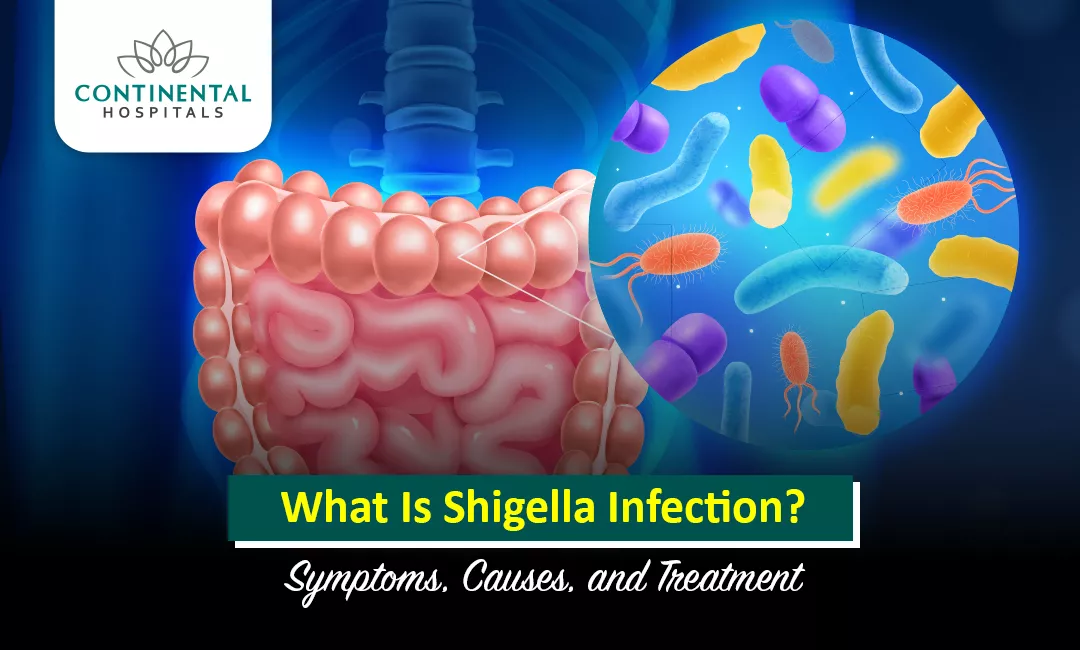
A shigella infection is a highly contagious bacterial illness that targets the human digestive system. When this specific bacteria enters your body, it irritates the lining of your intestines, leading to a condition commonly known as shigellosis. This gastrointestinal disease can affect anyone, but it spreads very rapidly in places where people gather closely, such as schools, daycare centers, and community neighborhoods.
Understanding the nature of a shigella infection helps in identifying the illness early and preventing its spread. The infection is primarily a disease of the gut, and studying shigella microbiology reveals that even a tiny amount of this bacteria can make a person intensely sick. Because it travels easily from person to person or through contaminated water and food, recognizing the early warnings is the first major step toward recovery.
What Is the Microbiology Behind a Shigella Infection?
To understand how this illness works, it helps to look at the micro-level behavior of the organism. The shigella bacterium is a rod-shaped, microscopic organism that does not need oxygen to survive and move through its life cycle. Once a person accidentally swallows the bacteria, it bypasses the stomach acid and heads straight for the large intestine.
Inside the large intestine, the bacteria attach themselves to the cells lining the gut. It multiplies rapidly and breaks through the cell walls, causing inflammation, tissue damage, and open sores. This aggressive cellular takeover explains why a shigella infection causes much more severe stomach issues than a standard stomach bug or simple case of mild food poisoning.
If you have ongoing stomach pain, persistent vomiting, diarrhea, or other digestive concerns, visit the Gastroenterology Department at Continental Hospitals. Our expert specialists provide accurate diagnosis and personalized treatment to help you recover with confidence.
What Are the Most Common Shigella Symptoms?
The signs of shigellosis usually appear within one to two days after a person comes into contact with the bacteria. The intensity of these symptoms can range from mild abdominal discomfort to severe, exhausting illness.
The primary Shigella symptoms include the following:
- Severe Diarrhea: This is the most distinct sign of the infection, often becoming watery and frequently containing mucus or visible blood.
- Intense Stomach Cramping: Patients feel sharp, painful spasms in the abdominal area that occur before and during bowel movements.
- High Fever: A sudden rise in body temperature is a common response as the immune system tries to fight off the active shigella bacteria.
- Constant Nausea and Vomiting: Many individuals find it difficult to keep fluids down, which increases the overall risk of dehydration.
- Tenesmus: This is a painful, uncomfortable feeling of needing to pass stools even when your bowels are completely empty.
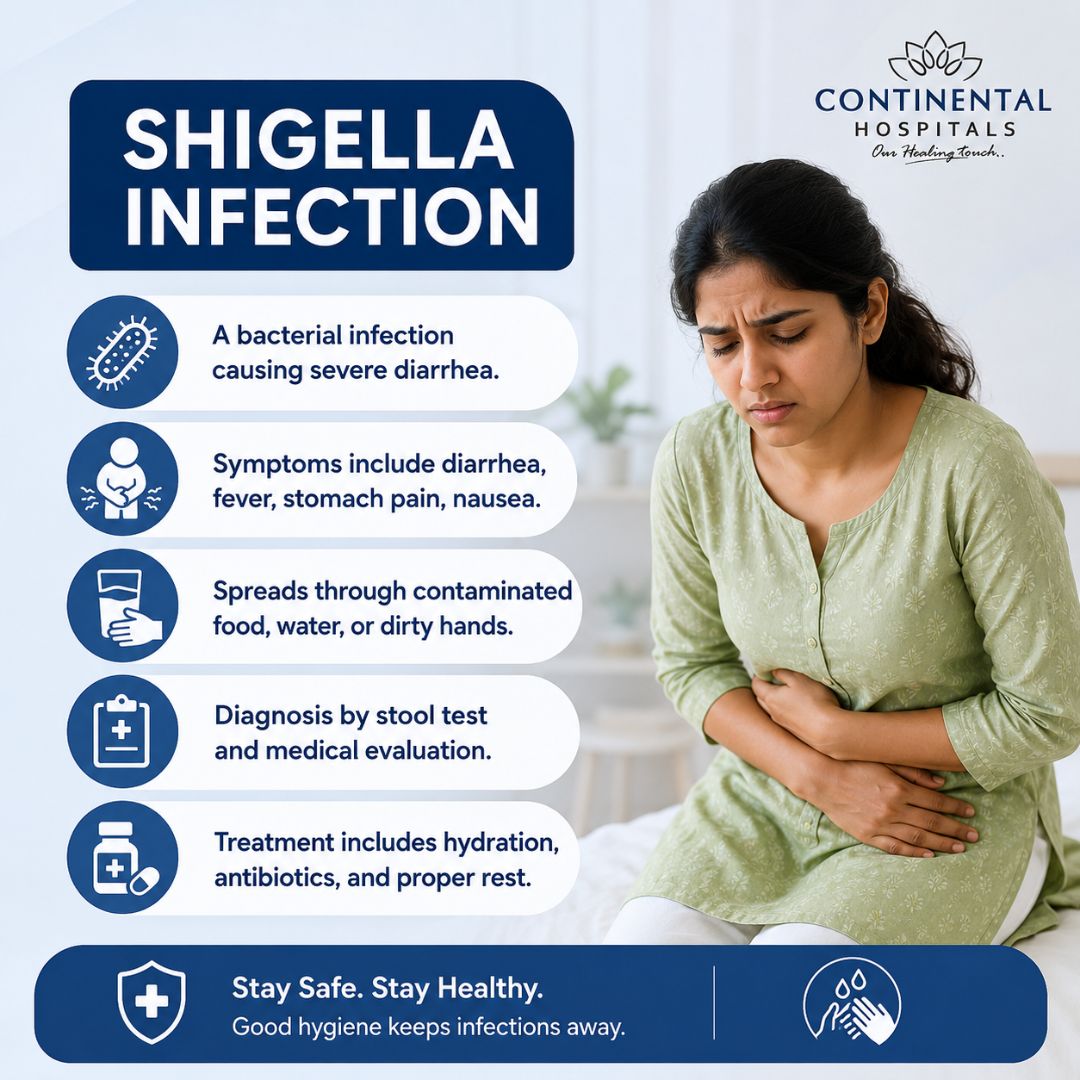
What Are the Main Causes of a Shigella Infection?
A shigella infection happens when someone accidentally ingests the bacteria. The transmission follows a fecal-oral pathway, meaning the bacteria from an infected person's stool somehow reach another person's mouth.
The underlying causes and transmission routes include:

- Direct Person-to-Person Contact: If an infected individual does not wash their hands thoroughly after using the washroom, they leave live bacteria on door handles, toys, railings, and water taps.
- Contaminated Food Consumption: Food can become a breeding ground for shigella if it is handled by someone carrying the infection, or if vegetables are grown in fields watered with sewage-polluted water.
- Drinking Polluted Water: Swimming in or drinking water from pools, lakes, or wells that have been contaminated with sewage water can quickly cause an outbreak.
How Is Shigellosis Diagnosed by Professionals?
If you visit a doctor with severe digestive issues, they will not rely on symptoms alone to confirm shigellosis. Because many different types of bacteria and viruses cause diarrhea, a definitive medical test is required.
Doctors diagnose a shigella infection by asking for a stool sample. A laboratory analysis looks at the sample under a microscope or uses specialized chemical cultures to grow and identify the specific shigella bacteria. This lab confirmation is incredibly useful because it tells the medical team exactly which strain of bacteria is causing the trouble, ensuring they pick the right path for treatment.
What Is the Standard Protocol for Shigella Treatment?
For many healthy adults, a mild shigella infection can run its course within a week without heavy medical intervention. However, moderate to severe cases require a highly structured plan to prevent dehydration and clear the gut safely.
What are the core components of shigella treatment?
- Aggressive Fluid Replacement: The most dangerous part of diarrhea is losing vital water and mineral salts. Drinking oral rehydration solutions, clear broths, and clean water is mandatory.
- Targeted Antibiotic Therapy: For severe cases, vulnerable patients, or to stop the disease from spreading in a community, doctors prescribe specific antibiotics. This shortens the duration of the illness and clears the bacteria faster.
- Avoiding Anti-Diarrheal Medications: Medications that slow down your bowel movements should be strictly avoided. These drugs keep the bacteria trapped inside your digestive tract longer, which can make the infection much worse.
Why Choose Continental Hospitals for Your Digestive Care?
When dealing with severe gastrointestinal infections like shigellosis, receiving care from a trusted, world-class medical institution ensures a smooth and safe recovery. Continental Hospitals stands out as the best hospital in Hyderabad for comprehensive digestive and infectious disease management.
Our facility holds the prestigious Joint Commission International (JCI) accreditation, which is a global gold standard for patient safety and clinical quality. Alongside this international honor, Continental Hospitals is fully accredited by the National Accreditation Board for Hospitals & Healthcare Providers (NABH). These strict accreditations prove that every system, from our advanced laboratory diagnostics to our infection control protocols, adheres to the safest international healthcare standards.
Our specialized gastroenterology and infectious disease wings utilize advanced diagnostic labs to identify bacterial strains rapidly and accurately. With dedicated isolation protocols, single-room intensive care units, and an experienced team of medical experts, we ensure that your treatment is highly personalized, precise, and completely safe.
Conclusion
A shigella infection can be a painful and exhausting experience, but it is entirely manageable and preventable with the right medical guidance. Practicing strict hand hygiene, consuming clean water, and avoiding raw, unwashed foods are your best defenses against the shigella bacteria. If you spot the signs of blood-tinged diarrhea, high fever, or severe dehydration, you must seek professional medical intervention right away instead of waiting it out.
If you suffer from persistent stomach pain, uncontrollable vomiting, or severe diarrheal symptoms, do not compromise on your health. Please schedule an expert consultation with our best gastroenterologist in Hyderabad at Continental Hospitals for an accurate diagnosis and a customized recovery plan.