post-title

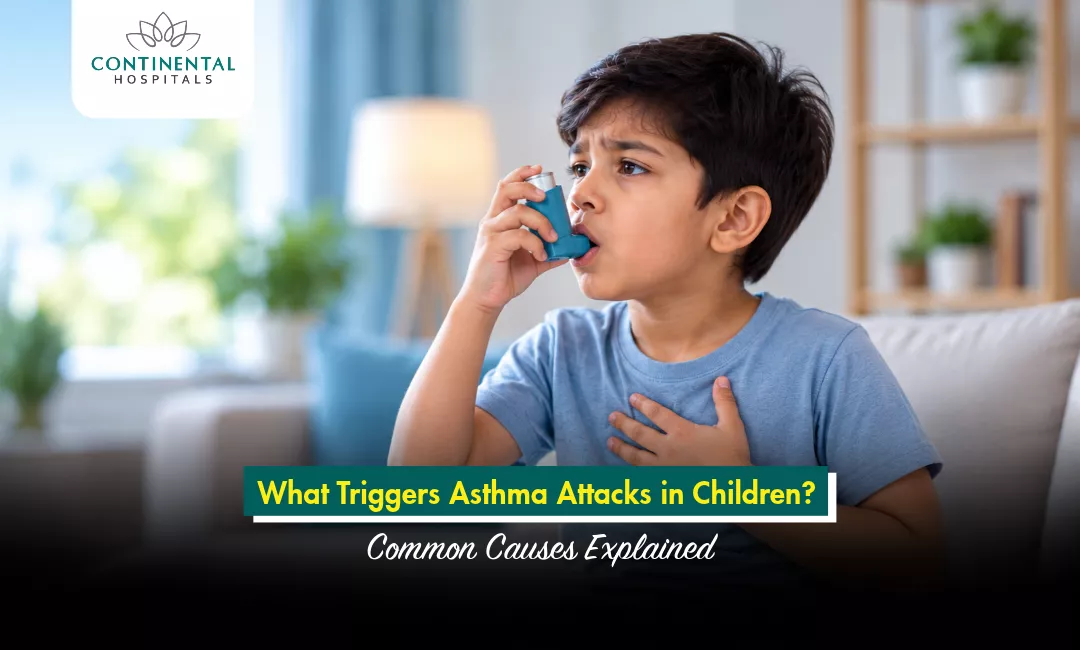
What Triggers Asthma Attacks in Children? Common Causes Explained

Written by - Editorial Team
Medically Reviewed by - Dr Divyesh Kishen Waghray

Asthma attacks in children occur when the airways become inflamed, swollen, and narrow, making it difficult for air to move in and out of the lungs. During an asthma attack, the muscles around the airways may tighten, and extra mucus may develop, causing breathing difficulties. Children with asthma may experience coughing, wheezing, chest tightness, and shortness of breath. These symptoms can vary from mild to severe.

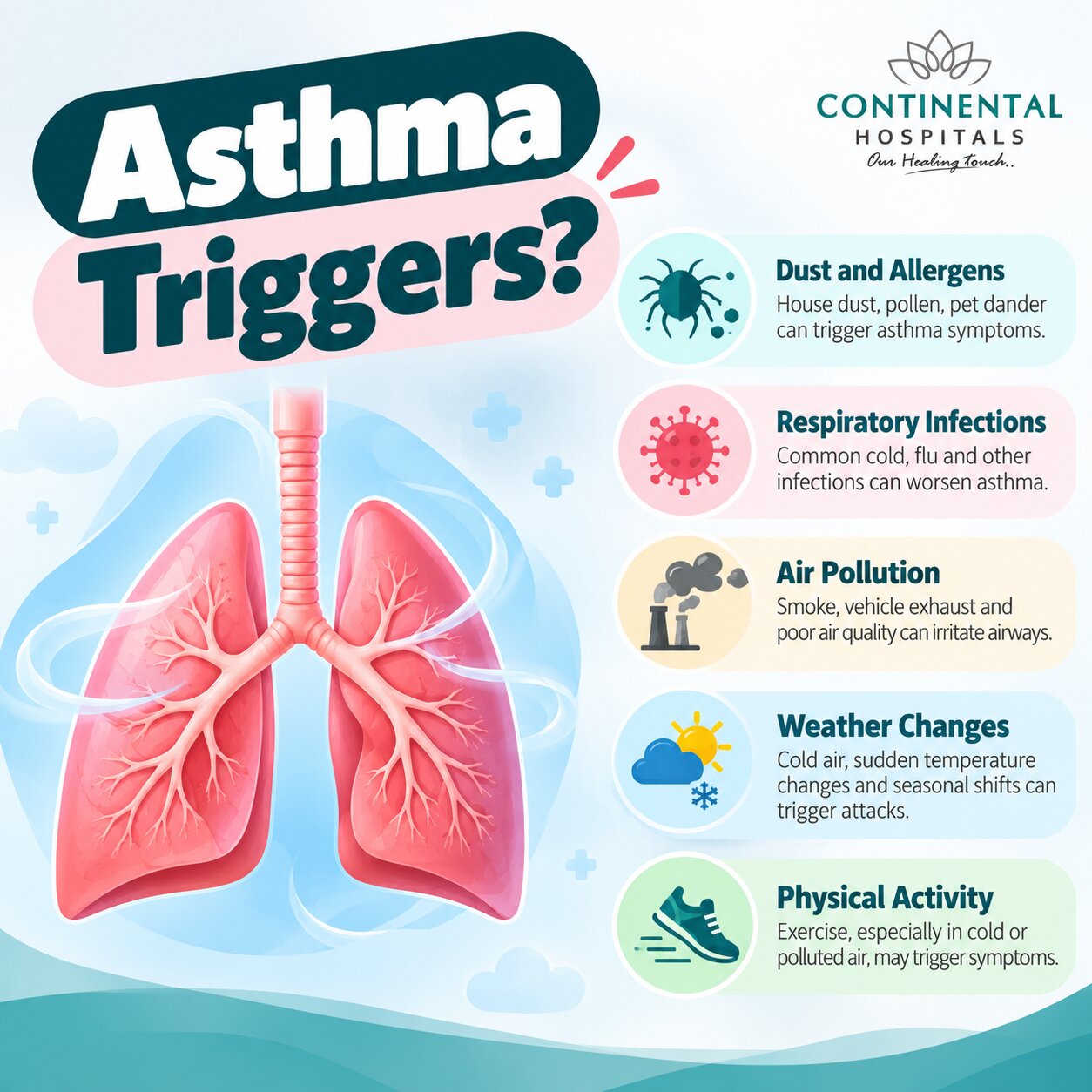
What triggers asthma attacks in children? Several factors, including dust, pollen, respiratory infections, air pollution, exercise, and weather changes, can irritate sensitive airways. Identifying these common asthma triggers is important because avoiding them, following a doctor's advice, and using prescribed medicines correctly can help reduce the risk of asthma attacks and support better breathing.

What Are the Common Triggers of Asthma Attacks in Children?

Why do some children experience asthma attacks more frequently than others? Every child may have different triggers. However, certain environmental and lifestyle factors commonly contribute to childhood asthma symptoms.

1. Dust and Dust Mites

Can household dust trigger asthma attacks in children? Yes. Dust mites are tiny organisms commonly found in mattresses, pillows, carpets, and soft furniture. Their particles can irritate sensitive airways and cause coughing, sneezing, and breathing difficulties.

2. Pollen and Seasonal Allergies

How can pollen affect children with asthma? Pollen released by trees, grasses, and flowers can trigger allergic reactions. Children who are sensitive to pollen may experience sneezing, runny noses, coughing, and wheezing, particularly during certain seasons.

3. Respiratory Infections

Can a common cold cause an asthma attack? Yes. Viral infections such as colds and flu are common triggers of asthma attacks in children. These infections can increase airway inflammation and make breathing more difficult.

Second Opinion

4. Air Pollution and Smoke

Does polluted air affect childhood asthma? Exposure to vehicle emissions, industrial pollution, cigarette smoke, and burning waste can irritate the lungs. Children with asthma may experience worsening symptoms when exposed to these pollutants.

5. Physical Activity and Exercise

Can running and playing trigger asthma symptoms? Some children experience exercise-induced asthma symptoms, particularly during intense physical activity. They may develop coughing, wheezing, or breathlessness during or after exercise. With proper medical guidance and an appropriate asthma management plan, most children can participate in physical activities safely.

6. Cold Weather and Sudden Temperature Changes

Why does cold air sometimes trigger breathing problems? Breathing cold or dry air can irritate sensitive airways and cause them to narrow. Sudden weather changes may also worsen symptoms in some children.

7. Strong Smells and Chemical Irritants

Need an Appointment?

Can perfumes and cleaning products trigger asthma attacks? Strong fragrances, room fresheners, paint fumes, and household cleaning chemicals can irritate the airways and trigger symptoms in sensitive children.

Visit the Pulmonology Department at Continental Hospitals, Hyderabad, for expert respiratory care and specialized treatment for children with breathing difficulties.

What Are the Warning Signs of an Asthma Attack in Children?

How can parents recognize an asthma attack early? Knowing the warning signs can help parents respond quickly and seek medical attention when necessary.

Common childhood asthma symptoms include:

  • Frequent coughing, especially at night or early in the morning.
  • Wheezing or a whistling sound while breathing.
  • Shortness of breath during normal activities.
  • Chest tightness or discomfort.
  • Difficulty sleeping because of coughing.
  • Feeling tired due to breathing difficulties.
  • Breathing faster than usual.

Important: If a child struggles to speak, has severe difficulty breathing, develops bluish lips, or shows signs of exhaustion, seek emergency medical care immediately. Follow the child's prescribed asthma action plan while arranging urgent help.
How Can Parents Prevent Asthma Attacks in Children?

Can asthma attacks in children be prevented? Although all attacks cannot be avoided, reducing exposure to known triggers and following the prescribed treatment plan can help control symptoms.

Parents can take these steps:

  • Keep the home clean: Reduce dust by regularly cleaning floors, furniture, and bedding.
  • Avoid cigarette smoke: Maintain a completely smoke-free environment.
  • Monitor pollen levels: Limit outdoor exposure when pollen levels are high if pollen is a known trigger.
  • Prevent respiratory infections: Encourage regular handwashing and follow recommended vaccinations.
  • Reduce indoor irritants: Avoid strong perfumes, sprays, and harsh cleaning chemicals.
  • Encourage healthy activity: Help children stay active with guidance from their doctor.
  • Follow prescribed medication: Ensure the child uses inhalers and other medicines as directed.
  • Attend regular check-ups: Review asthma symptoms and treatment with the doctor.

When Should You Consult a Doctor for Childhood Asthma?

When should parents seek medical advice? If a child experiences repeated coughing, wheezing, breathing difficulties, or disturbed sleep, consult a doctor. Early diagnosis and appropriate treatment can help control asthma and reduce the risk of severe attacks.

A doctor may review the child's medical history, symptoms, allergy triggers, and family history. Depending on the child's age and ability to cooperate, lung function tests and allergy assessments may also be recommended.

Why Choose Continental Hospitals for Children's Asthma Care?

Why is specialist care important for children with asthma? Childhood asthma requires proper evaluation, accurate diagnosis, and an individualized treatment plan. Identifying triggers and monitoring symptoms can help children manage the condition and enjoy their daily activities.

Continental Hospitals, Hyderabad, provides comprehensive healthcare supported by experienced medical specialists, modern diagnostic facilities, and multidisciplinary expertise. The hospital holds national and international healthcare accreditations, including National Accreditation Board for Hospitals and Healthcare Providers (NABH) and Joint Commission International (JCI), reflecting its commitment to healthcare quality and patient safety.

Parents can consult experienced pediatricians and pulmonologists for the evaluation and management of childhood asthma, including recurrent respiratory symptoms and breathing difficulties.

Conclusion

Asthma attacks in children can be triggered by dust, pollen, respiratory infections, air pollution, exercise, and weather changes. Recognizing these triggers and understanding childhood asthma symptoms can help parents take timely preventive steps.

Although asthma may not always be preventable, proper medical care, regular monitoring, and following the prescribed treatment plan can help children control their symptoms and lead active lives.

If your child suffers from frequent coughing, wheezing, chest tightness, or breathing difficulties, consult our best pulmonologist in Hyderabad at Continental Hospitals, Hyderabad, for proper evaluation and personalized asthma care. Early medical attention can help protect your child's respiratory health and improve their quality of life.


Frequently Asked Questions

Asthma attacks in children can be triggered by different environmental and health-related factors. Dust mites are common indoor triggers. Pollen from trees, grass and plants may cause allergic reactions. Pet dander can also trigger asthma symptoms in sensitive children. Mould and damp indoor spaces may worsen breathing problems. Respiratory infections such as colds and flu can trigger asthma attacks. Exposure to cigarette smoke and air pollution may irritate the airways. Strong perfumes, cleaning products and chemical fumes can also cause symptoms. Cold air and sudden weather changes may trigger breathing difficulties. Physical activity can sometimes cause exercise-induced asthma symptoms. Every child may have different asthma triggers. Identifying these triggers helps families take preventive measures. A paediatrician or pulmonologist can help develop an appropriate asthma management plan.
Yes, dust can trigger asthma symptoms in children who are sensitive to indoor allergens. Household dust may contain dust mites, pet dander and other particles. Dust mites are microscopic organisms commonly found in mattresses, pillows and carpets. When children inhale these allergens, their airways may become irritated. This can lead to coughing, wheezing and breathing difficulties. Symptoms may become worse during cleaning or when changing bedsheets. Regularly washing bedsheets in hot water, when fabric care permits, may help reduce dust mites. Using allergen-proof mattress and pillow covers can also help. Vacuuming with a HEPA-filter vacuum may reduce airborne dust. Keeping bedrooms clean and well ventilated is important. Avoiding heavy carpets and unnecessary soft furnishings may also help sensitive children. Not every child with asthma reacts to dust. A doctor can help identify specific allergies and recommend suitable preventive measures.
Yes, cold weather can trigger asthma symptoms in some children. Breathing cold and dry air may irritate sensitive airways. This irritation can cause the muscles surrounding the airways to tighten. Children may experience coughing, wheezing or chest tightness. Symptoms can become noticeable during outdoor activities in winter. Sudden changes between warm indoor and cold outdoor environments may also contribute. Wearing a scarf over the nose and mouth can help warm inhaled air. Encourage children to follow their prescribed asthma treatment plan. A doctor may recommend using a reliever inhaler before exercise when appropriate. Children should avoid strenuous outdoor activity during very cold conditions if it triggers symptoms. Respiratory infections are also more common during certain colder months. Parents should monitor breathing changes carefully. Seek medical advice if symptoms become frequent or difficult to control.
Exercise can trigger breathing symptoms in some children with asthma. This condition is commonly called exercise-induced bronchoconstriction. It happens when physical activity causes the airways to narrow temporarily. Children may develop coughing, wheezing or chest tightness during exercise. Symptoms can also appear shortly after physical activity. Running, cycling and playing outdoor sports may trigger symptoms in sensitive children. Cold or dry air can increase the likelihood of exercise-related breathing difficulties. Asthma should not prevent children from enjoying physical activities. Proper asthma control allows many children to participate safely in sports. A doctor may recommend a suitable warm-up routine and preventive medication. Children should always have access to their prescribed reliever inhaler. Parents and teachers should understand the child's asthma action plan. Frequent exercise-related symptoms require medical evaluation.
Yes, air pollution can worsen asthma symptoms in children. Pollutants such as vehicle exhaust, smoke and industrial emissions can irritate the airways. Fine particulate matter can enter the respiratory system and contribute to inflammation. Children with asthma may be particularly sensitive to polluted air. Exposure can lead to coughing, wheezing and shortness of breath. Smoke from burning waste and firecrackers may also trigger symptoms. Avoid taking children outdoors near heavy traffic when pollution levels are high. Check local air quality updates before planning outdoor activities. Keep windows closed when outdoor pollution is severe, while maintaining appropriate indoor ventilation. Avoid smoking inside homes and vehicles. Air purifiers with suitable filtration may help reduce certain indoor airborne particles. Follow the child's prescribed asthma treatment plan. Consult a doctor if pollution exposure causes repeated breathing problems.
Certain foods can trigger allergic reactions in children with specific food allergies. Common food allergens include milk, eggs, peanuts, tree nuts, soy and seafood. In some children, a severe allergic reaction can involve breathing difficulties. However, food is not a common direct trigger of asthma for most children. Food preservatives and additives may cause symptoms in a small number of sensitive individuals. Gastroesophageal reflux can also worsen coughing or asthma-like symptoms in some children. Parents should observe whether breathing symptoms occur consistently after eating a particular food. Never remove major food groups without medical advice. Unnecessary food restrictions can affect a child's growth and nutrition. An allergy specialist may recommend appropriate testing when a food allergy is suspected. Children with diagnosed food allergies should follow an allergy management plan. Seek emergency medical care if a child develops severe breathing difficulty or signs of anaphylaxis. Discuss suspected food-related asthma symptoms with a qualified doctor.
Preventing asthma attacks in children starts with identifying their individual triggers. Keep the home environment clean and reduce exposure to dust mites. Avoid cigarette smoke, strong fragrances and indoor air pollutants. Control dampness and mould growth in living spaces. Encourage regular handwashing to reduce the spread of respiratory infections. Make sure your child takes prescribed asthma controller medicines regularly. Never stop medication without consulting the treating doctor. Ensure that your child uses the inhaler with the correct technique. A spacer may be recommended for younger children. Follow a written asthma action plan provided by the doctor. Monitor symptoms and note situations that trigger breathing difficulties. Keep prescribed reliever medication accessible at home and school. Attend regular medical follow-up appointments. Early management and consistent care can help reduce the risk of severe asthma attacks.
Consult a doctor if your child experiences repeated coughing, wheezing or breathing difficulties. Night-time coughing that interrupts sleep may indicate poorly controlled asthma. Frequent symptoms during exercise also require medical evaluation. Seek advice if your child regularly needs a reliever inhaler. A doctor can assess the severity and frequency of symptoms. Lung function testing may be recommended depending on the child's age. Allergy testing may help identify specific triggers when appropriate. The doctor can review inhaler technique and prescribed medicines. Frequent asthma attacks may indicate that the current treatment plan needs adjustment. Do not ignore symptoms that interfere with school, play or daily activities. Seek emergency medical care if your child struggles to breathe, cannot speak normally, develops blue or grey lips, or becomes unusually drowsy or confused. Do not wait for a routine appointment during a severe attack. Follow the emergency instructions in your child's asthma action plan. Early medical attention can help protect your child's respiratory health.
Disclaimer: The information provided in this blog is intended for general knowledge and informational purposes only, and does not constitute medical advice. Always consult with a qualified healthcare professional for any medical concerns or before making any decisions about your health.

Get in Touch With Us

Whether you are from India or abroad, we are here to help you with your medical queries. Please fill out the form below and our team will connect with you shortly.

  • ✔ Quick response from our medical experts
  • ✔ Secure data handling & privacy
  • ✔ Easy upload for reports & documents
banner_image

Chat with our medical experts on WhatsApp for quick assistance and hassle-free appointment booking

Recent Posts