.webp)
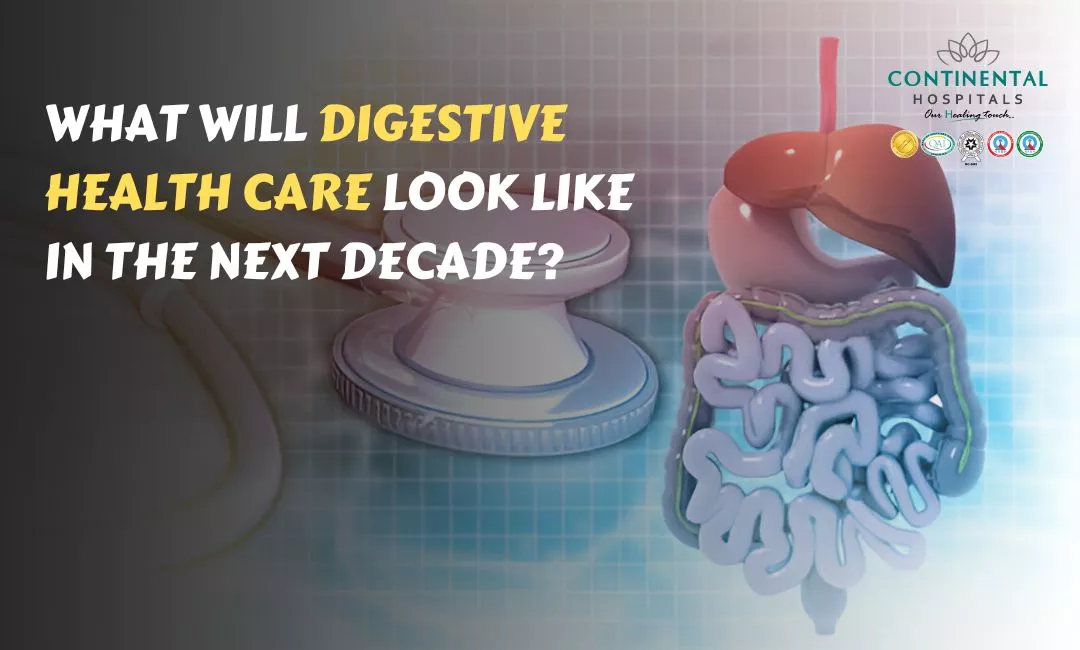
The future of digestive health care is an exciting topic. Over the next decade, we are likely to see significant changes in how we understand, prevent, and treat digestive issues. From advanced technology and personalized medicine to the importance of lifestyle changes, digestive health care will evolve in ways that can drastically improve our quality of life. In this blog, we’ll explore what digestive health care could look like in the next 10 years, focusing on emerging trends and innovations.
How Is Technology Changing Digestive Health Care?
Technology is already reshaping the way we approach healthcare, and the digestive health field is no exception. In the next decade, we expect to see even more sophisticated tools that will help doctors diagnose and treat digestive disorders faster and more accurately.
AI-Powered Diagnostics
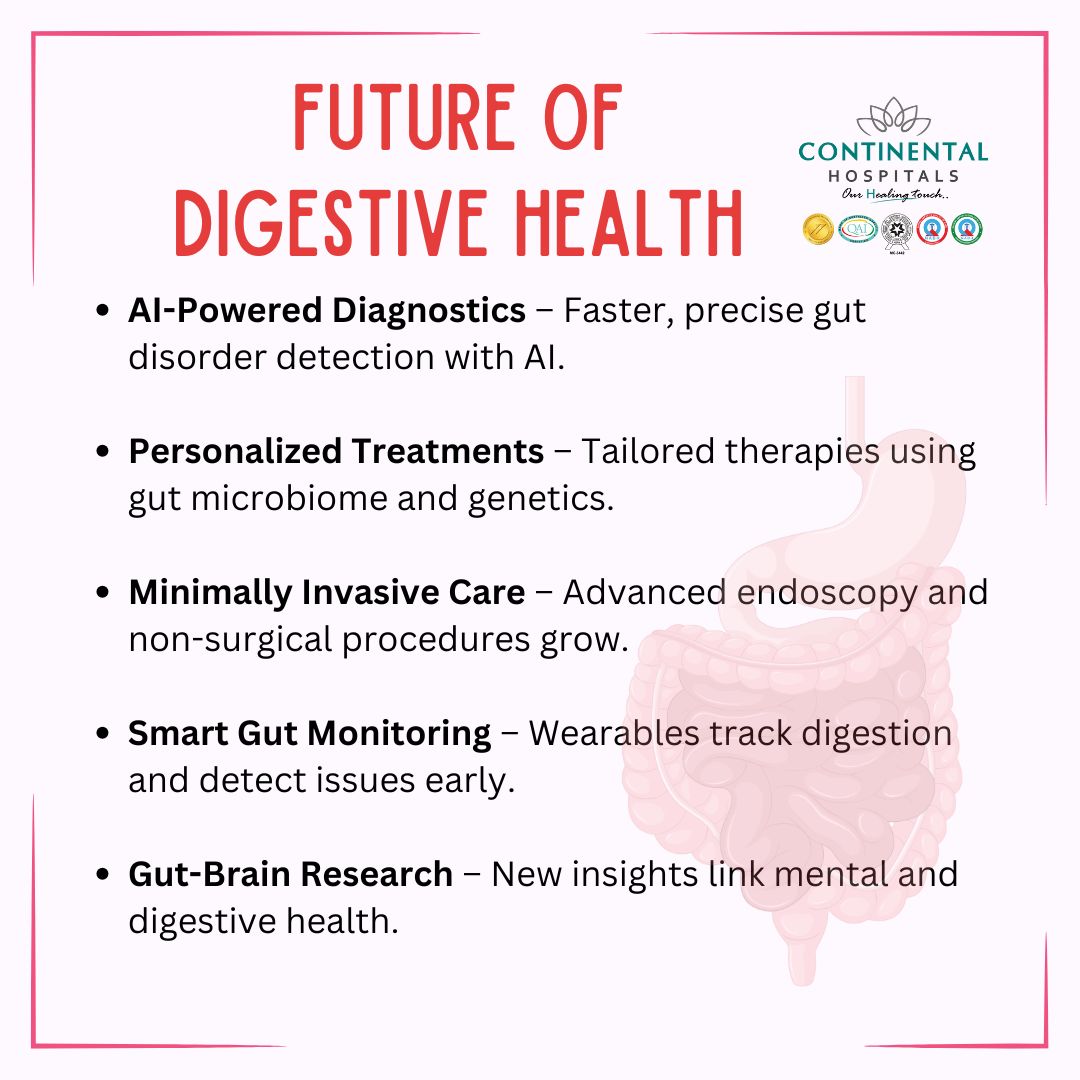
Artificial Intelligence (AI) is revolutionizing the medical world. By analyzing vast amounts of data, AI can assist doctors in diagnosing conditions like irritable bowel syndrome (IBS), Crohn’s disease, or even colorectal cancer more quickly and accurately. Doctors could use AI-driven tools to analyze medical imaging, lab results, and genetic data, making it easier to detect problems early on.
Wearable Health Tech
Wearable devices will become even more advanced, offering real-time insights into our digestive health. Imagine wearing a device that tracks your gut’s activity, your eating habits, and even your stress levels. These devices could send data to your doctor, allowing for more proactive and personalized care. For instance, a wearable could notify a patient if they’ve eaten something that triggers their digestive symptoms, giving them a chance to adjust their behaviour before symptoms worsen.
Visit our gastroenterology specialist doctors for comprehensive digestive care and take the first step toward better gut health.
Virtual Care
Telemedicine and virtual care are already becoming more common, but in the next decade, they will likely become the norm for many types of digestive health care. Patients will be able to consult with specialists remotely, cutting down on the need for in-person visits. This is especially useful for those with chronic conditions or those living in remote areas where access to specialists is limited.
How Does Personalized Medicine Tailor Treatments to Individuals?
One of the most exciting developments in medicine is the rise of personalized or precision medicine. This approach tailors treatment plans to an individual's unique genetic makeup, lifestyle, and health conditions. For digestive health, this could mean more effective treatments with fewer side effects.
Genetic Testing and Gut Microbiome Analysis
In the next decade, genetic testing and gut microbiome analysis could become standard practices in diagnosing and treating digestive disorders. Research shows that our gut microbiome – the community of bacteria, viruses, and fungi living in our digestive tract – plays a huge role in conditions like IBS, Crohn’s disease, and even obesity. By analyzing your gut’s unique microbial composition, doctors could recommend personalized diets, probiotics, and other treatments to improve your digestive health.

Customized Medications
Personalized medicine could lead to more effective medications tailored to your genetic profile. For example, if you’re suffering from acid reflux or ulcers, a doctor might prescribe a medication that is better suited for your body’s response, reducing the chance of side effects and improving the effectiveness of the treatment.
What are the early signs of digestive health problems?
As we move into the next decade, the focus of digestive health care will shift toward prevention and early detection. The earlier digestive problems are diagnosed, the easier they are to treat. Preventing diseases before they even start will become a priority for both patients and healthcare professionals.
Dietary Interventions and Gut Health Education
Diet and lifestyle choices will play a bigger role in digestive health. In the next decade, we may see more health campaigns focusing on gut health and how it affects overall well-being. Imagine your doctor recommending a personalized meal plan based on your unique digestive needs, or advising you on the best foods to support a healthy gut microbiome.
Routine Screenings and Early Testing
Routine screenings for conditions like colorectal cancer will become more advanced, helping doctors identify potential problems before they become serious. Over time, we might even see at-home testing kits that can detect early signs of digestive disorders, allowing for quicker intervention and better outcomes.
How does mental health affect digestive health?
In the coming years, mental health will be recognized as an integral part of digestive health care. Conditions like stress, anxiety, and depression can directly affect your gut, leading to symptoms such as bloating, abdominal pain, and changes in bowel movements. In the next decade, mental health and digestive health will be treated as interconnected aspects of overall wellness.
Stress-Reducing Therapies
Doctors may increasingly recommend therapies that target both the mind and the body, such as mindfulness, meditation, and yoga. These practices have been shown to reduce stress, which in turn can help alleviate digestive symptoms. Integrating mental health care into digestive health treatments will become a key strategy for managing chronic conditions.
Psychobiotics
The future may also bring "psychobiotics" – probiotics that can positively affect your mood and brain function by improving gut health. Research is already showing a strong connection between the gut and brain, often referred to as the “gut-brain axis.” In the next decade, we may see more treatments that specifically target this connection, improving both mental and digestive health simultaneously.
How are doctors improving treatment for chronic digestive conditions?
Chronic digestive diseases such as Crohn’s disease, ulcerative colitis, and celiac disease can be difficult to manage. In the coming years, new treatments and medications may make it easier for patients to live symptom-free lives.
Biologic Therapies and Targeted Treatments
Biologic therapies, which target specific immune responses, will likely play an even bigger role in treating chronic conditions. These therapies are already showing promise in treating inflammatory bowel diseases (IBD) like Crohn’s and ulcerative colitis. With advancements in biotechnology, new biologics could be developed, offering more effective treatments with fewer side effects.
Minimally Invasive Surgeries
In cases where surgery is required, minimally invasive techniques will become more common. These procedures, which involve smaller incisions and faster recovery times, will be increasingly available for conditions like colorectal cancer or severe cases of IBD. Advances in robotic surgery will also make these procedures more precise and less painful.
What You Can Do Today: How Can You Improve Your Digestive Health for a Healthier Future?
While the future of digestive health care is promising, there are steps you can take today to improve your digestive health. Eating a balanced diet, staying hydrated, managing stress, and exercising regularly are all essential for maintaining a healthy digestive system. If you're experiencing symptoms like frequent stomach pain, bloating, or changes in bowel habits, don't wait for the future to start caring for your digestive health. Consult with a healthcare professional today to get the personalized care you need.
Conclusion
The next decade promises to bring groundbreaking changes in the field of digestive health care. With advances in technology, personalized medicine, and a greater emphasis on prevention, we can expect more effective, accessible, and holistic treatments for digestive disorders.
At Continental Hospitals, our best gastroenterologist in hyderabad stay ahead of trends to offer top-notch digestive care. If you're facing digestive issues, reach out to our team for personalized treatment and a healthier future.