post-title

When to See a Gastroenterologist

Written by - Editorial Team
Medically Reviewed by - Dr Guru N Reddy

Your digestive system works day and night to keep your body healthy and energized. But when something goes wrong—whether it’s persistent stomach pain, acid reflux, or unexplained weight loss—it’s important to know when you should seek help from a gastroenterologist near you. A gastroenterologist is a digestive specialist who can diagnose and treat conditions related to your gastrointestinal (GI) tract, including the esophagus, stomach, intestines, liver, pancreas, and more.

If you’re unsure whether your symptoms need a specialist's attention, this guide will help you understand the warning signs and when it's time to book an appointment with a gut health doctor.

What Does a Gastroenterologist Do?

A gastroenterologist is trained to treat a wide range of digestive issues, including acid reflux, irritable bowel syndrome (IBS), ulcers, liver disease, and colorectal cancer. These digestive issues experts use diagnostic tools like colonoscopy, endoscopy, and imaging studies to evaluate the digestive tract and offer treatment plans that relieve symptoms and prevent complications.
Experiencing digestive problems? Visit our gastroenterology specialist doctors for expert evaluation and personalized treatment.

What are the signs you should see a gastroenterologist?

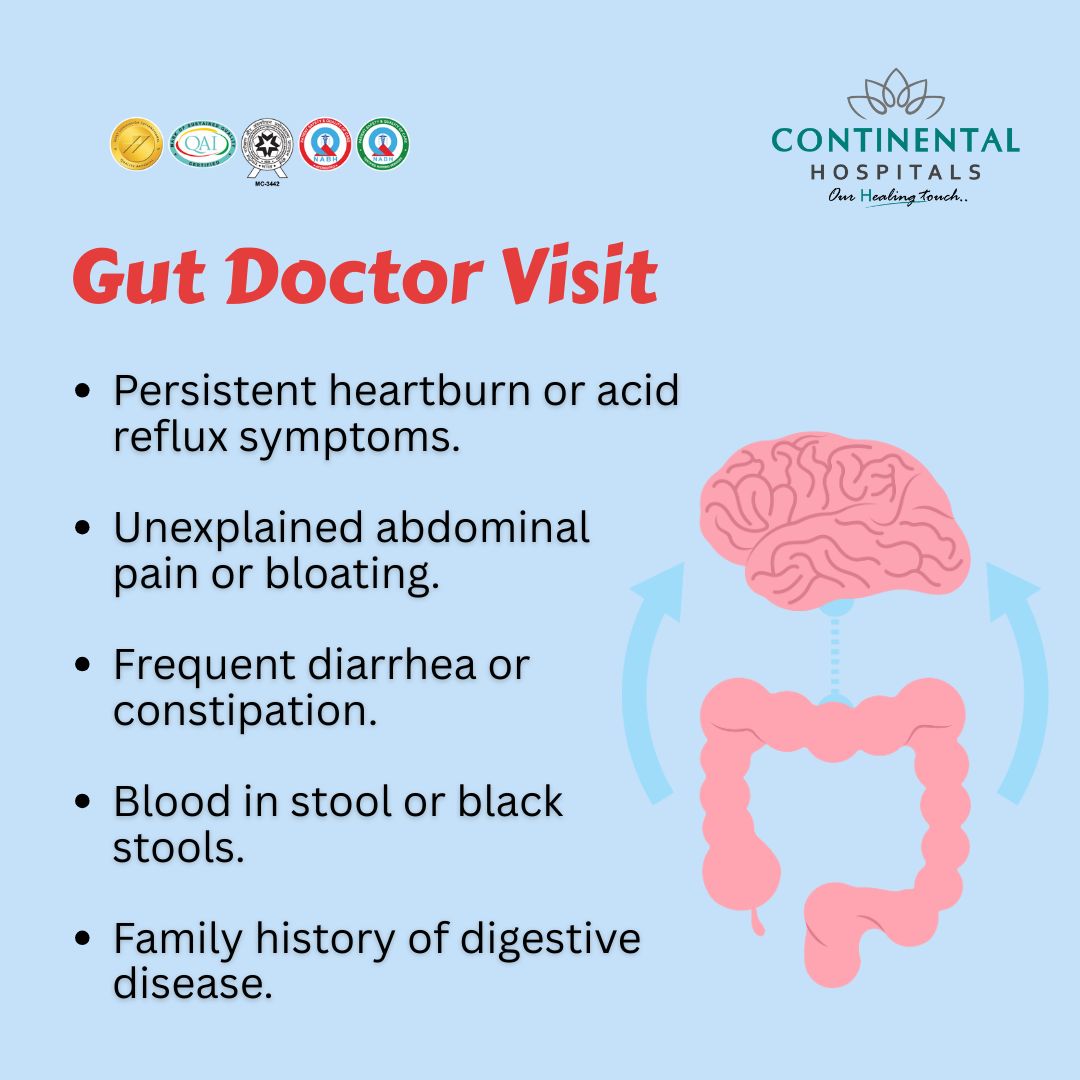
Knowing the GI problems signs can help you catch issues early and receive the right care. If you're experiencing any of the following, it’s time to consult a GI doctor:

1. Persistent Stomach Pain
Occasional abdominal discomfort can happen, but if you have recurring or severe pain that doesn’t go away, it could be a sign of something more serious like ulcers, gallstones, or inflammation. A stomach pain doctor can determine the underlying cause.

2. Frequent Heartburn or Acid Reflux
If you feel a burning sensation in your chest or throat often, you may be suffering from GERD (Gastroesophageal Reflux Disease). A GERD or acid reflux specialist can recommend effective treatments to manage this chronic condition and prevent damage to your esophagus.

3. Chronic Bloating and Gas
Feeling constantly bloated or gassy after meals can be a sign of IBS, lactose intolerance, or small intestinal bacterial overgrowth (SIBO). A bloating and gas doctor can help identify the cause and develop a plan that improves your digestion.

Second Opinion

4. Unexplained Weight Loss
Losing weight without trying can be alarming. It may indicate a malabsorption disorder, celiac disease, or even gastrointestinal cancers. Early diagnosis by a digestive specialist is crucial.

5. Chronic Constipation or Diarrhea
If your bowel movements are consistently irregular, painful, or accompanied by blood, it's important to get evaluated. A chronic constipation treatment specialist or a diarrhea expert can identify digestive imbalances or structural problems.

6. Changes in Bowel Habits
Noticing persistent changes in the color, shape, or frequency of your stools? These could signal colon issues or inflammation. A colonoscopy doctor can perform a thorough checkup.

7. Bloody or Black Stools
Blood in your stool or dark, tarry stools may suggest bleeding in the GI tract. This requires immediate evaluation by a gastroenterologist.

8. Trouble Swallowing
Difficulty swallowing, or feeling like food gets stuck in your throat, could point to esophageal disorders that need investigation by a GI doctor.

9. Ongoing Nausea or Vomiting
Frequent nausea or vomiting, especially without an obvious cause, may be linked to gastrointestinal or liver conditions. A digestive issues expert can conduct tests to find the root issue.

10. Family History of Digestive Diseases
If you have a family history of colon cancer, Crohn’s disease, or ulcerative colitis, regular checkups with a GI specialist are recommended to monitor your gut health.

Need an Appointment?

What conditions does a gastroenterologist treat?

  • Acid reflux and GERD
  • Peptic ulcers
  • IBS and IBD (Crohn’s disease, ulcerative colitis)
  • Liver diseases (like hepatitis and fatty liver disease)
  • Pancreatitis
  • Celiac disease
  • Gallbladder disease
  • Colon polyps and cancer

When should I schedule a colonoscopy?

A colonoscopy is a crucial tool for preventing and detecting colon cancer early. You should schedule a colonoscopy:

  • At age 45 or earlier if you have a family history of colorectal cancer
  • If you have rectal bleeding, long-term changes in bowel habits, or iron deficiency anemia
  • As a follow-up if polyps were found in a previous screening

What are the benefits of early diagnosis?

Visiting a gastroenterologist near you at the right time ensures that digestive disorders are diagnosed and treated early. This helps:

  • Prevent complications
  • Avoid unnecessary discomfort
  • Reduce the risk of severe conditions like colon cancer or liver failure
  • Improve your quality of life through personalized digestive care

Why Choose Continental Hospitals for Digestive Health?

Continental Hospitals in Hyderabad offers comprehensive, patient-focused digestive care under one roof. Here’s why we stand out:

Expert Team: Our team includes some of the best gastroenterologists, liver specialists, and GI surgeons in the country.

Advanced Technology: We use high-definition endoscopy, capsule endoscopy, and cutting-edge imaging tools for accurate diagnosis and safe procedures.

Integrated Care: We offer multi-specialty support, including dietitians, hepatologists, and surgeons to manage complex digestive and liver disorders.

Comfort-Focused Environment: With modern infrastructure and a compassionate care team, your comfort and recovery are our top priorities.

Personalized Treatment: Every patient receives tailored treatment plans to ensure the best possible outcomes.

Meet Our Experts

At Continental Hospitals, you're in the hands of highly skilled specialists, including:

Dr. Guru N Reddy – Chief of Gastroenterology & Liver Diseases

Dr. Raghuram Kondala – Consultant Medical Gastroenterologist

Dr. Dhiraj Gopal Agrawal – Consultant Medical Gastroenterologist and Liver Specialist

Dr. Ravi Kiran Perumalla – Consultant Gastroenterologist

Conclusion: Don’t Ignore Digestive Symptoms

Your gut is your body’s control center for overall wellness. Ignoring GI problems signs can delay diagnosis and worsen health outcomes. If you're dealing with acid reflux, stomach pain, bloating, chronic constipation, or any other digestive discomfort, it’s time to see a gastroenterologist near you.

Experiencing digestive issues? Visit Continental Hospitals to consult our best gastroenterologist in hyderabad for expert diagnosis and care.

Frequently Asked Questions

You should see a gastroenterologist if you experience persistent digestive symptoms that do not improve with lifestyle changes or over-the-counter medications. Common warning signs include ongoing abdominal pain, frequent heartburn, difficulty swallowing, chronic constipation, diarrhea lasting more than a few days, unexplained bloating, or recurring nausea and vomiting. Blood in the stool, black stools, unexplained weight loss, jaundice, or severe abdominal pain also require prompt evaluation. People with a family history of digestive diseases such as colorectal cancer, inflammatory bowel disease, or liver disorders should seek specialist advice even without symptoms. A gastroenterologist can identify the underlying cause through detailed evaluation and advanced diagnostic tests. Early diagnosis helps prevent complications and improves treatment outcomes. If your digestive symptoms interfere with your daily activities or quality of life, scheduling an appointment with a gastroenterologist is the right step.
Several symptoms suggest the need for a gastroenterology consultation. Persistent stomach pain, frequent acid reflux, chronic constipation, ongoing diarrhea, excessive bloating, difficulty swallowing, unexplained nausea, vomiting, and changes in bowel habits should not be ignored. Rectal bleeding, blood in the stool, black-colored stools, unexplained weight loss, fatigue caused by anemia, or yellowing of the skin and eyes are important warning signs. These symptoms may indicate conditions affecting the esophagus, stomach, intestines, liver, pancreas, or gallbladder. While some digestive issues are temporary, persistent or worsening symptoms require expert evaluation. A gastroenterologist can perform specialized investigations to determine the exact cause and recommend appropriate treatment. Early diagnosis often leads to better recovery and helps prevent disease progression.
Yes, gastroenterologists specialize in diagnosing and treating acid reflux and gastroesophageal reflux disease (GERD). Occasional heartburn is common, but frequent symptoms occurring more than twice a week may indicate GERD. Persistent acid reflux can damage the lining of the esophagus and increase the risk of complications such as ulcers, narrowing of the esophagus, or Barrett's esophagus. A gastroenterologist evaluates your symptoms, medical history, and may recommend tests such as upper GI endoscopy if necessary. Treatment may include dietary modifications, weight management, medications to reduce stomach acid, and lifestyle changes. In selected cases, advanced endoscopic or surgical treatment may be considered. Early management helps relieve symptoms and prevents long-term complications.
Yes, constipation or diarrhea lasting for several weeks should be evaluated by a gastroenterologist. Chronic bowel problems may be caused by irritable bowel syndrome, inflammatory bowel disease, infections, food intolerances, thyroid disorders, medication side effects, or colorectal conditions. A specialist will review your symptoms, dietary habits, medical history, and perform necessary diagnostic tests to identify the underlying cause. Depending on the diagnosis, treatment may include dietary changes, medications, probiotics, lifestyle modifications, or further investigations such as colonoscopy. Ignoring persistent bowel symptoms can delay diagnosis of serious conditions. Timely consultation ensures effective symptom relief and better digestive health.
A gastroenterologist may recommend an endoscopy or colonoscopy when symptoms suggest an underlying digestive disorder that requires direct examination. Endoscopy is commonly performed for persistent heartburn, difficulty swallowing, upper abdominal pain, unexplained vomiting, or suspected stomach ulcers. Colonoscopy is recommended for rectal bleeding, chronic diarrhea, unexplained anemia, persistent changes in bowel habits, abdominal pain, or colorectal cancer screening. People with a family history of colorectal cancer or polyps may need earlier screening. These procedures help detect inflammation, ulcers, polyps, cancers, and other gastrointestinal conditions. Early diagnosis through endoscopy or colonoscopy allows timely treatment and significantly improves patient outcomes.
Yes, gastroenterologists diagnose and treat many liver, gallbladder, bile duct, and pancreatic disorders. They manage conditions such as fatty liver disease, hepatitis, liver cirrhosis, gallstones, gallbladder inflammation, bile duct obstruction, pancreatitis, and abnormal liver function tests. Symptoms such as jaundice, abdominal swelling, severe upper abdominal pain, dark urine, persistent fatigue, or unexplained itching should be evaluated promptly. A gastroenterologist may recommend blood tests, ultrasound, CT scans, MRI, FibroScan, or endoscopic procedures for diagnosis. Treatment depends on the specific condition and may involve medications, lifestyle changes, endoscopic therapy, or referral for surgery if required. Early intervention helps protect liver function and prevent complications.
Recurring digestive symptoms should never be ignored, even if they improve temporarily. Frequent episodes of abdominal pain, bloating, indigestion, acid reflux, constipation, diarrhea, or nausea may indicate an underlying digestive disorder requiring specialist care. Self-medication may provide temporary relief but often does not address the root cause. A gastroenterologist can identify chronic conditions such as irritable bowel syndrome, inflammatory bowel disease, peptic ulcers, food intolerances, gallbladder disease, or gastrointestinal infections. Comprehensive evaluation and personalized treatment help prevent complications and improve long-term digestive health. Seeking medical attention early often results in faster recovery and a better quality of life.
A gastroenterologist begins with a detailed discussion about your symptoms, medical history, medications, diet, and family history. A physical examination is followed by appropriate laboratory tests if needed. Depending on your symptoms, the doctor may recommend blood tests, stool analysis, ultrasound, CT scan, MRI, upper GI endoscopy, colonoscopy, capsule endoscopy, or specialized liver function tests. These advanced diagnostic methods help accurately identify disorders affecting the esophagus, stomach, intestines, liver, pancreas, and gallbladder. Once the diagnosis is confirmed, the gastroenterologist develops an individualized treatment plan that may include medications, dietary recommendations, endoscopic procedures, or preventive screening. Accurate diagnosis ensures effective treatment and better long-term digestive health.
Disclaimer: The information provided in this blog is intended for general knowledge and informational purposes only, and does not constitute medical advice. Always consult with a qualified healthcare professional for any medical concerns or before making any decisions about your health.

Get in Touch With Us

Whether you are from India or abroad, we are here to help you with your medical queries. Please fill out the form below and our team will connect with you shortly.

  • ✔ Quick response from our medical experts
  • ✔ Secure data handling & privacy
  • ✔ Easy upload for reports & documents
banner_image

Chat with our medical experts on WhatsApp for quick assistance and hassle-free appointment booking

Recent Posts