.webp)

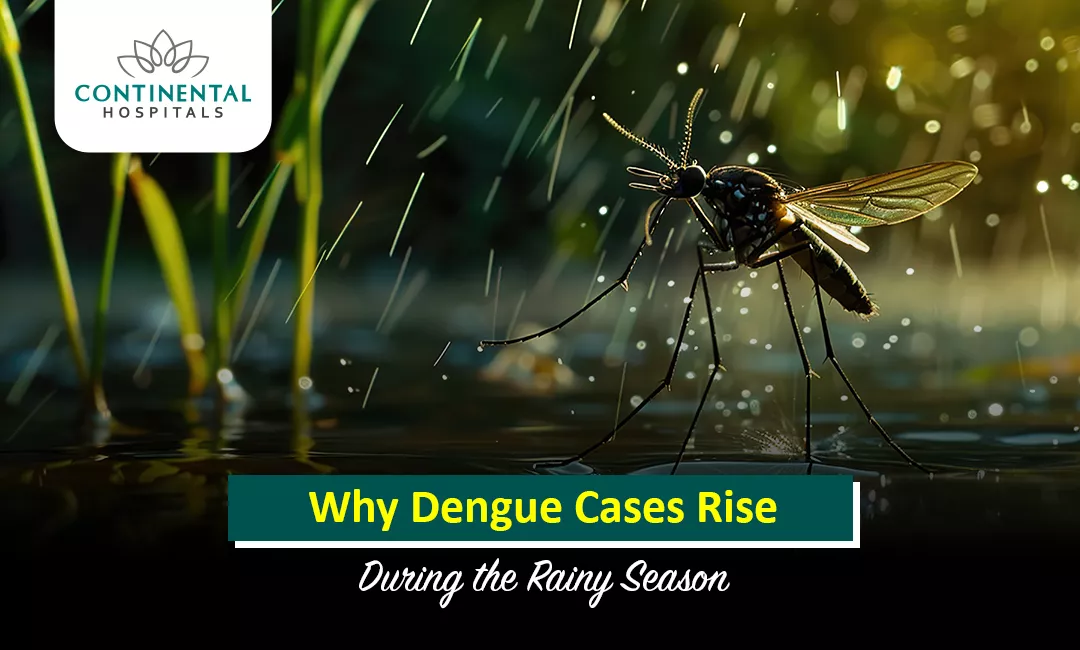
Dengue fever is a major seasonal health challenge that affects thousands of families every year. As the monsoon rains bring relief from the summer heat, they also create a perfect environment for mosquito-borne diseases to spread rapidly. Understanding the connection between the rainy season and the spike in medical cases is the first step toward protecting your family and community.
Public health data shows that dengue cases climb significantly during and immediately after the rainy season. This predictable surge is closely tied to the lifecycle of the virus-carrying mosquito and human behavior during wet weather. Managing this risk requires awareness of how the disease spreads and knowing when to seek professional medical care from an advanced healthcare facility.
Why Do Dengue Cases Peak When It Rains?
The sharp increase in dengue cases during the wet months is not a coincidence but a direct result of environmental changes. The Aedes mosquito, which transmits the virus, thrives in specific conditions that the monsoon season provides in abundance.
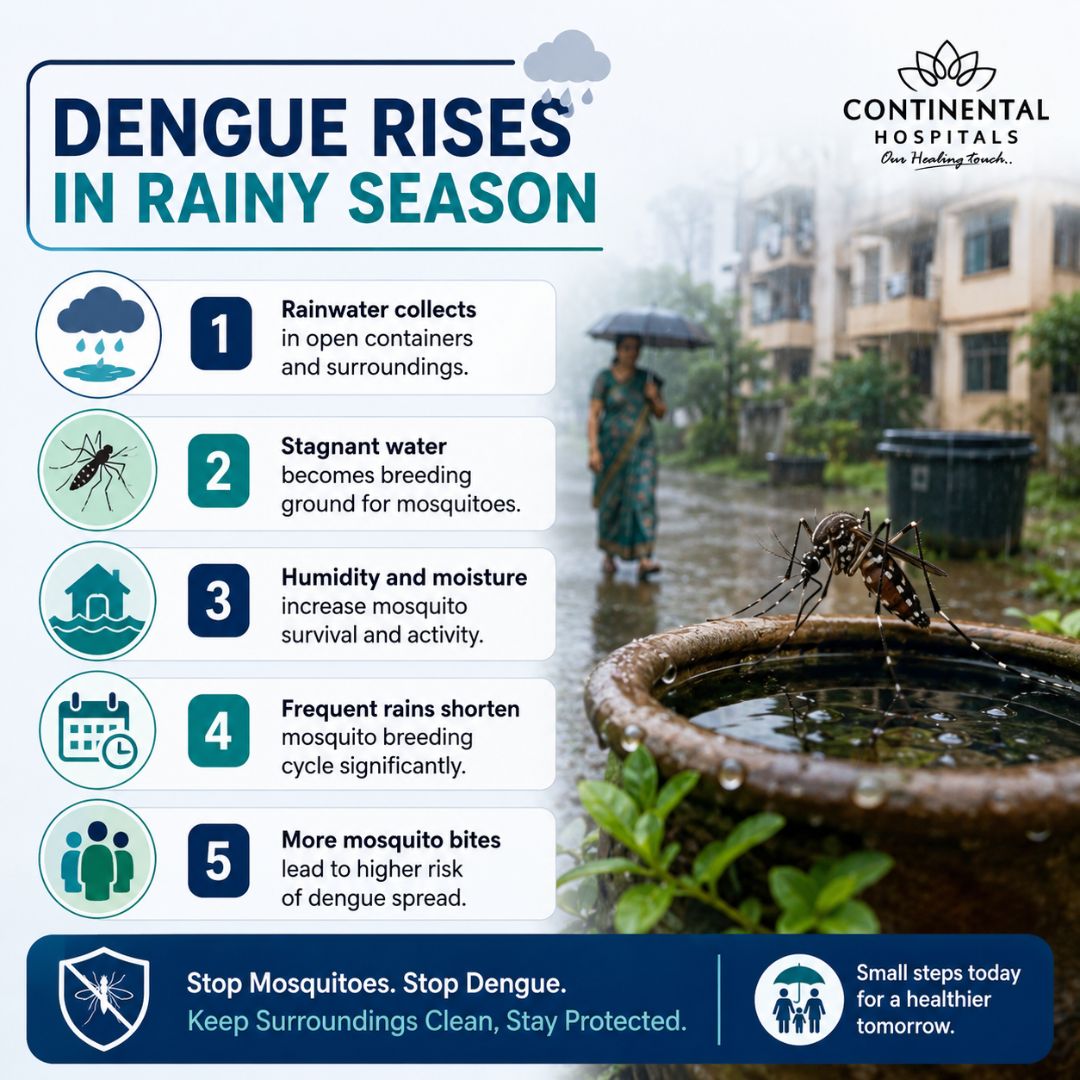
- Abundant Stagnant Water: The primary reason dengue fever spreads faster in the rainy season is the availability of fresh standing water. Aedes mosquitoes do not breed in dirty ponds or drains; they require clean, stagnant water to lay eggs. Rainwater collecting in discarded cups, old tires, flower pots, clogged roof gutters, and puddles creates thousands of perfect breeding sites across urban areas.
- Rapid Mosquito Lifecycle: Warm temperatures combined with high humidity during the monsoons accelerate the lifecycle of the mosquito. Egg-to-adult development occurs much faster in humid conditions. This results in a massive explosion of the mosquito population within a very short timeframe.
- Increased Daytime Biting Activity: The humidity makes the Aedes mosquito more active. Unlike other mosquitoes that bite mostly at night, the dengue-carrying mosquito is a daytime feeder, peaking early in the morning and late in the afternoon. Since people often spend rainy days indoors or in semi-sheltered areas where mosquitoes seek refuge, the frequency of human-mosquito contact increases.
Experiencing high fever, severe body aches, or symptoms of dengue? Visit our general physician department for timely diagnosis, expert evaluation, and comprehensive care.
What Are the Main Symptoms of Dengue Fever?
Recognizing the early warning signs of dengue fever is crucial for timely medical intervention. Symptoms usually appear four to ten days after being bitten by an infected mosquito and can range from mild discomfort to severe, life-threatening complications.
- Sudden High Fever: A primary indicator is a high fever that comes on suddenly, often reaching up to 104°F.
- Severe Body Aches: This condition is historically known as breakbone fever because of the intense pain it causes in the muscles, bones, and joints.
- Pain Behind the Eyes: A deep, throbbing pain directly behind the eyes is a classic symptom that helps distinguish this illness from a regular seasonal flu.
- Persistent Skin Rashes: A distinctive red rash typically appears over most of the body a few days after the fever begins.
- Nausea and Fatigue: Severe weakness, loss of appetite, vomiting, and a general feeling of exhaustion are common as the body fights the viral infection.
How Can You Prevent Mosquito-Borne Diseases at Home?
Active prevention is the most effective defense against dengue during rainy season surges. Breaking the breeding cycle of the mosquito and preventing bites reduces the community transmission rate drastically.
- Eliminate Standing Water Weekly: Inspect your surroundings every week. Empty, scrub, turn over, cover, or throw out items that hold water both indoors and outdoors. Ensure water coolers, pet bowls, and flower vase trays are cleaned and dried regularly.
- Install Proper Window Screens: Keep mosquitoes outside by keeping windows closed or using fine-mesh window screens. Repair any holes in screens immediately to prevent entry.
- Use Recommended Insect Repellents: Apply mosquito repellents containing approved active ingredients to exposed skin and clothing during the day.
- Wear Protective Clothing: When traveling outdoors or sitting in shaded areas during the day, wear long-sleeved shirts, long trousers, socks, and shoes to minimize exposed skin.
- Utilize Mosquito Nets: Use bed nets, especially if sleeping during the day, to protect infants, young children, and the elderly from bites.
Why Choose Continental Hospitals for Dengue Fever Treatment?
When managing a volatile illness like dengue fever, choosing the right medical institution makes all the difference in patient recovery and safety. Continental Hospitals stands out as the best hospital in Hyderabad for comprehensive care, offering world-class infrastructure and dedicated clinical teams.
- Global Quality Accreditations: Continental Hospitals maintains the highest international standards of patient safety and clinical excellence. It holds the prestigious Joint Commission International (JCI) accreditation, marked by multiple consecutive Gold Seal certifications. The institution is also fully accredited by the National Accreditation Board for Hospitals and Healthcare Providers (NABH), ensuring strict quality control and safe medical delivery protocols.
- Advanced Diagnostic Laboratories: Accurate and rapid blood testing is vital for monitoring blood platelet counts and detecting the virus early. The fully automated, high-precision laboratories operate 24x7 to deliver error-free test reports that allow doctors to make immediate treatment decisions.
- State-of-the-Art Critical Care Units: For severe cases where platelet counts drop dangerously low or internal complications arise, the hospital features advanced single-room intensive care units. These units provide intensive monitoring, specialized critical care nursing, and separate clean environments to avoid secondary infections.
- Comprehensive Multi-Specialty Support: The hospital houses under one roof expert teams across internal medicine, pediatrics, critical care, and hematology. This multidisciplinary approach ensures that if a patient experiences complex symptoms, specialized doctors cooperate immediately to manage the condition safely.
Conclusion
The seasonal spike in dengue cases is a serious health concern, but it is manageable through community awareness and timely medical action. By eliminating standing water and prioritizing dengue prevention strategies, you can lower the risk of infection significantly. Do not ignore sudden high fevers or joint pain during the monsoons. Early medical assessment prevents complications and ensures a smooth recovery.
If you suffer from high fever, severe body aches, or any warning signs of dengue fever, do not self-medicate with over-the-counter pain relievers, as certain medications can worsen bleeding risks. Seek expert medical guidance immediately. Book a consultation with our best general physician in Hyderabad at Continental Hospitals for proper diagnosis, blood monitoring, and personalized care.