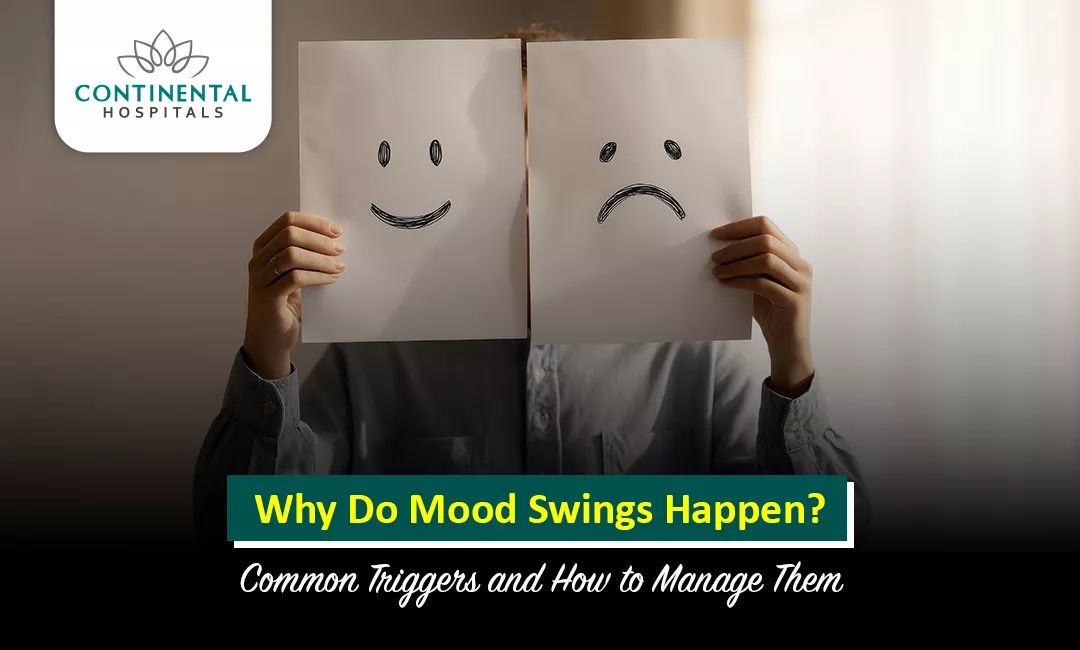
Mood swings are sudden changes in how a person feels. You may feel happy one moment and become sad, irritated, or anxious shortly afterwards. These emotional changes are a normal part of life and can happen to anyone. However, frequent mood swings may sometimes affect relationships, work, sleep, and daily activities.
Why do mood swings happen? Several factors can contribute, including hormonal changes, stress, lack of sleep, lifestyle habits, and certain health conditions. Understanding the causes of mood swings can help you recognize emotional patterns and find healthy ways to manage them. If sudden mood changes happen often or affect your quality of life, seeking professional guidance can help identify the underlying cause.
What Are the Common Causes of Mood Swings?
Mood swings can develop for different reasons. Identifying possible triggers is an important step towards better emotional health.
1. Hormonal Changes
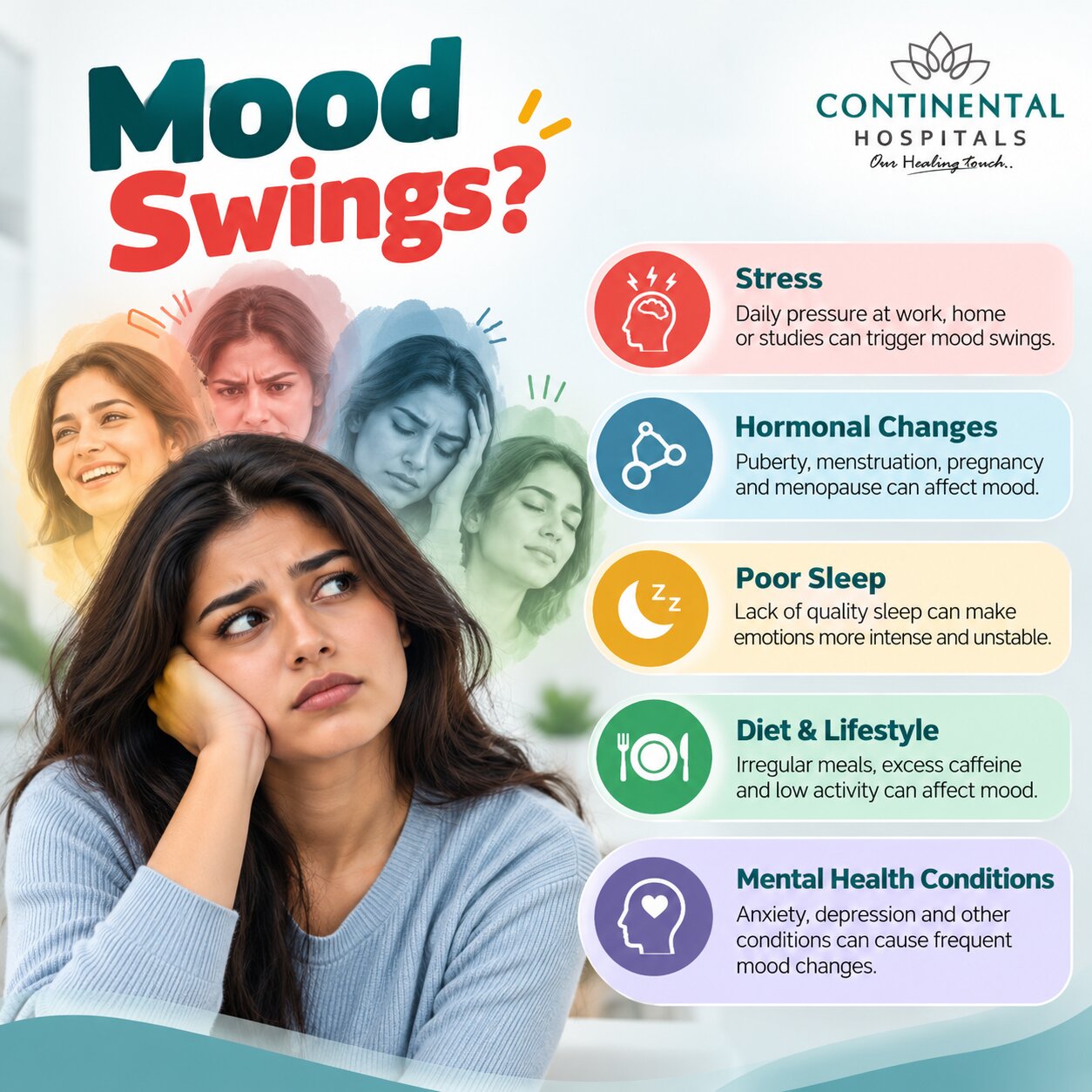
Hormones can affect mood and emotional responses. Hormonal fluctuations during puberty, menstruation, pregnancy, and menopause may lead to irritability, sadness, or increased sensitivity.
2. Stress and Anxiety
Work pressure, family responsibilities, financial worries, and personal challenges can affect emotional balance. Ongoing stress may make it harder to control reactions and manage everyday situations.
3. Lack of Sleep
Poor sleep can affect concentration, patience, and emotional control. Not getting enough rest may make you feel irritated, overwhelmed, or unusually sensitive.

4. Unhealthy Lifestyle Habits
Skipping meals, consuming too much caffeine, drinking alcohol, and following an irregular sleep routine may contribute to sudden mood changes.
5. Mental Health Conditions
Frequent mood swings may sometimes be associated with depression, anxiety disorders, or bipolar disorder. However, mood swings alone do not mean that someone has a mental health condition. A professional assessment is needed to understand the cause.
6. Medical Conditions and Medicines
Certain medical conditions, including thyroid problems and blood sugar changes, can affect mood. Some medicines may also influence emotional well-being.
Visit the General Medicine Department at Continental Hospitals, Hyderabad, for professional medical guidance and appropriate treatment.
What Are the Common Symptoms of Mood Swings?
How can you recognize mood swings? The symptoms may differ depending on the person and the underlying cause.
Common mood swing symptoms include:
- Sudden feelings of happiness, sadness, or anger.
- Increased irritability or frustration.
- Feeling anxious or worried without a clear reason.
- Becoming emotional more easily than usual.
- Difficulty managing reactions during stressful situations.
- Changes in energy, motivation, or concentration.
- Emotional changes that affect relationships or daily routines.
Occasional emotional changes are common. However, frequent or intense mood swings that interfere with everyday life deserve attention.
How Can You Manage Mood Swings Naturally?
Can simple lifestyle changes help manage mood swings? Yes. Healthy daily habits can support emotional balance and improve overall well-being.
Here are some practical steps you can follow:
1. Maintain a Regular Sleep Routine
Aim for consistent sleep and wake-up times. Good sleep supports concentration, emotional control, and mental health.
2. Eat Balanced Meals
Include fruits, vegetables, whole grains, protein, and healthy fats in your diet. Regular meals can help prevent blood sugar fluctuations that may affect mood.
3. Exercise Regularly
Walking, cycling, stretching, or other physical activities can help reduce stress and improve mood.
4. Practice Stress Management
Deep breathing, meditation, journaling, and relaxing activities may help you respond calmly to difficult situations.
5. Track Your Mood Changes
Keep a simple record of your emotions, sleep patterns, menstrual cycle when relevant, and possible triggers. This may help you identify patterns over time.
6. Seek Support
Talking to a trusted person can help you manage difficult emotions. If mood swings continue or become difficult to control, consider speaking with a healthcare professional.
When Should You Seek Medical Help for Mood Swings?
When do mood swings require professional attention? You should consult a doctor if emotional changes are frequent, severe, unexplained, or interfere with your daily life.
Seek professional guidance if you experience:
- Persistent sadness, anxiety, or irritability.
- Sudden changes in sleep, energy, or behavior.
- Difficulty managing emotions at work or home.
- Mood changes that begin after starting a new medicine.
- Periods of unusually high energy with very little need for sleep.
- Emotional symptoms that affect relationships or daily responsibilities.
A healthcare professional may review your symptoms, medical history, lifestyle, and medicines. Depending on the findings, further tests or a referral to a mental health specialist may be recommended.
If you experience thoughts of self-harm or suicide, seek immediate professional help or emergency assistance.
What Treatments Are Available for Frequent Mood Swings?
Mood swing treatment depends on the underlying cause. There is no single treatment that works for everyone.
Depending on your needs, treatment may include:
- Counselling or psychotherapy to understand emotions and develop coping skills.
- Treatment for underlying medical conditions, such as thyroid disorders.
- Medical guidance for hormone-related symptoms when appropriate.
- Medicines prescribed by a qualified doctor when necessary.
- Lifestyle changes to improve sleep, nutrition, and stress management.
Avoid starting or stopping prescribed medicines without medical advice. The right treatment begins with understanding why the mood changes are happening.
Why Choose Continental Hospitals for Mental Health Care?
Why is professional support important for persistent mood swings? Emotional changes can have several possible causes, so a proper assessment can help determine the most suitable approach to care.
Continental Hospitals, Hyderabad, offers comprehensive healthcare supported by experienced medical specialists, modern diagnostic facilities, and multidisciplinary expertise. The hospital holds national and international healthcare accreditations, including National Accreditation Board for Hospitals and Healthcare Providers (NABH) and Joint Commission International (JCI), reflecting its commitment to quality standards and patient safety.
Patients experiencing persistent mood swings can seek medical evaluation to understand possible contributing factors and receive appropriate guidance or referral to a mental health professional.
Conclusion
Mood swings can happen because of hormonal changes, stress, poor sleep, lifestyle habits, or underlying health conditions. While occasional emotional changes are normal, frequent mood swings should not be ignored when they affect your daily life.
You can support emotional well-being by maintaining a regular sleep routine, eating balanced meals, exercising, managing stress, and seeking help when needed.
If you suffer from frequent mood swings, unexplained emotional changes, persistent anxiety, or ongoing sadness, consult our best general physician in Hyderabad at Continental Hospitals, Hyderabad, for professional evaluation and personalized care. Early support can help you understand your symptoms and take positive steps towards better emotional health.