post-title

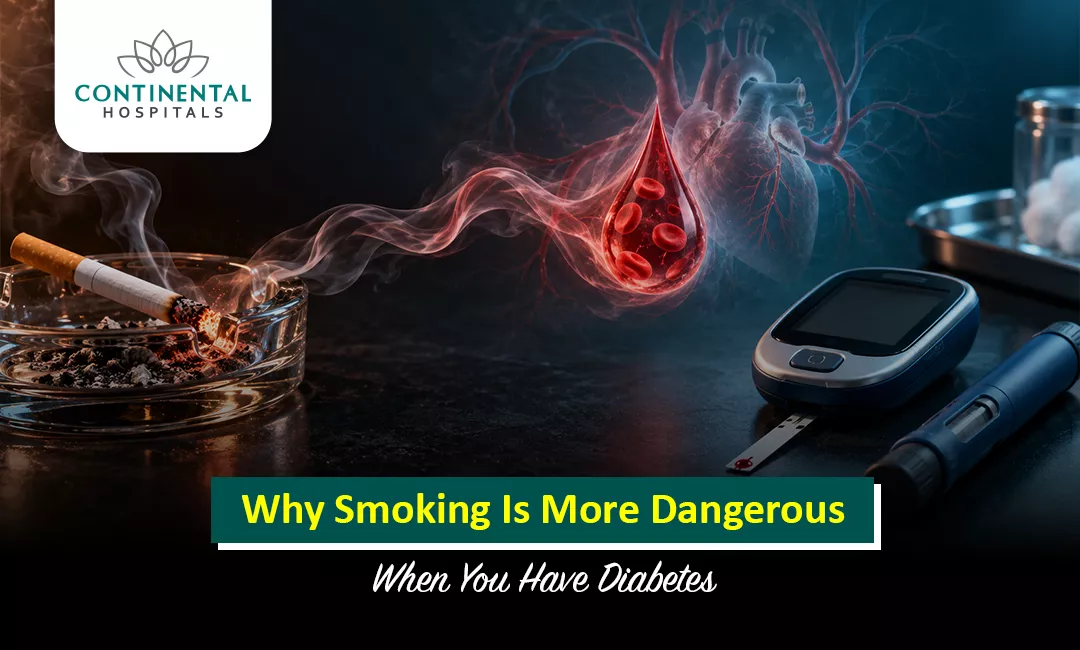
Why Smoking Is More Dangerous When You Have Diabetes

Written by - Editorial Team
Medically Reviewed by - Dr Sunil Epuri

What is the cause of the combined occurrence of smoking and diabetes being so dangerous? Diabetes inherently increases the chances of developing many health problems affecting the heart, blood vessels, kidneys, eyes, nerves, and feet, while smoking in a way exerts an additional negative impact on the body by introducing nicotine and various harmful substances, thus being detrimental for blood vessels and insulin utilization by the organism.

Smoking and diabetes together represent an even bigger threat for health. People with diabetes who smoke face even bigger difficulties with maintaining their blood sugar levels and can face cardiovascular diseases and other associated complications. Therefore, having the right knowledge concerning the risk of smoking together with diabetes will be an excellent starting point for the smokers looking for solutions to quit smoking and change their health for the better.

How is Smoking Related to Blood Sugar Levels?

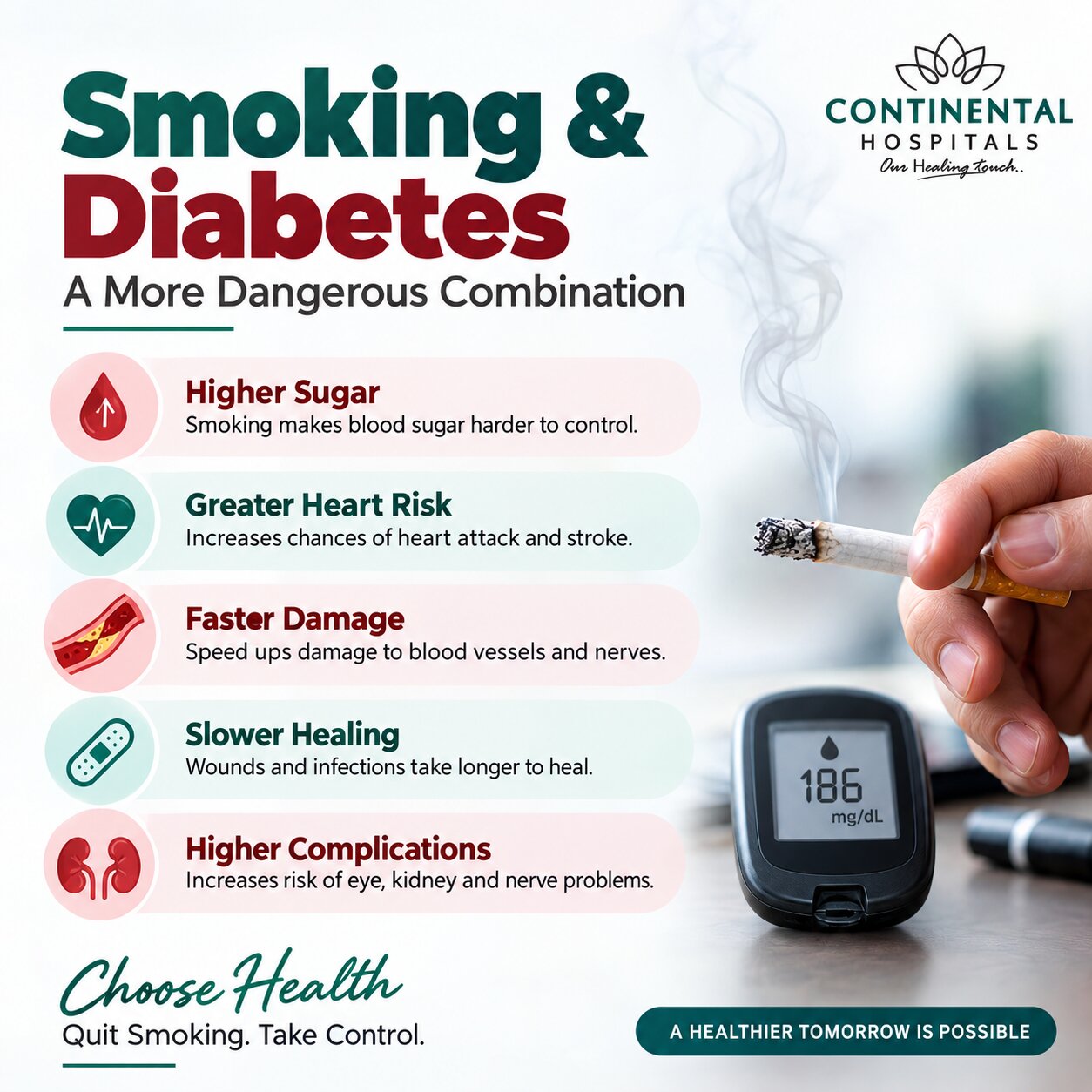
Can smoking impair blood sugar control? Absolutely. Nicotine can alter the body's ability to respond to insulin. Therefore, blood sugar levels can be more difficult to manage in some individuals with diabetes.

Smoking can also affect stress hormones and other factors that influence glucose levels. Thus, smoking along with diabetes can complicate blood glucose control.

The best way to manage an individual’s diabetes does not only involve controlling glucose levels but also avoiding tobacco.

Visit the Diabetology & Endocrinology Department at Continental Hospitals, Hyderabad, for expert diabetes care and comprehensive support.

Why Does Smoking Kill in Diabetes?

The targets of diabetes and smoking are more vulnerable to cardiovascular disease. Diabetes could cause permanent damage to blood vessels and increase cardiovascular disease risk. Smoking increases the damage caused to blood vessels, brings inflammation, and helps in accumulating fat in blood arteries.

If the two processes appear together, the danger of cardiovascular problems raises exponentially.

Possible consequences of smoking paired with diabetes are: 

Second Opinion

Heart disease
• Heart attack
• Stroke
• Poor circulation
• Hypertension
• Damage of blood vessels

Stopping smoking could help lessen the risks mentioned above and improve the cardiovascular state.
Can smoking worsen complications from diabetes?

Does smoking make complications of diabetes worse? The answer is affirmative. Smoking causes blood circulation disturbances and affects the delivery of oxygen to different parts of our body. This is especially worrying for patients suffering from diabetes. Their prolonged elevated blood glucose levels can damage blood vessels and nerves.

The combination of smoking and diabetes may increase the chances of complications in various body systems.

The problems may include:

• Damage to nerves
Kidney diseases
• Disorders of vision
• Heart diseases
• Difficulties with healing wounds
• Foot issues

Need an Appointment?

Maintaining a good blood glucose level, going for medical checkups, and refraining from smoking are effective ways to prevent such problems.

How Can Smoking Cause Circulated Problems for Diabetic Patients?

What is the importance of circulation in diabetes? Good circulation may regulate nutrients as well as help in the wound healing process. Diabetes might cause blood vessel issues, and smoking further restricts and injures them.

Smoking diabetes sufferers usually have a greatly decreased circulation, especially in their feet and legs. Even small wounds may take longer to heal, increasing chances of infection and other complications.

This is one of the explanations why diabetic patients should examine their feet regularly and always see a doctor in case healing requires too much time.

Does Tobacco Use Affect Kidneys and Eyes?

Can tobacco and diabetes affect the kidney and eyes? Smoking along with diabetes can lead to injuries of the small blood vessels.

Diabetes is a recognized risk factor for kidney and diabetic eye diseases. Smoking might contribute to blood vessel injury of the person.

Thus, having a regular check for kidney function and assessing eye condition is highly desirable for diabetic patients.

Why Should Patients With Diabetes Give Up Smoking?

Quitting smoking makes a difference even if you already have diabetes, as quitting smoking cancels out the entry of harmful substances into your body as well as enhances your cardiovascular and overall health.

The influence of quitting can be visible shortly after and will only accumulate over time. However, stopping smoking can prove to be rather problematic for smokers with years of experience.

Healthcare specialists can provide their assistance in many ways, for example, through:

• Helping you quit smoking
• Making you understand your personal reasons for smoking
• Associating smoking with addictive behavior 
• Prescription medication if suitable 
• Support throughout the quitting process

If you are a diabetes sufferer, speaking to your doctor about quitting smoking is an important measure.

What Other Things Can Be Done to Minimize Diabetes-Related Risk From Smoking?

• Check blood sugar levels as per the doctor's advice.
• Take all medicine articles as prescribed by the doctor.
• Stop smoking and do not expose oneself to secondhand smoke.
• Eat a healthy and balanced diet.
• Get exercise depending on physical condition.
• Keep an eye on blood pressure and cholesterol.
• See the doctor regularly for diabetes checkups.
• Inspect feet for sores or cuts.
• Go in for screenings for eyes and kidneys when recommended.
• Seek help in quitting smoking.

By doing all of the above, diabetes can be controlled and steps taken to avoid other threats.

Why Choose Continental Hospitals for Diabetes Care?

Why is comprehensive medical care important for people dealing with smoking and diabetes? Diabetes can affect multiple organs, particularly when blood sugar levels remain uncontrolled or additional risk factors such as tobacco use are present. Regular assessment can help identify risks early and support appropriate management.

Continental Hospitals, Hyderabad, provides comprehensive diabetes care supported by experienced specialists, advanced diagnostic facilities, modern infrastructure, and multidisciplinary medical expertise. The hospital follows established healthcare quality and patient safety practices and holds national and international accreditations, reflecting its commitment to quality standards and continuous improvement.

Patients can receive coordinated care focused on diabetes management, prevention of complications, cardiovascular risk assessment, and lifestyle support.

What Should You Remember About Smoking and Diabetes?

• Smoking can make blood sugar management more challenging.
• Diabetes and smoking together can increase cardiovascular risks.
• Smoking may worsen circulation and affect wound healing.
• Smoking with diabetes can increase the risk of several diabetes complications.
• Tobacco use and diabetes can contribute to blood vessel damage.
• Quitting smoking is an important step toward protecting long-term health.
• Professional support can make tobacco cessation more achievable.

Conclusion

Why should people with diabetes take smoking seriously? Diabetes already places additional stress on the body's blood vessels and organs. Smoking can add further damage and increase the risk of heart disease, circulation problems, kidney and eye complications, nerve damage, and poor wound healing.

If you suffer from diabetes and smoke or use tobacco, consult our best diabetologist or endocrinologist in Hyderabad at Continental Hospitals, Hyderabad, for personalized diabetes management, complication prevention, and professional support for tobacco cessation. Taking steps to control blood sugar and stop smoking can help protect your health and improve your long-term well-being.

Related Blogs:

  1. 7 Healthy Foods for Diabetes What to Add to Your Daily Diet
  2. Why People with Type 2 Diabetes Are at Higher Risk of Severe Dengue

Frequently Asked Questions

Smoking can make diabetes harder to manage. It can increase blood sugar levels and insulin resistance. Tobacco chemicals can affect how the body responds to insulin. Smoking also damages blood vessels over time. Diabetes already increases the risk of blood vessel complications. Combining smoking and diabetes can further increase cardiovascular risks. Smokers with diabetes may have a higher risk of heart disease and stroke. Smoking can also reduce blood flow to the legs and feet. Poor circulation may make wounds harder to heal. This can increase the risk of serious foot complications. Smoking may also contribute to kidney and eye complications. Quitting smoking can help reduce these health risks. People with diabetes should discuss smoking cessation with their healthcare provider.
Yes, smoking can affect blood sugar control in people with diabetes. Nicotine can make it harder for the body to use insulin effectively. This may increase insulin resistance. Smoking can therefore contribute to higher blood glucose levels. The effect can vary from person to person. People who smoke may also find diabetes management more difficult. Poor blood sugar control can increase the risk of long-term complications. These complications can affect the heart, kidneys, eyes and nerves. Smoking adds another source of stress to the cardiovascular system. Regular blood glucose monitoring remains important for people with diabetes. Quitting smoking can support better overall diabetes management. Healthcare professionals can provide guidance on quitting safely. Blood sugar levels should continue to be monitored after quitting because medication needs may change.
Smoking can increase the risk of several diabetes-related complications. It can damage blood vessels and reduce healthy circulation. This can increase the risk of cardiovascular disease. Smoking may also contribute to nerve and kidney problems. People with diabetes already have a higher risk of these complications. Smoking can make the combined risk even greater. Reduced blood flow can affect healing, especially in the feet. Foot wounds may take longer to heal when circulation is poor. Serious infections can develop when wounds are not treated promptly. Smoking can also increase the risk of eye and vision problems. Maintaining good blood sugar control can help lower diabetes complications. Quitting tobacco is another important step toward protecting long-term health. Regular medical check-ups can help identify complications early.
Smoking can affect the way the body responds to insulin. Nicotine can contribute to increased insulin resistance. Insulin resistance means cells do not respond to insulin as effectively. This can make blood glucose harder to control. People with diabetes may therefore need closer monitoring of their blood sugar. Smoking can also affect metabolism and cardiovascular health. These effects can make diabetes management more challenging. The impact may vary depending on smoking habits and individual health. Quitting smoking can help improve overall metabolic and cardiovascular health. People should not change diabetes medication without medical advice. Blood glucose may change after quitting as the body adjusts. A healthcare professional can help monitor these changes. Smoking cessation support can make quitting more achievable. Stopping tobacco use is beneficial at any stage of diabetes.
Yes, smoking can interfere with wound healing in people with diabetes. Tobacco use can damage blood vessels and reduce blood flow. Reduced circulation means less oxygen may reach damaged tissues. Diabetes can already slow wound healing when blood sugar is poorly controlled. Smoking can add another barrier to the healing process. Foot wounds are particularly important because diabetes can affect nerves and circulation. Reduced sensation may make injuries difficult to notice early. Poor healing can increase the risk of infection. In severe cases, untreated diabetic foot problems can lead to tissue damage. People with diabetes should check their feet regularly. Any wound, redness or swelling should receive prompt medical attention. Quitting smoking can support better circulation and healing. Good glucose control and proper foot care are also important.
Smoking can significantly increase cardiovascular risk in people with diabetes. Diabetes itself is associated with a higher risk of heart disease. Smoking can damage the lining of blood vessels. It can also promote inflammation and contribute to blood vessel narrowing. These effects can increase the likelihood of cardiovascular problems. Smoking may also raise blood pressure and affect cholesterol-related risk. The combination of diabetes and smoking can therefore be particularly harmful. Heart disease can develop without obvious symptoms for a long time. Managing blood sugar, blood pressure and cholesterol is important. Avoiding tobacco is another major step toward reducing cardiovascular risk. People who smoke should consider evidence-based quitting support. Doctors can recommend suitable strategies based on individual needs. Quitting can provide health benefits even after years of smoking.
Quitting smoking can provide important health benefits for people with diabetes. It removes exposure to nicotine and other harmful tobacco chemicals. Over time, quitting can improve cardiovascular health and circulation. It can also reduce the health risks associated with continued tobacco use. Better circulation can support healthier tissues and wound healing. Quitting may also make overall diabetes management easier. Blood glucose levels can change after quitting, so monitoring is important. Some people may experience temporary changes in appetite or body weight. Healthcare professionals can help manage these changes. Nicotine replacement or other approved cessation treatments may be appropriate for some people. Counseling and behavioral support can also improve the chances of quitting successfully. There is no age or stage of diabetes at which quitting is too late to help. Every smoke-free day is a step toward better long-term health.
People with diabetes can use several evidence-based strategies to quit smoking. Start by choosing a realistic quit date and preparing for it. Identify situations, emotions or habits that trigger the urge to smoke. Remove cigarettes, lighters and other tobacco products from your surroundings. Tell family or friends about your decision to quit. Support from healthcare professionals can improve the chances of success. Counseling can help manage cravings and prevent relapse. Nicotine replacement therapy may help some people manage withdrawal symptoms. Prescription medicines may also be considered when appropriate. People with diabetes should discuss these options with their doctor. Blood glucose should be monitored regularly during the quitting process. Healthy activities such as walking can help manage stress and cravings. If a relapse happens, restarting the quit attempt is still worthwhile.
Disclaimer: The information provided in this blog is intended for general knowledge and informational purposes only, and does not constitute medical advice. Always consult with a qualified healthcare professional for any medical concerns or before making any decisions about your health.

Get in Touch With Us

Whether you are from India or abroad, we are here to help you with your medical queries. Please fill out the form below and our team will connect with you shortly.

  • ✔ Quick response from our medical experts
  • ✔ Secure data handling & privacy
  • ✔ Easy upload for reports & documents
banner_image

Chat with our medical experts on WhatsApp for quick assistance and hassle-free appointment booking

Recent Posts