post-title

World Heart Day 2026 - Don't Miss a Beat

Written by - Editorial Team
Medically Reviewed by - Dr Abhisekh Mohanty

World Heart Day 2026 will be celebrated on September 29 with the aim to make the world aware of heart health, realize warning signs, and take necessary actions in order to improve cardiovascular health. The motto of the World Heart Federation 2026 campaign is “Don’t Miss a Beat”, which shows how heart disease can go unnoticed, but that recognizing symptoms and taking prevention measures is important.

Why is World Heart Day important? Heart disease can occur in people of different backgrounds and lifestyles. Heart health is not just about treating heart problems once they occur. It is also about understanding risk factors, leading a healthy lifestyle, getting tests to assess one’s health, and seeking medical help when symptoms arise. World Heart Day 2026 encourages people to keep their heart health in their minds and pay attention to any signs that may require a medical examination.

What is the theme of World Heart Day 2026? 

The World Heart Federation continues with its "Don’t Miss a Beat" campaign in the year 2026. This campaign is intended to raise awareness regarding the signs and symptoms of cardiovascular diseases as well as to advise and motivate people to safeguard their heart health. 

The message behind this campaign can be summarized and understood through three simple statements: 

Recognize the Signs: People need to take note of any unusual symptoms that they might experience that could be related to heart problems or heart diseases. 

Protect Your Heart: It is necessary for everyone to know their cardiovascular risks and get to know the healthy changes that they can make in their lives. 

Take Action: It is important for people suffering from symptoms of probable cardiovascular diseases or high-risk factors to consult a qualified healthcare professional. 

Thus, we see that the phrase “Don’t Miss a Beat” is not just an expression; it carries with it important advice on listening to one’s own body and understanding its needs. 

Visit the best cardiology doctors in Hyderabad at Continental Hospitals, Hyderabad, for comprehensive heart care and expert cardiac evaluation.

Second Opinion

Why Is World Heart Day So Significant?

Let's remember that cardiovascular disease is the leading cause of deaths worldwide (approximately 20 million annually, according to the World Heart Federation).

World Heart Day allows us to address prevention, early diagnosis, treatment, and long-term care of cardiovascular health. It also reminds us that heart health involves multiple considerations.

Significant things regarding heart disease prevention are:

  • Blood pressure management
  • Cholesterol checks
  • Blood sugar control
  • Avoiding tobacco and nicotine
  • Regular exercise
  • Good nutrition
  • Appropriate weight
  • Stress management and good sleep
  • Doctor's visits

What are the signs of heart disease? 

Yes, various cardiovascular diseases may exhibit symptoms that cannot be ignored. These symptoms are generally classified as:

  • Chest discomfort
  • Shortness of breath in situations or even at rest
  • Unexpected fatigue
  • Weakness or dizziness
  • Heartbreaks or unusual sense of pulse
  • Swelling of legs or ankles
  • Fainting
  • Discomfort radiating to arms, shoulder, back, neck, or jaw

These symptoms can differ from case to case, and some people can experience unusual symptoms. It is advisable to seek immediate assistance if you experience new or serious symptoms.
How to Take Care of Your Heart?

Heart health is affected by routine actions. Constant little improvements will result in better cardiovascular health over time.

Need an Appointment?

Here are a few simple ways to do that:

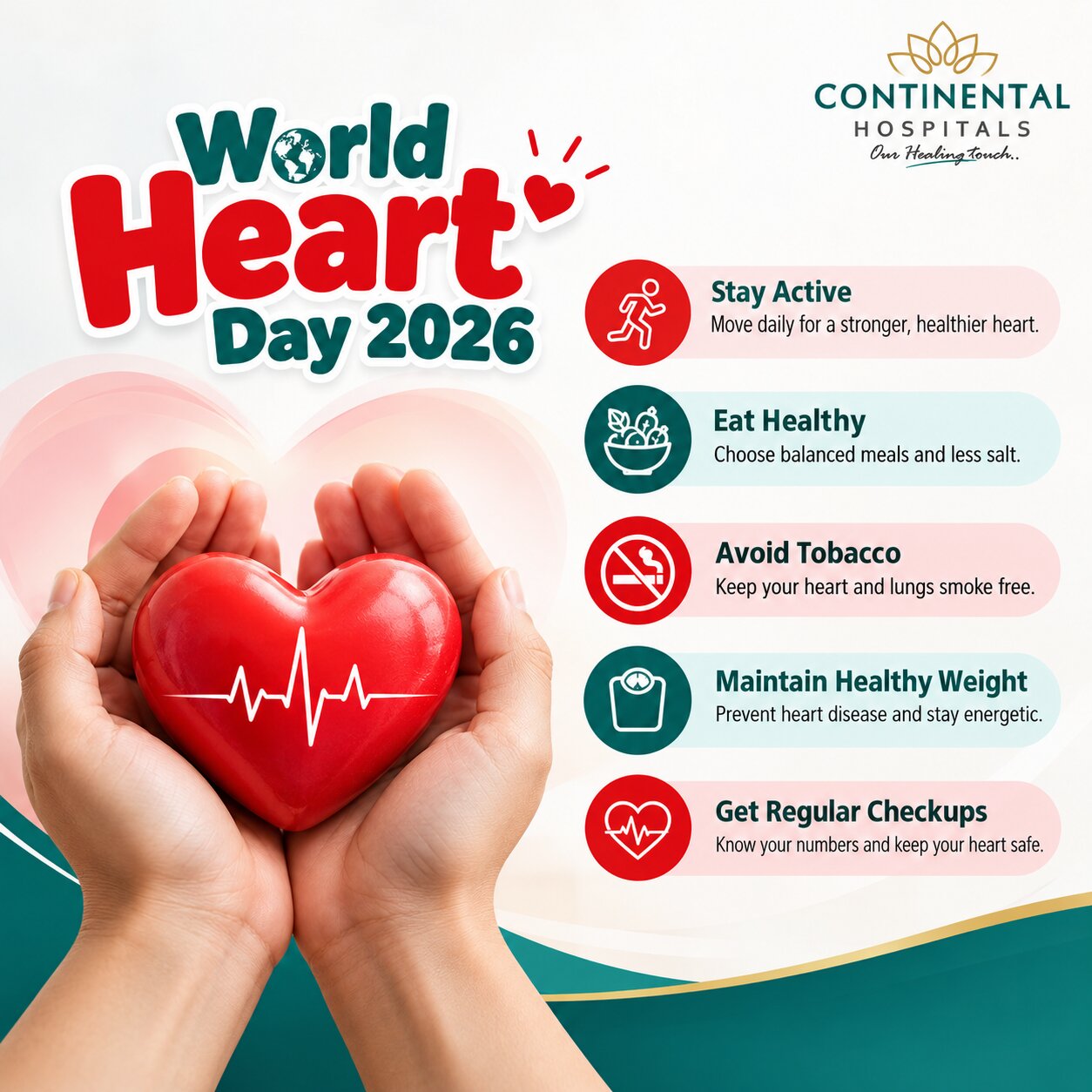
1. Stay active: Engage in activities such as walking, cycling, swimming, or any kind of physical activity suitable for your health.
2. Eat healthy: Consume vegetables, fruits, whole grains, legumes, nuts, and other healthy food varieties and refrain from unhealthy fat, salt, and sugar.
3. Check your numbers: Write down your blood pressure, blood glucose, blood cholesterol, and all other medical indications your doctor recommends.
4. Steer clear of tobacco: Smoking and exposure to tobacco raise the chances of suffering from heart disease.
5. Keep your weight in check: Moderation in weight contributes to good blood pressure, blood glucose, and cholesterol levels.
6. Control your stress: Relax and have enough sleep and exercise.

Who Is Responsible for Keeping Heart Health in Focus?

Not at all. Heart health should be given importance at all stages of life. People with health issues like diabetes, hypertension, high cholesterol, obesity, family history of heart problems, exposure to tobacco, or any other risk factors for heart issues ought to be checked and guided medically by professionals.
Young adults must also know their risk factors rather than thinking heart issues concern only older adults.

What Makes Continental Hospitals a Good Option for Cardiology?

Continental Hospitals, based in Hyderabad, offers complete cardiac care along with cardiac specialties, which matches with the knowledge of experienced doctors and modern diagnostic techniques.

Continental Hospitals has got JCI and NABH accreditation, which proves that the organization is focusing on patient safety and quality assurance. Hospitals deploy leading doctors and the appropriate combination of medical personnel to provide world-class care for patients with cardiovascular problems through various methods.

When selecting the best hospitals in Hyderabad for heart analysis and treatment, one should consider the experience of the doctors, diagnostic and emergency facilities available in the hospital, etc.

Do you know how you can honor World Heart Day 2026? 

Utilize World Heart Day 2026 as a prompt to take practical steps in the direction of heart health:

  • Know your blood pressure
  • Check your cholesterol when advised
  • Get to know your blood sugar
  • Stay active physically
  • Eat healthy
  • Avoid smoking
  • Notice any unusual symptoms
  • Take prescribed medicine
  • Get regular checkups
  • Encourage your family to care for their hearts

Moreover, the World Heart Federation's 2026 program is aimed at encouraging people to stay active throughout the whole of September through its "Keep the Beat" initiative.

What Does “Don’t Miss a Beat” Mean for You?

“Don’t Miss a Beat” means paying attention to your heart, recognizing warning signs, understanding your cardiovascular risk, and taking appropriate action. It is a simple reminder that heart health deserves attention before symptoms become difficult to ignore.

Conclusion

World Heart Day 2026 is an opportunity to make heart health part of everyday life. Understanding cardiovascular risk factors, maintaining healthy habits, monitoring important health parameters, and recognizing possible warning signs can support better heart disease prevention.

If you experience chest discomfort, unexplained breathlessness, palpitations, dizziness, fainting, or other concerning symptoms, consult our best cardiologist in Hyderabad for appropriate evaluation and medical guidance. If symptoms are sudden or severe, seek emergency medical care immediately.

This World Heart Day 2026, remember: Don’t Miss a Beat. Listen to your heart, protect your cardiovascular health, and take action when something does not feel right.

Frequently Asked Questions

World Heart Day is observed every year on September 29. It raises awareness about cardiovascular health worldwide. The day highlights the importance of preventing heart disease and stroke. It encourages people to understand their heart health risks. Healthy lifestyle choices can support better cardiovascular health. Regular physical activity is important for heart health. Eating a balanced diet can also help reduce risk factors. Avoiding tobacco is another important step for heart protection. Managing blood pressure, cholesterol and blood sugar is essential. Regular health check-ups can help identify potential risks early. World Heart Day encourages people to take action for their hearts. The 2026 theme and campaign messaging can inspire heart-health awareness. Every heartbeat is a reminder to care for your cardiovascular health.
World Heart Day 2026 will be observed on September 29. The day is dedicated to raising awareness about cardiovascular health. It focuses attention on heart disease and stroke prevention. People can use the occasion to learn about heart-health risks. It is also an opportunity to review daily lifestyle habits. Regular exercise can support cardiovascular fitness. A heart-healthy diet can help manage several risk factors. Avoiding smoking and tobacco can protect cardiovascular health. Managing stress and getting adequate sleep are also important. Regular medical check-ups can help detect health concerns. Knowing your blood pressure and cholesterol levels can be useful. Early attention to risk factors can support long-term heart health. The message is simple: don't miss a beat when it comes to caring for your heart.
The heart plays a central role in keeping the body supplied with blood. It delivers oxygen and nutrients to tissues throughout the body. Cardiovascular diseases can affect the heart and blood vessels. Some cardiovascular risk factors can be prevented or managed. High blood pressure is an important risk factor for heart disease. High cholesterol can also increase cardiovascular risk. Diabetes can affect heart and blood-vessel health. Smoking significantly increases cardiovascular risk. Physical inactivity can contribute to several heart-health risk factors. A balanced diet can support healthier blood pressure and cholesterol levels. Regular health checks can help identify risks early. Taking care of your heart can support overall health and quality of life. Small healthy habits can make a meaningful difference over time.
You can support heart health through consistent healthy habits. Stay physically active according to your health and fitness level. Choose a balanced diet rich in vegetables, fruits and whole grains. Limit foods high in excess salt, sugar and unhealthy fats. Avoid smoking and exposure to tobacco smoke. Maintain a healthy weight when possible. Check your blood pressure regularly. Monitor cholesterol and blood sugar when recommended. Get enough quality sleep each night. Find healthy ways to manage stress. Limit alcohol according to medical guidance. Attend regular health check-ups when appropriate. If you develop concerning symptoms, seek medical attention promptly.
Several factors can increase the risk of cardiovascular disease. High blood pressure is one of the major modifiable risk factors. High LDL cholesterol can contribute to artery disease. Diabetes can increase the risk of cardiovascular complications. Smoking damages blood vessels and increases heart disease risk. Physical inactivity can contribute to cardiovascular risk. Being overweight or obese may increase several heart-health risks. An unhealthy diet can affect blood pressure and cholesterol. Excessive alcohol consumption can also affect cardiovascular health. Family history may contribute to a person's risk. Age is another factor associated with cardiovascular disease. Some risk factors cannot be changed, but others can be managed. Knowing your risk factors can help you discuss prevention with a healthcare professional.
A heart attack can cause different symptoms in different people. Chest pressure, squeezing or discomfort is a common warning sign. Pain or discomfort may spread to the arm, shoulder, back, neck or jaw. Some people may experience shortness of breath. Sweating, nausea or dizziness can also occur. Unusual or sudden weakness may be another symptom. Women may experience symptoms that differ from classic chest pain. Some people may have mild or less typical symptoms. Symptoms should not be ignored or delayed. A suspected heart attack requires urgent medical attention. Call your local emergency medical service when serious symptoms occur. Do not attempt to diagnose a heart attack yourself. Prompt treatment can be critical during a heart attack.
Many cardiovascular risk factors can be prevented or managed. Healthy lifestyle habits can help reduce several heart disease risks. Regular physical activity supports cardiovascular fitness. A balanced diet can help maintain healthier cholesterol and blood pressure. Avoiding tobacco is one of the most important preventive steps. Maintaining a healthy weight can also support heart health. Managing diabetes is important for reducing cardiovascular complications. Blood pressure should be checked and treated when necessary. Cholesterol levels should be monitored based on individual risk. Adequate sleep and stress management can support overall health. Regular medical check-ups can help identify risk factors early. Some people may need medicines prescribed by their doctor. Prevention strategies should be personalized according to individual health needs.
The frequency of heart-health checks depends on individual risk factors. Blood pressure can be checked regularly as recommended by a healthcare professional. Cholesterol testing depends on age, health history and cardiovascular risk. Blood sugar testing may be recommended for people with diabetes risk factors. People with a family history may need closer monitoring. Smoking and other lifestyle factors can also influence screening needs. Regular medical visits provide an opportunity to review cardiovascular risk. Your doctor can recommend appropriate tests based on your health profile. Heart health checks are not limited to people with symptoms. Preventive assessments can help identify risk factors before complications develop. New or unexplained symptoms should be evaluated promptly. Chest pain or severe breathing difficulty requires urgent medical attention. Don't miss a beat when it comes to understanding and managing your heart health.
Disclaimer: The information provided in this blog is intended for general knowledge and informational purposes only, and does not constitute medical advice. Always consult with a qualified healthcare professional for any medical concerns or before making any decisions about your health.

Get in Touch With Us

Whether you are from India or abroad, we are here to help you with your medical queries. Please fill out the form below and our team will connect with you shortly.

  • ✔ Quick response from our medical experts
  • ✔ Secure data handling & privacy
  • ✔ Easy upload for reports & documents
banner_image

Chat with our medical experts on WhatsApp for quick assistance and hassle-free appointment booking

Recent Posts