.webp)

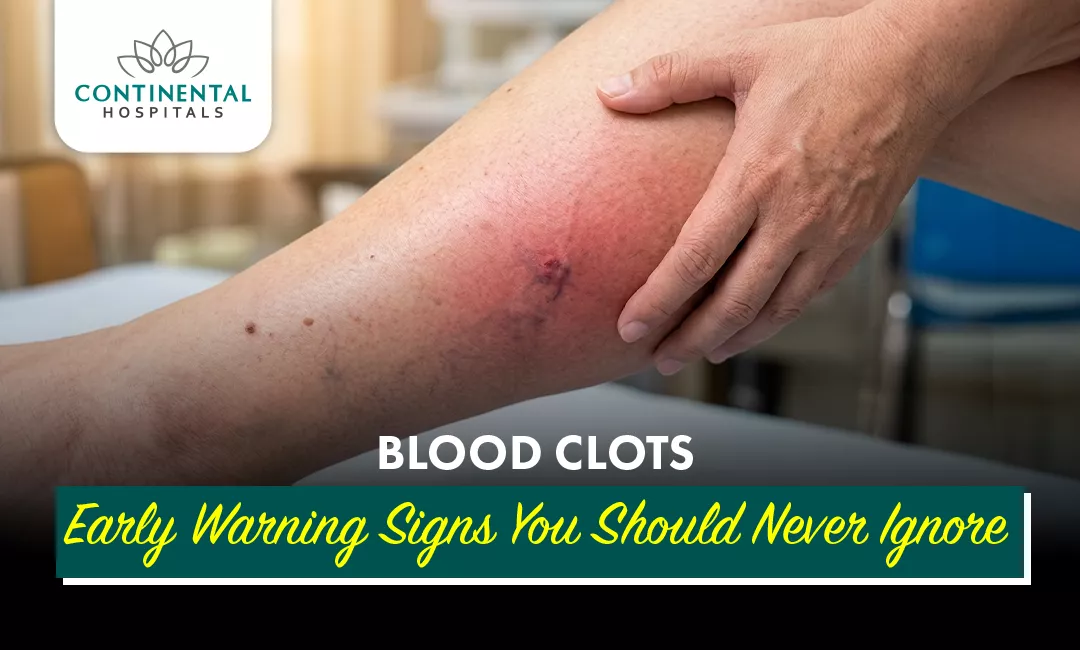
Your body has a remarkable way of protecting itself. When you get a cut, your blood clumps together to stop the bleeding. This is a life-saving process called clotting. However, when a blood clot forms inside your veins or arteries without a good reason, it can become a silent and dangerous threat. Understanding the warning signs of blood clots is not just about medical knowledge; it is about protecting your life and the lives of your loved ones.
What is a Blood Clot?
A blood clot is a gel-like mass formed by platelets and fibrin in the blood. While they are necessary to plug an external injury, internal blood clots can block the flow of blood to vital organs. If a clot breaks free and travels through the bloodstream, it can lead to severe complications like a stroke, heart attack, or pulmonary embolism. Recognizing signs of blood clots early is the most effective way to ensure a positive outcome.
Why Do Blood Clots Form?
Several factors can lead to abnormal blood clotting. Prolonged immobility, such as sitting for long hours during travel or recovery after surgery, is a common trigger. Other factors include certain medical conditions, smoking, and lifestyle choices. By knowing how to prevent blood clots, you can significantly reduce your risk.
Persistent leg pain or swelling? Concerned about heart health? Visit our Vascular Surgery Department at Continental Hospitals for expert care today.
Early Warning Signs You Should Never Ignore
The symptoms of a blood clot often depend on where it is located in the body. Being aware of these blood clot symptoms allows you to seek medical help before the situation becomes an emergency.
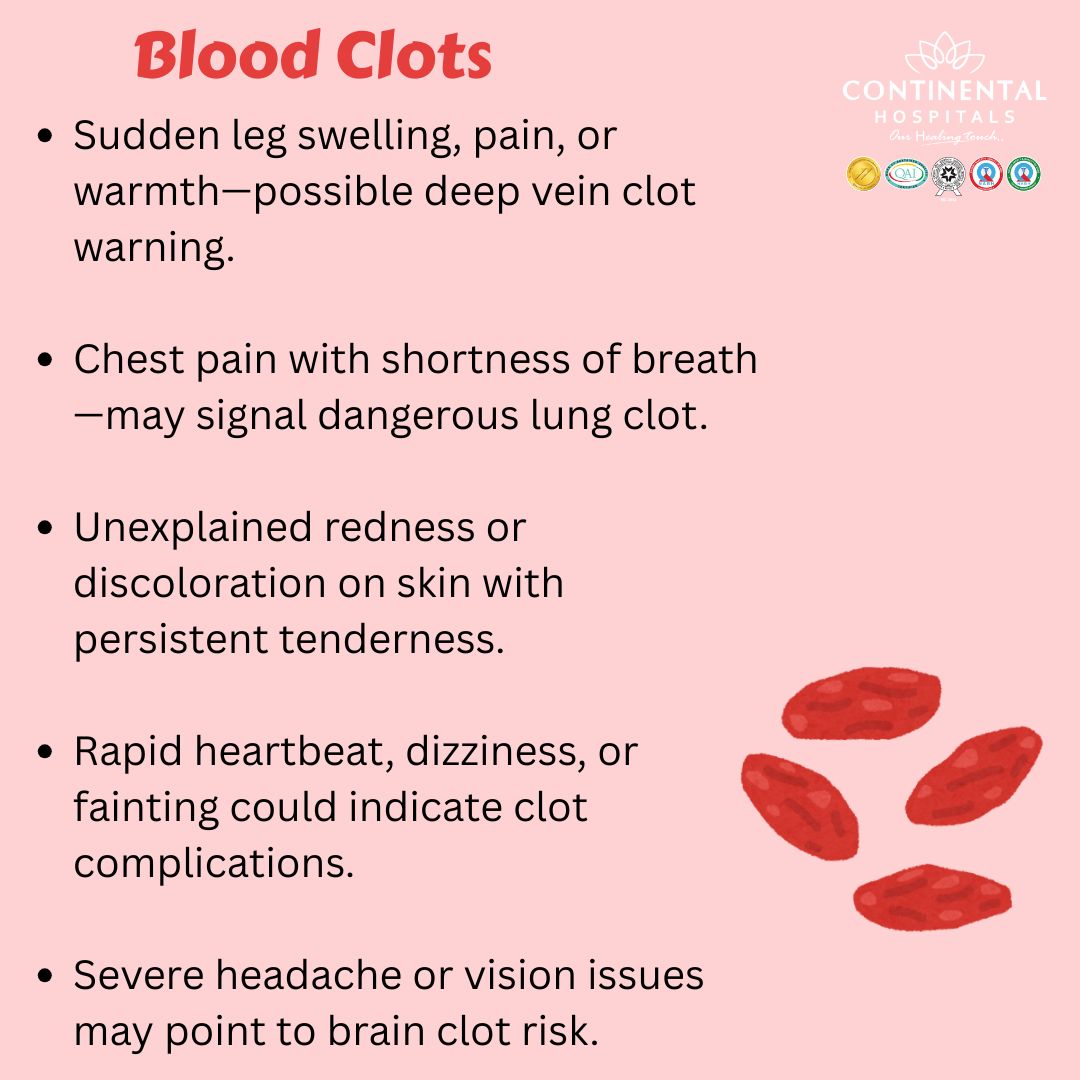
1. Blood Clots in the Legs or Arms (Deep Vein Thrombosis)
This is one of the most common types of internal clots. It usually occurs in the lower leg or thigh.
- Swelling: You might notice that one leg or arm looks significantly larger than the other.
- Pain or Tenderness: It often feels like a persistent cramp or a "charley horse" that does not go away.
- Skin Warmth: The area where the clot is located may feel warm to the touch.
- Redness or Discoloration: The skin might take on a reddish or bluish tint.
2. Blood Clots in the Lungs (Pulmonary Embolism)
When a clot from the leg travels to the lungs, it causes a pulmonary embolism. This is a medical emergency.
- Shortness of Breath: Sudden difficulty breathing or feeling winded without exertion.
- Chest Pain: Sharp pain that feels worse when you take a deep breath.
- Rapid Heartbeat: A fluttering or racing heart rate.
- Coughing: Unexplained coughing, sometimes producing blood.
3. Blood Clots in the Heart (Heart Attack)
If a blood clot blocks an artery in the heart, it leads to a heart attack.
- Heaviness in the Chest: A feeling of intense pressure or squeezing.
- Pain in the Upper Body: Pain that radiates to the jaw, neck, or left arm.
- Sweating: Sudden cold sweats or lightheadedness.
4. Blood Clots in the Brain (Stroke)
A blood clot that travels to the brain can cut off oxygen, leading to a stroke.

- Facial Drooping: One side of the face may sag or feel numb.
- Arm Weakness: Difficulty lifting one arm or feeling a lack of coordination.
- Speech Difficulties: Slurred speech or trouble understanding others.
How to Prevent Blood Clots
Prevention is always better than cure. Following these simple steps can help maintain healthy blood clotting levels?
- Stay Active: Move your legs frequently if you work at a desk or travel on long flights.
- Hydration: Drink plenty of water to keep your blood flowing smoothly.
- Healthy Weight: Maintaining an ideal body weight reduces the pressure on your veins.
- Quit Smoking: Smoking damages the lining of blood vessels, making clots more likely.
- Follow Medical Advice: If you have had surgery or have a chronic condition, follow your doctor's instructions regarding movement and medication.
Why Choose Continental Hospitals for Your Care?
When dealing with a condition as serious as a blood clot, where you seek treatment matters. Continental Hospitals is widely recognized as the best hospital in Hyderabad for vascular and cardiac care.
World-Class Accreditations
Continental Hospitals holds prestigious accreditations that reflect our commitment to global standards of healthcare. We are proud to be accredited by the Joint Commission International (JCI) and the National Accreditation Board for Hospitals & Healthcare Providers (NABH). These certifications ensure that our patients receive the highest quality of safety and clinical excellence.
Advanced Diagnostic Tools
We use cutting-edge imaging technology to detect blood clots with precision. From high-resolution ultrasounds to advanced CT scans, our diagnostic department works around the clock to provide fast and accurate results.
Expert Medical Team
Our multidisciplinary team includes renowned cardiologists, vascular surgeons, and hematologists. We work together to create personalized treatment plans that focus on removing the blood clot and preventing future occurrences.
Comprehensive Infrastructure
With state-of-the-art operation theaters and dedicated intensive care units, we are equipped to handle the most complex cases of blood clotting disorders. Our facility is designed to provide a seamless and comfortable experience for every patient.
Fast Facts About Blood Clots
- Did you know that blood clots can affect anyone, regardless of age?
- Many signs of blood clots are subtle, making regular check-ups essential.
- Early intervention for blood clot symptoms can prevent long-term damage to your organs.
- Does Continental Hospitals provide 24/7 emergency services for suspected strokes or heart attacks?
Understanding the Risks
Certain groups are at a higher risk for developing a blood clot. This includes individuals who have recently undergone major surgery, those with a family history of clotting disorders, and people with limited mobility. If you fall into any of these categories, being vigilant about warning signs of blood clots is vital.
When to See a Doctor?
If you experience any sudden swelling, unexplained pain in your limbs, or difficulty breathing, do not wait. Every minute counts when dealing with a blood clot. A quick visit to the emergency department can save your life. Our team at Continental Hospitals is trained to respond rapidly to these symptoms, ensuring that treatment begins the moment you arrive.
Conclusion
A blood clot is a serious medical condition, but it is manageable when caught early. By staying informed about the warning signs of blood clots and taking proactive steps toward how to prevent blood clots, you can maintain your health and vitality. Trust the expertise of the medical professionals at the best hospital in Hyderabad to guide you through your recovery and long-term wellness.
Continental Hospitals is dedicated to providing compassionate care backed by scientific excellence. Whether it is a routine screening or an emergency intervention, our doors are always open to ensure the health of your heart and vascular system.
If you suffer from persistent leg pain or swelling or have concerns about your heart health. Consult our best vascular surgeon in Hyderabad at Continental Hospitals.
Related Blog Topics: