.webp)

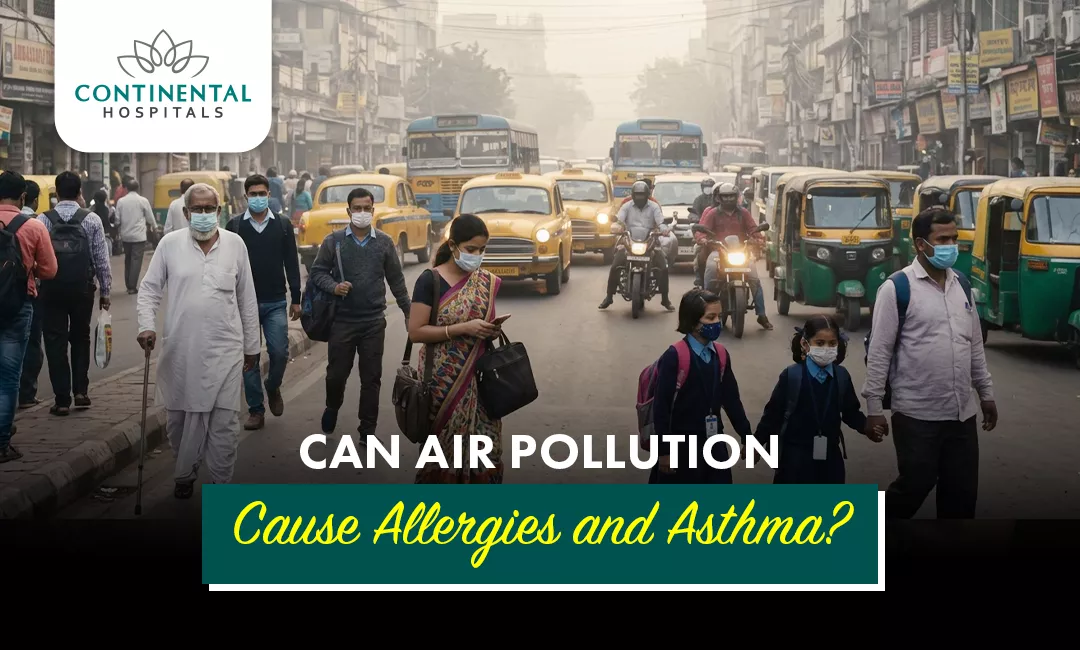
Air quality has become a significant concern for residents in urban centers. As one of the most rapidly developing cities, the search for the best hospital in Hyderabad often leads back to a central question: how does the environment affect our respiratory health? The link between air pollution and respiratory conditions like asthma and allergies is backed by extensive medical research. Understanding this connection is the first step toward protecting your family and managing long-term health.
The Connection Between Air Pollution and Respiratory Health
When we talk about air pollution, we are referring to a complex mixture of particulate matter, nitrogen dioxide, sulfur dioxide, and ozone. These pollutants do not just sit in the atmosphere; they enter our airways every time we breathe. For individuals living in industrial or high-traffic zones, the constant exposure to these irritants can trigger a variety of health issues.
Struggling with wheezing or allergies? Breathe better—visit our Pulmonology Department at Continental Hospitals, Hyderabad, for expert care today.
How Pollutants Trigger Allergies
An allergy occurs when the immune system overreacts to a foreign substance. While pollen and dust mites are common triggers, air pollution acts as a powerful catalyst. Fine particulate matter can attach itself to pollen grains, making them more potent and easier to inhale deeply into the lungs. This synergy often leads to a rise in air pollution allergies, where symptoms like sneezing, itchy eyes, and nasal congestion become chronic rather than seasonal.
Can Pollution Cause Asthma?
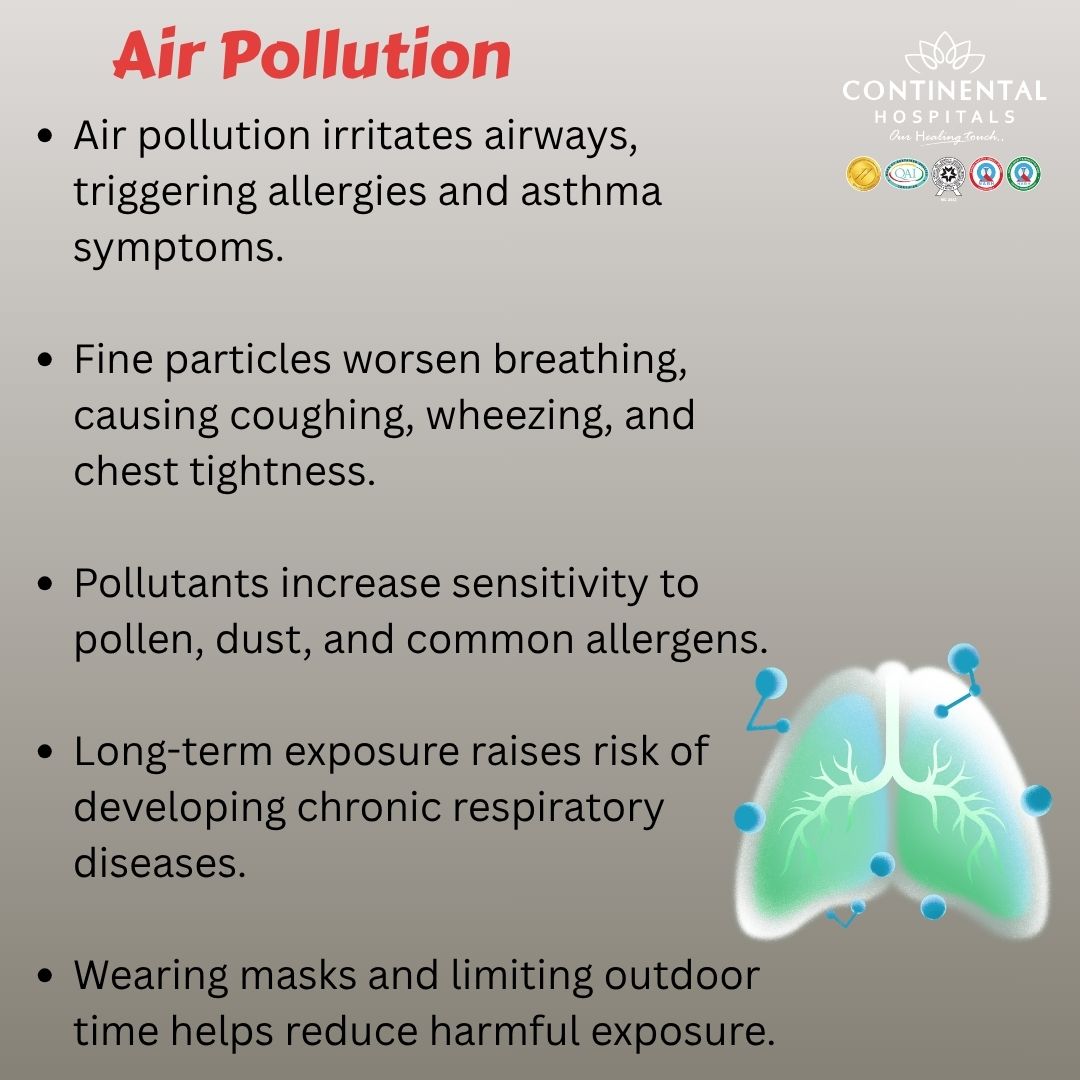
One of the most frequent questions asked of pulmonologists is: can pollution cause asthma? The answer is multifaceted. For those with a genetic predisposition, high levels of air pollution can contribute to the initial development of the condition. For those already diagnosed, air pollution and asthma share a dangerous relationship where pollutants act as "triggers" that cause the airways to tighten, swell, and produce excess mucus, leading to a restricted flow of oxygen.
Understanding Indoor Air Quality
While we often focus on the smog outside, indoor air quality is equally vital. Most people spend a significant portion of their day indoors, where pollutants can actually become more concentrated.
Factors that influence indoor air:
- Tobacco smoke and cooking fumes
- Mold and mildew from damp areas
- Volatile organic compounds (VOCs) from paints and cleaning supplies
- Pet dander and dust accumulation
Improving the air inside your home is a proactive way to reduce the burden on your lungs and minimize the risk of developing an allergy or worsening asthma symptoms.

Symptoms to Watch For
It is important to recognize when the environment is affecting your health. If you notice the following symptoms during days with high smog levels, it may be time to consult a specialist:
- Persistent coughing or wheezing
- Shortness of breath during light physical activity
- Frequent chest tightness
- Chronic nasal congestion or watery eyes
- Fatigue caused by labored breathing
Why Choose Continental Hospitals for Respiratory Care?
Managing the effects of air pollution requires expert intervention and state-of-the-art facilities. Continental Hospitals is recognized as the best hospital in Hyderabad for its comprehensive approach to lung health and allergy management.
World-Class Accreditations
Continental Hospitals holds prestigious accreditations that reflect its commitment to global standards of safety and excellence. The hospital is JCI (Joint Commission International) accredited, which is the gold standard in global healthcare. Additionally, it holds NABH (National Accreditation Board for Hospitals & Healthcare Providers) certification, ensuring that every patient receives the highest quality of clinical care and safety protocols.
Advanced Diagnostic Infrastructure
To treat asthma and complex allergies, precision is required. Our facility is equipped with:
- Advanced pulmonary function testing (PFT) labs
- High-resolution CT imaging for detailed lung assessment
- Comprehensive allergy testing panels to identify specific triggers
- Dedicated respiratory ICUs for emergency asthma management
Holistic Treatment Approach
The specialists at Continental Hospitals do not just treat symptoms. They look at the root cause. By analyzing your environment and lifestyle, our team creates a personalized management plan that includes medical therapy, lifestyle adjustments, and preventative strategies to mitigate the impact of air pollution.
Practical Tips to Reduce Exposure
While you cannot control the city's air quality, you can take steps to protect your respiratory system:
- Check daily air quality indices before planning outdoor exercise
- Use HEPA air purifiers in bedrooms to improve indoor air quality
- Keep windows closed during peak traffic hours to prevent outdoor air pollution from entering
- Wear high-quality masks when traveling through highly polluted areas
- Maintain regular check-ups with a specialist to monitor lung function
The Impact on Children and the Elderly
The most vulnerable populations regarding air pollution are children and the elderly. Children have higher breathing rates, and their lungs are still developing, making them more susceptible to the long-term effects of air pollution and asthma. For the elderly, pre-existing conditions can be severely aggravated by poor air. Early intervention at a trusted facility like Continental Hospitals can prevent these issues from escalating into chronic respiratory failure.
Conclusion
The link between air pollution, asthma, and allergies is undeniable. As our environment changes, our approach to healthcare must also evolve. By staying informed about indoor air quality and recognizing the triggers in the environment, you can take control of your well-being. Do not let the air you breathe limit your quality of life.
If you suffer from persistent respiratory issues, wheezing, or chronic allergic reactions, it is essential to seek professional guidance. Expert care can help you breathe easier and lead a more active, healthy life despite the challenges of urban pollution. Consult our best pulmonologist in Hyderabad at Continental Hospitals, the best hospital in Hyderabad.
Related Blog Topics: