.webp)


Is it possible for your medical reports to show normal results while you still carry excess body fat? Many people look at basic health parameters like normal blood pressure, ideal blood sugar levels, and optimal cholesterol numbers and assume they do not need to alter their body composition. However, medical science reveals a much deeper relationship between physical fitness, metabolic activity, and body weight. Understanding how fat distribution affects internal organs helps explain why a person might feel perfectly fine today but still require targeted interventions to prevent chronic health conditions tomorrow.
What does it truly mean to be healthy, and how does body fat influence long-term wellness? This detailed guide analyzes how clinical parameters and weight function together. We look at the hidden risks of internal body fat, explore structured medical approaches to weight management, and detail why choosing the right healthcare institution remains vital for your long-term wellness journey.
Can Your Medical Reports Be Normal If You Have Excess Weight?
What happens when a routine clinical checkup shows perfect numbers despite a high body mass index? This scenario is common and is often referred to in clinical medicine as metabolically healthy obesity. Individuals in this category present with normal fasting glucose levels, healthy lipid profiles, and excellent cardiovascular responses during initial testing.
Why is this diagnostic picture incomplete? The primary reason is that standard blood tests do not measure the silent stress placed on your joints, respiratory system, and cardiac muscle. A normal blood report today does not mean your body is immune to the long-term impact of carrying extra weight. Over time, the metabolic reserve that keeps these numbers stable can deplete, leading to a sudden shift in clinical markers.
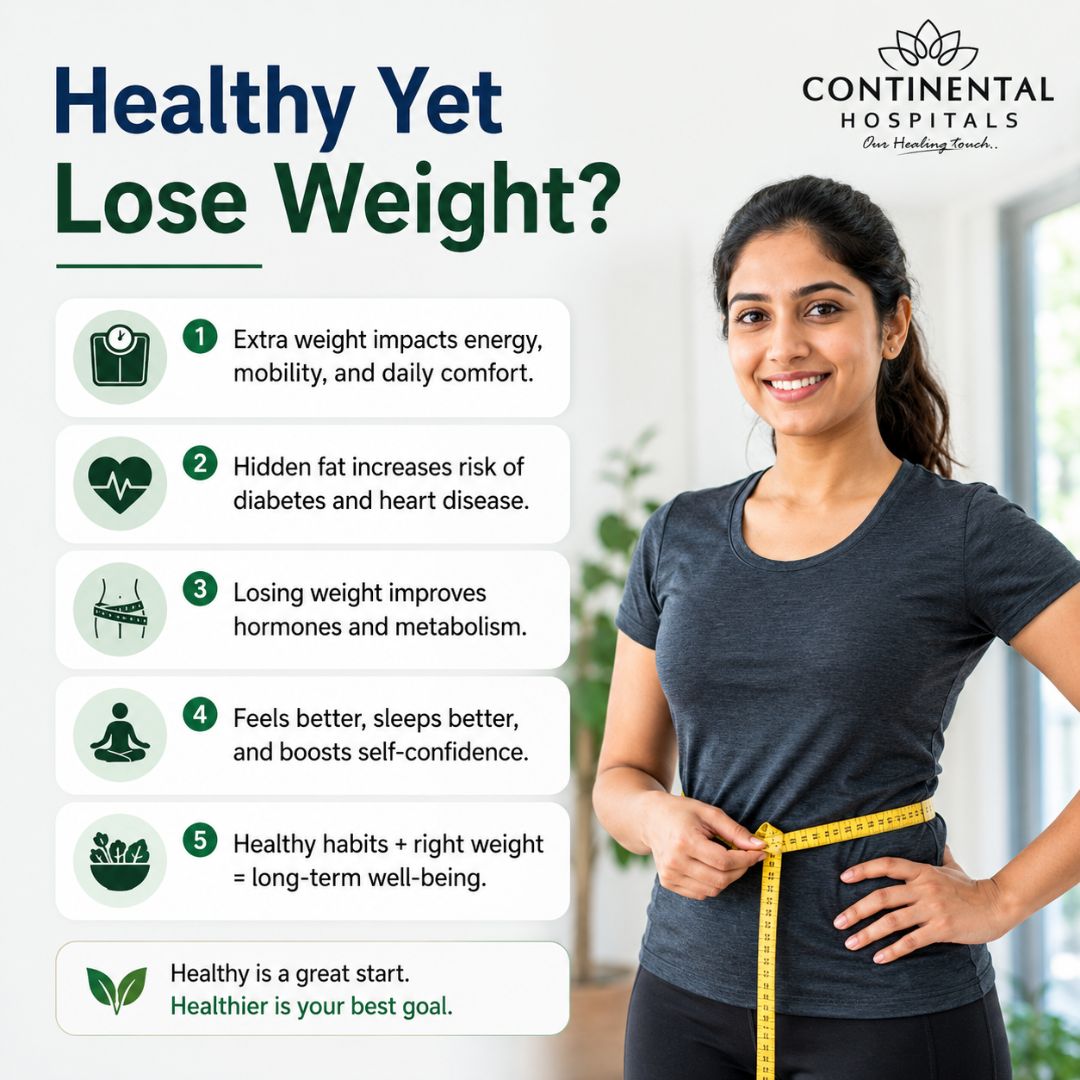
Why Do You Still Need to Lose Weight If You Feel Healthy?
Why should someone focus on how to lose weight if they do not experience any pain or active symptoms? Feeling healthy is an immediate, day-to-day experience, whereas chronic metabolic diseases develop silently over several years.
The Burden of Visceral Fat: Unlike subcutaneous fat that sits directly under the skin, visceral fat wraps around vital internal organs like the liver, pancreas, and kidneys. This type of fat is metabolically active and releases inflammatory chemicals that slowly damage blood vessels.
The Progression of Metabolic Stress: A body working harder to maintain normal blood sugar levels eventually faces pancreatic fatigue. Losing weight reduces this internal strain before clinical disease manifests.
Joint and Structural Preservation: Excess weight places constant mechanical pressure on the lower back, hips, and knees. Proactive weight reduction prevents the premature degradation of cartilage and avoids chronic mobility issues.

How Do You Determine If You Need to Lose Weight?
How can a person differentiate between a temporary weight fluctuation and a genuine medical need to lose weight? Relying solely on the bathroom scale often provides an incomplete picture of your health status.
What Is Your Body Mass Index?
Your BMI calculates weight relative to height. While it is a useful initial screening tool, it does not differentiate between muscle mass and fat tissue.
Where Is Your Fat Distributed?
Measuring your waist circumference provides critical insight into central adiposity. A higher waist-to-hip ratio typically indicates a greater accumulation of hazardous visceral fat.
What Does a Dual-Energy X-Ray Absorptiometry Scan Reveal?
Advanced diagnostic tools like a DEXA scan provide an exact breakdown of bone density, lean muscle tissue, and precise fat percentages. This helps identify normal-weight obesity, where a person appears lean but carries an unhealthy percentage of internal fat.
What Are the Hidden Medical Risks of Not Losing Weight?
What are the systemic consequences if an individual chooses not to address excess body fat because they feel fine? The medical risks extend far beyond structural discomfort and directly impact systemic longevity.
How Does Excess Fat Affect Cardiovascular Health?
Even with normal cholesterol, excess weight forces the heart to pump blood across a larger tissue mass. This increased workload can lead to left ventricular hypertrophy and early arterial stiffening.
Can Weight Fluctuations Impact Respiratory Function?
Increased fat deposition around the chest wall and neck restricts lung expansion. This is a primary driver of obstructive sleep apnea, which causes micro-arousals during sleep and lowers blood oxygen saturation.
What Is the Connection Between Weight and Fatty Liver Disease?
When subcutaneous storage is saturated, excess fat deposits directly into liver cells. Non-alcoholic fatty liver disease can progress from simple steatosis to advanced fibrosis without causing any early pain.
How to Lose Weight Safely and Effectively?
What is the most reliable strategy to lose weight fast without compromising your foundational health? The global healthcare community emphasizes structured, evidence-based methods over restrictive fad diets.
How Do You Design an Effective Weight Loss Diet?
A successful dietary plan focuses on a sustainable caloric deficit achieved through nutrient-dense whole foods. Prioritizing lean proteins, complex carbohydrates, and high-fiber vegetables stabilizes blood sugar and preserves lean muscle.
What Is the Role of Physical Activity in Fat Loss?
Combining progressive resistance training with steady-state cardiovascular exercise maximizes energy expenditure. Resistance training is particularly critical because it maintains your basal metabolic rate during a weight loss journey.
How Do You Overcome a Weight Loss Plateau?
Finding yourself not losing weight after initial success is a common physiological response known as adaptive thermogenesis. Adjusting macronutrient ratios, altering exercise intensity, and ensuring adequate sleep help reset a stalled metabolism.
Why Choose Continental Hospitals for Your Weight Management Journey?
Why should patients select Continental Hospitals when looking for a trusted partner to guide their medical weight loss strategy? As the premier multi-specialty institution in Gachibowli, Continental Hospitals stands out as the best hospital in Hyderabad for comprehensive, evidence-based healthcare.
The hospital features world-class infrastructure spanning 18 floors and 1.4 million square feet, specifically designed to optimize patient healing, privacy, and safety. Continental Hospitals is an elite facility holding prestigious dual accreditations from both Joint Commission International and the National Accreditation Board for Hospitals and Healthcare Providers. In fact, it secured its fourth consecutive JCI Gold Seal of Approval, placing it among a select group of global healthcare organizations recognized for clinical excellence and patient safety. Additionally, the hospital operates advanced, state-of-the-art Green OTs and maintains dedicated preventative health lounges designed for complete body composition analysis.
At Continental Hospitals, weight management is never treated with generic solutions. Patients receive fully personalized treatment pathways designed by a multidisciplinary team of expert endocrinologists, bariatric specialists, clinical nutritionists, and cardiologists. This collaborative approach ensures that your weight loss strategy aligns perfectly with your systemic health requirements, giving you the tools to manage your health safely and permanently.
Conclusion
Can you be healthy and still need to lose weight? The clinical answer is clear: normal test results today do not automatically guarantee metabolic immunity tomorrow. Managing your weight is a proactive investment in your long-term health, helping to prevent hidden internal inflammation, protect your joints, and reduce cardiovascular stress. Real, sustainable transformation requires moving away from temporary fixes and embracing structured, medically sound guidance.
If you suffer from unexplained weight gain or chronic metabolic fluctuations, or if you are finding it difficult to break through a frustrating weight loss plateau despite your best efforts, professional medical support can make all the difference. Consult our best bariatric surgeon in Hyderabad at Continental Hospitals today to schedule a comprehensive diagnostic evaluation and begin your personalized path to long-term wellness.
Related Blog Topics: