.webp)

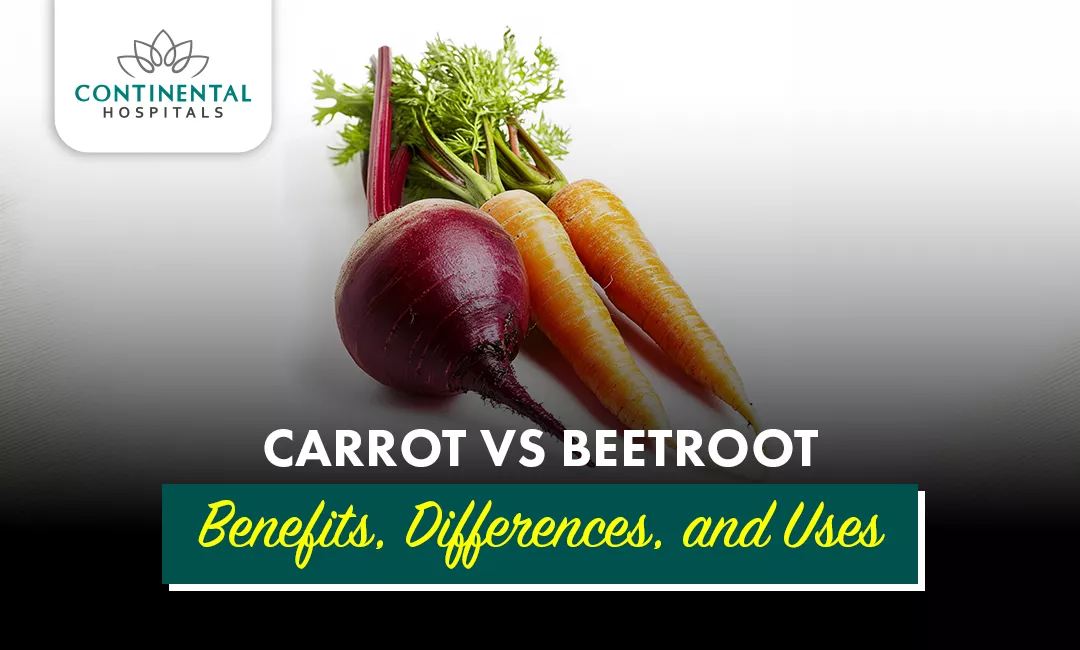
Nature offers a vibrant palette of vegetables, but few are as iconic or nutritionally dense as carrots and beetroots. These root vegetables are staples in kitchens across the world, celebrated for their distinct colors, earthy flavors, and remarkable health properties. While they share a common growth environment beneath the soil, their nutritional profiles and physiological impacts on the body are uniquely different. Choosing between them often comes down to individual health goals, whether you are looking to improve your vision or enhance your athletic endurance.
Nutritional Breakdown: Beetroot vs Carrot Nutrition
Understanding the fundamental differences starts with the nutrients packed into every bite. Both vegetables are low in calories but high in essential vitamins and minerals.
The Profile of a Carrot
Carrots are perhaps most famous for being the premier source of beta-carotene, which the body converts into vitamin A. A single medium carrot can provide over 200 percent of your daily vitamin A requirement. They are also rich in vitamin K1, potassium, and antioxidants like lutein. Because they are primarily composed of water and carbohydrates, they offer a crunchy texture and a natural sweetness that makes them a favorite for raw consumption.
The Profile of a Beetroot
Beetroots, or beets, are nutritional powerhouses known for their high concentration of inorganic nitrates. These nitrates are converted into nitric oxide in the body, which helps in dilating blood vessels. Beets are excellent sources of folate (vitamin B9), manganese, iron, and vitamin C. Their deep purple hue comes from betalains, a group of powerful antioxidants that are not found in many other common vegetables.
Lead a healthier life with expert care at Continental Hospitals. Visit our nutrition department today and take the first step toward better health!
Comparing Key Health Benefits
When we look at carrot vs beetroot benefits, the "winner" often depends on what your body needs most at this moment.
Vision and Skin Health (Carrots)
The high vitamin A content in carrots is vital for maintaining healthy vision and preventing conditions like night blindness. Furthermore, the antioxidants in carrots protect the skin from sun damage and oxidative stress, promoting a natural glow. The fiber in carrots also aids in smooth digestion and helps maintain a healthy gut microbiome.
Heart Health and Stamina (Beetroot)
If you are focused on cardiovascular wellness, beetroot takes the lead. The nitric oxide produced from beets helps lower blood pressure and improves blood flow to the brain and muscles. This is why many athletes consume beetroot juice before a workout to improve stamina and oxygen usage. Additionally, the fiber in beets supports liver detoxification, helping the body process toxins more efficiently.
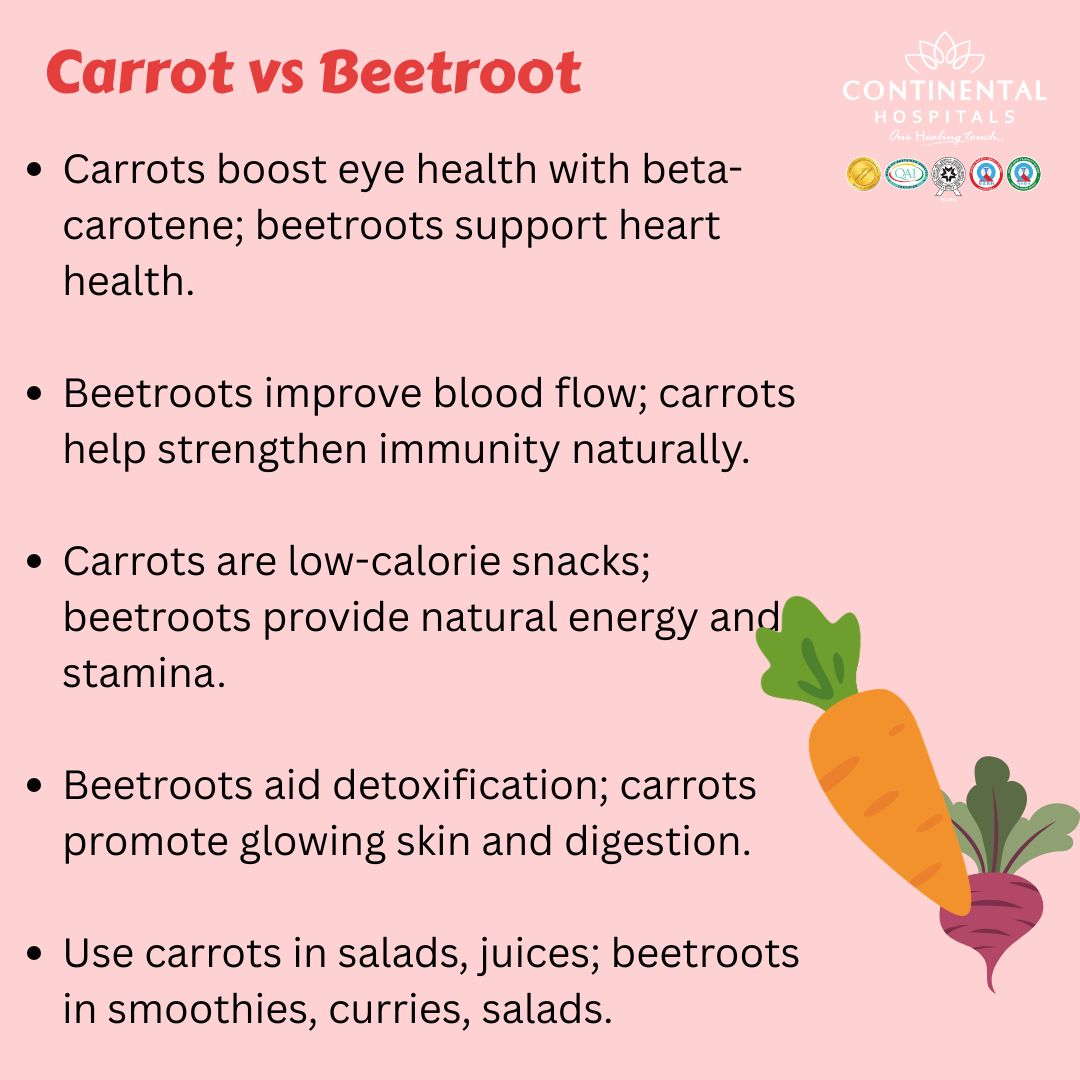

Carrot and Beetroot Comparison: Which is Better?
People often ask: which is better carrot or beetroot? The truth is that they complement each other perfectly.
- For Weight Loss: Both are excellent choices due to high water and fiber content. However, carrots are slightly lower in natural sugars compared to beetroots.
- For anemia: Beetroot is the superior choice because it contains significantly more iron and folate, which are essential for red blood cell production.
- For immunity: Both contribute vitamin C and antioxidants, but the diverse range of phytonutrients in beetroot offers a slightly broader shield against inflammation.
- For diabetes: Carrots have a lower glycemic index than cooked beetroots, making them a slightly safer bet for managing blood sugar spikes, though both can be enjoyed in moderation.
Practical Uses in Your Daily Diet
Incorporating these root vegetables into your routine does not have to be complicated. Their versatility allows them to move from breakfast juices to dinner sides effortlessly.
Creative Ways to Use Carrots
- Raw Salads: Grate carrots with a dash of lemon and black pepper for a refreshing side.
- Roasted Medleys: Toss them in olive oil and herbs for a caramelized, savory treat.
- Smoothies: Blend them with orange and ginger for an immunity-boosting morning drink.
- Baking: Use them in muffins or bread for natural moisture and sweetness.
Creative Ways to Use Beetroots
- Cold Juices: Combine beetroot with apple and mint for a refreshing pre-workout drink.
- Hummus: Blend boiled beets into your chickpea hummus for a vibrant pink dip.
- Roasted Beets: Pair roasted beets with goat cheese and walnuts for a gourmet salad.
- Pickling: Pickled beets are a fantastic way to add tang and probiotics to your meals.
Why Choose Continental Hospitals for Your Wellness Journey?
Maintaining a healthy diet is the first step toward longevity, but professional medical guidance is the second. Continental Hospitals stands as a beacon of healthcare excellence, recognized as the best hospital in Hyderabad. Our approach to health is holistic, ensuring that every patient receives personalized care backed by world-class technology.
Advanced Accreditations and Standards
We take pride in our commitment to safety and quality. Continental Hospitals holds prestigious accreditations, including the Joint Commission International (JCI) and National Accreditation Board for Hospitals & Healthcare Providers (NABH). These certifications are a testament to our adherence to global benchmarks in patient safety, infection control, and clinical excellence. When you walk through our doors, you are entering a facility that meets the highest international standards of care.
Integrated Nutritional Support
At Continental Hospitals, we believe that nutrition is medicine. Our clinical dieticians work closely with various departments, from cardiology to oncology, to create customized meal plans that facilitate faster recovery. Whether you are managing a chronic condition or simply looking to optimize your health through better food choices, our experts provide evidence-based guidance.
Essential Health Tips for Root Vegetable Consumption
To get the most out of your carrot vs beetroot intake, keep these points in mind:
- Eat the Rainbow: Rotating between carrots and beets ensures you get a wider spectrum of antioxidants.
- Watch the preparation: Steaming or eating raw preserves more nutrients than deep-frying or over-boiling.
- Consult Experts: If you have a history of kidney stones, you should consult a doctor before significantly increasing beetroot intake, as they are high in oxalates.
- Bioavailability: Consuming carrots with a small amount of healthy fat, like olive oil, helps your body absorb the fat-soluble Vitamin A more effectively.
Conclusion
Carrots and beetroots both deserve a permanent spot in your refrigerator. Carrots offer the golden ticket to better vision and skin, while beetroots provide the fuel for a stronger heart and better physical performance. Instead of choosing just one, why not combine them? A simple juice or salad featuring both ensures you reap the maximum rewards of nature's bounty.
If you suffer from persistent digestive issues or unexplained fatigue or need a personalized nutrition plan to manage a medical condition, it is time to seek professional advice.
At Continental Hospitals, we are dedicated to helping you lead a healthier, more vibrant life through expert care and advanced medical practices. Your health is our priority, and we are here to support you every step of the way. Consult our best nutritionist in Hyderabad at Continental Hospitals today.
Related Blog Topics: