.webp)

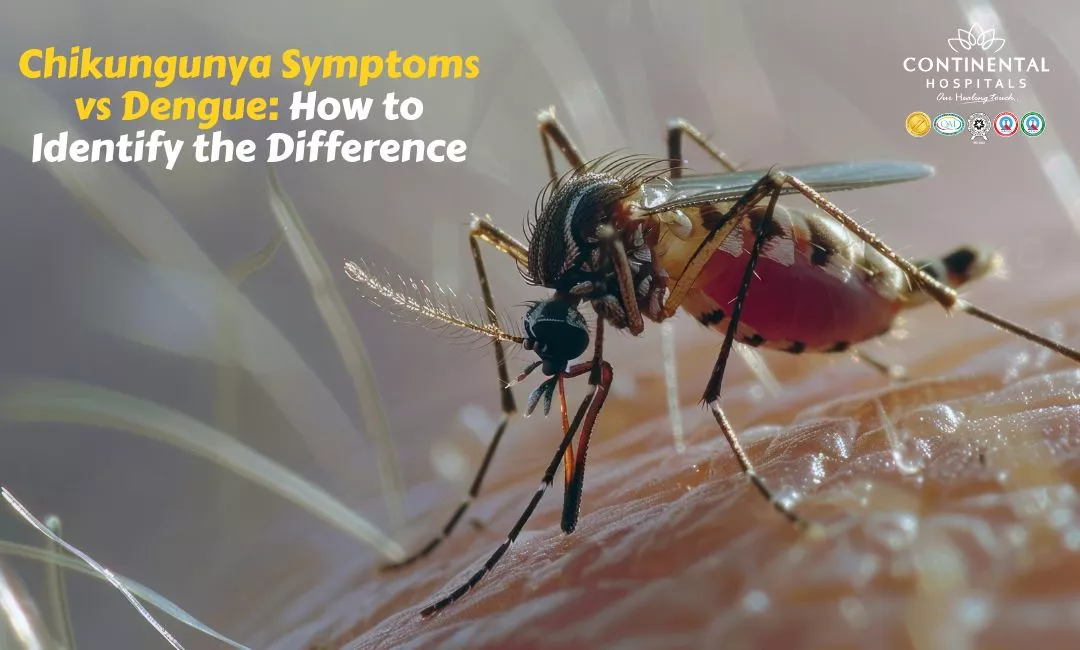
Fever with body pain is common during monsoon and post-monsoon seasons in India. Two of the most common mosquito-borne viral illnesses are chikungunya and dengue. Many people confuse them because both start with sudden fever and weakness. However, understanding chikungunya symptoms vs dengue is very important for early diagnosis and proper care.
At Continental Hospitals, recognized as one of the best hospitals in Hyderabad, our expert physicians regularly treat patients with dengue and chikungunya using evidence-based protocols and advanced diagnostic support.
Let us understand how to identify the difference clearly and confidently.
What is Chikungunya?
Chikungunya is a viral infection spread by infected Aedes mosquitoes. The same mosquito species can also transmit dengue. The word chikungunya refers to the stooped posture caused by severe joint pain.
The primary keyword, chikungunya, is important because awareness helps in early recognition and timely chikungunya treatment.
Visit our Internal Medicine Department at Continental Hospitals for expert dengue and chikungunya care with advanced diagnostics and critical care support.
Common Chikungunya Symptoms
Here are the most common chikungunya symptoms:
• Sudden high fever
• Severe joint pain especially in hands, wrists, knees and ankles
• Joint swelling
• Muscle pain
• Headache
• Skin rash
• Fatigue that may last for weeks
One key feature of chikungunya is intense joint pain. In many patients, the pain can continue for weeks or even months after the fever subsides.

What is Dengue?
Dengue is another mosquito borne viral infection. It can range from mild illness to severe dengue fever with complications. Early detection of dengue fever symptoms is critical to prevent serious outcomes.
Common Dengue Fever Symptoms
Here are typical dengue fever symptoms:
• Sudden high fever
• Severe headache
• Pain behind the eyes
• Muscle and joint pain
• Nausea and vomiting
• Skin rash
• Mild bleeding such as gum bleeding or nose bleeding
• Low platelet count
Unlike chikungunya, dengue is more likely to affect platelets and may cause bleeding complications.
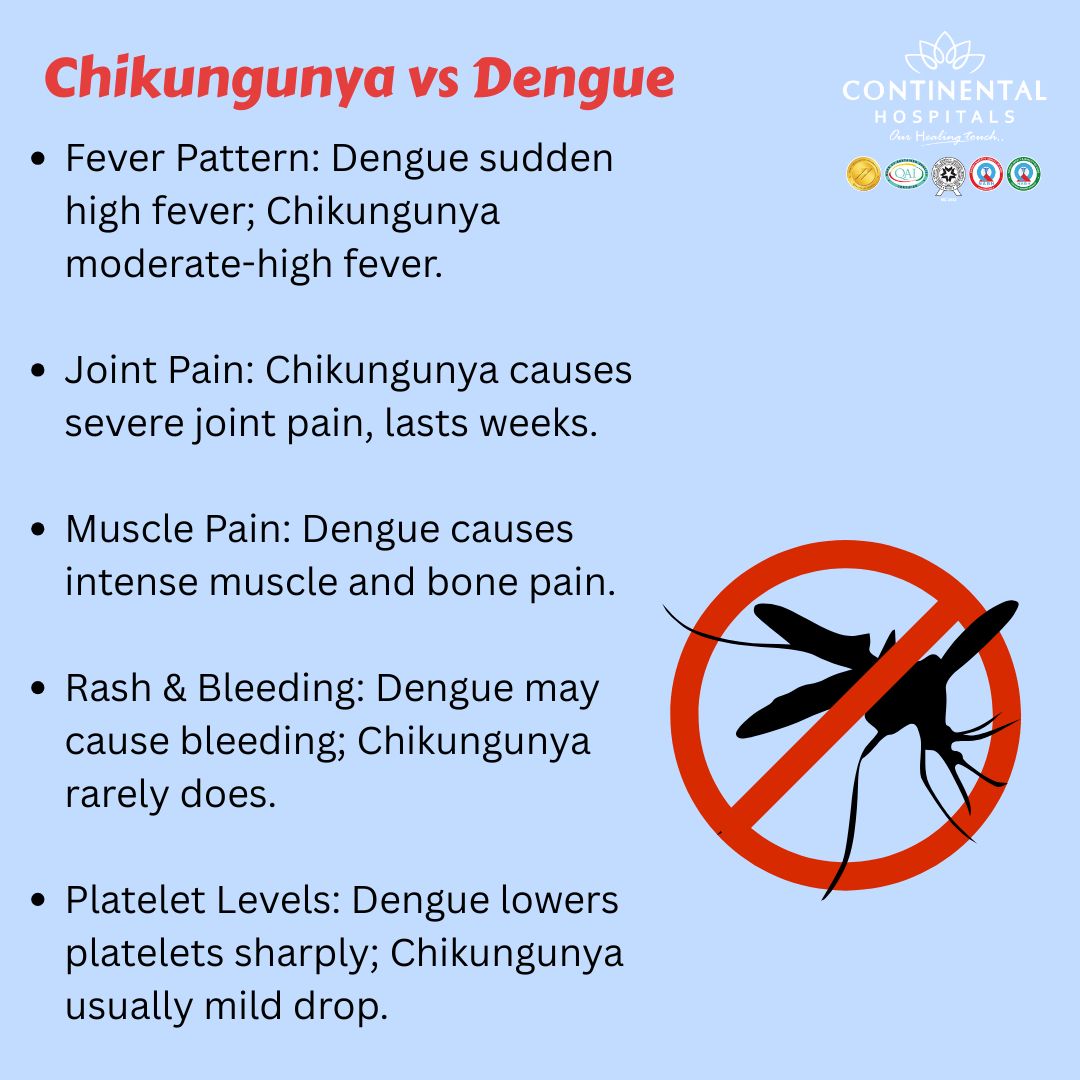
Chikungunya Symptoms vs Dengue: Key Differences
Understanding chikungunya symptoms vs dengue helps patients seek the right medical attention quickly.
1. Joint Pain Severity
Chikungunya
• Severe joint pain
• Joint swelling is common
• Pain may persist for months
Dengue
• Body pain is present
• Joint pain is usually milder compared to chikungunya
• Pain improves as fever reduces
Severe, long-lasting joint pain strongly suggests chikungunya.
2. Platelet Count
Chikungunya
• Platelet levels are usually normal or mildly reduced
Dengue
• Significant drop in platelets
• Risk of bleeding complications
Low platelet count is more typical of dengue fever.
3. Bleeding Symptoms
Chikungunya
• Rarely causes bleeding
Dengue
• Gum bleeding
• Nose bleeding
• Easy bruising
• In severe cases, internal bleeding
If bleeding signs are present, dengue should be suspected.
4. Duration of Recovery
Chikungunya
• Fever lasts a few days
• Joint pain may last weeks or months
Dengue
• The fever phase lasts about a week
• Recovery depends on severity
• Severe dengue may require hospitalization
5. Complications
Chikungunya
• Chronic joint pain
• Rare neurological complications
Dengue
• Dengue hemorrhagic fever
• Dengue shock syndrome
• Organ damage in severe cases
Dengue can become life-threatening if not managed properly.
How Are Dengue and Chikungunya Diagnosed?
Clinical examination alone is not enough. Blood tests confirm the diagnosis.
For chikungunya
• Specific antibody tests
• Viral detection tests
For dengue
• NS1 antigen test
• Dengue IgM and IgG antibodies
• Platelet count monitoring
At Continental Hospitals, our advanced laboratory services ensure quick and accurate diagnosis of dengue and chikungunya so treatment can begin immediately.
Treatment for Chikungunya
There is no specific antiviral drug for chikungunya. Treatment focuses on relieving symptoms.
Chikungunya treatment includes:
• Rest
• Adequate hydration
• Paracetamol for fever
• Anti-inflammatory medicines for joint pain after medical advice
• Physiotherapy for prolonged joint pain
Early chikungunya treatment helps reduce discomfort and prevent long-term joint stiffness.
Treatment for Dengue
Dengue fever treatment depends on severity.
Mild dengue
• Fluids
• Paracetamol
• Monitoring of platelets
Severe dengue
• Hospital admission
• Intravenous fluids
• Close monitoring of blood pressure and platelets
• Intensive care support if needed
Aspirin and certain painkillers should be avoided in dengue because they increase bleeding risk.
At Continental Hospitals, our multidisciplinary team provides comprehensive dengue fever treatment with continuous monitoring to prevent complications.
When Should You See a Doctor?
You should seek medical care immediately if you notice:
• High fever lasting more than two days
• Severe joint pain
• Persistent vomiting
• Bleeding gums or nose
• Severe abdominal pain
• Extreme weakness
Do not ignore symptoms. Early intervention can prevent serious complications of dengue and chikungunya.
Preventing Dengue and Chikungunya
Prevention focuses on avoiding mosquito bites.
• Use mosquito repellents
• Wear full-sleeve clothing
• Use mosquito nets
• Remove stagnant water around the home.
• Keep water tanks covered
Community awareness and hygiene play a major role in preventing dengue and chikungunya infections.
Why Choose Continental Hospitals?
Continental Hospitals is known as one of the best hospitals in Hyderabad for infectious disease management. Our hospital is accredited by National Accreditation Board for Hospitals and Healthcare Providers and the National Accreditation Board for Testing and Calibration Laboratories. These accreditations reflect our commitment to international standards of patient safety and quality care.
Key strengths include:
• Experienced internal medicine specialists
• Advanced diagnostic laboratory
• Dedicated critical care units
• Evidence-based treatment protocols
• Infection control practices
• Patient-centered approach
Our team ensures that patients with dengue and chikungunya receive timely diagnosis, close monitoring, and comprehensive care under one roof.
Understanding Chikungunya Symptoms vs Dengue Clearly
To summarize chikungunya symptoms vs dengue:
• Severe, long-lasting joint pain suggests chikungunya
• Significant platelet drop and bleeding suggest dengue
• Both start with sudden high fever
• Blood tests confirm the diagnosis
• Early medical care prevents complications
Both infections are serious and require medical attention. Self-medication can delay proper diagnosis and increase risks.
Conclusion
Fever with body pain should never be ignored, especially during mosquito season. Understanding chikungunya symptoms vs dengue helps you take the right step at the right time. While chikungunya often causes severe joint pain that may persist, dengue can lead to dangerous platelet drop and bleeding complications.
If you or your family members experience symptoms of dengue or chikungunya, consult a doctor immediately. Early diagnosis and appropriate chikungunya treatment or dengue fever treatment can prevent severe outcomes.
Consult our best internal medicine specialists at Continental Hospitals for dengue and chikungunya with advanced diagnostics and critical care support.
Related Blog Topics: