
• Share this:
post-title

Glucosamine and Dementia: What Recent Research Reveals

Written by - Editorial Team
Medically Reviewed by - Dr. Sumathi Jarugu

What happens when a popular over-the-counter supplement meant to protect your joints begins to show worrying effects on your brain health? Millions of older adults regularly consume glucosamine supplements to relieve joint pain and manage arthritis symptoms. However, a major medical breakthrough published in the medical journal Nature Metabolism has turned the spotlight on a potential link between glucosamine and dementia. If you or a loved one takes this supplement while facing early-stage memory loss, understanding this new medical data is absolutely essential for long-term cognitive health.

Are over-the-counter remedies always as safe as they seem for every part of your body? For years, public perception assumed that joint health supplements operated independently of brain health. This latest clinical study analyzed a massive collection of health records from 2012 to 2024 to track how glucosamine behaves once it enters the system of individuals experiencing cognitive challenges. The discoveries indicate that while the supplement might feel completely safe or even beneficial for a structurally healthy brain, its biological impact changes drastically once neurodegeneration or mild cognitive impairment has already commenced.

What Does the New Research Show About Glucosamine and Dementia?

The recent medical study evaluated thousands of patients to understand how over-the-counter usage affects dementia progression over a multiyear tracking period.

  • Accelerated Cognitive Decline: The data shows that individuals with mild cognitive impairment who regularly take glucosamine supplements have a 25 percent higher likelihood of progression from mild cognitive impairment to full dementia.
  • Increased Risks in Advanced Stages: For individuals who already have a confirmed diagnosis of Alzheimer's disease or related dementias, regular use of the supplement is associated with a 25 percent increase in mortality risk during the study timeframe.
  • A Change in Biological Context: The clinical research highlights that glucosamine behaves differently depending on the state of the brain, meaning it appears safe before any cognitive disease begins but shows harmful signals after neurodegeneration is active.

For a comprehensive evaluation of brain health and neurological conditions related to metabolic changes, visit the Neurology Department at Continental Hospitals.

How Does Glucosamine Affect the Brain Pathways?

How can a basic compound meant for cartilage and joint care cause an adverse reaction inside human brain cells?

  • Crossing the Blood-Brain Barrier: Glucosamine is a sugar-related amino molecule that easily crosses the protective blood-brain barrier, allowing it to interact directly with delicate neurological tissues.
  • The Process of Hyperglycosylation: Once inside an aging brain, the supplement feeds into metabolic pathways that add excess sugar tags to essential cellular proteins.
  • Disrupting Cell Communication: In a patient experiencing Alzheimer's disease, this sugar tagging system is already overactive, and adding glucosamine causes proteins to fail, creating blockages in synaptic signaling and accelerating memory loss.
Why Is the Link to Alzheimer's Disease Crucial for Patients?

Why should families currently managing early memory changes closely audit their current daily pill organizers and supplement routines?

  • Compounding the Underlying Disease: The brain changes seen in Alzheimer's disease involve metabolic dysfunction, and the introduction of concentrated glucosamine supplements adds further metabolic stress to vulnerable brain regions.
  • Worsening of Key Memory Functions: Controlled laboratory models showed that increased sugar tagging directly correlates with a distinct worsening of social recognition and memory retention.
  • A New Target for Medical Science: Recognizing that altered sugar metabolism drives dementia progression helps senior specialists design better interventions that focus on metabolic corrections alongside traditional plaque treatments.

What Are the Key Signs of Dementia Progression to Watch For?

What specific structural and behavioral modifications should prompt an immediate trip to a qualified neurology clinic for a formal evaluation?

  • Frequent Memory Disruptions: Forgetting recently learned pieces of information, missing important calendar events, or repeating the exact same question multiple times during a brief conversation.
  • Challenges with Basic Problem Solving: Experiencing sudden difficulties when working with numbers, managing household utility tracking systems, or following a familiar step-by-step recipe.
  • Confusion Regarding Time or Location: Losing track of dates, seasons, or the passage of time, or experiencing sudden disorientation regarding how they arrived at a specific location.
  • Uncharacteristic Mood and Behavioral Alterations: Developing signs of increased confusion, suspicion, deep anxiety, or easily triggered frustration when outside of their familiar daily comfort zones.

Why Choose Continental Hospitals for Comprehensive Neurological Care?

When facing complex concerns involving aging, joint care, and brain health, choosing an internationally accredited institution ensures absolute clinical safety and precision. Why is Continental Hospitals recognized as the best hospital in Hyderabad?

  • National and Global Accreditations: Continental Hospitals stands as a premier healthcare provider featuring prestigious Joint Commission International (JCI) accreditation alongside National Accreditation Board for Hospitals and Healthcare Providers (NABH) certification, guaranteeing the highest global standards of patient safety and clinical excellence.
  • Advanced Diagnostics and Imaging: The hospital utilizes cutting-edge neuroimaging and diagnostic technology to accurately map metabolic changes in the brain and differentiate between various types of cognitive decline.
  • Comprehensive Interdisciplinary Teams: Patients benefit from seamless coordination between world-class neurologists, senior care specialists, and orthopedic experts to balance joint treatments without compromising cognitive safety.
  • Personalized Medical Management: The medical teams specialize in comprehensive medication reviews, helping patients safely eliminate over-the-counter risks while building effective, scientifically backed treatments for both joint and brain health.

Conclusion

If you suffer from chronic joint stiffness, it is highly common to seek relief through widely available dietary aids. However, this recent medical update regarding glucosamine and dementia serves as a vital reminder that over-the-counter products require expert supervision, especially as we age. Protecting your long term brain health requires a proactive approach to what you introduce into your body. Do not alter your medical routine or ignore cognitive changes based on guesswork. Schedule a comprehensive consultation at Continental Hospitals today to sit down with a dedicated specialist who can evaluate your complete health profile and safeguard your cognitive future.

Second Opinion

To view a detailed medical summary explaining how these metabolic pathways impact brain tissue, consult our best neurologist in Hyderabad at Continetal Hospitals.


Need an Appointment?

Frequently Asked Questions

Glucosamine is a naturally occurring compound found in cartilage, the tissue that cushions joints. It is widely used as a dietary supplement to support joint health and manage symptoms of osteoarthritis. Many people take glucosamine to reduce joint pain, stiffness, and inflammation. It is available in different forms, including glucosamine sulfate and glucosamine hydrochloride. The supplement is especially popular among older adults who experience age-related joint wear and tear. Researchers have also explored whether glucosamine may provide benefits beyond joint health. Some studies suggest it may have anti-inflammatory properties that could influence overall health. Because chronic inflammation has been linked to several diseases, including cognitive decline, scientists are investigating glucosamine's broader effects. While it remains primarily a joint health supplement, ongoing research continues to examine its potential role in healthy aging and brain health.
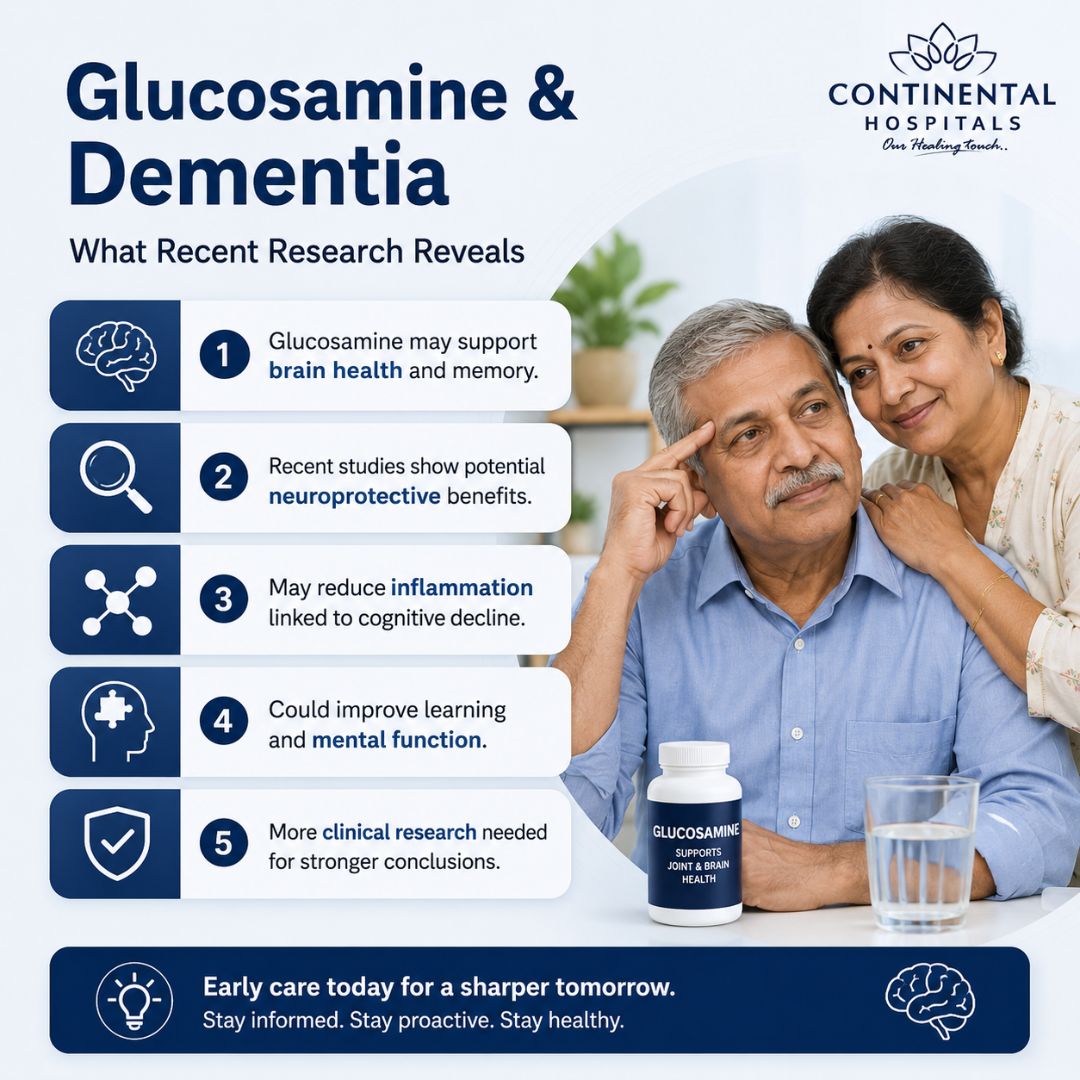
Recent research has explored whether glucosamine use may be associated with a lower risk of developing dementia. Scientists believe this potential connection may be related to glucosamine's anti-inflammatory effects. Chronic inflammation is considered one of the contributing factors in the development of neurodegenerative diseases such as Alzheimer's disease. Some large population studies have observed that people who regularly take glucosamine supplements appear to have a lower incidence of dementia compared to non-users. Researchers also suggest glucosamine may influence metabolic pathways associated with aging and brain function. However, these findings mainly show an association rather than a direct cause-and-effect relationship. More clinical studies are needed to confirm whether glucosamine actively protects the brain. Current evidence is promising but not strong enough to recommend glucosamine specifically for dementia prevention.
There is currently no scientific evidence proving that glucosamine can prevent dementia or Alzheimer's disease. While some observational studies have reported a reduced risk of dementia among glucosamine users, these studies do not establish direct prevention. Many factors influence dementia risk, including genetics, age, cardiovascular health, lifestyle, and environmental factors. People who take glucosamine may also engage in other healthy behaviors that contribute to better cognitive outcomes. Researchers continue to investigate whether glucosamine has neuroprotective effects. At present, experts do not recommend glucosamine as a primary strategy for preventing dementia. Instead, maintaining a healthy diet, regular physical activity, quality sleep, social engagement, and controlling chronic conditions remain the most effective approaches. Anyone considering glucosamine for cognitive health should consult a healthcare professional before starting supplementation.
Recent studies have generated interest in the potential relationship between glucosamine use and improved long-term brain health. Some large-scale population analyses found that regular glucosamine users had a lower risk of developing dementia over time. Researchers believe this may be linked to reduced systemic inflammation, which is known to affect brain function. Certain studies also suggest glucosamine may influence biological pathways involved in aging and cellular maintenance. Scientists are investigating whether these mechanisms help protect nerve cells from damage. However, most available evidence comes from observational research rather than randomized clinical trials. This means researchers cannot definitively conclude that glucosamine directly improves brain health. More rigorous studies are needed to understand the exact mechanisms involved. Despite encouraging findings, glucosamine should not be viewed as a proven treatment for cognitive decline.
Glucosamine is generally considered safe for most older adults when used according to recommended guidelines. Common side effects are usually mild and may include nausea, bloating, indigestion, or stomach discomfort. However, people with shellfish allergies should carefully check product ingredients because some glucosamine supplements are derived from shellfish. Individuals taking blood-thinning medications or managing chronic health conditions should speak with their doctor before starting glucosamine. Safety is particularly important in older adults who may be taking multiple medications. Although glucosamine has a favorable safety profile, it should not replace prescribed treatments or medical advice. There is currently no evidence that glucosamine can treat dementia symptoms. Medical supervision can help ensure safe and appropriate use. Personalized recommendations are always preferable when considering long-term supplementation.
Inflammation plays a significant role in many chronic diseases, including neurodegenerative disorders such as dementia. When inflammation becomes persistent, it can contribute to damage in brain cells and disrupt normal brain function. Researchers have identified chronic inflammation as one of the factors associated with Alzheimer's disease progression. Inflammatory processes may promote the accumulation of abnormal proteins in the brain. These changes can affect memory, learning, and cognitive performance over time. Scientists believe that reducing inflammation could potentially help lower the risk of cognitive decline. Because glucosamine may possess anti-inflammatory properties, researchers are studying whether it could indirectly support brain health. However, inflammation is only one piece of a complex puzzle. Managing overall health through lifestyle modifications remains essential for reducing dementia risk.
People should not start taking glucosamine solely for cognitive health without consulting a healthcare provider. Current research does not provide enough evidence to recommend glucosamine as a dementia prevention strategy. While some studies suggest potential benefits, the findings are not yet conclusive. Individuals considering supplementation should evaluate their overall health needs and existing medical conditions. Glucosamine may be appropriate for joint health in some cases, but its effects on cognition remain under investigation. Healthcare professionals can help determine whether supplementation is suitable based on personal circumstances. It is also important to remember that supplements cannot replace healthy lifestyle habits. A balanced diet, physical activity, mental stimulation, and regular health checkups continue to be the foundation of brain health. Medical guidance ensures safe and informed decision-making.
Reducing dementia risk involves adopting a combination of healthy lifestyle practices throughout life. Regular physical activity helps improve blood flow to the brain and supports cognitive function. Eating a balanced diet rich in fruits, vegetables, whole grains, and healthy fats may also promote brain health. Managing blood pressure, diabetes, and cholesterol levels is essential because vascular health influences cognitive performance. Adequate sleep supports memory consolidation and brain repair processes. Staying socially active and engaging in mentally stimulating activities can help maintain cognitive resilience. Avoiding smoking and limiting excessive alcohol consumption are also important preventive measures. Regular medical checkups allow early detection and management of health conditions. While supplements like glucosamine are being studied, proven lifestyle strategies remain the most reliable way to support long-term brain health.
Disclaimer: The information provided in this blog is intended for general knowledge and informational purposes only, and does not constitute medical advice. Always consult with a qualified healthcare professional for any medical concerns or before making any decisions about your health.

Get in Touch With Us

Whether you are from India or abroad, we are here to help you with your medical queries. Please fill out the form below and our team will connect with you shortly.

  • ✔ Quick response from our medical experts
  • ✔ Secure data handling & privacy
  • ✔ Easy upload for reports & documents
0 / 100
Checkboxes Section


Chat with our medical experts on WhatsApp for quick assistance and hassle-free appointment booking

Recent Posts
Language Based Image
0 / 100