.webp)

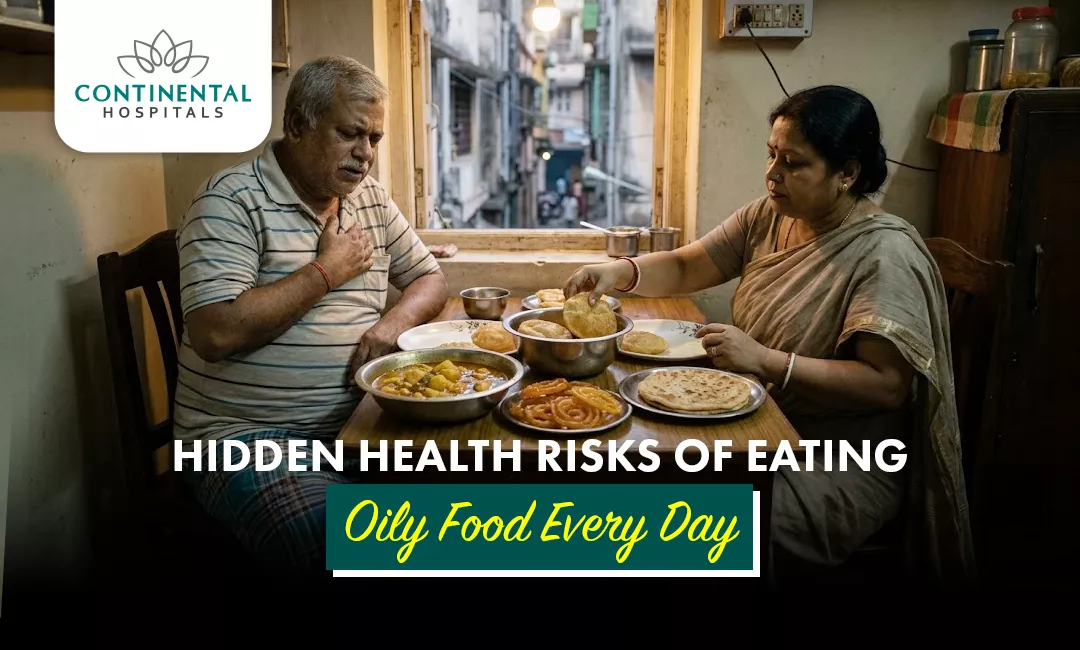
No doubt the scent of cooking food is heavenly. Whether it’s a voucher for a quick bite in your favorite coffee shop or a helpless meal cooked at home, fried food has a way of slipping into our mouths. But fatty food is not all that it seems. It may seem like just a minor block on your stomach when you feel full, but when you eat greasy food daily, it has much wider implications for your body. Eating oily food daily can slowly pump up your internal body system and cause several health-related problems that may not have immediate symptoms.
It’s critical to note that the body needs a balanced amount of healthy oils to function. However, oils from heavily processed oily or deep-fried food are a different story. The oil is subjected to harsh temperatures while food is deep-fried; this leads to a change in the molecular properties of the oils into saturated or trans fatty acids. These polluted oils build up in the bloodstream and tissues over time and mess up the metabolism and normal functions of your organs.
What Are the Dangers of Oily Food on Your Digestive Tract?
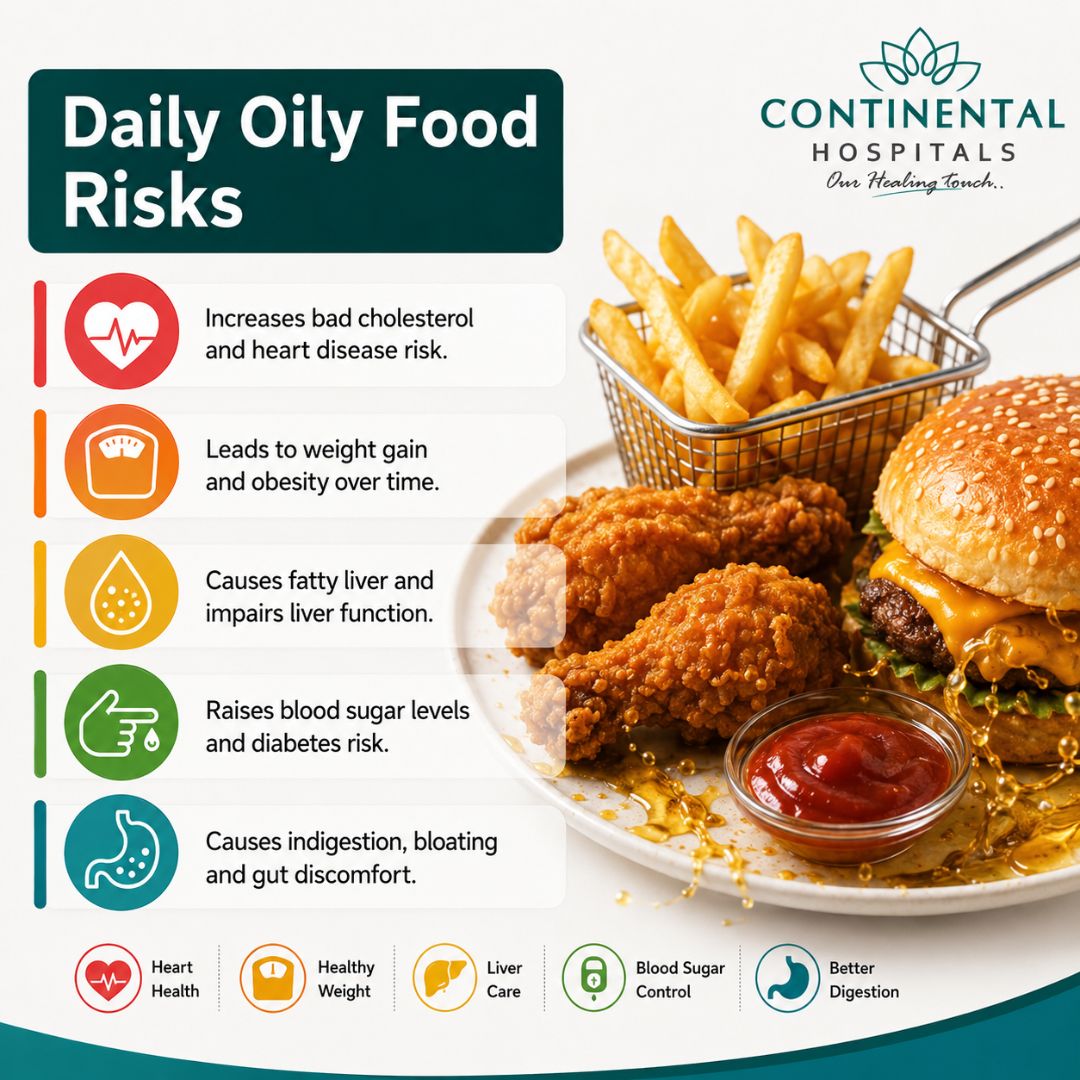
The digestive tract feels the consequences of a high-fat diet almost immediately. Fat digests more slowly than carbohydrates or proteins, so a heavy meal takes longer to work its way through your stomach and requires more effort and gastric acid to do its job.
- Acid Reflux and Heartburn: The excess acid made by your stomach to digest all those heavy fats can easily be pumped back into the esophagus. The result is a burning sensation in the throat and chest that, if you eat an oily diet day in and day out, can become detrimental to your health.
- Gastrointestinal Discomfort: Bloating, extreme fullness, and stomach cramps are common side effects of daily oily food consumption when the digestive tract is being overworked.
- Altered Gut Motility: Depending on how a given adult's digestive system reacts to heavy lipids, daily consumption of deep-fried foods can lead to either diarrhea from irritation of the intestinal lining or constipation from the slowing of movement of food through the digestive tract.
Visit the Internal Medicine Department at Continental Hospitals for a comprehensive evaluation and expert care to detect and manage underlying health conditions early.
What Are the Dangers of Eating Oily Food Every Day on Your Cardiovascular System?
There is very little doubt that the dangers posed by oily food are most concerning when it comes to the cardiovascular system. Neither trans fat nor saturated fat not only impacts your digestion but also that of blood circulation when constantly exposed to these dietary components.
- Plaque Build-up: The liver processes unhealthy fats by over-producing low-density lipoprotein, or bad cholesterol. Bad cholesterol then travels in the bloodstream and attaches itself to the inner walls of arteries.
- Arterial Narrowing: As bad cholesterol builds up, it hardens into a plaque. The plaque then restricts the smooth, steady flow of blood to the heart, which must pump with a much stronger pressure.
- Hypertension: As constant resistance to blood flow builds up, so does hypertension. If this is not managed effectively, the heart will wear down its muscular walls and increase the chance of low-lying, long-term cardiac complications.
Can eating oily food daily lead to metabolic abnormalities?
Your metabolism is a network of hormones that works in a precise balance to convert food into energy. Consuming large amounts of heavy oils each day creates an overload of hormones, making it impossible for your cells to respond.
- Insulin Resistance: Repeated consumption of unhealthy fats leads to fat molecules building up inside your muscle and liver cells, blocking the path of insulin, the hormone that regulates blood sugar levels.
- Blood Glucose Fluctuations: When insulin cannot do its job of removing sugar from the bloodstream, you will have constantly high blood sugar levels, which is the main path towards developing Type 2 diabetes.
- Weight control problems: Oily foods are incredibly dense in calories and very low in essential nutrients. Consuming large amounts of these calorie-dense foods on a daily basis leads to a caloric surplus. This leads to rapid weight gain, increasing the load on your joints and organs that are critical to the metabolic process.
What is the impact of the side effects of oily food on the internal organs?
Heavy oils impose a significant metabolic load on the internal filtration organs such as the liver and kidneys, beyond the heart and stomach.
- Fatty liver: Fat is broken down by the liver. With a large daily overload of dietary oil, the liver becomes unable to break down the excess fat fast enough, resulting in fat droplets accumulating directly inside your liver cells, which may eventually lead to cell inflammation all the way through to scarring.
- Inflammation: When cooking oils are heated to high temperatures, they become loaded with advanced glycation end-products and free radicals, unstable molecules that cause oxidative stress in the entire body, damaging your healthy tissues and speeding up the speed of cell aging.
- Skin health: Even though sebum production is regulated by hormones, a diet high in processed oils can cause inflammatory reactions in your skin, often resulting in severe acne flare-ups or skin that remains dull all day long.
Why Choose Continental Hospitals?
When dealing with the metabolic or cardiac consequences of dietary habits, you need expert intervention. Continental Hospitals stands out as a leader in healthcare for several reasons.
Global Standards of Care
As the best hospital in Hyderabad, we are committed to clinical excellence. Our facility holds prestigious accreditations, including the Joint Commission International (JCI) accreditation, which is the gold standard for global healthcare. This ensures that every patient receives care that meets international safety and quality benchmarks. Additionally, our NABH accreditation reflects our dedication to the highest national standards of patient care and hospital management.

Multidisciplinary Expertise
Our department of clinical nutrition and dietetics works hand-in-hand with our cardiology and gastroenterology teams. This collaborative approach ensures that we don't just treat the symptoms of the health risks of oily food but also address the root cause through lifestyle modification and advanced medical therapy.
Advanced Diagnostic Facilities
Early detection is key to reversing the dangers of oily food. Our state-of-the-art diagnostic labs provide accurate assessments of cholesterol levels, liver function, and cardiac health, allowing for personalized treatment plans.
Conclusion
Oily food is incredibly convenient and tasty, but the fact that it harms us internally may be hidden from everyday life. From a constricted digestive tract to an increased likelihood of chronic heart diseases and diabetes, a high-oil diet could hide tremendous hidden threats to your health and long life. Knowing the dangers of oily food and making changes in your daily habits can mean an extraordinary improvement in your health status and longevity. Therefore, being aware of the hidden pitfalls of an oily diet can help you take charge of your health and management of your food.
If you have heartburn, unexplained fatigue, or sudden weight changes or are worried a high-fat diet has badly impacted your cholesterol levels, it can be a good idea to get a medical professional to assess whether subclinical damage has progressed to a chronic illness. Consult our best internal medicine specialist in Hyderabad at Continental Hospitals.
Related Blog Topics: