.webp)
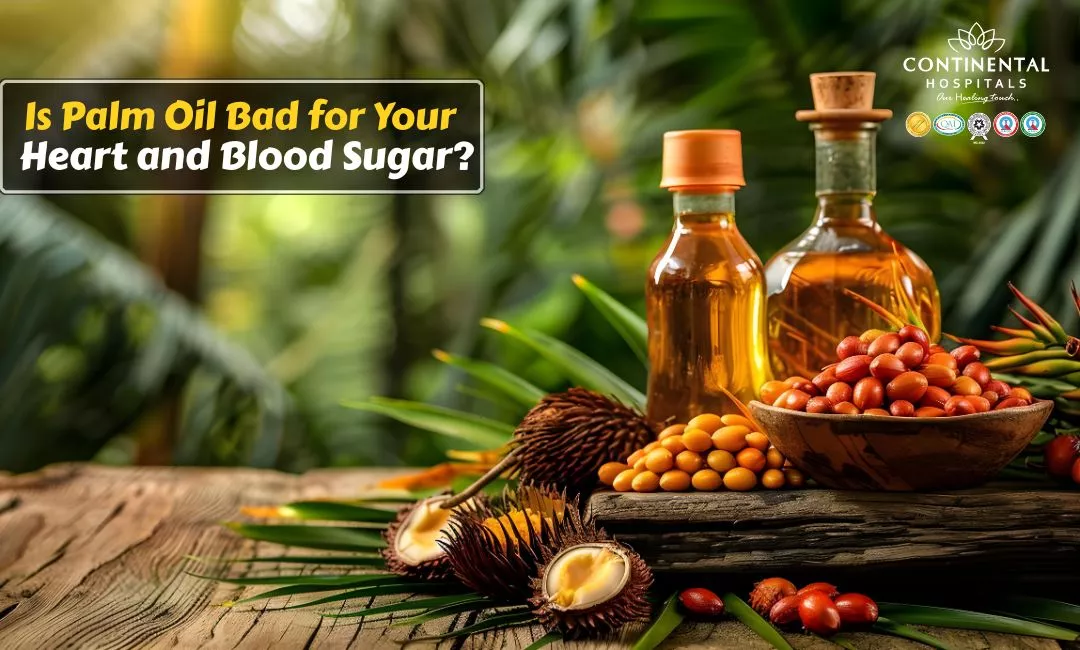
Palm oil is one of the most commonly used cooking oils in India and across the world. It is found in packaged foods, restaurant meals, bakery products, and even home kitchens. Because of its wide use, many people often ask important questions like: Is palm oil bad for heart health? Does palm oil increase blood sugar levels? Can palm oil raise the risk of type 2 diabetes?
What Is Palm Oil?
Palm oil is extracted from the fruit of the oil palm tree. It is semi solid at room temperature and has a long shelf life. These qualities make palm oil popular in processed foods and commercial cooking.
Palm oil contains both saturated and unsaturated fats. This mixed fat profile is the main reason it is often discussed in relation to heart health and blood sugar balance.
Visit our Endocrinology Department at Continental Hospitals. Consult the best endocrinologist for expert diabetes and blood sugar care to prevent complications early.
Nutritional Profile of Palm Oil
Understanding what palm oil contains helps explain its health effects.
Palm oil includes:
- Saturated fats, mainly palmitic acid
- Monounsaturated fats
- Small amounts of polyunsaturated fats
- Vitamin E compounds such as tocopherols and tocotrienols
Palm oil benefits are often linked to its vitamin E content and stability during high heat cooking. However, the high saturated fat content raises concerns about cholesterol and heart health.
Palm Oil and Heart Health
One of the most common questions is: Is palm oil bad for heart health?

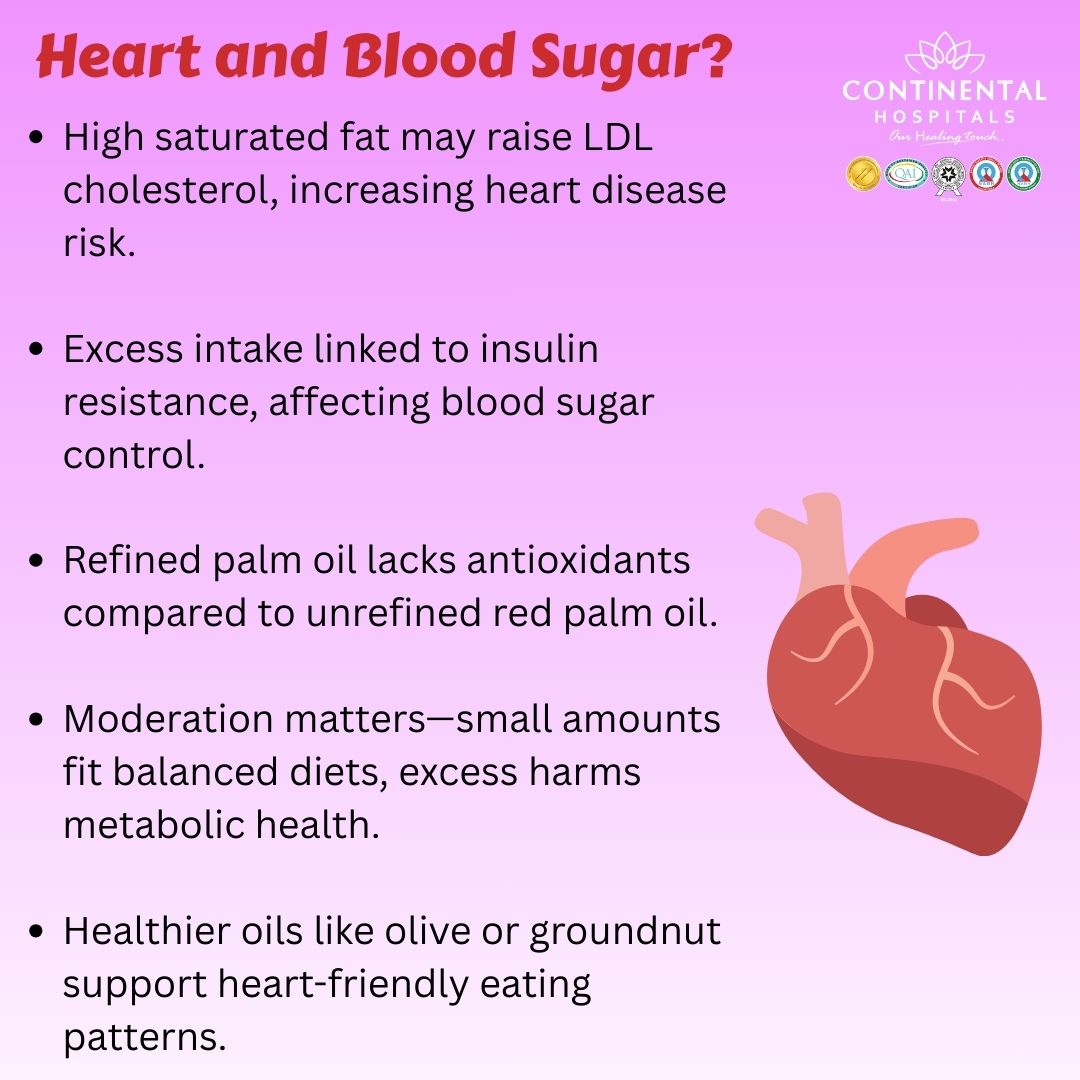
Saturated fats are known to increase LDL cholesterol, often called bad cholesterol. Palm oil contains a significant amount of saturated fat, which means excessive intake may increase cholesterol levels in some individuals.
Palm Oil and Cholesterol
Palm oil and cholesterol have a complex relationship. Some studies show that palm oil can raise LDL cholesterol when consumed in large amounts, especially when compared to oils rich in unsaturated fats like olive oil or sunflower oil.
Higher LDL cholesterol is linked to:
- Increased risk of heart disease
- Narrowing of blood vessels
- Higher chances of heart attack and stroke
At the same time, palm oil does not contain trans fats, which are known to be more harmful. This makes moderation the key factor.
Is Palm Oil Bad for Heart?
Palm oil is not automatically bad for the heart. The problem arises when it is used frequently, in large quantities, and combined with processed foods high in salt and sugar.
For people with existing heart conditions, high blood pressure, or high cholesterol, limiting palm oil intake is generally advised to support better heart health.
Palm Oil and Blood Sugar Levels
Another important concern is how palm oil affects blood sugar.
Palm oil does not contain carbohydrates, so it does not directly increase blood sugar levels. However, fats influence how the body responds to insulin, which plays a key role in blood sugar control.
Palm Oil and Blood Sugar
Diets high in saturated fats may reduce insulin sensitivity over time. This means the body may not use insulin effectively, leading to higher blood sugar levels.
Palm oil and blood sugar balance can become a concern when:
- Palm oil is consumed regularly in fried foods
- Meals are high in refined carbohydrates
- Physical activity levels are low
Palm Oil and Type 2 Diabetes
Palm oil diabetes risk is mainly linked to its effect on insulin resistance rather than direct sugar spikes.
Research suggests that long term consumption of diets high in saturated fat may contribute to:
- Weight gain
- Insulin resistance
- Increased risk of type 2 diabetes
This does not mean palm oil alone causes diabetes. Overall diet pattern, lifestyle, body weight, and genetic factors play a much larger role.
Palm Oil Blood Sugar Levels and Diabetes
For people with prediabetes or type 2 diabetes, it is important to:
- Monitor fat intake
- Choose healthier oils more often
- Focus on balanced meals with fiber, protein, and healthy fats
Palm oil can be included occasionally, but it should not be the primary cooking oil for people managing blood sugar issues.
Palm Oil Benefits in Moderation
Palm oil benefits do exist when used carefully and in limited amounts.
Some potential benefits include:
- Heat stability for cooking
- No trans fats
- Contains antioxidants like vitamin E
- Helps improve food texture and shelf life
These benefits do not outweigh the risks when palm oil is overused, especially in processed and fried foods.
Healthier Cooking Oil Choices
To protect heart health and maintain healthy blood sugar levels, it is better to rotate oils and choose options rich in unsaturated fats.
Healthier alternatives include:
- Olive oil
- Groundnut oil
- Mustard oil
- Rice bran oil
- Sunflower oil
Using a mix of oils helps balance fat intake and reduces over dependence on any single oil, including palm oil.
Practical Tips for Using Palm Oil Safely
Here are simple ways to reduce health risks linked to palm oil:
- Limit consumption of packaged and fried foods
- Avoid reheating oil multiple times
- Balance meals with vegetables, whole grains, and protein
- Read food labels carefully
- Use palm oil occasionally, not daily
These steps support better heart health and improved blood sugar control.
Why Heart and Blood Sugar Health Matters
Poor heart health and uncontrolled blood sugar can lead to serious complications such as heart disease, stroke, kidney problems, and nerve damage. Early awareness and dietary changes can significantly reduce these risks.
If you are asking questions like:
- Is palm oil bad for heart?
- Can palm oil affect diabetes control?
- Does palm oil raise cholesterol?
It may be time to review your overall diet and health status with a medical expert.
Why Choose Continental Hospitals?
Continental Hospitals is widely recognized as one of the best hospitals in Hyderabad, known for its commitment to clinical excellence and patient centered care. The hospital is accredited by leading national and international healthcare accreditation bodies, reflecting high standards in safety, quality, and outcomes.
Key reasons to choose Continental Hospitals include:
- Experienced cardiology and endocrinology specialists
- Advanced diagnostic and preventive care services
- Evidence based treatment protocols
- Multidisciplinary approach for heart health and diabetes
- Strong focus on patient education and long term wellness
Continental Hospitals combines medical expertise with modern infrastructure to deliver trusted healthcare under one roof.
When to See a Doctor?
If you suffer from:
- High cholesterol
- Heart disease symptoms
- Prediabetes or type 2 diabetes
- Family history of heart conditions
- Uncontrolled blood sugar levels
It is important to seek professional medical advice.
Conclusion
Palm oil is not inherently harmful, but excessive and regular consumption can negatively affect heart health, cholesterol levels, and blood sugar control. Palm oil and heart health are closely linked through saturated fat intake, while palm oil and blood sugar levels are influenced by long term dietary patterns.
For better health, moderation is essential. Choosing a balanced diet, rotating cooking oils, staying active, and seeking expert medical advice can make a meaningful difference.
Consult our Best Endocrinologist for blood sugar and diabetes management at Continental Hospitals. Early guidance can help prevent complications and improve quality of life.
Related Blog Topics: