.webp)

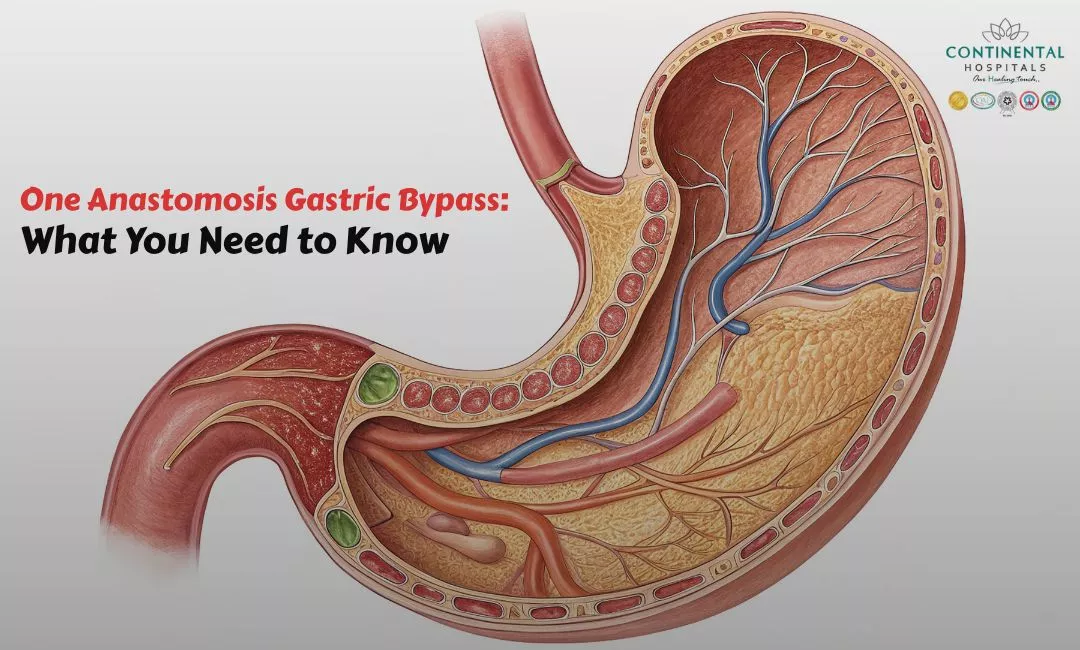
Obesity is more than a cosmetic concern. It affects overall health, confidence, mobility, and quality of life. When diet, exercise, and medical management do not bring lasting results, weight loss surgery becomes a reliable and medically proven option. One such advanced procedure is One Anastomosis Gastric Bypass (OAGB), a widely accepted form of bariatric surgery that supports long term weight loss and improvement in obesity related conditions.
What Is One Anastomosis Gastric Bypass (OAGB)?
One Anastomosis Gastric Bypass, also known as OAGB, is a type of gastric bypass surgery designed to help people with severe obesity lose weight safely and effectively. In this procedure, the surgeon creates a small stomach pouch and connects it directly to a loop of the small intestine using a single surgical connection. This is where the term one anastomosis comes from.
By reducing the stomach size and altering how food travels through the digestive system, OAGB helps patients eat less and absorb fewer calories. This combination leads to significant and sustained weight loss.
Visit our Bariatric Surgery Department to consult expert bariatric surgeons for safe, advanced weight-loss solutions with personalized care and long-term support.
How Does OAGB Work?
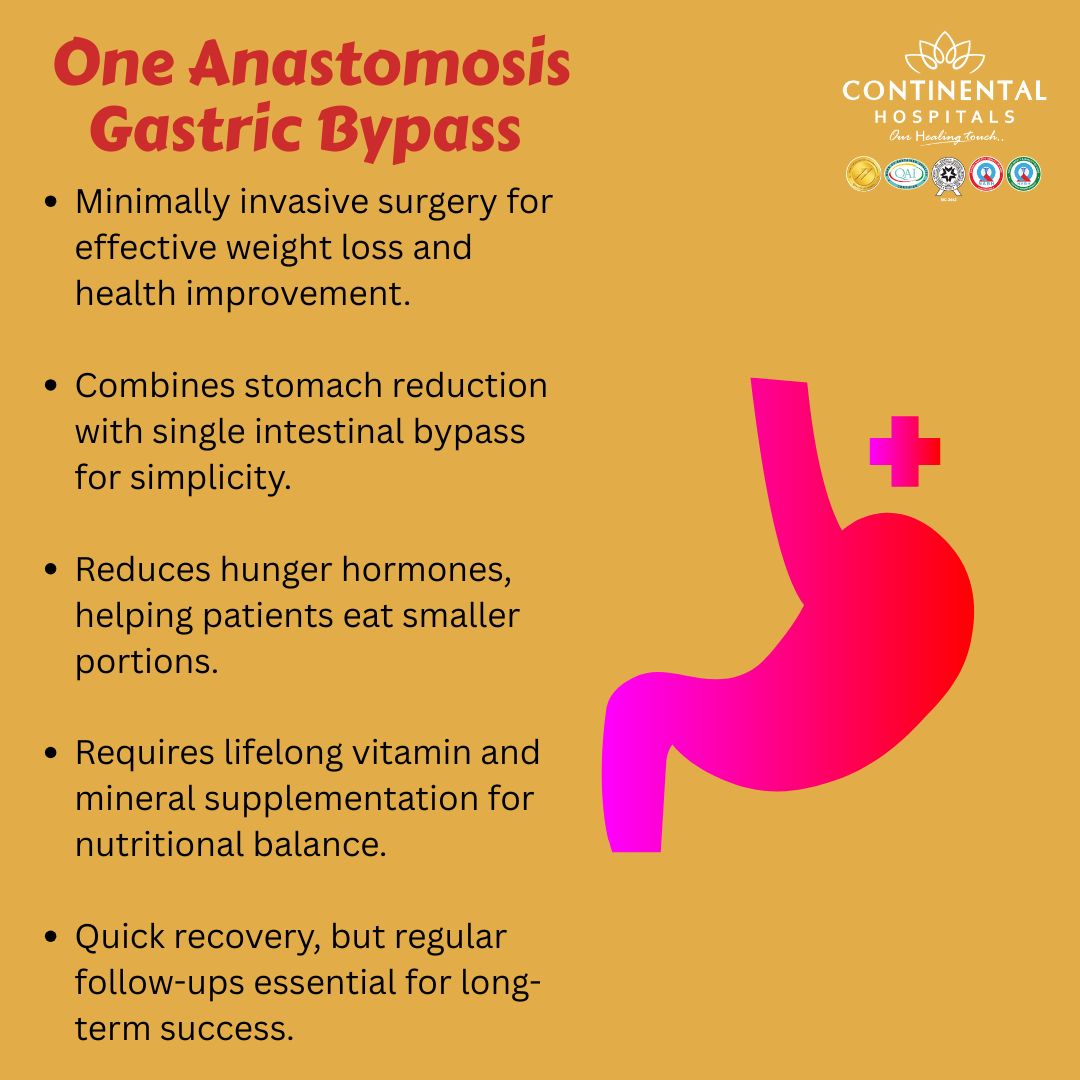
OAGB works in two main ways:
Restriction
The stomach pouch is smaller, so you feel full after eating small portions.
Malabsorption
A part of the intestine is bypassed, which reduces calorie and nutrient absorption.
Together, these mechanisms make OAGB more effective than many traditional weight loss methods.

Who Is a Suitable Candidate for OAGB?
You may be advised to consider one anastomosis gastric bypass if you:
- Have severe obesity or extreme weight loss goals
- Have obesity related conditions like type 2 diabetes, high blood pressure, or sleep apnea
- Have tried lifestyle changes and medical treatments without long term success
- Are physically and mentally prepared for life after weight loss surgery
A detailed evaluation by a bariatric surgeon is essential to decide if OAGB is the right option for you.
Benefits of One Anastomosis Gastric Bypass
OAGB has gained popularity because of its strong clinical outcomes and patient satisfaction. Key benefits include:
- Significant and long lasting weight loss
- Improvement or resolution of type 2 diabetes
- Better control of blood pressure and cholesterol
- Reduced joint pain and improved mobility
- Improved energy levels and daily functioning
- Shorter operative time compared to some bariatric surgery options
For many patients, OAGB provides better results than gastric sleeve surgery, especially in cases of severe obesity.
OAGB vs Other Weight Loss Surgeries
When comparing weight loss surgery options, it is important to understand the differences.
OAGB vs Gastric Sleeve
- OAGB leads to greater weight loss in many patients
- Gastric sleeve mainly restricts food intake, while OAGB also reduces absorption
- OAGB may offer better diabetes control
OAGB vs Traditional Gastric Bypass
- OAGB involves only one intestinal connection
- Surgical complexity is reduced
- Recovery is often faster
Your surgeon will guide you based on your health condition and weight loss goals.
The Surgical Procedure Explained Simply
The OAGB procedure is performed using minimally invasive laparoscopic techniques. This means smaller incisions, less pain, and quicker recovery.
Basic steps include:
- Creation of a small stomach pouch
- Connection of the pouch to the small intestine with one anastomosis
- Bypassing a portion of the digestive tract
The surgery typically lasts a few hours and patients are encouraged to walk within a day after surgery.
Recovery and Hospital Stay
Recovery after one anastomosis gastric bypass is usually smooth when post surgery guidelines are followed.
What to expect after surgery?
- Short hospital stay under expert monitoring
- Gradual progression from liquids to solid foods
- Mild discomfort that improves with time
- Return to daily activities within a few weeks
Regular follow up visits ensure safe healing and long term success.
Life After Weight Loss Surgery
Life after weight loss surgery involves lifestyle adjustments, but the results are rewarding.
Key changes include:
- Eating smaller, balanced meals
- Following bariatric nutrition guidance
- Taking prescribed vitamin and mineral supplements
- Staying physically active
- Attending regular follow up appointments
These habits support sustained weight loss and prevent nutritional deficiencies.
Nutrition After OAGB
Bariatric nutrition plays a critical role after OAGB.
Important dietary principles:
- High protein intake for muscle strength
- Adequate hydration throughout the day
- Avoiding sugary and highly processed foods
- Eating slowly and mindfully
With the right nutrition plan, patients experience better energy levels and overall health.
Are There Any Risks?
Like all bariatric surgery procedures, OAGB carries some risks. These may include nutritional deficiencies, reflux symptoms, or digestive changes. However, when performed by experienced surgeons in a well equipped hospital, the procedure is considered safe and effective.
Choosing the right hospital and surgical team significantly reduces risks.
Why Choose Continental Hospitals for OAGB?
Continental Hospitals is recognized as one of the best hospitals in Hyderabad for advanced bariatric surgery care. Patients trust Continental Hospitals because of:
- Highly experienced bariatric surgeons and multidisciplinary teams
- Internationally accredited hospital standards ensuring patient safety
- Advanced operation theaters and modern technology
- Comprehensive pre surgery and post surgery care programs
- Dedicated bariatric nutrition and lifestyle counseling support
The hospital follows strict quality and safety protocols aligned with global healthcare accreditations, ensuring excellence in patient outcomes.
When Should You Seek Medical Advice?
If obesity is affecting your health, confidence, or daily activities, it is important to seek expert advice early. Delaying treatment can increase the risk of complications linked to obesity.
Consultation with a bariatric surgeon can help you understand if OAGB is suitable for you and what results you can expect.
Conclusion
One Anastomosis Gastric Bypass (OAGB) is a proven and effective bariatric surgery option for individuals struggling with severe obesity and related health conditions. With proper medical guidance, lifestyle changes, and nutritional support, OAGB can lead to meaningful weight loss and a healthier future.
If you suffer from obesity or obesity related health problems and are looking for a safe, advanced weight loss solution, expert help is available. Consult Our best bariatric surgeons provide personalized care, advanced surgical techniques, and long term support to help you achieve sustainable weight loss and improved quality of life.
Related Blog Topics: