.webp)

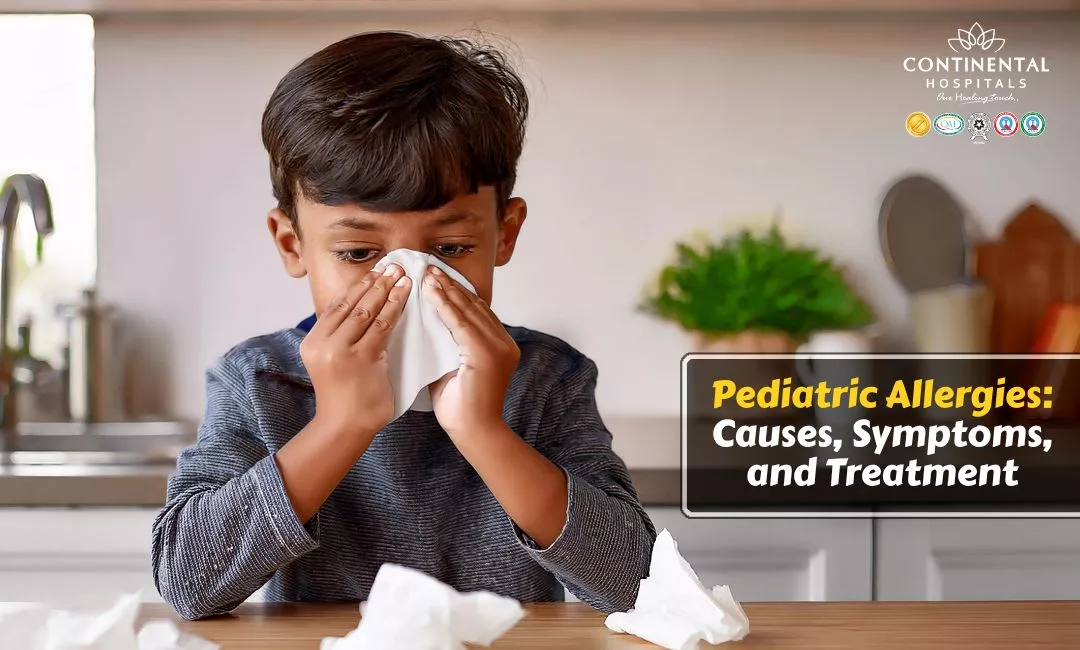
Parenting involves constant vigilance, especially when it comes to the health and well-being of your children. Among the most common health concerns for parents today are pediatric allergies. These occur when a child’s immune system overreacts to substances that are typically harmless to most people. Understanding the triggers, recognizing the signs early, and knowing the available treatments are essential steps in ensuring your child leads a comfortable and active life.
Understanding Pediatric Allergies
An allergy is essentially a case of mistaken identity by the immune system. In children with pediatric allergies, the body identifies a specific substance—called an allergen—as an invader. To protect the body, the immune system produces antibodies that trigger the release of chemicals like histamine. This chemical reaction results in the symptoms we recognize as an allergic reaction, affecting the skin, respiratory system, or digestive tract.
If your child has ongoing allergies or breathing issues, get expert care. Visit our pediatrics allergy department at Continental Hospitals today.
Common Causes of Allergies in Kids
The environment is full of potential allergens. While any substance can technically trigger a reaction, most childhood allergies fall into a few specific categories:
- Indoor Allergens: Dust mites, pet dander (skin flakes or saliva from cats and dogs), and mold are the most frequent indoor triggers. These often cause year-round symptoms.
- Outdoor Allergens: Pollen from trees, grass, and weeds is a major contributor to seasonal allergies, often referred to as hay fever.
- Food Allergens: This is a significant area of concern for parents. Common culprits include milk, eggs, peanuts, tree nuts, soy, wheat, fish, and shellfish.
- Insect Stings: Reactions to bee stings, wasp stings, or fire ant bites can range from mild swelling to severe systemic reactions.
- Medications: Certain antibiotics or over-the-counter medicines can trigger allergic responses in sensitive children.
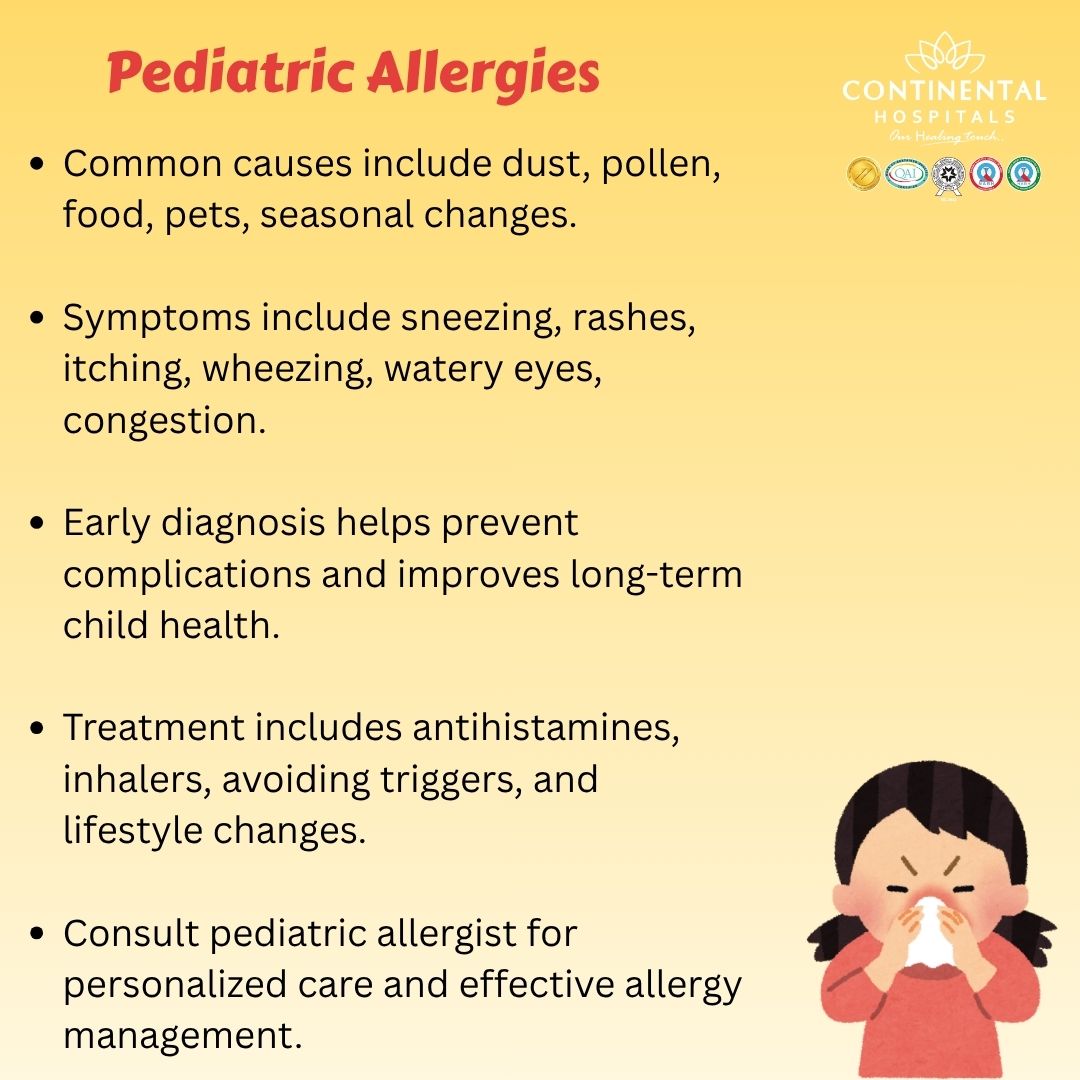
Recognizing Childhood Allergy Symptoms
Identifying pediatric allergies can be challenging because the symptoms often mimic those of a common cold or a viral infection. However, there are distinct signs parents should look for:
Respiratory Symptoms
If your child frequently experiences a runny or stuffy nose without a fever, allergies might be the cause. Common signs include:
- Persistent sneezing
- Itchy, watery, or red eyes
- A chronic cough or wheezing
- Shortness of breath
Skin Symptoms
The skin is often the first place an allergic reaction becomes visible. Look for:
- Hives: Red, itchy bumps that appear suddenly on the skin.
- Eczema: Dry, itchy, and inflamed patches of skin, often found in the creases of elbows or knees.
- Skin Rashes: General redness or irritation after touching a specific substance.
Digestive Symptoms
Mainly associated with food allergies, these symptoms usually appear shortly after eating:
- Nausea and vomiting
- Abdominal pain or cramping
- Diarrhea
- Swelling of the tongue or lips
In rare and severe cases, a child may experience anaphylaxis. This is a life-threatening emergency characterized by a sudden drop in blood pressure and difficulty breathing. If you notice your child struggling to breathe or losing consciousness, seek emergency medical care immediately.

Effective Treatment for Pediatric Allergies
Managing pediatric allergies requires a multi-faceted approach. The primary goal is to reduce the frequency of reactions and minimize the severity of symptoms when they occur.
Environmental Control
The most effective treatment is the avoidance of known triggers. This might involve using HEPA filters in the home, keeping windows closed during high pollen seasons, or maintaining a pet-free bedroom. For food allergies, strict label reading and informing school staff are vital steps.
Pharmacological Interventions
When avoidance isn't enough, several medications can help:
Antihistamines: Available in liquids, tablets, or nasal sprays, these help block the histamines that cause itching and sneezing.
Nasal Corticosteroids: These sprays reduce inflammation in the nasal passages and are highly effective for chronic congestion.
Epinephrine Auto-injectors: For children with severe food or insect allergies, carrying an emergency shot is a necessary precaution.
Immunotherapy
For long-term relief, especially for pollen or dust mite allergies, allergy shots or sublingual drops may be recommended. This process involves exposing the child to tiny, increasing amounts of the allergen to desensitize their immune system over time.
Why Choose Continental Hospitals for Pediatric Allergy Care?
When it comes to your child's health, you want the expertise of the best hospital in Hyderabad. Continental Hospitals stands at the forefront of pediatric care, offering a specialized environment designed specifically for the unique needs of children.
Our facility is renowned for its clinical excellence and a patient-centric approach. We understand that a child is not just a "small adult" but requires specialized medical attention and emotional support. Our pediatric department is staffed by some of the most experienced specialists in the region, ensuring your child receives a precise diagnosis and a personalized treatment plan.
Accreditations and Quality Standards
Continental Hospitals is committed to maintaining the highest international standards of safety and care. We are proud to hold prestigious accreditations, including:
JCI Accreditation: The Joint Commission International gold seal reflects our commitment to global benchmarks in patient safety and quality of care.
NABH Accreditation: The National Accreditation Board for Hospitals & Healthcare Providers ensures that our clinical processes and infrastructure meet rigorous national standards.
These certifications provide parents with the peace of mind that their child is being treated in a facility that prioritizes hygiene, clinical precision, and ethical medical practices.
Advanced Diagnostic Facilities
We utilize cutting-edge diagnostic tools to identify the exact cause of your child's distress. From advanced skin prick testing to precise blood tests for specific IgE antibodies, our laboratory services provide fast and accurate results. This allows our doctors to move quickly from diagnosis to treatment, reducing the period of discomfort for your child.
Conclusion
Managing pediatric allergies is a journey that requires patience, education, and the right medical partnership. By staying informed about the causes and symptoms, you can act as your child's best advocate. Early intervention not only relieves immediate discomfort but also prevents long-term complications such as chronic sinus issues or the development of asthma. At Continental Hospitals, we are dedicated to supporting your family every step of the way, providing world-class care right here in Hyderabad.
If you notice your child struggling with persistent cold-like symptoms, skin rashes, or reactions to certain foods, do not wait for the symptoms to resolve on their own. Accurate testing is the first step toward a sneeze-free, active childhood.
If your child suffers from persistent allergies or unexplained respiratory issues, consult our experts for a comprehensive evaluation. Consult our best pediatrics allergist in Hyderabad at Continental Hospitals.
Related Blog Topics: