.webp)

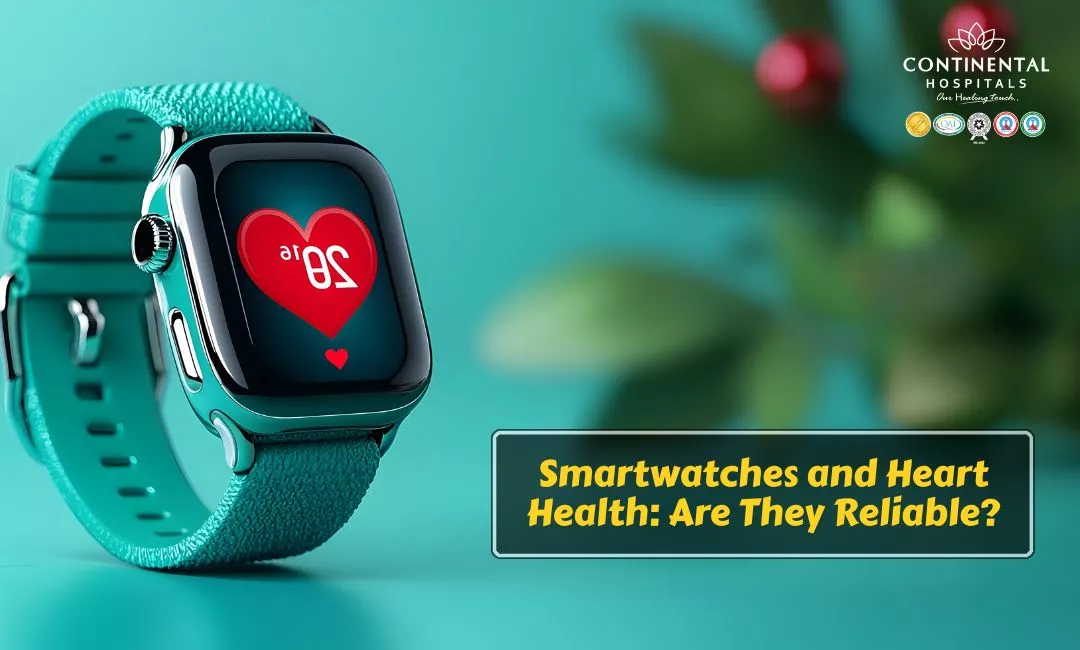
Wearable technology has transitioned from a luxury gadget to a vital health companion for millions. From tracking steps to monitoring sleep patterns, these devices offer a wealth of data. However, the most significant shift has been in cardiac monitoring. As more people use these devices to keep an eye on their pulse, a vital question arises: are smartwatches for heart health truly reliable?
Understanding the capabilities and limitations of these devices is essential for anyone looking to manage their cardiovascular wellbeing effectively. While they offer convenience, they are best used as a supportive tool rather than a replacement for professional medical assessment.
How Smartwatches Monitor Your Heart
To understand the accuracy of these devices, it is helpful to know how they work. Most smartwatches utilize a technology called photoplethysmography (PPG). This involves shining a green LED light against the skin of the wrist. By measuring the light reflected back, the device can detect changes in blood flow volume, which translates into a heart rate reading.
Advanced models also include sensors for an electrocardiogram (ECG). Unlike PPG, which measures blood flow, an ECG sensor measures the actual electrical signals of the heart. This allows the device to detect irregularities such as Atrial Fibrillation (AFib).
Consult our expert cardiologists at Continental Hospitals, Hyderabad today for heart concerns or a professional screening. Visit our cardiology department now.
The Strengths of Wearable Devices for Heart Health
Smartwatches for heart health provide several benefits that traditional clinical tests might miss simply because of the time factor.
- Continuous Monitoring: Unlike a standard doctor’s visit where your heart rate is measured for a few seconds, a smartwatch tracks you throughout the day and night.
- Early Detection: Many users have discovered underlying heart rhythm issues after receiving an alert from their watch during rest.
- Motivation for Fitness: By gamifying health metrics, these devices encourage users to remain active, which is the cornerstone of heart disease prevention.
- Data Trends: Seeing how your heart rate fluctuates during stress, exercise, or sleep provides a holistic view of your lifestyle.
Smartwatch Heart Monitoring Accuracy: What You Should Know
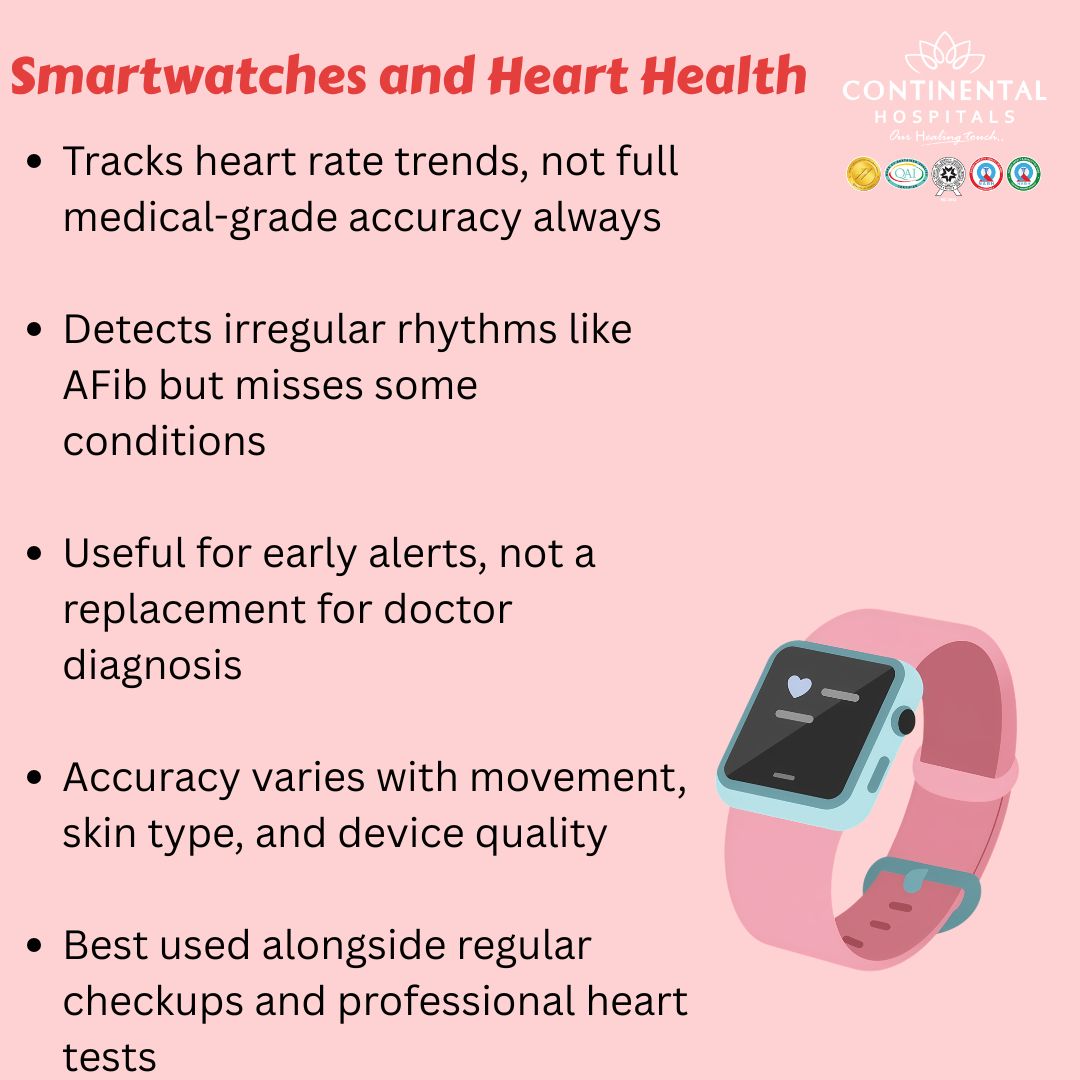
While the technology is impressive, smartwatch heart monitoring accuracy is not infallible. Several factors can influence the readings you see on your screen.
1. Movement and Fit
During high-intensity exercise, the movement of your arm can cause the sensor to lose contact with the skin. If the band is too loose or the wrist is moving vigorously, the PPG sensor may provide "noise" instead of an accurate pulse.

2. Skin Tone and Circulation
Because PPG relies on light absorption, variations in skin pigmentation or even tattoos on the wrist can sometimes interfere with the sensors. Similarly, poor circulation in cold weather can reduce the blood flow at the surface of the skin, making it harder for the watch to get a clear reading.
3. Medical Grade vs. Consumer Grade
It is important to remember that a smartwatch is a consumer electronics product. While many have received FDA clearance for specific features like AFib detection, they are not intended to be as precise as the diagnostic equipment found in a hospital.
Are Smartwatches Reliable for Heart Rate and ECG?
When asking if these devices are reliable, the answer depends on the context. For general fitness tracking, they are excellent. For detecting serious medical conditions, they should be treated as a "screening" tool rather than a "diagnostic" tool.
Smartwatch ECG Accuracy
A single-lead ECG on a watch is designed to detect AFib. However, it cannot detect a heart attack or other complex structural heart problems. If you feel chest pain or shortness of breath, a "normal" reading on a watch does not mean you are in the clear. Clinical symptoms always trump a digital reading.
Making the Most of Your Wearable Data
To ensure you get the best results from your device, follow these practical steps:
- Ensure a Snug Fit: The sensor must remain in constant contact with your skin, especially during workouts.
- Keep it Clean: Sweat and debris can block the sensors. Wipe the back of the watch regularly.
- Look for Trends: Do not panic over a single high or low reading. Instead, look at your resting heart rate over a week or month.
- Share with Your Doctor: If your watch consistently flags an irregular rhythm, export the data and bring it to your next consultation.
Why Choose Continental Hospitals for Your Heart Care?
When technology flags a potential issue, you need a healthcare partner that combines advanced diagnostics with compassionate care. Continental Hospitals stands as the best hospital in Hyderabad for cardiac sciences, offering a comprehensive approach to heart health.
Global Standards and Accreditations
At Continental Hospitals, we adhere to the highest international protocols for patient safety and clinical excellence. Our facility is recognized for its commitment to quality through prestigious accreditations:
JCI Accreditation: We are proud to be accredited by the Joint Commission International, reflecting our adherence to global healthcare standards.
NABH Accreditation: Our commitment to national quality standards ensures that every patient receives the highest level of care.
Advanced Infrastructure: Our cardiac department is equipped with the latest diagnostic technology that goes far beyond what any wearable device can offer.
A Multidisciplinary Approach
Heart health is rarely about one single factor. Our team of specialists works collaboratively to address lifestyle, genetics, and existing conditions. We utilize high-resolution imaging and advanced laboratory testing to provide a definitive diagnosis that smartwatches cannot provide.
When to See a Doctor
A smartwatch is a tool for awareness, but it is not a doctor. If your device alerts you to a high resting heart rate or an irregular rhythm, it is an invitation to seek professional advice. Waiting can often lead to complications that are easily preventable with early intervention.
- Are you experiencing any of the following?
- Persistent palpitations or a fluttering feeling in the chest?
- Unexplained dizziness or lightheadedness?
- Shortness of breath during mild activity?
- Fainting spells or extreme fatigue?
If you suffer from these symptoms, or if your wearable device consistently shows irregular data, it is time to consult a specialist.
Conclusion
Smartwatches for heart health are revolutionary tools that empower us to take charge of our daily wellness. They provide a window into our physiology that was previously inaccessible. However, the reliability of these devices has its limits. They are best used to start a conversation with a medical professional, not to end one.
Your heart deserves the precision of clinical expertise and the security of accredited care. Use your technology to stay informed, but trust your health to the experts who have the tools and experience to keep your heart beating strong.
Consult our best cardiologist in Hyderabad at Continental Hospitals today if you suffer from heart-related concerns or wish to have a professional screening.
Related Blog Topics: