
• Share this:
post-title

Top Health Benefits of Eating Walnuts Every Day

Written by - Editorial Team
Medically Reviewed by - Dr M Anuradha Reddy

If you’re looking for an uncomplicated daily snack that delivers a significant benefit for your health, hardly there are options that can compete with the walnut. These unique, brain-like nuts are a nutritional superstar, containing a wide variety of protective compounds that protect your body from the inside out. By adding walnuts to your everyday diet, it is easier than ever to improve your nutrition and invest in your long-term health.

Many wonder how a simple change in your everyday life can affect your overall health. The daily consumption of walnuts gives you a constant supply of essential fatty acids, antioxidants, and vital minerals that are crucial for your body to function at optimal levels. Whether you want to prevent excitement or safeguard your heart and blood pressure system, a handful of walnuts can make a difference.

To take care of health and medicine, a person must make wise, carefully chosen choices. With Continental Hospitals, the best hospitals in Hyderabad, residents can enjoy the best health management by combining preventive nutrition with world-class medical help. Here is a chance to attain your health targets and enjoy a healthier life.

Why are walnuts considered a superfood for your brain?

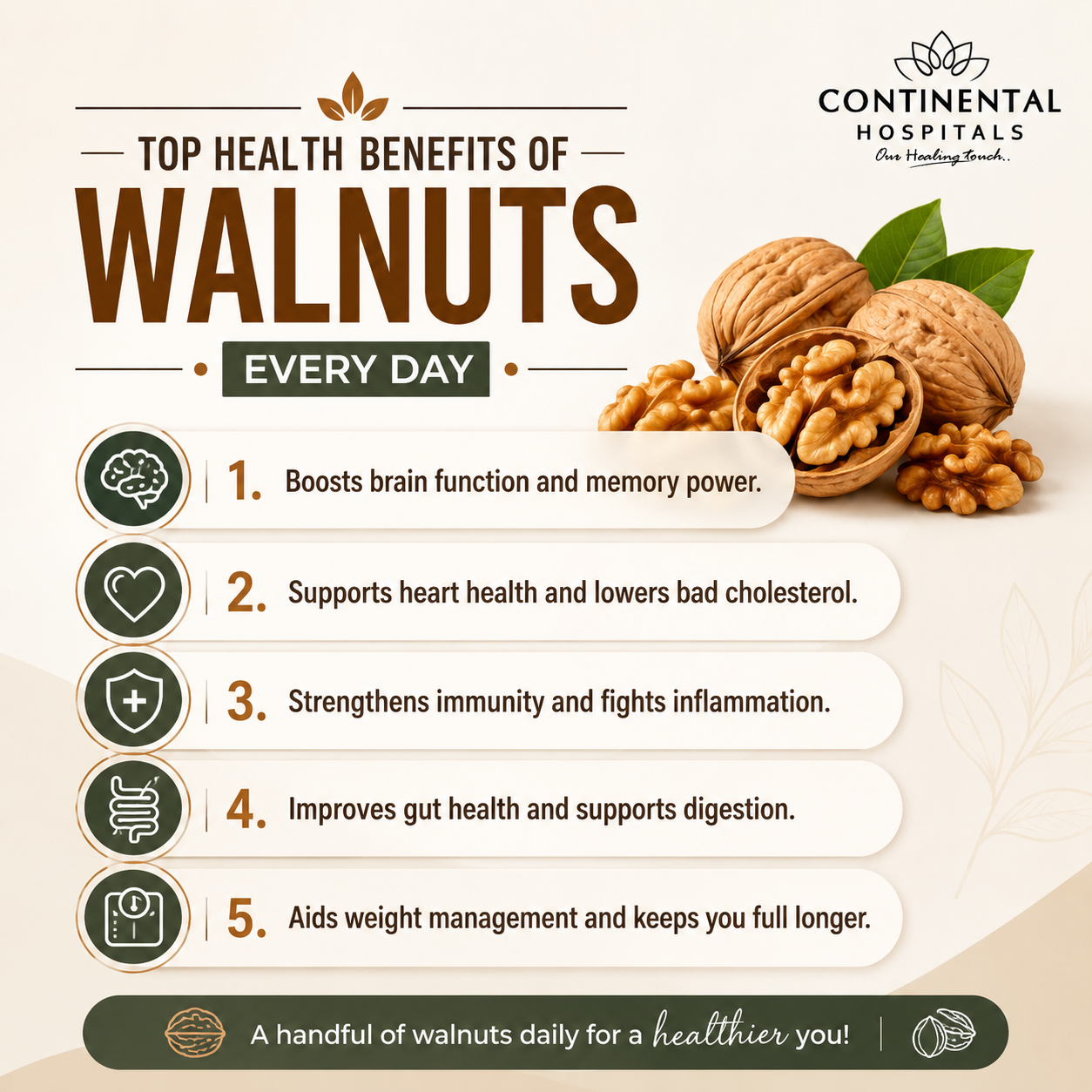
If you look closely at a walnut, you’ll see that it’s a surprisingly accurate representation of a human brain. The hard-nosed nuts, it turns out, might actually be an elaborate ode to the power of nature, as they contain an abundance of nutrients that promote brain health. Most notably, walnuts contain high levels of alpha-linolenic acid, a type of omega-3 found in plants that is essential to brain health.

Do walnuts help with memory? 
Yes, the antioxidants and healthy fats in walnuts reduce the oxidative stress in the brain that can impair memory and processing speed.

Can they help prevent cognitive decline with age?
Regular consumption of walnuts helps protect brain cells from inflammation, which helps maintain mental sharpness as you age.

How might they improve your mood?
The omega-3 fatty acids in walnuts help promote healthy neurotransmitter function, which can help support your mood throughout the day.

If you're experiencing digestive discomfort, low energy levels, or lifestyle-related health concerns, our expert nutritionists are here to help. Visit our Nutrition Department at Continental Hospitals for personalized diet guidance and comprehensive nutritional care.

How does the menu of health benefits of walnuts support your heart?

Cardiovascular disease is one of the leading causes of death worldwide, but eating walnuts each day is a fantastic way to keep your heart healthy. The combination of healthy fats and antioxidants supports blood vessels as they remain flexible and blood flows through your body.

Second Opinion

Do walnuts lower bad cholesterol?
Regular consumption of walnuts can significantly lower levels of low-density lipoprotein, otherwise known as “bad” cholesterol.

Can they help lower blood pressure?
The nutrients in walnuts help support endothelial function, a mechanism that helps with relaxation of blood vessels and healthy blood pressure.

How do they help lower plaque buildup in arteries?
The polyphenols and vitamin E in walnuts help prevent cholesterol from becoming oxidized in the arteries, which reduces plaque buildup.
What are the nutritional benefits of walnuts for gut health and weight management?

It’s clear that a healthy gut is the key to good health, and walnuts are one of the best foods to give your digestive system a rich boost. While they may carry a lot of calories, they’re also very filling and can help you keep a healthy weight when you eat them in moderation.

Do walnuts help create a healthy microbiome?
Eating walnuts daily encourages the growth of good gut bacteria, improving digestion and supporting your immune system.

Can walnuts help control appetite?
The unique combination of protein, healthy fats, and fiber in walnuts boosts feelings of fullness, helping tame your appetite naturally.

Need an Appointment?

Do they help a healthy metabolic profile?
Walnut-specific fats improve insulin sensitivity, making them a great food to add to a balanced eating plan.

What are the nutritional benefits of walnuts for health in reducing chronic inflammation?

Because chronic inflammation underlies the root of many serious health conditions, such as arthritis and metabolic disease, walnuts contain a powerful array of plant compounds that combat inflammatory triggers within the body.

What compounds in walnuts have anti-inflammatory health benefits?
The nuts contain polypenols called ellagitannins, which are metabolized by gut microbes into anti-inflammatory compounds.

Can they help reduce joint pain?
The benefits of eating walnuts daily reduce systemic inflammatory markers, which can reduce joint stiffness and improve joint range of motion.

Do they protect cells from damage?
Walnuts have an enormous antioxidant capacity, allowing them to neutralize free radicals that can damage cells and precipitate chronic disease.

Why Choose Continental Hospitals for Your Healthcare Needs?

Sure, maintaining a good diet is a good first step, but being in the red zone takes advanced medical services to back them up. Continental Hospitals is one of the very best hospitals in Hyderabad with the best healthcare services for our patients.

Our facilities are known for their clinical and safety services, and we are a national and international JCI- and NABH-certified hospital. These accreditations guarantee our patients the highest standards of medical care. Here we have state-of-the-art technology coupled with highly effective medical technologies.

Continental Hospitals offers comprehensive medical services, including preventive nutrition-oriented medicine. We have the first-class medical facilities for complex medical and surgical conditions in a wide variety of medical specialties.

Conclusion

Making walnut a part of your diet for these amazing walnut health benefits is just the beginning of practicing good health. Adjusting dietary habits is just one part of the equation when it comes to long-term health. If you have a chronic medical condition or you have long-lasting fatigue or a complex metabolic condition, talking to a medical professional is essential. If you are trying to manage your own medical issues, these methods are not a substitute for professional medical advice.

If you suffer from persistent digestive issues, heart palpitations, or unexplained fatigue, it is important to consult a professional. Nutritional changes are most effective when monitored by experts who understand your unique medical history. Consult our best nutritionist in Gachhibowli at Continental Hospitals today to schedule a comprehensive health checkup.

Related Blog Topics:

Best Nuts for Heart Health: Almonds or Walnuts?

Frequently Asked Questions

Eating walnuts daily offers several health benefits due to their rich nutritional profile. Walnuts are packed with omega-3 fatty acids, antioxidants, protein, fiber, vitamins, and minerals that support overall well-being. Regular consumption may help improve heart health by reducing bad cholesterol levels and supporting healthy blood vessels. Walnuts can also support brain function, enhance memory, and promote cognitive health. Their anti-inflammatory properties may help reduce the risk of chronic diseases. The fiber and healthy fats in walnuts contribute to better digestion and prolonged satiety, which may aid in weight management. Additionally, walnuts support immune function, bone health, and healthy aging. Including a moderate serving of walnuts as part of a balanced diet can contribute to long-term health and wellness.
Walnuts are considered one of the most heart-friendly nuts because they contain alpha-linolenic acid (ALA), a plant-based omega-3 fatty acid. Regular walnut consumption may help lower LDL or bad cholesterol levels while maintaining healthy HDL cholesterol. The antioxidants and polyphenols present in walnuts help reduce oxidative stress and inflammation, both of which are associated with cardiovascular disease. Walnuts may also improve blood vessel function and help regulate blood pressure. Their healthy fats support circulation and overall cardiovascular wellness. Studies suggest that including walnuts in a balanced diet can contribute to a reduced risk of heart disease. Combining walnuts with healthy lifestyle habits such as regular exercise and a nutritious diet may further enhance heart health benefits.
Walnuts contain nutrients that are beneficial for brain health, including omega-3 fatty acids, vitamin E, antioxidants, and polyphenols. These compounds help protect brain cells from oxidative damage and support healthy communication between neurons. Regular walnut consumption may contribute to better memory, concentration, and cognitive performance. The anti-inflammatory properties of walnuts may also support long-term brain health and healthy aging. Some research suggests that diets rich in nuts, including walnuts, may be associated with a lower risk of cognitive decline. Walnuts can be a nutritious addition to meals and snacks, helping individuals maintain brain function as they age. Consistent consumption as part of a healthy diet may provide valuable support for cognitive wellness.
Despite being calorie-dense, walnuts can be beneficial for weight management when consumed in moderation. Walnuts contain healthy fats, protein, and dietary fiber, which help promote feelings of fullness and reduce hunger between meals. This increased satiety may help individuals avoid overeating and unhealthy snacking. Walnuts also provide sustained energy, making them a nutritious option for maintaining balanced eating habits. Studies indicate that including nuts in a healthy diet does not necessarily lead to weight gain and may support long-term weight control. Their nutrient density makes them a satisfying and healthy snack choice. Pairing walnuts with fruits, yogurt, or salads can further support a balanced approach to weight management.
Walnuts contain anti-inflammatory nutrients such as omega-3 fatty acids, polyphenols, and antioxidants that may help reduce inflammation throughout the body. Chronic inflammation has been linked to conditions such as heart disease, diabetes, arthritis, and certain cancers. The bioactive compounds found in walnuts help neutralize harmful free radicals and support the body's natural defense mechanisms. Regular walnut consumption may contribute to lower levels of inflammatory markers. By supporting a healthier inflammatory response, walnuts can promote overall wellness and potentially reduce the risk of chronic health issues. Including walnuts as part of a nutrient-rich diet can complement other healthy lifestyle choices aimed at managing inflammation and supporting long-term health.
Walnuts may support digestive health due to their fiber content and beneficial plant compounds. Dietary fiber helps promote regular bowel movements and supports a healthy digestive system. Research suggests that walnuts may positively influence the gut microbiome by encouraging the growth of beneficial bacteria. A healthy gut microbiome plays an important role in digestion, immune function, and overall health. The nutrients found in walnuts may also contribute to improved nutrient absorption and gastrointestinal wellness. Incorporating walnuts into a balanced diet alongside fruits, vegetables, and whole grains can help support digestive health. Regular consumption may contribute to a healthier gut environment and better digestive comfort over time.
Walnuts may support healthy blood sugar management due to their combination of healthy fats, protein, and fiber. These nutrients help slow digestion and reduce rapid spikes in blood glucose levels after meals. Regular walnut consumption may improve insulin sensitivity and support metabolic health. Walnuts have a low carbohydrate content, making them a suitable snack option for individuals aiming to maintain balanced blood sugar levels. While walnuts are not a treatment for diabetes, they can be included as part of a healthy eating plan designed to support blood glucose control. Pairing walnuts with other nutrient-rich foods may further enhance their benefits for metabolic health and overall wellness.
A commonly recommended serving size is about 28 grams of walnuts per day, which is approximately a handful or 7 to 14 walnut halves. This amount provides a good balance of healthy fats, protein, fiber, vitamins, and minerals without excessive calorie intake. Consuming walnuts regularly in moderate portions can help support heart health, brain function, digestion, and overall wellness. Walnuts can be added to breakfast cereals, smoothies, salads, yogurt, or eaten as a standalone snack. Individuals with specific dietary requirements should consult a healthcare professional or dietitian for personalized advice. Consistency and portion control are important for maximizing the health benefits of walnuts as part of a balanced diet.
Disclaimer: The information provided in this blog is intended for general knowledge and informational purposes only, and does not constitute medical advice. Always consult with a qualified healthcare professional for any medical concerns or before making any decisions about your health.

Get in Touch With Us

Whether you are from India or abroad, we are here to help you with your medical queries. Please fill out the form below and our team will connect with you shortly.

  • ✔ Quick response from our medical experts
  • ✔ Secure data handling & privacy
  • ✔ Easy upload for reports & documents
0 / 100
Checkboxes Section


Chat with our medical experts on WhatsApp for quick assistance and hassle-free appointment booking

Recent Posts
Language Based Image
0 / 100