.webp)

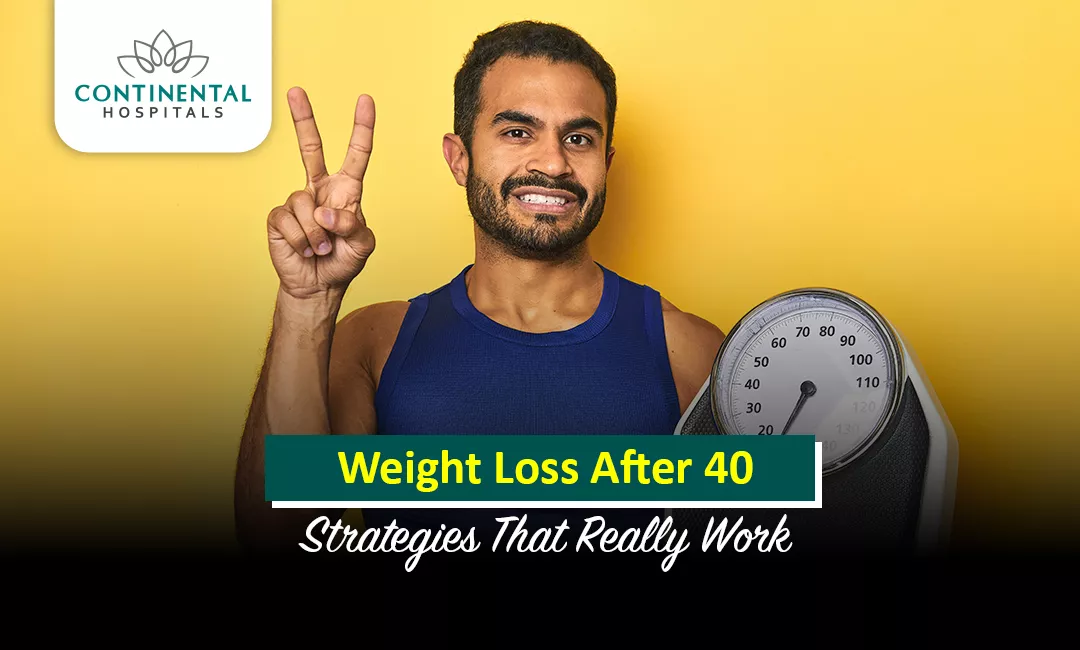
Now that you’ve turned forty, did you suddenly feel the last bit of your favorite jeans get paired more tightly around your waistline while the rest of your diet remained constant? You’re not kidding. After turning forty, many adults experience a change in their body’s response to weight gain. What worked in your twenties or thirties may now be futile, frustrating most as they try to figure out how to lose weight.
Here at Continental Hospitals, we know that weight loss after fortieth isn’t as simple as doing without willpower. It’s biology. The big hormonal and metabolic changes your body is experiencing impact the way it stores and burns energy. So to lose fat now, you need to put your focus on more intelligent, age-appropriate methods that aren’t as restrictive.
Motivation to lose weight is slightly different at this point in your life. Your priority should be your quality of life, including health, mobility, and happiness. Yes, you may want to lose weight fast, but a slow and steady method supported by science is best to ensure long term success. Let’s discover why this change happens and what you can do to adapt.
Why does your weight loss differ after 40?
When we hit 40, several biological processes conspire to alter our body composition. The default driver is age-related loss of lean muscle mass – sarcopenia. Not only does muscle have a higher caloric requirement than fat, but when the number of muscle fibers decreases, your resting metabolic rate slows down.
When it comes to fat loss after 40, hormonal changes are the second largest factor at play:
In women: Receptor changes in the perimenopause/menopause lead to a decline in estrogen. This shift changes where your body stores fat (typically dropping it in the hips/thighs and depositing it in deep abdominal visceral fat).
In Men: A slow decline in testosterone can cause a loss of muscle mass and a tendency to accumulate abdominal fat.
How does a slowing metabolism manifest?
The most apparent sign is a number change on the scale. But a shifting metabolism and shift in hormones can show up in a range of ways. Spotting these signals will let you know when further adjustment to your health plan may be needed:
- Unexpected weight gain, especially on your stomach.
- Continual fatigue and a drop in overall energy.
- Loss of toning and strength.
- More cravings for sugary or high-carb foods.
Difficulty sleeping or insomnia, which also wreaks havoc on hunger-hormones

What is the reason for weight gain over 40?
While hormonal decline is a major cause, it is often the lifestyle changes that sneak up on us as we reach our forties. You may be stressed by work or family demands, especially if you have aging parents. High stress levels prompt the release of cortisol, a hormone that specifically encourages your body to store belly fat.
Many are also more sedentary due to desk jobs or tend to experience more joint pain. As your metabolism slows down and daily activity decreases it’s a perfect recipe for weight gain.
What health consequences does weight gain over 40 have?
While excess weight may be seen as a cosmetic issue for many, it can pose serious health risks especially when it comes to excess visceral or belly fat. Visceral fat is metabolically active and releases substances that increase inflammatory processes in the body and are associated with the following health risks:
- Type 2 diabetes & insulin resistance
- Cardiovascular disease, including heart attack, high blood pressure & increased cholesterol
- Fatty liver
- Opportunities for sleep apnea/drug abuse
- Osteoarthritis from weight-bearing on the joints
How does a doctor diagnose metabolic issues?
If you have been eating and exercising well for the past year but cannot lose weight, or if you are in your forties, it’s an excellent time to get a medical code of conduct to become aware of potential metabolic roadblocks. You should begin with a comprehensive assessment to rule out hypothyroidism or insulin resistance.
The medical assessment may include:
- Full medical history/medical background
- Blood panels such as TSH (thyroid), fasting blood glucose, HbA1c, and lipids
- Emerging hormonal panels such as Estrogen, progesterone, and Testosterone
- Body composition reports with a goal to differentiate between fat mass and lean mass
What is the most effective weight loss medicine after 40?
Trendy fad diets, super hard workout cycles, and calcium, magnesium, and sodium supplements do not help people age healthily. Medical interventions help most people on a long-term basis.
Medical weight management includes, but is not restricted to;
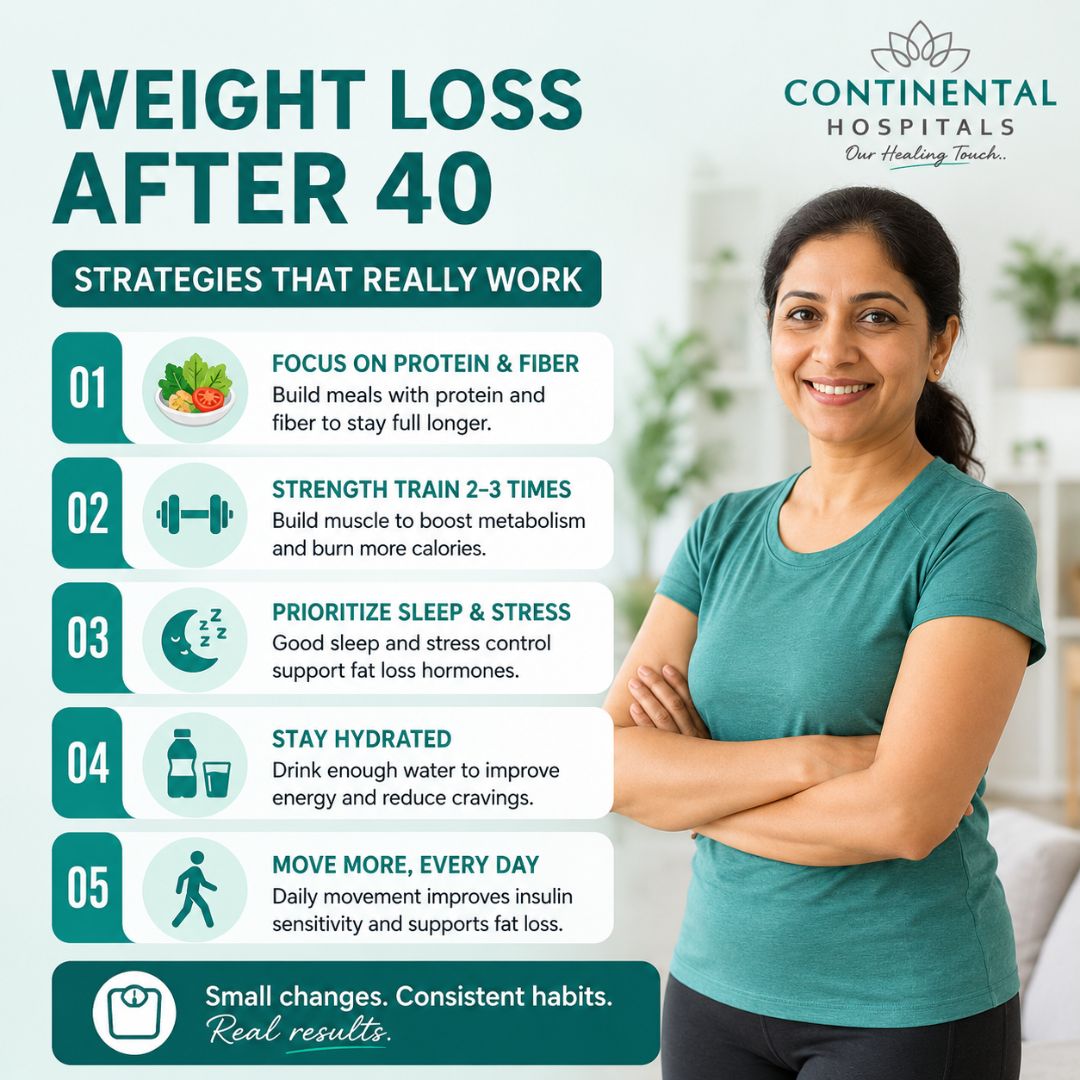
- Nutrition Counseling: Consult a registered dietitian to structure a bodyweight-focused diet that includes lean proteins, healthy fats, and fiber. Remember that protein preserves muscle.
- Hormone Management: Under medical guidance, extreme hormone imbalances can sometimes be corrected to normalize your chances of slimming down.
- Medically Supervised Weight Management: People with high weight-related health risks may be offered a clinical weight loss program and/or prescription weight loss treatments in conjunction with lifestyle modifications.
How do you prevent pregnancy over 40?
It is really about making lifestyle changes that match your body’s evolving biology. The earlier you start making intentional changes, you can fight off the gradual weight increase this decade is prone to.
- Exercise: Lift weights or do bodyweight exercises 2-3 times a week. Building muscle is key to keeping your metabolism active.
- Eat Real Foods: Get rid of processed foods. Focus on nutrient-dense meals that keep blood sugar stable and prevent energy dips.
- Manage Stress: Stress-management practices, such as yoga, meditation, or a simple walk, are essential.
- Sleep Well: Get 7-8 hours of pure sleep. Sleep regulates the hormones that control hunger (leptin, ghrelin).
When should you visit the doctor?
You should think of seeking medical assistance when you have begun to gain weight rapidly and without any clear the reason. Or, if you have experimented with all manner of diet schemes and exercise routines for months with no discernible results at all. Above all, if your weight gain is associated with debilitating exhaustion, changes of mood, or an irregular menstrual cycle, then we recommend that you seek a specialist.
Why select Continental Hospitals for weight loss treatment?
Tackling your health and achieving lasting weight loss after the age of 40 demands a highly supportive, clinical approach. Continental Hospitals is a world-leading destination for comprehensive metabolic and weight management care:
- Specialists of the Finest: Leading endocrinologists, bariatric specialists, and certified nutritionists who comprehend the challenges of aging and metabolism.
- Advanced Technology & World-Class Infrastructure: Cutting-edge diagnostic facilities for rigorous metabolic testing and body composition monitoring.
- Multidisciplinary Care & Patient-Centric Treatment: We are of the view that one approach is rarely effective for all. Hence, our teams work jointly to build tailored weight management programs that are specific to your hormonal profile and lifestyle requirements.
- Accredited Excellence: Accredited with JCI Accreditation and NABH Accreditation, which validate that we meet global standards of safety and medical quality.
- Highly Responsive: Our high standards of patient care are complemented by 24-hour emergency & critical care services, ensuring that you are supported at all times during your health journey.
Conclusion
Weight loss and maintaining vitality after 40 months. That is possible if you are willing to give up the hype and quick-fix solutions and embrace a modern mindset that respects your body’s changing biology. Strength training, mindful nutrition, and balancing your stress-managing system can set the foundation you need. And yes, you do not have to learn all this on your own; medical professionals can provide you with the clarity and the tools to help you reach weight-loss goals safely.
Questions about how to lose weight after 40? Consult our best endocrinologist in Hyderabad at Continental Hospitals. Experience the best professional diagnosis and treatment. Continental Hospitals provide all comprehensive and advanced care.
Related Blog Topics: