• Share this:
post-title

What Is Fibermaxxing and Why Is It Trending?

Written by - Editorial Team
Medically Reviewed by - Dr M Anuradha Reddy

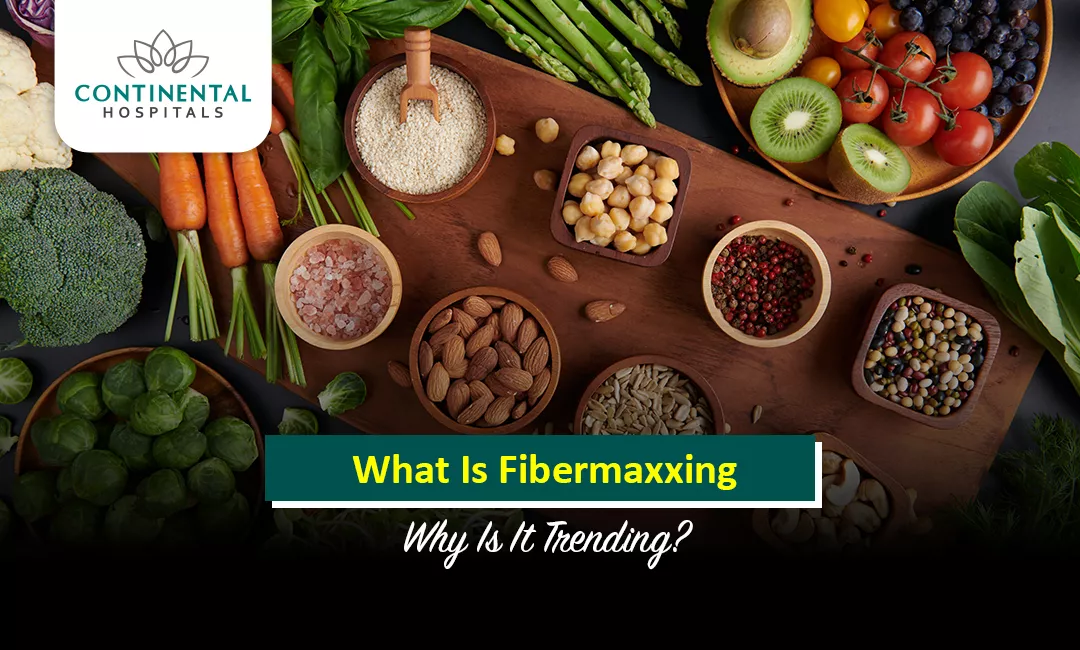
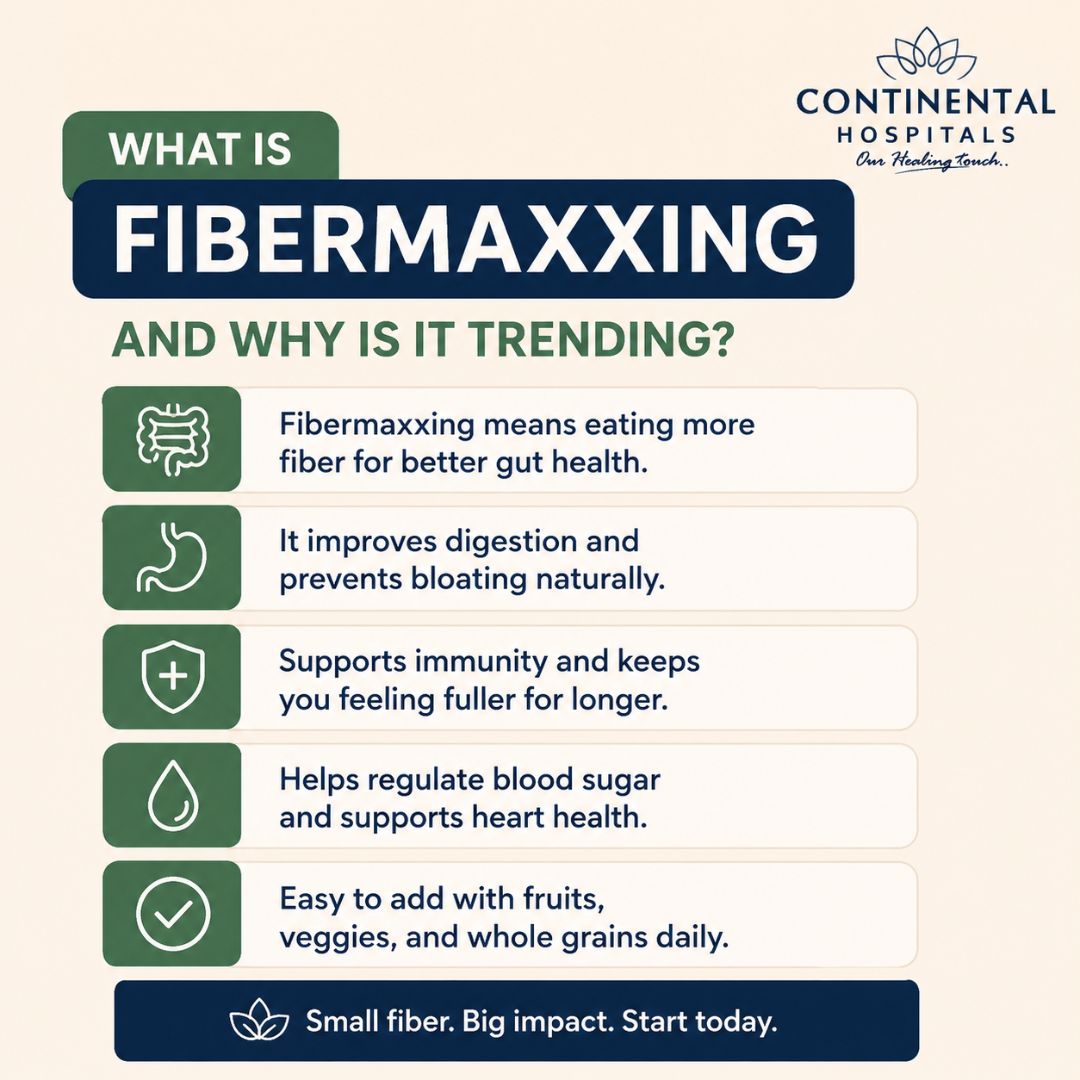
The term fibermaxxing has been trending on social media and wellness and nutrition circles lately. So what is fibermaxxing? In simple terms, it is the intentional increase of your dietary fiber intake through healthy eating and consumption of natural foods to yield better living, digestion, and metabolism.

The rising trend of fibermaxxing is because of the growing knowledge of gut health, weight management, blood sugar regulation, and heart health. People want end-to-end solutions to better their health without the hassle of a restrictive diet. Fibermaxxing is starting to become the newest, healthy, and evidence-based nutritional solution.

The fad diets eliminate entire food groups, but fibermaxxing is about you eating a wide variety of nourishing, nutrient-dense, and fibrous foods such as fruits, veg, legumes, nuts, seeds, and grains. In many cases, it's part of the answer to promoting better digestion and metabolic health.

What Makes the Fibermaxxing Trend So Popular?

The fibermaxxing trend is becoming increasingly popular due to the continuously growing research that demonstrates the many benefits of dietary fiber. Many individuals are learning additional ways to increase their fiber intake and experience an overall better way of living.

Here are some of the reasons why it has gained so much popularity:

  • Improved digestive health and regular bowel movements
  • Healthier gut microbiome
  • Increased satiety or fullness
  • Promotes healthy weight management
  • Help with blood sugar levels
  • Lower cholesterol
  • Decrease the risk of some chronic diseases

For all your fiber-maxxing and nutrition-related concerns, visit our Nutrition & Dietetics Department at Continental Hospitals for personalized dietary guidance and expert nutritional care.

What Symptoms Indicate Low Fiber Intake?

Surprisingly many people consume much less fiber than we are told to consume. Low-fiber diets are associated with the following symptoms:

  • Constipation
  • Irregular stools
  • Bloating
  • Hunger several hours after meals
  • Weight gain
  • Fatigue
  • Swings in blood sugar
  • Poorly functioning intestines

All of these symptoms tend to improve as individuals “tune” themselves into a high- fiber diet.

What Factors Contribute to Low Fiber Intake?

These are the practices that cause a lack of fiber:

Second Opinion

  • Eating too many processed foods
  • Eating too few fruits and vegetables
  • Overdoing refined grains
  • Eating a diet of fast food
  • Not paying attention to nutrition
  • Enjoying a fast-paced lifestyle with convenience foods

In our fast-paced world, people often eat “convenient” foods rather than “nutritious” foods. This is leading toward the increasing prevalence of low-fiber diets.
Who is at risk of fiber deficiency?

The following may consume too little fiber:

  • people on highly processed diets
  • several people sedentary lifestyles
  • older adults
  • young children with little variety in diet
  • people on poor diet-changing, weight-loss diets
  • people who don't eat enough fruits, vegetables, and whole grains

Knowing these risk factors might help susceptible individuals to eat better.

How is fiber measured?

Usually doctors get fiber data from:

  • information about dietary history and food intake
  • nutritional report
  • assessment of digestive complaint
  • blood sugar and cholesterol monitoring when warranted
  • assessment of overall health and lifestyle

Depending on these assessments, a dietitian or gastroenterologist will recommend dietary changes accordingly.

What are the top foods to eat in a high-fiber diet?

A successful high-fiber diet is based on many natural foods.

Need an Appointment?

Which Fruits Are Good at Fiber?

  • Apples
  • Pears
  • Berries
  • Oranges
  • Guava
  • Pomegranate

Which Vegetables Are Good at Fiber?

  • Broccoli
  • Carrots
  • Spinach
  • Sweet potatoes
  • Green peas

Which Whole Grains Are Good at Fiber?

  • Oats
  • Brown rice
  • Quinoa
  • Whole wheat
  • Barley

Which Legumes and Seeds Are High in Fiber?

  • Lentils
  • Chickpeas
  • Kidney beans
  • Chia seeds
  • Flaxseeds

These foods high in fiber are also rich in vitamins, minerals and antioxidants.

How to do safe fiberMaxxing?

Fiber can be used safely by taking it slowly, such that any increase will not cause stomach problems. There are a few guidelines to follow when performing fibermaxxing:

  • Increase fiber slowly
  • Drink plenty of water
  • Incorporate a range of high fiber foods
  • Have enough protein and healthy fats in each meal
  • Stay physically active
  • Consult your physician if you have digestive disorders

What Are the Treatment Options for Digestive Problems Associated with Low Fiber Intake?

If low fiber intake is contributing to your digestive symptoms, then treatment may involve:

  • Dietary counseling
  • Slowly increased fiber intake
  • Adequate hydration
  • Recommendations for regular physical activity
  • Treatment for an underlying digestive issue, if present
  • Or nutritional supplementation

Your healthcare professional can provide a patient-specific plan to enhance your digestive health safely.

How Can You Avoid These Nutritional Deficiencies?

The key to avoiding these deficiencies is adopting healthy dietary habits:

  • Eat fruits and vegetables regularly
  • Select whole grains rather than refined grains
  • Limit your intake of processed foods
  • Eat legumes regularly
  • Read nutrition labels
  • Drink enough water
  • Incorporate regular physical activity

These practices support healthy long-term digestive and metabolic function.

What Lifestyle Ideas Help Promote Successful Fibermaxxing?

To maximize the health benefits of dietary fiber, try these easy tips:

  • Eat oatmeal or whole-grain cereals to start your day
  • Add vegetables to each meal you eat
  • Snack on nuts and fruits
  • Occasionally eat brown rice instead of white
  • Incorporate legumes at least three times a week
  • Drink enough water throughout the day
  • Stay physically active

The practice of dietary fiber intake is far more important than any significant dietary changes.

When Do You Need to Call a Doctor?

Consider seeing your doctor if you are experiencing:

  • Constipation that does not improve
  • Itching of the abdomen
  • Suffering from chronic bloating
  • Unexplained weight loss
  • Blood in your stool
  • Severe abdominal pain
  • Digestive changes
  • Digestive symptoms that have not improved with appropriate diet

Early evaluation can identify any underlying digestive or metabolic issues.

Why Choose Continental Hospitals for Nutritional Health Management?

At Continental Hospitals, we provide comprehensive nutritional and digestive healthcare, through

  • A team of specialists, including gastroenterologists, dietitians and nutrition professionals
  • Advanced diagnostic and treatment technology
  • Multidisciplinary approach
  • Individualized treatment plans
  • JCI Accreditation
  • NABH Accreditation
  • A sophisticated healthcare infrastructure
  • 24x7 emergency & critical care
  • Adherence to high standards of patient care, safety, and contentment.

Our team of specialists focuses on providing evidence-based nutritional guidance and holistic health management to help our patients experience better digestive health and improved well-being.

Conclusion

The new fiber-maxxing trend speaks to the value of an often ignored aspect of healthy living: a sufficient intake of fiber. By adopting a high-fiber diet rich in fiber-rich foods, individuals can develop numerous benefits of dietary fiber, including improved digestive health, better weight control, stronger gut health and a reduced risk of chronic diseases. Although fibermaxxing can be highly rewarding, it is important to practice it gradually and mindfully for maximum health benefits.

For all your fiber-maxxing-related queries, consult our best nutritionist in Hyderabad at Continental Hospitals. Come to Continental Hospitals for expert diagnosis, superior treatment, and complete health care.

Related Blog Topics:

  1. Top Health Benefits of Eating Walnuts Every Day
  2. Amazing Benefits of Eating Soaked Almonds Daily

Frequently Asked Questions

Fibermaxxing is a dietary trend that focuses on increasing daily fiber intake through natural, fiber-rich foods such as fruits, vegetables, legumes, whole grains, nuts, and seeds. The goal is to maximize fiber consumption to support digestive health, improve satiety, and promote overall wellness. Unlike restrictive diets, fibermaxxing encourages adding nutritious foods rather than eliminating food groups. Adequate fiber intake helps regulate bowel movements, nourish beneficial gut bacteria, and support metabolic health. Many people are adopting fibermaxxing as a sustainable approach to healthy eating. The trend has gained popularity on social media because of its potential benefits for weight management, gut health, and blood sugar control. Experts recommend gradually increasing fiber intake while maintaining adequate hydration. A balanced, high-fiber diet can be beneficial when incorporated into an overall healthy lifestyle.
Fibermaxxing has become popular on social media because many people are looking for simple and sustainable ways to improve their health. Influencers, nutritionists, and wellness creators frequently share high-fiber meal ideas, recipes, and personal success stories. The trend highlights the benefits of consuming more whole foods instead of relying on restrictive eating plans. Increased awareness about gut health has also contributed to its popularity. Many users report feeling fuller for longer, experiencing better digestion, and maintaining more stable energy levels after increasing fiber intake. Scientific research supporting the role of dietary fiber in digestive and metabolic health has further fueled interest. The trend is appealing because it is practical, affordable, and accessible to most people. As a result, fibermaxxing continues to gain attention across various health and wellness platforms.
A high-fiber diet offers numerous health benefits. Fiber supports healthy digestion by promoting regular bowel movements and reducing the risk of constipation. It helps feed beneficial gut bacteria, which play an important role in overall digestive health. Fiber-rich foods can increase feelings of fullness, making it easier to manage appetite and maintain a healthy weight. Certain types of fiber may help regulate blood sugar levels by slowing the absorption of glucose. Fiber can also contribute to heart health by helping lower cholesterol levels. Research suggests that adequate fiber intake may reduce the risk of several chronic diseases, including type 2 diabetes and cardiovascular disease. Additionally, fiber-rich foods are often packed with essential vitamins, minerals, and antioxidants. Incorporating more fiber into daily meals can support both short-term and long-term health goals.
The best foods for fibermaxxing are natural, minimally processed foods that contain significant amounts of dietary fiber. Excellent choices include fruits such as apples, pears, berries, and oranges. Vegetables like broccoli, carrots, spinach, and sweet potatoes are also rich in fiber. Legumes including lentils, chickpeas, black beans, and kidney beans provide both fiber and protein. Whole grains such as oats, quinoa, brown rice, and whole wheat products are valuable additions to a high-fiber diet. Nuts and seeds, including chia seeds, flaxseeds, almonds, and walnuts, further increase fiber intake. Combining a variety of these foods throughout the day can help individuals meet recommended fiber goals while also obtaining essential nutrients needed for overall health and wellness.
Fibermaxxing may support weight management when combined with a balanced diet and regular physical activity. High-fiber foods generally take longer to digest, helping people feel fuller for extended periods after meals. This increased satiety can reduce unnecessary snacking and overeating. Many fiber-rich foods are nutrient-dense and relatively low in calories, making them beneficial for healthy eating patterns. Soluble fiber, in particular, forms a gel-like substance in the digestive tract that slows digestion and promotes fullness. Additionally, consuming more fruits, vegetables, legumes, and whole grains often leads to better overall diet quality. While fiber alone is not a weight-loss solution, increasing dietary fiber can be a valuable strategy for individuals seeking sustainable and long-term weight management support.
Fibermaxxing is generally safe for most healthy individuals when approached gradually and sensibly. However, rapidly increasing fiber intake can cause digestive discomfort, including bloating, gas, abdominal cramps, and changes in bowel habits. These symptoms often occur when the digestive system has not had enough time to adjust. To minimize discomfort, experts recommend increasing fiber intake slowly over several weeks. Drinking adequate water is also essential because fiber absorbs water in the digestive tract. Individuals with certain gastrointestinal conditions should consult a healthcare professional before making major dietary changes. Excessive fiber intake without proper hydration may contribute to digestive issues. A balanced approach that emphasizes variety and moderation is the safest and most effective way to enjoy the benefits of a high-fiber diet.
Daily fiber requirements vary depending on age, sex, and overall health status. In general, adult women should aim for approximately 25 grams of fiber per day, while adult men should target around 30 to 38 grams daily. Unfortunately, many people consume significantly less than these recommended amounts. Meeting fiber goals can be achieved by including fruits, vegetables, legumes, whole grains, nuts, and seeds in regular meals and snacks. Reading nutrition labels and choosing whole-food options can also help increase fiber intake. It is important to increase fiber gradually rather than making sudden dietary changes. Adequate hydration should accompany higher fiber consumption. Consistently meeting daily fiber recommendations can contribute to improved digestive health, metabolic wellness, and overall quality of life.
Fibermaxxing may be beneficial for individuals who want to improve digestive health, support weight management, and enhance overall nutrition. People who consume low amounts of fruits, vegetables, legumes, and whole grains may particularly benefit from increasing their fiber intake. Those looking to improve gut health or achieve better dietary balance may also find this approach useful. Fibermaxxing encourages healthier food choices without requiring restrictive eating patterns. However, individuals with digestive disorders such as inflammatory bowel disease, bowel strictures, or certain gastrointestinal sensitivities should seek medical advice before significantly increasing fiber intake. Pregnant women, older adults, and individuals managing chronic health conditions can also benefit from personalized nutritional guidance. A healthcare professional or registered dietitian can help determine the most appropriate fiber intake based on individual health needs.
Disclaimer: The information provided in this blog is intended for general knowledge and informational purposes only, and does not constitute medical advice. Always consult with a qualified healthcare professional for any medical concerns or before making any decisions about your health.

Get in Touch With Us

Whether you are from India or abroad, we are here to help you with your medical queries. Please fill out the form below and our team will connect with you shortly.

  • ✔ Quick response from our medical experts
  • ✔ Secure data handling & privacy
  • ✔ Easy upload for reports & documents
0 / 100
Checkboxes Section


Chat with our medical experts on WhatsApp for quick assistance and hassle-free appointment booking

Recent Posts
Language Based Image
0 / 100