.webp)

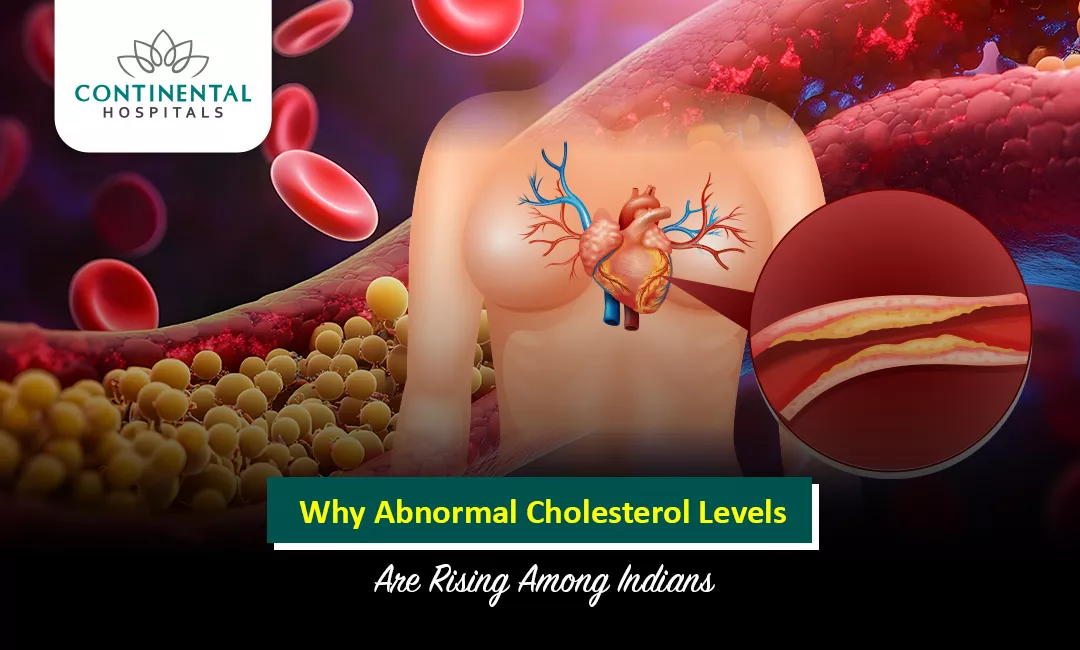
Cholesterol Levels are becoming a growing health concern among Indians. Many people believe that only older adults or overweight individuals develop high cholesterol, but this is no longer true. Today, young adults, working professionals, and even physically active people are being diagnosed with unhealthy Cholesterol Levels during routine health checkups.
Cholesterol is a waxy substance that your body needs to build healthy cells and produce essential hormones. However, when Cholesterol Levels become abnormal, it can increase the risk of heart disease, stroke, and other cardiovascular problems. Since high cholesterol often develops without noticeable symptoms, regular screening is one of the best ways to protect your heart health.
What are cholesterol levels?
Cholesterol Levels refer to the amount of cholesterol present in your blood. Your body produces cholesterol naturally, and you also get it from certain foods.
There are different types of cholesterol that play different roles in your body.
- Low-density lipoprotein, or LDL, is known as bad cholesterol because excess LDL can build up inside arteries.
- High-density lipoprotein, or HDL, is called good cholesterol because it helps remove excess cholesterol from the bloodstream.
- Triglycerides are another type of fat that can increase the risk of heart disease when levels become too high.
Maintaining healthy cholesterol levels is one of the most important steps for protecting your heart.
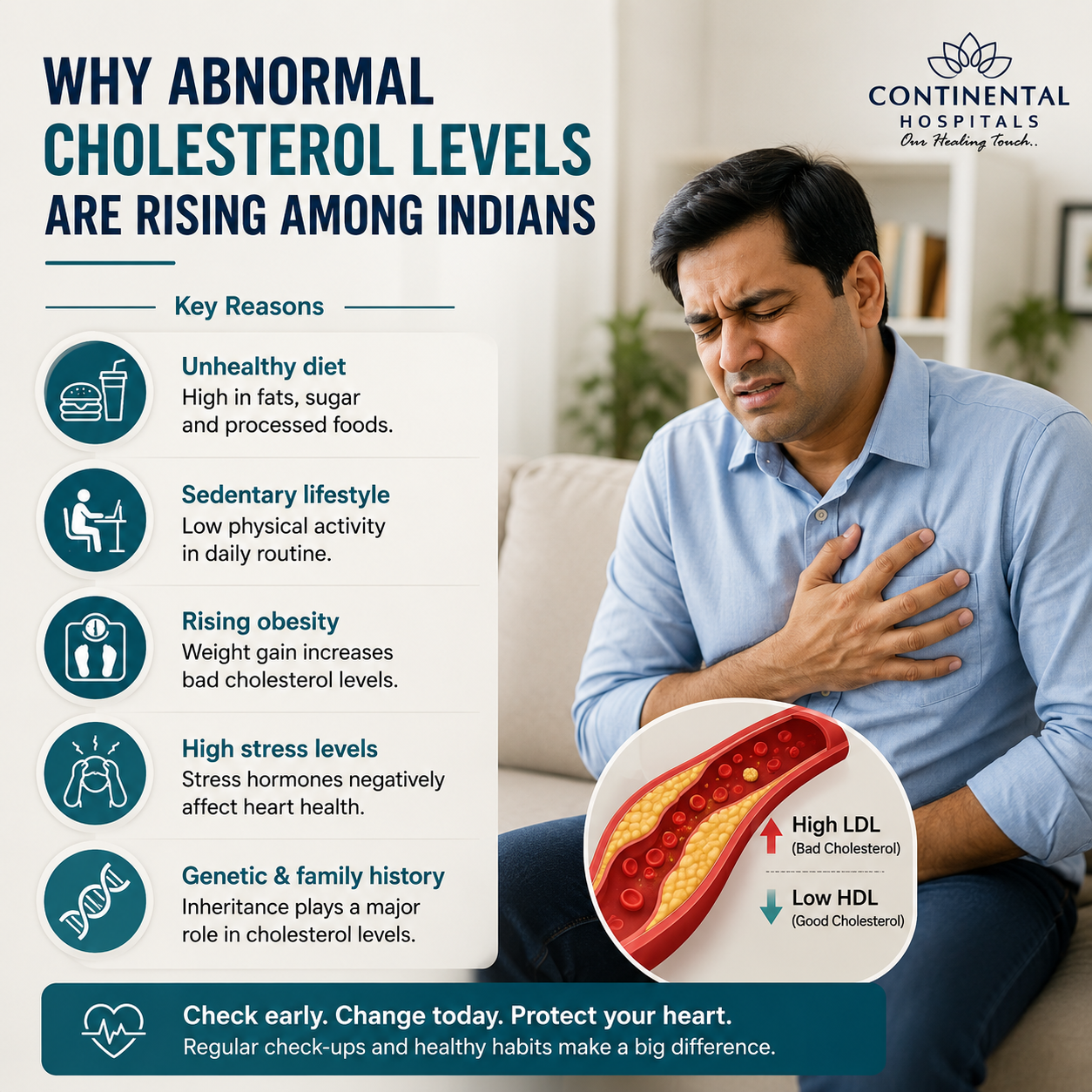
Why are cholesterol levels rising among Indians?
Several lifestyle and health factors are contributing to the increasing number of people with abnormal cholesterol levels in India.
1. Are unhealthy eating habits increasing cholesterol levels?
Yes. Many people consume foods that are high in saturated fats, trans fats, refined carbohydrates, and added sugars. Frequent intake of fried snacks, processed foods, bakery products, sugary beverages, and fast food can significantly increase high cholesterol.
Replacing unhealthy foods with cholesterol-lowering foods such as fruits, vegetables, whole grains, nuts, legumes, and healthy oils can help improve cholesterol levels naturally.

2. Does lack of physical activity affect cholesterol levels?
Yes. Sitting for long hours, limited exercise, and inactive lifestyles reduce good cholesterol while increasing bad cholesterol.
Simple daily activities such as brisk walking, cycling, swimming, or regular exercise can support better heart health and improve cholesterol levels.
3. Can genetics cause high cholesterol?
Yes. Some people inherit a condition that causes their body to produce excessive cholesterol. Even healthy eating may not completely control cholesterol levels in these individuals, making medical treatment and regular monitoring essential.
4. Does diabetes increase cholesterol?
Yes. India has one of the largest populations living with diabetes. Poorly controlled blood sugar can increase harmful cholesterol and triglycerides while reducing good cholesterol, increasing the risk of heart disease.
5. Can stress affect cholesterol levels?
Yes. Chronic stress may lead to unhealthy eating, lack of sleep, and hormonal changes that contribute to abnormal cholesterol levels. Managing stress through exercise, relaxation, and adequate sleep supports better cardiovascular health.
What are the symptoms of high cholesterol?
High cholesterol symptoms are often absent. Most people do not realize they have abnormal cholesterol levels until they undergo a blood test or develop complications.
Some warning signs related to heart disease caused by uncontrolled cholesterol may include:
- Chest pain
- Shortness of breath
- Fatigue during physical activity
- Pain in the legs while walking
- Heart attack
- Stroke
Since high cholesterol symptoms usually appear late, preventive screening is extremely important.
How do abnormal cholesterol levels affect heart health?
When cholesterol levels remain high for a long time, fatty deposits gradually accumulate inside the arteries. This condition narrows blood vessels and reduces blood flow to vital organs.
This may increase the risk of:
- Heart disease
- Heart attack
- Stroke
- Peripheral artery disease
- High blood pressure
Keeping cholesterol levels under control significantly reduces the risk of these serious conditions.
How to lower cholesterol naturally?
Many people ask how to lower cholesterol naturally without depending entirely on medicines. Healthy lifestyle changes can make a significant difference.
Follow these healthy habits:
- Eat more fruits and vegetables.
- Include oats, whole grains, and legumes in your meals.
- Choose cholesterol-lowering foods such as almonds, walnuts, flaxseeds, and beans.
- Eat fatty fish rich in omega-3 fatty acids.
- Reduce fried foods and processed snacks.
- Limit foods high in saturated fat.
- Exercise for at least thirty minutes on most days.
- Maintain a healthy body weight.
- Avoid smoking.
- Limit alcohol intake.
- Get regular health checkups.
These habits help lower cholesterol naturally while improving overall heart health.
Which foods help lower cholesterol?
Adding the right foods to your daily diet can support healthier cholesterol levels.
Some of the best foods that lower cholesterol include:
- Oats
- Barley
- Apples
- Citrus fruits
- Spinach
- Broccoli
- Lentils
- Chickpeas
- Almonds
- Walnuts
- Flaxseeds
- Olive oil
- Fatty fish
- Soy products
- Avocados
Including these cholesterol-lowering foods regularly can help maintain better heart health.
When should you get your cholesterol levels checked?
Regular cholesterol testing helps detect problems before symptoms develop.
You should consider screening if you:
- Are above twenty years of age
- Have diabetes
- Have high blood pressure
- Have obesity
- Have a family history of heart disease
- Smoke
- Lead a physically inactive lifestyle
Your doctor may recommend more frequent testing if your cholesterol levels are already abnormal.
Why choose Continental Hospitals for cholesterol and heart care?
Continental Hospitals is recognized as one of the best hospitals in Hyderabad for comprehensive heart care. Our experienced cardiologists, preventive health experts, and multidisciplinary teams provide accurate diagnoses, advanced cardiac evaluation, personalized treatment plans, and long-term heart health management.
The hospital is accredited by JCI and NABH, reflecting our commitment to international standards of patient safety, clinical excellence, and quality healthcare. With advanced diagnostic technology, preventive health screening programs, modern cardiac care facilities, and patient-focused treatment, Continental Hospitals helps patients effectively manage cholesterol levels and reduce the risk of heart disease.
Conclusion
Abnormal cholesterol levels are becoming increasingly common among Indians because of unhealthy eating habits, physical inactivity, diabetes, stress, obesity, and genetic factors. Since high cholesterol symptoms often remain unnoticed, regular health checkups are essential for early detection. Eating healthy foods, staying physically active, maintaining a healthy weight, and following your doctor's advice can help lower cholesterol naturally and protect your heart health for years to come.
Are you concerned about your cholesterol levels or your risk of heart disease? Early diagnosis and timely treatment can prevent serious cardiovascular complications.
Consult our best cardiologist in Hyderabad at Continental Hospitals, one of the best hospitals in Hyderabad. Our experienced Best Cardiology Doctors in Hyderabad provide comprehensive cholesterol evaluation, preventive heart screening, personalized treatment, and advanced cardiac care to help you achieve better heart health and lead a healthier life. Schedule your consultation today and take the first step toward protecting your heart.
Related Blogs: