post-title

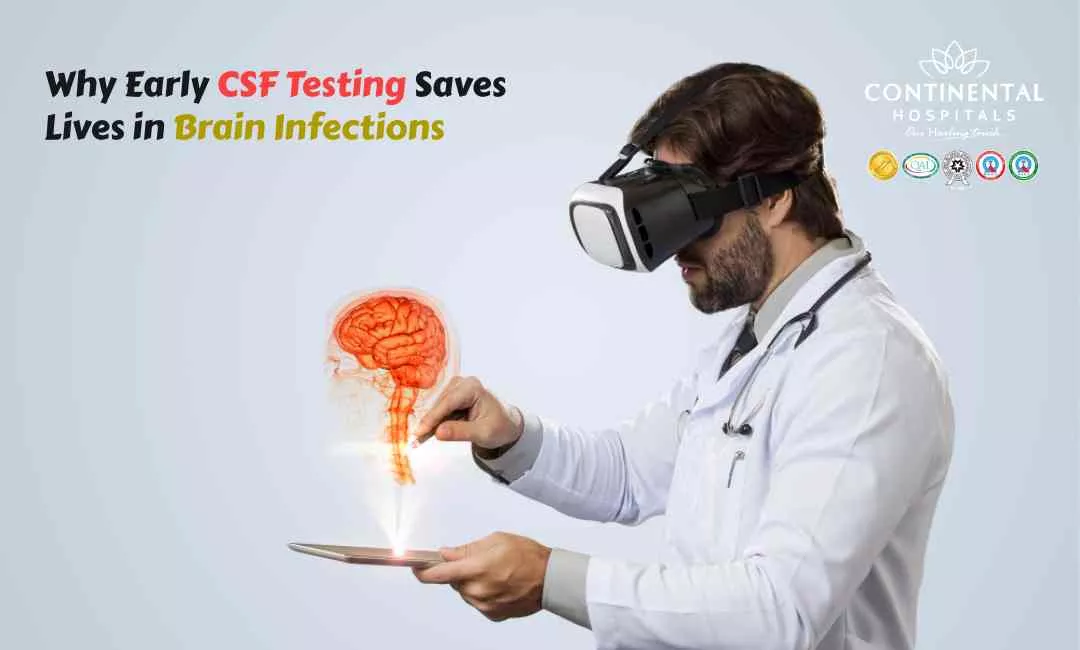
Why Early CSF Testing Saves Lives in Brain Infections

Written by - Editorial Team
Medically Reviewed by - Dr M K Singh

Brain infections are medical emergencies that need fast action and accurate diagnosis. Infections like meningitis and encephalitis can cause permanent brain damage or even become life threatening if treatment is delayed. The key to preventing these severe outcomes is early detection, and one of the most reliable ways to diagnose brain infection is through a cerebrospinal fluid test also called a CSF test.

Cerebrospinal fluid surrounds and protects the brain and spinal cord. When infection or inflammation enters the central nervous system, the first major changes appear in this fluid. That is why doctors advise an urgent CSF test if a neurological infection is suspected.

What is a CSF Test?

A CSF test involves collecting a small sample of cerebrospinal fluid using a procedure called lumbar puncture or spinal tap. A thin needle is inserted into the lower back where the spinal cord ends. The sample is analyzed for signs of infection, inflammation, bleeding or other abnormalities affecting the brain.

Doctors examine:

  • White blood cells
  • Red blood cells
  • Glucose levels
  • Protein levels
  • Harmful microorganisms such as bacteria, viruses or fungi

Any change in these levels gives doctors immediate clues about the type of infection and its severity.

Visit the best neuro doctor hyderabad at Continental Hospitals for expert diagnosis, advanced neurological care, and personalized treatment from our experienced specialists.
Why Brain Infections Need Urgent Diagnosis?

Brain infections progress faster than many other illnesses because the infection spreads in a confined and highly sensitive space. Delay in treatment can cause:

  • Brain swelling
  • Hearing or vision loss
  • Seizures
  • Coma
  • Permanent neurological disability

A few hours of delay can make a major difference in recovery. Early CSF testing gives doctors critical information at the earliest stage of illness so they can start treatment quickly.

Second Opinion

How does CSF testing help save lives?

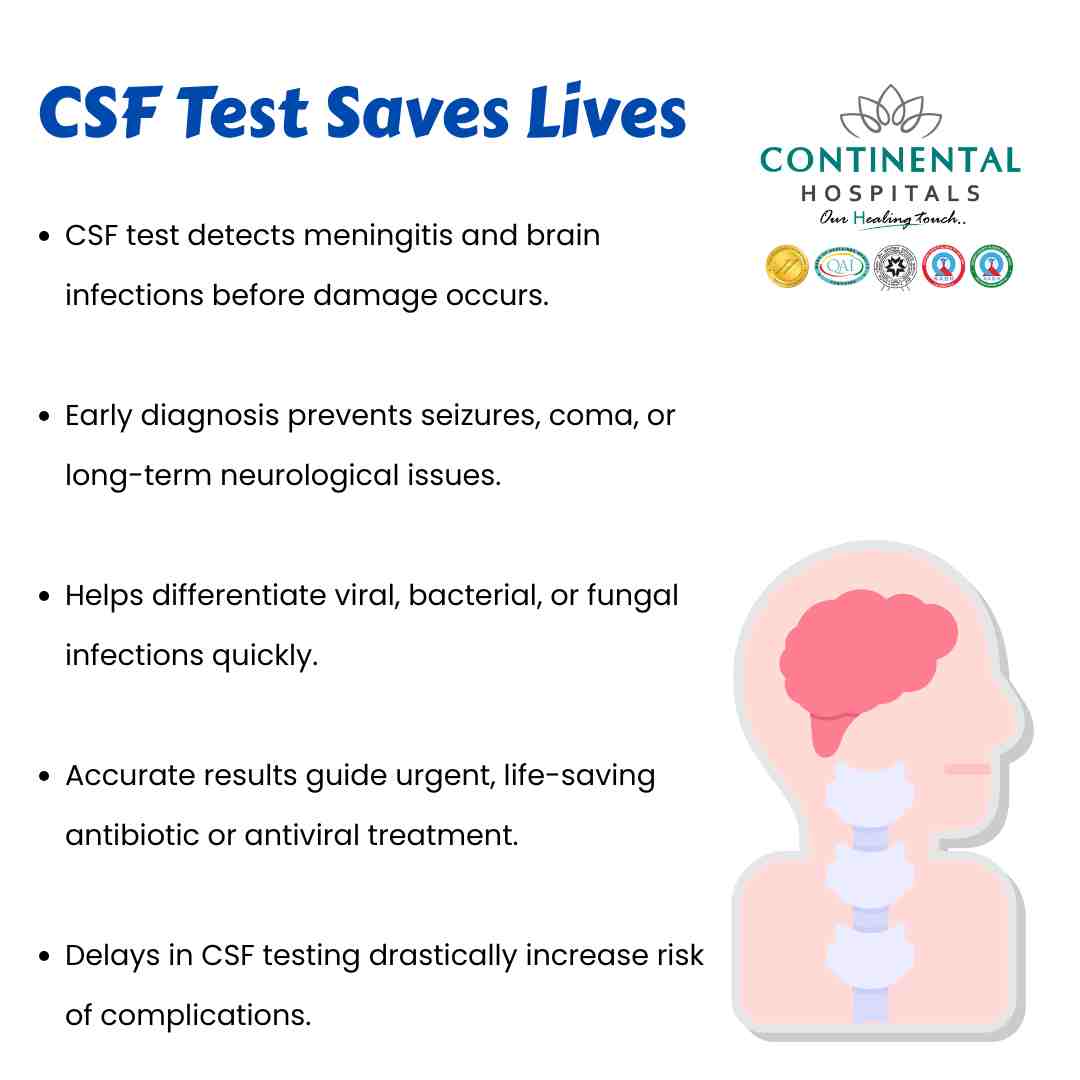
When doctors suspect meningitis or encephalitis, they cannot wait for slow tests. A CSF test immediately shows whether the infection is bacterial, viral or fungal. This helps doctors start the most effective treatment.

Benefits of early CSF analysis:

  • Clears doubts quickly when symptoms are confusing
  • Identifies the exact type of infection
  • Helps start the correct antibiotics or antiviral treatment
  • Reduces the risk of long-term damage
  • Improves survival rate and recovery

Bacterial meningitis is one of the most dangerous infections affecting the brain. It needs fast antibiotics to protect the brain. Waiting for treatment until symptoms worsen can be risky. CSF testing ensures there is no delay in medical action.

What are the symptoms that require urgent CSF testing?

If a person experiences the signs below, immediate medical attention is required. Doctors may recommend a CSF test based on these symptoms:

  • Severe headache that feels different from usual headaches
  • High fever with neck stiffness
  • Confusion or difficulty responding
  • Sensitivity to light
  • Seizures
  • Vomiting with headache
  • Sudden drowsiness or loss of consciousness
  • New weakness or paralysis
  • Persistent irritability in infants or refusal to feed

Parents should watch newborns and children closely because symptoms can be less obvious.

What is a CSF test for meningitis diagnosis?

Meningitis is a dangerous inflammation of the protective layers of the brain and spinal cord. Early CSF testing detects:

  • Bacterial meningitis which needs urgent antibiotics
  • Viral meningitis which often needs supportive care but still requires monitoring

Identifying the type of meningitis helps avoid unnecessary treatments and focuses on the most effective care plan.

Need an Appointment?

Why is CSF testing important for encephalitis diagnosis?

Encephalitis affects the brain tissue directly and can cause behavioral changes, seizures or unconsciousness. CSF examination helps rule out other conditions and confirms viral or autoimmune causes. Early diagnosis leads to better outcomes and prevents severe complications.

Why Timing Matters in Brain Fever Diagnosis?

A brain infection is not like a normal fever. It spreads quickly and attacks vital functions. Early CSF testing ensures:

  • Less brain swelling
  • Lower chance of hearing and vision damage
  • Prevention of organ failure due to uncontrolled infection
  • Faster recovery time

The sooner the diagnosis is made, the greater the chances of full recovery.

Is a CSF Test Safe?

A lumbar puncture is a safe procedure performed by trained specialists. Patients may feel slight pressure during the needle insertion but the procedure usually takes only a few minutes. Modern imaging and monitoring make the test even safer for both adults and children.

How does CSF analysis help in diagnosing brain infections?

A delay in finding the correct cause of brain infection can lead to wrong medications and worsening symptoms. CSF results guide doctors to:

  • Start treatment immediately
  • Manage brain pressure
  • Prevent seizures
  • Protect brain cells from permanent damage

This makes CSF testing a crucial part of emergency care in neurology.

Why Choose Continental Hospitals for CSF Testing and Brain Infection Care?

Continental Hospitals is one of the leading healthcare centers for neurological emergencies. We provide rapid CSF testing services with highly skilled neurologists, neurosurgeons, infectious disease specialists, critical care experts and an advanced diagnostic laboratory.

Why patients trust us:

  • Accredited with globally recognized healthcare quality standards ensuring patient safety
  • 24x7 emergency care for urgent neurological infections
  • Rapid lumbar puncture and CSF analysis
  • Modern imaging including MRI and CT for accurate evaluation
  • Infection control and sterile procedures to ensure safety
  • Multidisciplinary team approach for complex brain infections
  • Fast reporting and immediate treatment decisions

Every second matters in brain infections. Our team ensures there is no delay at any stage of diagnosis or treatment.

Conclusion

Brain infections can progress silently but rapidly. Early CSF testing plays a powerful role in saving lives by detecting meningitis, encephalitis and other neurological infections at the earliest possible moment. It guides doctors to provide the right treatment without delay and prevents dangerous complications.

Your health and safety deserve expert care. If you notice any serious symptoms such as stiff neck, confusion, persistent vomiting or seizures, visit the hospital immediately.

If you or a loved one is suffering from sudden severe headache, high fever with neck stiffness or any unexplained neurological symptoms, consult our Best Neurologist in Hyderabad at Continental Hospitals for urgent evaluation and expert treatment.

Your brain health is precious. Early diagnosis can protect your life and future.

Frequently Asked Questions

Cerebrospinal fluid (CSF) testing is a diagnostic procedure that examines the clear fluid surrounding the brain and spinal cord. It is usually collected through a lumbar puncture, also known as a spinal tap. CSF analysis helps identify infections such as bacterial meningitis, viral meningitis, fungal meningitis, encephalitis, and tuberculosis affecting the brain. The test evaluates white blood cell count, protein, glucose, bacteria, viruses, fungi, and other disease markers. Since brain infections often progress rapidly, early CSF testing provides critical information before irreversible brain damage occurs. It helps doctors determine the exact cause of infection and select the most effective treatment immediately. Delayed diagnosis can increase the risk of seizures, stroke, hearing loss, coma, or death. Early CSF analysis improves diagnostic accuracy, reduces unnecessary treatments, and significantly increases the chances of a full recovery.
Brain infections are medical emergencies that can worsen within hours if left untreated. Early CSF testing allows doctors to quickly identify the infectious organism and begin targeted treatment without delay. Waiting too long may allow bacteria or viruses to spread, increasing inflammation inside the brain and spinal cord. Early diagnosis also helps prevent complications such as brain swelling, permanent neurological damage, seizures, cognitive impairment, and paralysis. In bacterial meningitis, every hour of delay in appropriate treatment can increase the risk of poor outcomes. CSF testing also helps distinguish infectious conditions from autoimmune disorders or non-infectious neurological diseases with similar symptoms. Rapid identification enables timely administration of antibiotics, antiviral medications, or antifungal drugs. Early intervention guided by CSF findings has been shown to improve survival rates and reduce long-term disability in patients with serious brain infections.
Several warning signs may indicate a serious brain infection requiring urgent medical evaluation and CSF testing. These symptoms include a sudden high fever, severe headache, neck stiffness, confusion, altered mental status, sensitivity to light, persistent vomiting, seizures, difficulty speaking, weakness in the arms or legs, excessive sleepiness, and loss of consciousness. Some patients may also develop skin rashes, especially in meningococcal infections. Infants and older adults may present with less obvious symptoms such as poor feeding, irritability, lethargy, or behavioral changes. Because many of these symptoms overlap with other neurological conditions, CSF testing helps confirm or rule out infection. Seeking emergency medical care as soon as these symptoms appear can significantly improve treatment outcomes and reduce the risk of life-threatening complications.
CSF analysis provides valuable laboratory information that helps doctors identify the exact cause of a brain infection. The test measures white blood cells, protein levels, glucose concentration, and detects bacteria, viruses, fungi, or parasites through cultures and advanced molecular testing. Knowing the specific organism allows physicians to prescribe targeted antibiotics, antiviral medications, antifungal drugs, or anti-tuberculosis treatment instead of relying on broad-spectrum medications alone. This approach improves treatment effectiveness and reduces unnecessary medication exposure. CSF findings also help monitor disease severity and guide further investigations if needed. Early targeted therapy lowers the risk of complications, shortens hospital stays, and improves neurological recovery. Accurate diagnosis through CSF testing ensures that patients receive the most appropriate and timely treatment based on their individual condition.
CSF testing is generally considered a safe and commonly performed medical procedure when conducted by trained healthcare professionals. During the procedure, a thin needle is carefully inserted into the lower back to collect a small sample of cerebrospinal fluid from around the spinal cord. Local anesthesia is used to reduce discomfort, and the procedure usually takes about 20 to 30 minutes. Most patients experience only mild pressure or temporary soreness afterward. Serious complications are uncommon, although some people may develop a temporary headache that usually resolves with rest and hydration. Doctors carefully assess each patient before performing the procedure to ensure it is safe, especially if increased brain pressure is suspected. The diagnostic benefits of timely CSF testing usually far outweigh the small risks associated with the procedure.
CT scans and MRI scans are valuable imaging tools that help detect brain swelling, abscesses, bleeding, tumors, or structural abnormalities. However, these imaging studies cannot identify the specific infectious organism responsible for meningitis or encephalitis. CSF testing remains the gold standard for confirming many brain infections because it directly analyzes the fluid surrounding the brain and spinal cord. In many cases, doctors perform imaging before a lumbar puncture to ensure the procedure is safe, particularly if there are signs of increased intracranial pressure. Imaging and CSF analysis work together rather than replacing one another. While scans provide anatomical information, CSF testing offers microbiological and biochemical evidence needed for accurate diagnosis and treatment planning. Using both investigations appropriately leads to faster diagnosis and better patient outcomes.
Delayed diagnosis of brain infections can result in severe and sometimes irreversible complications. As the infection progresses, inflammation may cause brain swelling, increased intracranial pressure, seizures, stroke, hearing loss, vision problems, memory impairment, cognitive decline, paralysis, and long-term neurological disability. In severe bacterial infections, delayed treatment may lead to septic shock, multiple organ failure, coma, or death. Children and older adults are particularly vulnerable to permanent neurological damage when diagnosis is delayed. Early CSF testing enables prompt identification of the infection and allows treatment to begin before significant brain injury occurs. Rapid diagnosis also reduces the likelihood of prolonged hospitalization and improves the chances of complete neurological recovery. Recognizing symptoms early and seeking emergency medical attention can be lifesaving.
Brain infections can affect people of all ages, but certain groups have a higher risk of developing serious infections. These include newborns, infants, older adults, individuals with weakened immune systems, people living with HIV/AIDS, cancer patients receiving chemotherapy, organ transplant recipients, and those taking long-term immunosuppressive medications. Individuals with chronic medical conditions, recent brain surgery, head injuries, cerebrospinal fluid leaks, or untreated ear and sinus infections may also have an increased risk. Travelers to regions with endemic infections and people exposed to certain bacteria or viruses may require additional evaluation. Because symptoms can progress rapidly in high-risk individuals, early CSF testing plays a crucial role in confirming the diagnosis, initiating timely treatment, preventing life-threatening complications, and improving survival rates.
Disclaimer: The information provided in this blog is intended for general knowledge and informational purposes only, and does not constitute medical advice. Always consult with a qualified healthcare professional for any medical concerns or before making any decisions about your health.

Get in Touch With Us

Whether you are from India or abroad, we are here to help you with your medical queries. Please fill out the form below and our team will connect with you shortly.

  • ✔ Quick response from our medical experts
  • ✔ Secure data handling & privacy
  • ✔ Easy upload for reports & documents
banner_image

Chat with our medical experts on WhatsApp for quick assistance and hassle-free appointment booking

Recent Posts