post-title

Alzheimer’s and Brain Awareness Month 2025

Written by - Editorial Team
Medically Reviewed by - Dr Chakradhar Reddy N

Every June, Alzheimer’s and Brain Awareness Month serves as an important reminder of the impact brain health has on our lives. This month is dedicated to raising awareness, encouraging early detection, and promoting care and support for those affected by Alzheimer’s disease and other types of dementia.

What Is Alzheimer’s Disease?

Alzheimer’s disease is the most common form of dementia — a general term used to describe memory loss and decline in cognitive abilities that interfere with daily life. It is a progressive condition, which means it worsens over time, beginning with mild memory problems and eventually affecting the ability to carry out the simplest tasks.

While age is the biggest known risk factor, Alzheimer’s is not a normal part of aging. Some people may show signs as early as their 40s or 50s.

Visit our best neuro doctor hyderabad at Continental Hospitals, Hyderabad, for expert diagnosis and advanced care.
What are the early signs of Alzheimer's you shouldn't ignore?

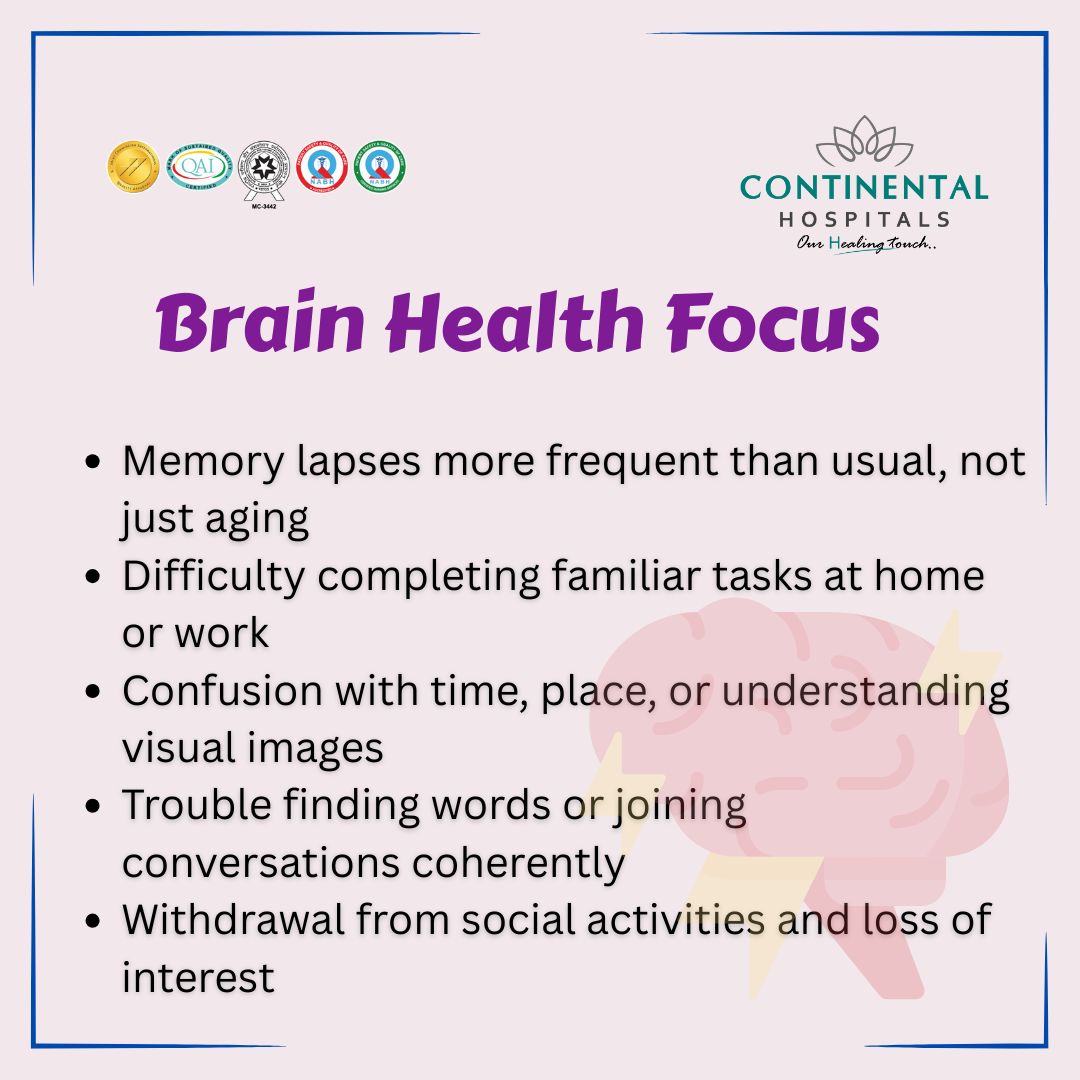
Recognizing the signs early can lead to a better quality of life. Here are common symptoms to look out for:

  • Memory loss that disrupts daily activities
  • Confusion with time or place
  • Difficulty solving problems or planning tasks
  • Struggling with conversations or vocabulary
  • Misplacing things and losing the ability to retrace steps
  • Poor judgment and decision-making
  • Withdrawal from social or work activities
  • Changes in mood, behavior, or personality

If you or a loved one is showing these signs, it’s time to consult a neurologist. Early diagnosis can help manage symptoms and plan for the future.

Why Is Brain Awareness Important?

Brain health plays a critical role in how we think, feel, and function. Keeping your brain healthy is essential at every stage of life, especially as you age.

Alzheimer’s doesn’t only affect the person diagnosed — it affects families, caregivers, and communities. Raising awareness helps remove the stigma, improves understanding, and pushes research forward.

Second Opinion

What are the key facts about Alzheimer's and dementia?

  • Over 55 million people globally live with Alzheimer’s or other forms of dementia.
  • The number is expected to rise significantly in the coming years.
  • Two-thirds of people are at risk due to factors like hypertension, diabetes, lack of exercise, or poor diet.

There is currently no cure, but early intervention can slow progression and improve quality of life.

How Can You Support Alzheimer's and Brain Awareness Month?

There are many simple ways you can support this cause during June:

1. Wear Purple to Raise Awareness
Purple is the official color of the Alzheimer’s movement. By wearing purple, you spark conversations and show support for the millions of people affected.

2. Spread Awareness Online
Use the hashtag #ENDALZ and share educational posts, facts, or personal messages. Tell others why you care about Alzheimer’s and why brain health matters.

3. Educate Yourself and Others
Learn about risk factors and how lifestyle changes can support brain health. Share this knowledge with your family, friends, and community.

4. Stay Mentally Active
Activities like reading, solving puzzles, learning new skills, and social interaction can help stimulate your brain.

5. Support a Local Memory Clinic or Program
Many hospitals and healthcare centers offer memory screening, counseling, and caregiver support programs.

Need an Appointment?

What Are the Best Tips to Maintain a Healthy Brain?

You can take proactive steps to protect your brain:

  • Exercise regularly: Physical activity boosts blood flow to the brain.
  • Eat a balanced diet: Focus on leafy greens, whole grains, fish, and healthy fats.
  • Get quality sleep: Poor sleep is linked to increased risk of cognitive decline.
  • Stay socially connected: Isolation can lead to faster decline.
  • Challenge your mind: Try brain games, read, or engage in creative hobbies.
  • Manage chronic conditions: Control blood pressure, diabetes, and cholesterol.

When Should You See a Doctor for Alzheimer's Symptoms?

If memory issues or confusion start interfering with daily activities, it’s time to talk to a doctor. Alzheimer’s symptoms may seem like normal forgetfulness at first, but professional evaluation can determine what’s really happening.

The earlier Alzheimer’s is detected, the better the chances of managing it with medications, therapies, and care plans.

Why Choose Continental Hospitals, Hyderabad?

At Continental Hospitals, we understand how devastating Alzheimer’s and related conditions can be — for patients and families alike. That’s why we offer:

  • Specialized Neurology Services with expert neurologists
  • Advanced Diagnostic Tools for early and accurate detection
  • Individualized Care Plans based on patient needs and stage of disease
  • Comprehensive Support for Families and Caregivers
  • Memory Clinics and Cognitive Assessments to track brain health over time
  • We combine compassionate care with state-of-the-art technology to provide the best possible outcomes.

Whether you're seeking a diagnosis, second opinion, or long-term care for a loved one, we’re here for you — every step of the way.

Conclusion

Alzheimer’s and Brain Awareness Month is not just about wearing purple — it’s about understanding the risks, encouraging early action, and supporting those affected. Brain health deserves as much attention as heart or bone health. Take this month as a reminder to care for your mind and help others do the same.

If you or someone you know is experiencing memory issues, mood changes, or confusion, don’t wait. Early diagnosis can make a big difference.

Book an appointment with our Best Neurologist in Hyderabad at Continental Hospitals, Hyderabad. Let’s work together to protect your brain and your future.

Related Blogs:

  1. How Obesity May Increase the Risk of Alzheimer’s Disease
  2. Alzheimer’s vs. Dementia: What’s the Difference?

Frequently Asked Questions

Alzheimer's disease is a progressive brain disorder that gradually destroys memory, thinking abilities, and behavior. It is the most common cause of dementia among older adults. The condition occurs due to abnormal protein deposits called amyloid plaques and tau tangles that damage brain cells. As these brain cells die, communication between different parts of the brain becomes impaired. People with Alzheimer's often experience memory loss, confusion, difficulty speaking, poor judgment, and changes in personality. The disease usually progresses slowly over several years, affecting the ability to perform everyday activities. Although aging increases the risk, Alzheimer's is not considered a normal part of growing older. Early diagnosis allows patients and families to access treatment, plan future care, and manage symptoms more effectively. Advances in medical care can improve quality of life even though there is currently no complete cure.
The early signs of Alzheimer's often begin with mild memory problems that gradually worsen over time. Individuals may frequently forget recent conversations, appointments, or important dates. They may repeatedly ask the same questions or misplace everyday items. Difficulty finding the right words during conversations and trouble completing familiar tasks are also common. Many people experience confusion about time, places, or directions. Poor judgment, difficulty managing finances, and reduced ability to plan or solve problems may become noticeable. Mood swings, anxiety, depression, and withdrawal from social activities can also occur in the early stages. Recognizing these symptoms early is important because prompt medical evaluation can help identify the cause and begin appropriate treatment. Early intervention may slow symptom progression and improve long-term quality of life.
Several factors increase the likelihood of developing Alzheimer's disease. Age is the biggest risk factor, with most cases occurring after the age of 65. A family history of Alzheimer's or certain inherited genetic mutations may increase risk. Medical conditions such as high blood pressure, diabetes, obesity, high cholesterol, and heart disease can also contribute. Smoking, excessive alcohol consumption, physical inactivity, poor sleep, and unhealthy eating habits may further raise the chances of cognitive decline. Individuals with a history of traumatic brain injury may also have an increased risk. Women appear to develop Alzheimer's more frequently, partly because they tend to live longer. While some risk factors cannot be changed, adopting a healthy lifestyle can help reduce the overall risk and support better brain health throughout life.
Although there is currently no guaranteed way to prevent Alzheimer's disease, several healthy lifestyle habits may reduce the risk or delay its onset. Regular physical exercise improves blood flow to the brain and supports healthy brain function. Eating a balanced diet rich in fruits, vegetables, whole grains, nuts, fish, and healthy fats may protect cognitive health. Managing blood pressure, diabetes, and cholesterol is equally important. Staying mentally active through reading, puzzles, learning new skills, or engaging in hobbies helps stimulate the brain. Maintaining social connections and managing stress also contribute to better cognitive function. Good quality sleep supports memory and brain repair processes. Avoiding smoking and limiting alcohol consumption further reduces risk. These healthy habits benefit overall health while supporting long-term brain wellness.
Diagnosing Alzheimer's disease requires a detailed medical evaluation by a neurologist or memory specialist. The process begins with reviewing the patient's medical history, symptoms, medications, and family history. Doctors perform cognitive and memory assessments to evaluate thinking, language, and problem-solving abilities. Physical and neurological examinations help identify other possible causes of symptoms. Blood tests may be ordered to rule out vitamin deficiencies, thyroid disorders, or infections. Brain imaging tests such as MRI or CT scans help detect structural brain changes and exclude other neurological conditions. In some cases, PET scans or cerebrospinal fluid analysis may provide additional information. Early diagnosis is valuable because it enables timely treatment, symptom management, lifestyle planning, and better support for both patients and caregivers.
While there is no complete cure for Alzheimer's disease, several treatment options can help manage symptoms and improve quality of life. Certain medications may temporarily improve memory, thinking, or daily functioning in some patients. Doctors may also prescribe medicines to manage depression, anxiety, sleep disturbances, or behavioral symptoms. Cognitive stimulation therapy, memory exercises, and structured daily routines can support mental function. Regular physical activity and proper nutrition contribute to overall well-being. Caregiver education and emotional support are essential components of treatment because they help families manage the challenges of the disease. Multidisciplinary care involving neurologists, psychologists, rehabilitation specialists, and nursing teams provides comprehensive support. Ongoing medical follow-up allows treatment plans to be adjusted as symptoms progress.
Alzheimer's and Brain Awareness Month is observed every June to increase public understanding of Alzheimer's disease and promote lifelong brain health. The campaign encourages people to recognize early warning signs, seek medical advice promptly, and support individuals living with dementia. It also highlights the importance of healthy lifestyle choices that may reduce the risk of cognitive decline. Awareness activities help reduce stigma surrounding memory disorders and encourage open conversations about brain health. Educational programs provide valuable information for caregivers, families, healthcare professionals, and communities. The campaign also supports ongoing research aimed at developing better treatments and eventually finding a cure. By increasing awareness, more individuals can receive timely diagnosis, appropriate treatment, and compassionate care.
Occasional forgetfulness is common, but persistent memory loss that interferes with daily life should never be ignored. Individuals should consult a neurologist if they frequently forget recent events, repeat questions, become confused about familiar places, struggle with routine tasks, or have difficulty making decisions. Sudden personality changes, language difficulties, or problems recognizing family members also require prompt evaluation. Early consultation helps determine whether symptoms are caused by Alzheimer's disease or another treatable medical condition. A neurologist can perform detailed assessments, recommend appropriate investigations, and develop a personalized treatment plan. Timely diagnosis improves symptom management, allows patients and families to plan for the future, and provides access to supportive therapies that enhance quality of life and independence for as long as possible.
Disclaimer: The information provided in this blog is intended for general knowledge and informational purposes only, and does not constitute medical advice. Always consult with a qualified healthcare professional for any medical concerns or before making any decisions about your health.

Get in Touch With Us

Whether you are from India or abroad, we are here to help you with your medical queries. Please fill out the form below and our team will connect with you shortly.

  • ✔ Quick response from our medical experts
  • ✔ Secure data handling & privacy
  • ✔ Easy upload for reports & documents
banner_image

Chat with our medical experts on WhatsApp for quick assistance and hassle-free appointment booking

Recent Posts