.webp)


As we age, our bodies go through various changes, and one of the most common challenges many people face is the deterioration of joint health. Arthritis, in its various forms, becomes more prevalent as we get older. However, the good news is that there are numerous strategies and lifestyle choices that can help maintain joint health and reduce the risk of arthritis-related issues. In this comprehensive guide, we will explore the different types of arthritis, the factors contributing to joint health, and practical tips on how to keep your joints healthy and mobile as you age.
What is Arthritis?
Arthritis is a term that encompasses more than 100 different types of joint diseases and conditions. It primarily affects the joints, causing pain, stiffness, and inflammation.
The two most common forms of arthritis are osteoarthritis and rheumatoid arthritis.
Osteoarthritis: Osteoarthritis is the most prevalent type of arthritis and is often referred to as "wear-and-tear" arthritis. It occurs when the protective cartilage that cushions the ends of your bones wears down over time. This results in pain, swelling, and decreased joint flexibility. Osteoarthritis commonly affects weight-bearing joints like the knees, hips, and spine.
Rheumatoid Arthritis: Rheumatoid arthritis is an autoimmune disorder where the body's immune system attacks the synovium – the lining of the membranes that surround the joints. This can lead to severe joint damage, deformity, and disability if left untreated. Rheumatoid arthritis can affect people of all ages, but it is more common in older adults.
Consult with a top orthopedic doctors in Hyderabad for tailored treatment options.
What Causes Joint Problems as You Age?
Maintaining healthy joints as you age involves understanding the various factors that can lead to joint problems. These include:
Age: As we age, the wear and tear on our joints increase. The body's natural ability to repair and regenerate cartilage diminishes, making it more susceptible to degeneration and arthritis.

Genetics: Genetics can play a significant role in the development of arthritis. If you have a family history of arthritis, you may be at a higher risk of developing it as well.
Weight: Excess body weight places additional stress on the joints, particularly weight-bearing joints like the knees and hips. Maintaining a healthy weight is crucial for joint health.
Physical Activity: Regular physical activity is essential for joint health. It helps to maintain joint flexibility, strengthen supporting muscles, and reduce the risk of developing arthritis. However, overexertion and improper exercise can also lead to joint problems.
Diet: A balanced and nutritious diet is vital for maintaining joint health. Certain nutrients, such as omega-3 fatty acids, antioxidants, and vitamin D, can help reduce inflammation and protect joint cartilage.
Injury and Trauma: Previous injuries to the joints, especially if they were not adequately treated or rehabilitated, can increase the risk of developing arthritis in the affected joints.
Inflammation: Chronic inflammation in the body can contribute to joint damage and the development of arthritis. Conditions like rheumatoid arthritis and systemic lupus erythematosus are characterized by widespread inflammation.
What are the best tips for maintaining joint health?
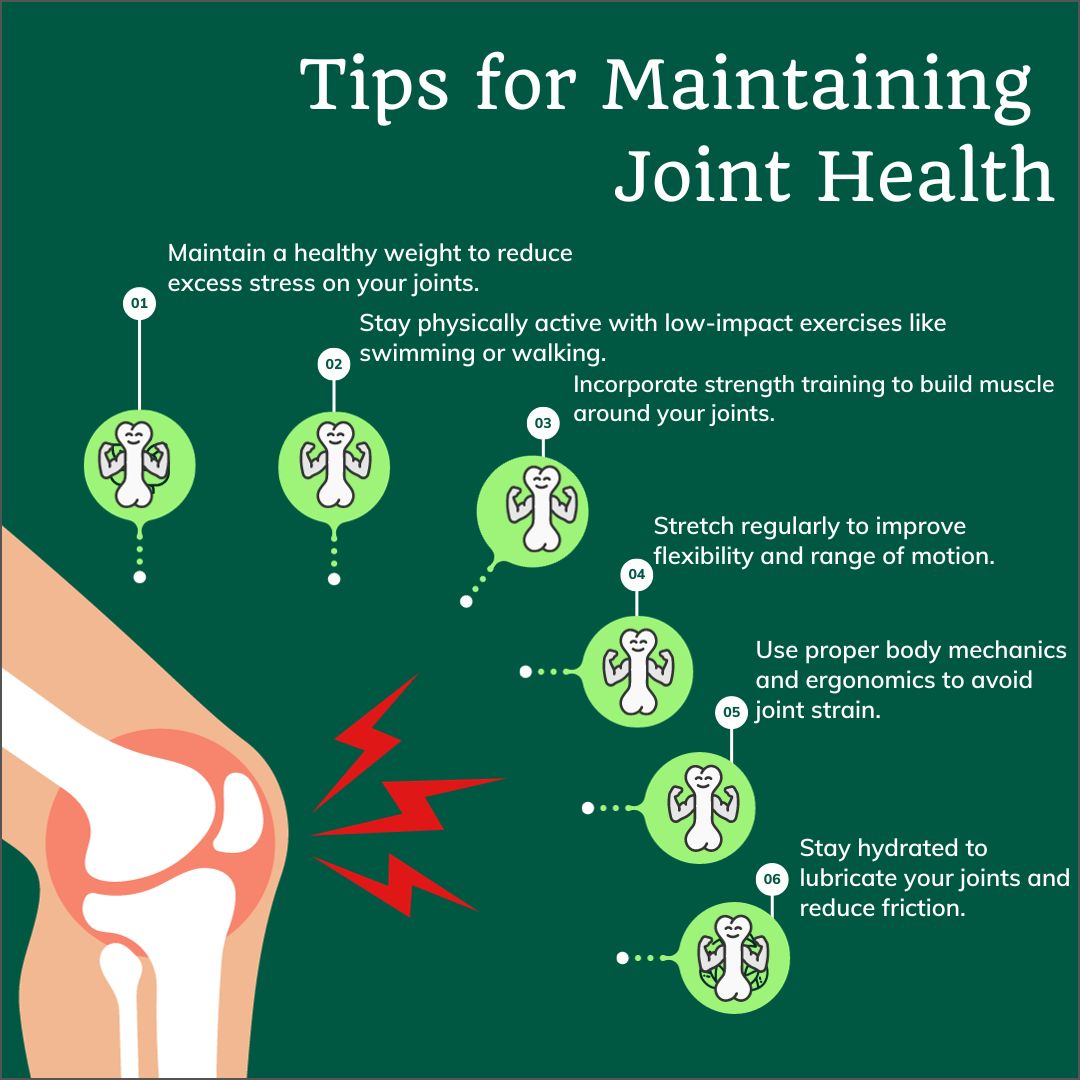
Now that we have a good understanding of arthritis and its contributing factors, let's explore practical tips to help maintain joint health as you age.
1. Stay Active: Regular physical activity is a key component of joint health. Low-impact exercises like walking, swimming, and cycling can help keep joints mobile and strengthen supporting muscles. Consult with a healthcare professional or physical therapist to create an exercise routine that suits your specific needs and limitations.
2. Maintain a Healthy Weight: Excess body weight places added stress on joints, especially those in the lower extremities. Losing weight through a combination of a balanced diet and exercise can help reduce the risk of joint problems, particularly in the knees and hips.
3. Protect Your Joints: When engaging in physical activities, especially sports or exercise that puts stress on the joints, it's essential to use proper protective gear, such as knee braces, wrist supports, or appropriate footwear. This can help prevent injuries that may lead to joint issues later on.
4. Stretch and Strengthen: Incorporate stretching and strengthening exercises into your daily routine. These exercises help improve joint flexibility and stability. Yoga and tai chi are excellent choices for enhancing balance and flexibility.
5. Maintain Good Posture: Proper posture can reduce the stress on your spine and lower back. Pay attention to ergonomics, whether at your desk, while driving, or during any other daily activities.
6. Eat a Joint-Friendly Diet: Foods rich in omega-3 fatty acids, like fatty fish (salmon, mackerel, sardines), walnuts, and flaxseeds, can help reduce inflammation. Antioxidant-rich foods, such as berries, broccoli, and green tea, also contribute to joint health. Additionally, ensure you get enough vitamin D and calcium for strong bones and joints.
7. Stay Hydrated: Proper hydration is essential for the health of your joints. Water helps maintain the lubrication of the synovial fluid in your joints, which in turn eases movement.
8. Consider Supplements: In consultation with a healthcare professional, you might explore dietary supplements like glucosamine and chondroitin, which are known to support joint health.
9. Manage Stress: Chronic stress can contribute to inflammation in the body, which can impact joint health. Engage in stress-reduction techniques such as meditation, mindfulness, or relaxation exercises to maintain emotional and physical well-being.
9. Get Regular Check-ups: Regular medical check-ups can help identify joint issues in their early stages. Discuss any joint pain or discomfort with your healthcare provider to receive timely guidance and treatment.
10. Medications and Therapies: For those who have already developed arthritis, there are various medications and therapies available to manage symptoms and slow the progression of the disease.
Consult with a Best Orthopedic Specialists in Hyderabad for tailored treatment options.
Arthritis is a common condition that often becomes more prevalent as we age. However, there are numerous strategies and lifestyle choices that can help maintain joint health and reduce the risk of arthritis-related issues. By staying active, maintaining a healthy weight, protecting your joints, and following a joint-friendly diet, you can enhance your overall quality of life and keep your joints healthy and mobile as you get older. Remember that early detection and proactive management are key to addressing joint issues and maintaining a high level of physical function and comfort in your golden years.
Related Blog Articles: