post-title

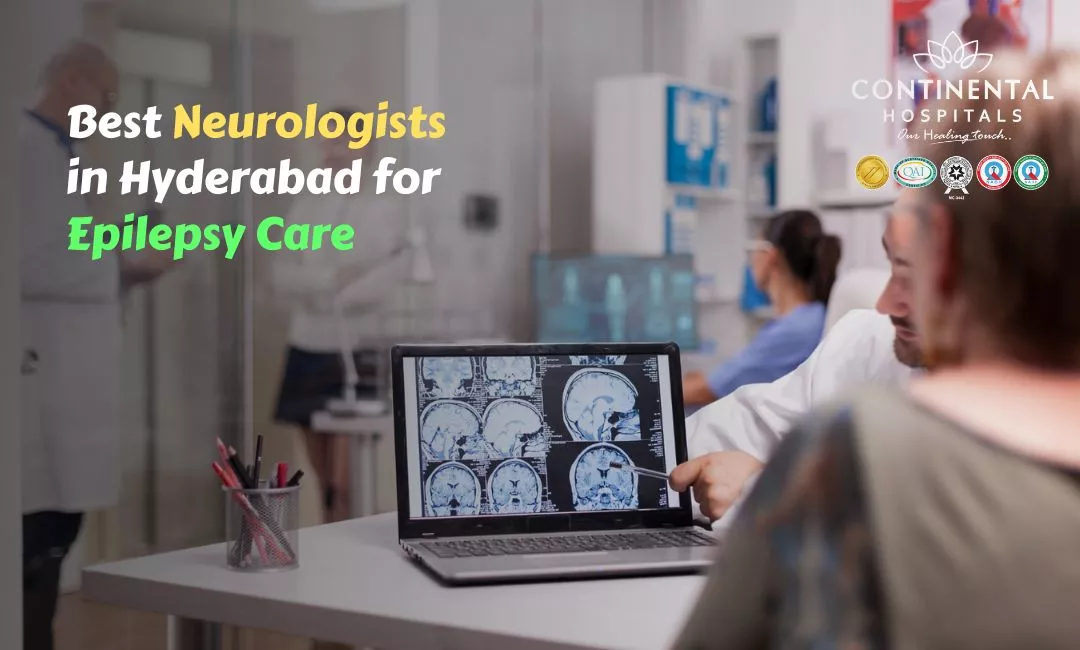
Best Neurologists in Hyderabad for Epilepsy Care

Written by - Editorial Team
Medically Reviewed by - Dr M K Singh

Epilepsy is a chronic neurological condition that affects people of all ages. It causes sudden, recurring seizures triggered by abnormal electrical activity in the brain. Some people may experience mild episodes that last seconds, while others face severe seizures that disrupt daily life. The good news is that epilepsy is manageable with the right treatment and the right specialist.

If you or a loved one is dealing with epilepsy, getting help from an experienced neurologist can make a world of difference. At Continental Hospitals, Hyderabad, we bring together a skilled team of specialists, cutting-edge diagnostic tools, and patient-focused care to offer the best possible outcomes for people living with epilepsy.

Let’s break down what you need to know about epilepsy care and why Continental Hospitals is a trusted name for neurological treatment.

What Is Epilepsy?

Epilepsy is more than just seizures. It's a condition that can impact memory, mood, sleep, and overall brain function. Seizures can vary in type:

  • Generalized seizures affect both sides of the brain and may cause convulsions or loss of consciousness.
  • Focal seizures begin in one part of the brain and can be subtle or intense.
  • Absence seizures are brief lapses in awareness, often mistaken for daydreaming.

Some people are diagnosed in childhood, others later in life. Genetics, brain injuries, infections, tumors, or even unknown factors can cause it.

If you or a loved one is experiencing seizures or has been diagnosed with epilepsy, visit our best neuro doctor hyderabad at Continental Hospitals, Hyderabad. Our expert neurologists provide advanced diagnosis, personalized treatment, and comprehensive epilepsy care.
What are the common symptoms of epilepsy?

Not everyone with epilepsy has the same symptoms. But here are a few red flags:

  • Sudden jerking movements
  • Staring spells or loss of awareness
  • Confusion after a seizure
  • Unusual sensations like smells, sounds, or visual distortions
  • Repeated episodes with no clear cause

If any of these sound familiar, it’s important to see a neurologist right away. Timely diagnosis can reduce the risk of complications and improve your quality of life.

Second Opinion

What Is the Diagnosis and Treatment of Epilepsy?

Treating epilepsy starts with a proper diagnosis. At Continental Hospitals, our team uses advanced diagnostic tools like:

  • EEG (Electroencephalogram) to detect abnormal brain activity
  • MRI and CT scans to identify structural brain issues
  • Video EEG monitoring for detailed observation of seizures

Once a diagnosis is made, treatment is tailored to each patient. This may include:

  • Anti-seizure medications to control or reduce the frequency of seizures
  • Lifestyle changes like sleep regulation, stress management, and diet modifications
  • Surgery in some severe cases when medication doesn’t work
  • Vagus nerve stimulation (VNS) and other advanced therapies

Why Choose Continental Hospitals, Hyderabad?

When it comes to managing a lifelong condition like epilepsy, choosing the right hospital and the right doctor is essential. Here’s what sets Continental Hospitals apart:

1. Expert Neurologists
Our neurology team includes some of the best neurologists in Hyderabad, with years of experience in diagnosing and treating epilepsy. You’re not just getting care; you’re getting specialist care that’s focused, precise, and guided by the latest clinical practices.

2. Multidisciplinary Approach
Epilepsy care isn’t just about stopping seizures. It’s about improving quality of life. Our neurologists work with neurophysiologists, radiologists, dietitians, and mental health professionals to offer well-rounded care.

3. Advanced Technology
From real-time video EEG monitoring to functional MRI scans, our facility is equipped with the latest tools that help in accurate diagnosis and ongoing evaluation.

4. Personalized Treatment Plans
Every case is different. Our team creates treatment plans that fit each patient’s condition, lifestyle, and treatment response. If standard medications aren’t enough, we explore alternative options to ensure better seizure control.

Need an Appointment?

5. Focus on Long-Term Management
We don’t just treat symptoms. Our goal is long-term seizure control, emotional well-being, and helping patients live fully independent lives.

Meet the Best Neurologists in Hyderabad at Continental Hospitals?

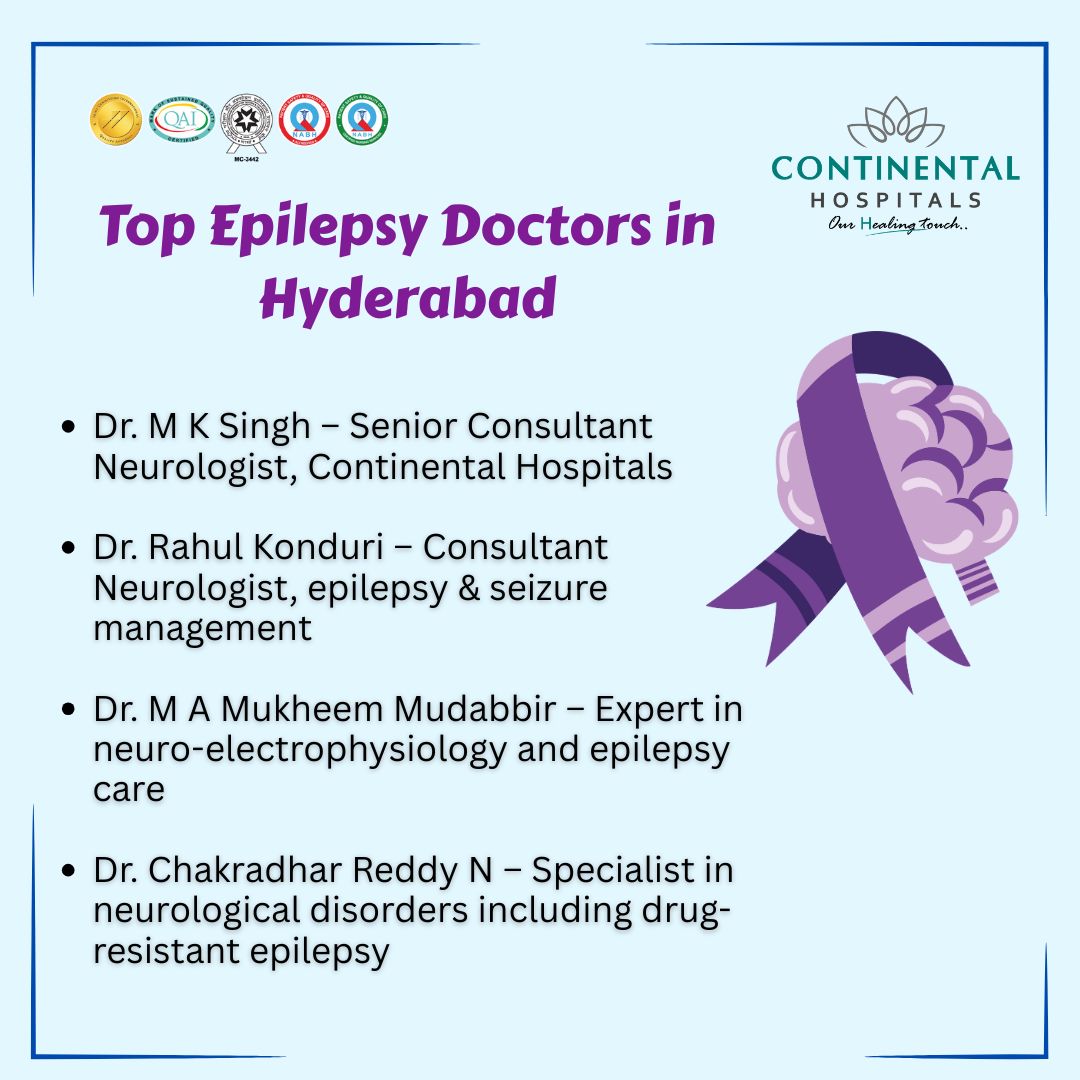
Here’s a closer look at the experienced specialists who lead epilepsy care at our hospital:

Dr. M K Singh
Senior Consultant Neurologist
With decades of experience, Dr. Singh is known for his clinical expertise and patient-centered approach. He specializes in treating complex neurological disorders, including epilepsy, with advanced protocols and compassionate care.

Dr. Rahul Konduri
Consultant Neurologist
Dr. Konduri brings a modern approach to neurology with a focus on evidence-based treatment. He is deeply involved in the latest diagnostic methods for epilepsy and provides individualized plans that help patients achieve better seizure control.

Dr. M A Mukheem Mudabbir
Consultant Neurologist
Dr. Mudabbir’s strengths lie in detailed neurological evaluation and precision medicine. He works closely with epilepsy patients to fine-tune their medications and monitor long-term response for improved outcomes.

Dr. Chakradhar Reddy N
Consultant Neurologist, Parkinson's and Movement Disorders Specialist
Though best known for his work in movement disorders, Dr. Chakradhar Reddy is also highly skilled in managing treatment-resistant epilepsy. His comprehensive neurological understanding adds value to the epilepsy team’s efforts.

These doctors, along with a strong support system at Continental Hospitals, ensure patients receive timely and effective care at every step.

What Does It Mean to Live Well with Epilepsy?

The journey with epilepsy is different for everyone. Some people find control with the first medication they try. Others may go through a few changes before they see results. The key is regular follow-up, being open about symptoms, and sticking to your care plan.

It’s also important to:

  • Take medications exactly as prescribed
  • Avoid seizure triggers like lack of sleep or stress
  • Keep a seizure diary to track patterns
  • Stay informed and involved in your care

Living with epilepsy may feel overwhelming at first, but with the right neurologist and a supportive care team, it becomes manageable.

When Should You See a Neurologist for Epilepsy?

Don’t wait until symptoms get worse. If you’ve had even one unexplained seizure, a blackout, or strange sensory experiences, consult a neurologist. Early diagnosis can prevent complications and give you more control over your health.

At Continental Hospitals, we offer specialized epilepsy clinics and quick access to experts who understand what you’re going through.

Conclusion: Take Control of Epilepsy with Expert Help

Epilepsy doesn’t have to limit your life. With the right medical guidance, many people with epilepsy go on to live active, fulfilling lives. The first step is finding the right specialist.

If you or someone you care about is facing seizures or has been diagnosed with epilepsy, consult our Best Neurologist in Hyderabad at Continental Hospitals, Hyderabad.

Frequently Asked Questions

You should consult a neurologist if you experience a seizure for the first time, repeated seizures, sudden episodes of unconsciousness, unexplained muscle jerking, or frequent staring spells. Even a single seizure requires medical evaluation to identify the underlying cause and prevent future episodes. A neurologist will perform a detailed assessment, review your medical history, and recommend diagnostic tests such as EEG and brain MRI if needed. Early diagnosis helps determine the type of epilepsy and allows timely treatment. Delaying medical care may increase the risk of additional seizures and complications. Children and adults with unexplained seizure-like symptoms should never ignore them. If seizures last longer than five minutes or occur repeatedly without recovery, seek emergency medical care immediately. Regular neurological care can significantly improve seizure control and quality of life.
Neurologists diagnose epilepsy by carefully evaluating your symptoms, seizure history, family history, and overall health. A detailed neurological examination is performed to identify any abnormalities affecting the brain or nervous system. An electroencephalogram (EEG) is commonly used to detect abnormal electrical activity in the brain. Brain imaging tests such as MRI or CT scans help identify structural causes like tumors, strokes, or congenital abnormalities. Blood tests may also be ordered to rule out infections, metabolic disorders, or electrolyte imbalances that can trigger seizures. In some cases, prolonged video EEG monitoring is recommended to accurately classify seizure types. Proper diagnosis is essential because different forms of epilepsy require different treatment approaches. Accurate evaluation helps neurologists develop the most effective and personalized treatment plan.
Yes, epilepsy can often be managed successfully with the right treatment plan. Most patients achieve good seizure control using anti-seizure medications prescribed according to their seizure type and overall health condition. It may take time to identify the most effective medication and dosage, but regular follow-up helps optimize treatment. Patients should take medications exactly as prescribed and avoid stopping them without medical advice. Lifestyle modifications, including adequate sleep, stress management, and avoiding known seizure triggers, also improve seizure control. For patients whose seizures do not respond to medication, neurologists may recommend epilepsy surgery, vagus nerve stimulation, or specialized dietary therapies. Early diagnosis and consistent medical care significantly improve long-term outcomes. Many individuals with epilepsy lead active, productive, and independent lives with proper treatment.
Several diagnostic tests help neurologists accurately evaluate epilepsy. An electroencephalogram (EEG) records the brain's electrical activity and helps identify abnormal seizure patterns. Brain MRI provides detailed images that detect structural abnormalities such as scars, tumors, developmental defects, or previous brain injuries. CT scans may be used in emergency situations to identify bleeding or acute brain conditions. Blood tests help detect infections, metabolic disorders, electrolyte imbalances, or other medical conditions that may trigger seizures. Video EEG monitoring allows doctors to observe seizures while simultaneously recording brain activity, improving diagnostic accuracy. In selected cases, advanced imaging techniques or genetic testing may be recommended. The combination of these investigations helps determine the exact cause, seizure type, and most appropriate treatment strategy.
Healthy lifestyle habits play an important role in reducing seizure frequency alongside medical treatment. Patients should take prescribed medications consistently without missing doses. Getting adequate sleep every night is essential because sleep deprivation is a common seizure trigger. Managing emotional stress through relaxation techniques, exercise, or counseling can also help. Alcohol consumption should be limited or avoided if recommended by your neurologist. Maintaining a balanced diet and staying hydrated support overall brain health. Patients should identify and avoid personal seizure triggers whenever possible. Wearing medical identification and informing family members about seizure first aid improves safety. Regular follow-up appointments with a neurologist help monitor treatment effectiveness and make necessary adjustments over time.
Epilepsy surgery may be considered when seizures continue despite trying two or more appropriately selected anti-seizure medications. This condition is known as drug-resistant epilepsy. Before surgery, patients undergo comprehensive evaluation including prolonged video EEG monitoring, MRI, neuropsychological assessment, and other specialized investigations. These tests help determine whether seizures originate from a specific area of the brain that can be safely treated. Surgery aims to reduce or completely eliminate seizures while preserving important brain functions. Not every patient is a suitable surgical candidate, so careful evaluation is essential. In cases where surgery is not appropriate, alternative therapies such as vagus nerve stimulation or responsive neurostimulation may be recommended. Early referral to an epilepsy specialist improves treatment options and outcomes.
Yes, epilepsy can affect people of all ages, including infants, children, adults, and older adults. In children, epilepsy may develop due to genetic conditions, birth-related complications, developmental disorders, infections, or unknown causes. In older adults, epilepsy is commonly associated with stroke, brain tumors, traumatic brain injury, dementia, or other neurological disorders. Symptoms can vary depending on age and seizure type, making specialist evaluation important. Early diagnosis helps prevent complications and supports normal development in children while improving independence and safety in older adults. Treatment plans are individualized based on age, seizure type, medical history, and overall health. Regular follow-up ensures appropriate medication adjustments and long-term seizure control.
Continental Hospitals offers comprehensive epilepsy care through an experienced team of neurologists, neurosurgeons, neurophysiologists, radiologists, and rehabilitation specialists. Patients benefit from advanced diagnostic facilities including EEG, video EEG monitoring, high-resolution MRI, and comprehensive neurological evaluation. Personalized treatment plans are developed according to each patient's seizure type, medical history, and lifestyle needs. The hospital provides medical management, epilepsy surgery evaluation, intensive care support, rehabilitation, and long-term follow-up under one roof. A multidisciplinary approach ensures coordinated care for both adults and children. Patient education, medication counseling, and ongoing monitoring help improve seizure control and quality of life. The focus remains on accurate diagnosis, evidence-based treatment, patient safety, and compassionate neurological care.
Disclaimer: The information provided in this blog is intended for general knowledge and informational purposes only, and does not constitute medical advice. Always consult with a qualified healthcare professional for any medical concerns or before making any decisions about your health.

Get in Touch With Us

Whether you are from India or abroad, we are here to help you with your medical queries. Please fill out the form below and our team will connect with you shortly.

  • ✔ Quick response from our medical experts
  • ✔ Secure data handling & privacy
  • ✔ Easy upload for reports & documents
banner_image

Chat with our medical experts on WhatsApp for quick assistance and hassle-free appointment booking

Recent Posts