post-title

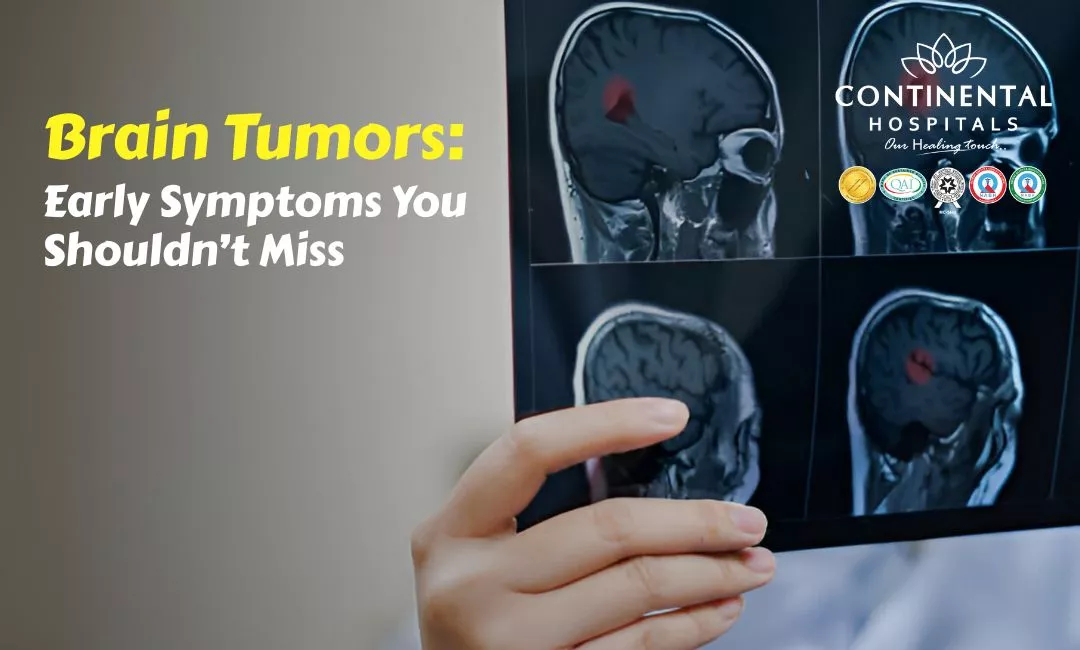
Brain Tumors: Early Symptoms You Shouldn’t Miss

Written by - Editorial Team
Medically Reviewed by - Dr K V Shivanand Reddy

Brain tumors can be frightening to think about, but knowing the early warning signs can help you seek timely medical care and improve outcomes. At Continental Hospitals, we believe that awareness is the first step toward prevention and effective treatment. In this blog, we will break down the common early symptoms of brain tumors in simple terms, explain why early diagnosis matters, and share why Continental Hospitals is the trusted choice for your care.

What Is a Brain Tumor?

A brain tumor is a mass or growth of abnormal cells in your brain. These growths can be either benign (non-cancerous) or malignant (cancerous). Regardless of the type, a tumor inside the skull can cause pressure on the brain and affect its normal functions.

Because the brain controls everything in the body, from movement and speech to memory and emotions, even a small tumor can cause serious health problems. That’s why recognizing symptoms early is so important.

Some cancers show silent warning signs before pain appears. Visit our best neuro doctor hyderabad for expert evaluation if you notice persistent neurological symptoms or unexplained changes.
Why is early detection of brain tumors important?

Brain tumors can grow slowly or quickly. The earlier you notice symptoms and get checked by a specialist, the better the chances are for successful treatment. Early detection allows doctors to plan the right treatment and reduce the risk of complications.

At Continental Hospitals, our team of expert neurologists and neurosurgeons uses the latest technology to diagnose brain tumors quickly and accurately. We believe early diagnosis saves lives and improves quality of life.

What are the early symptoms of a brain tumor?

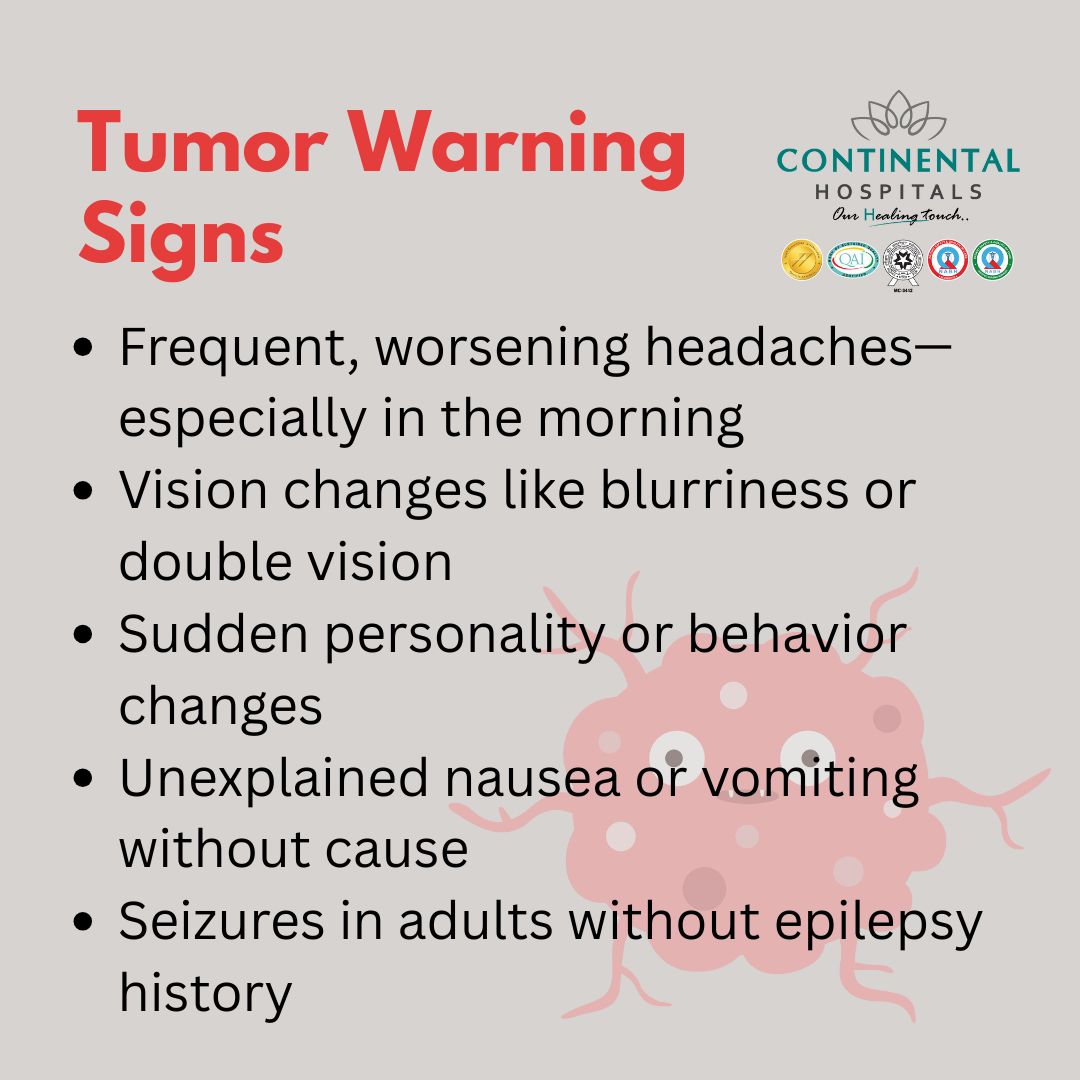
Brain tumors can cause a wide range of symptoms depending on their size, type, and location in the brain. Here are some common early warning signs that should never be ignored:

1. Persistent Headaches

Second Opinion

Many people get headaches occasionally, but headaches caused by brain tumors are often different. They may:

  • Be more severe or intense than usual
  • Occur more frequently, especially in the morning
  • Worsen over time despite medication

If you have headaches that keep coming back and get worse, it’s time to see a doctor.

2. Nausea and Vomiting
Feeling nauseous or vomiting without a clear reason can be a sign of increased pressure inside the skull caused by a tumor. This is especially concerning if it happens early in the morning or is accompanied by headaches.

3. Changes in Vision or Hearing
Brain tumors can press on nerves responsible for vision and hearing. You might notice:

  • Blurred or double vision
  • Loss of peripheral (side) vision
  • Sudden hearing loss or ringing in the ears

Any sudden change in your senses should be evaluated by a specialist.

4. Weakness or Numbness
A tumor pressing on parts of the brain that control movement can cause weakness, numbness, or tingling in the arms, legs, or face. You may find it harder to walk, hold things, or perform everyday tasks.

5. Difficulty with Balance or Coordination
If you feel unsteady, dizzy, or have trouble coordinating movements, this could be a sign of a tumor affecting the brain’s balance center.

Need an Appointment?

6. Seizures
Seizures or convulsions, especially if you have never had one before, are a serious warning sign. Tumors can irritate the brain tissue and cause abnormal electrical activity.

7. Memory Problems and Confusion
Tumors can affect areas of the brain responsible for thinking, memory, and personality. Early signs might include forgetfulness, confusion, difficulty concentrating, or changes in behavior.

8. Speech Difficulties
If you find it hard to speak clearly, slur your words, or have trouble understanding others, this could indicate a problem in the language centers of your brain.

What Should You Do If You Notice These Symptoms?

If you experience any of these symptoms, especially if they persist or worsen, don’t wait. Early medical evaluation is key. A thorough neurological examination, brain imaging tests such as MRI or CT scans, and blood tests can help identify the cause.

At Continental Hospitals, we offer comprehensive brain tumor diagnosis using advanced imaging and expert consultation. Our compassionate team guides you through every step — from diagnosis to personalized treatment planning.

Why Choose Continental Hospitals for Brain Tumor Care?

When it comes to brain tumors, you need care that combines expertise, advanced technology, and compassionate support. Here’s why Continental Hospitals is the preferred choice:

Experienced Specialists: Our team includes highly trained neurologists, neurosurgeons, oncologists, and radiologists dedicated to brain tumor care.

Advanced Diagnostic Tools: We use state-of-the-art MRI and CT scanners that provide clear, detailed images for accurate diagnosis.

Personalized Treatment: Every patient is unique. We tailor treatment plans based on tumor type, size, location, and patient health, offering surgery, radiation, chemotherapy, or combined therapies.

Multidisciplinary Approach: Our brain tumor board brings together experts from different fields to ensure the best treatment strategies.

Patient-Centered Care: We prioritize your comfort and mental well-being, offering counseling and support throughout your treatment journey.

Cutting-Edge Surgical Techniques: Our neurosurgeons use minimally invasive and precision-guided surgery to reduce risks and promote faster recovery.

Follow-Up and Rehabilitation: After treatment, we provide ongoing follow-up and rehabilitation services to help you regain strength and quality of life.

Conclusion

Brain tumors can be serious, but early recognition of symptoms and prompt treatment can make a significant difference. If you notice persistent headaches, changes in vision, weakness, seizures, or any of the other symptoms discussed, don’t delay getting professional help.

Experiencing symptoms? Don’t wait. Consult our Best Neurologist in Hyderabad at Continental Hospitals for expert diagnosis and care.

Related Blogs:

  1. What to Expect During Brain Tumor Surgery
  2. The Role of Genetics in Brain Tumor Development

Frequently Asked Questions

Early symptoms of a brain tumor often depend on its size, type, and location in the brain. Persistent headaches that become more frequent or severe are one of the most common warning signs. Some people experience nausea or vomiting, especially in the morning, without an obvious cause. Vision changes such as blurred vision, double vision, or loss of peripheral vision may also occur. Difficulty speaking, memory problems, confusion, or trouble concentrating can develop gradually. Weakness or numbness on one side of the body may indicate pressure on specific brain areas. Seizures in someone with no previous history should always be evaluated promptly. Changes in balance, coordination, or walking can also be early indicators. Personality or mood changes may occur before physical symptoms become noticeable. While these symptoms do not always mean a brain tumor, persistent or worsening symptoms require medical evaluation. Early diagnosis allows timely treatment and improves the chances of better outcomes.
Brain tumor headaches are often different from common tension headaches or migraines. They may be more severe in the morning and gradually improve during the day. These headaches tend to become more frequent and intense over time rather than occurring occasionally. They may worsen when coughing, sneezing, bending over, or changing body position because of increased pressure inside the skull. Some people also experience nausea, vomiting, or blurred vision along with the headache. Pain medications may provide only temporary or limited relief. However, not every brain tumor causes headaches, and not every persistent headache indicates a brain tumor. The pattern, duration, and associated neurological symptoms are important factors. A healthcare professional may recommend brain imaging if concerning features are present. Prompt evaluation is essential if headaches are persistent, worsening, or accompanied by seizures, weakness, or vision changes.
Yes, seizures can sometimes be the first noticeable symptom of a brain tumor. A tumor can disrupt the normal electrical activity of the brain, triggering abnormal nerve signals. Seizures may involve full-body shaking, loss of consciousness, staring episodes, or sudden jerking movements of one limb. Some people experience unusual sensations, temporary confusion, or brief episodes of altered awareness. The type of seizure often depends on the tumor's location in the brain. While seizures have many possible causes, a first-time seizure in an adult requires immediate medical evaluation. Doctors usually recommend neurological examination and brain imaging such as MRI or CT scans. Early diagnosis helps determine the underlying cause and guides appropriate treatment. Seizure medications may be prescribed along with treatment for the tumor if necessary. Never ignore a new seizure, even if it lasts only a short time.
The exact cause of most brain tumors remains unknown, but several factors may increase the risk. Brain tumors develop when cells grow uncontrollably due to genetic mutations. Some inherited genetic syndromes are associated with a higher likelihood of developing certain brain tumors. Previous exposure to high-dose ionizing radiation, especially during childhood, is a recognized risk factor. Age can influence the type of brain tumor that develops, although tumors can occur at any age. Most brain tumors are not linked to lifestyle choices or everyday activities. Family history plays a role in only a small percentage of cases. Researchers continue to study environmental and genetic influences that may contribute to tumor development. It is important to remember that having a risk factor does not guarantee a brain tumor will occur. Regular medical evaluation of concerning neurological symptoms is the best approach for early detection.
Diagnosing a brain tumor begins with a detailed medical history and neurological examination. Doctors assess vision, hearing, balance, coordination, muscle strength, reflexes, and cognitive function. If a brain tumor is suspected, imaging tests such as MRI are usually the preferred diagnostic method because they provide detailed brain images. CT scans may also be used, particularly in emergency situations. In some cases, contrast dye helps identify abnormal tissue more clearly. If imaging suggests a tumor, a biopsy may be recommended to determine the exact tumor type and grade. Advanced imaging techniques and laboratory tests may provide additional information for treatment planning. The diagnosis is confirmed through microscopic examination of tumor tissue whenever possible. Accurate diagnosis is essential because treatment varies depending on the tumor's location, size, and type. Early evaluation allows faster treatment and may improve long-term outcomes.
No, not all brain tumors are cancerous. Brain tumors are classified as either benign or malignant based on their behavior and growth characteristics. Benign tumors generally grow slowly and do not spread to other parts of the body, but they can still cause serious symptoms by pressing on important brain structures. Malignant brain tumors tend to grow faster and invade nearby brain tissue. Both benign and malignant tumors can affect brain function depending on their location. Symptoms may be similar regardless of whether the tumor is cancerous. Treatment options may include surgery, radiation therapy, chemotherapy, targeted therapy, or careful monitoring. The treatment plan depends on the tumor type, size, grade, and overall health of the patient. Regular follow-up imaging is often necessary after treatment. Early diagnosis improves the chances of successful management for both benign and malignant brain tumors.
You should seek medical attention if you experience persistent or worsening neurological symptoms without a clear explanation. Frequent headaches that are becoming more severe deserve prompt evaluation. Sudden vision changes, hearing problems, or difficulty speaking should never be ignored. Weakness, numbness, or loss of coordination on one side of the body requires immediate medical assessment. A first-time seizure is a medical emergency and should be evaluated without delay. Ongoing confusion, memory loss, or noticeable personality changes also warrant medical attention. Persistent nausea or vomiting accompanied by neurological symptoms should be investigated. Children with increasing head size, developmental delays, or unexplained vomiting should also be evaluated promptly. Early consultation with a neurologist or neurosurgeon can help identify the underlying cause. Timely diagnosis offers the best opportunity for effective treatment and improved quality of life.
Yes, many brain tumors can be treated successfully when diagnosed at an early stage. Early detection often allows more treatment options and may improve overall outcomes. Surgery is commonly performed to remove as much of the tumor as safely possible. Depending on the tumor type, radiation therapy, chemotherapy, targeted therapy, or immunotherapy may also be recommended. Some slow-growing benign tumors may only require regular monitoring with MRI scans. Advances in neurosurgery and precision radiation techniques have significantly improved treatment safety and effectiveness. Recovery depends on factors such as tumor type, location, age, and overall health. Rehabilitation therapies may help restore speech, movement, or cognitive function after treatment. Regular follow-up is essential to monitor recovery and detect any recurrence. Prompt medical evaluation of early symptoms provides the greatest opportunity for successful treatment and better long-term quality of life.
Disclaimer: The information provided in this blog is intended for general knowledge and informational purposes only, and does not constitute medical advice. Always consult with a qualified healthcare professional for any medical concerns or before making any decisions about your health.

Get in Touch With Us

Whether you are from India or abroad, we are here to help you with your medical queries. Please fill out the form below and our team will connect with you shortly.

  • ✔ Quick response from our medical experts
  • ✔ Secure data handling & privacy
  • ✔ Easy upload for reports & documents
banner_image

Chat with our medical experts on WhatsApp for quick assistance and hassle-free appointment booking

Recent Posts