.webp)
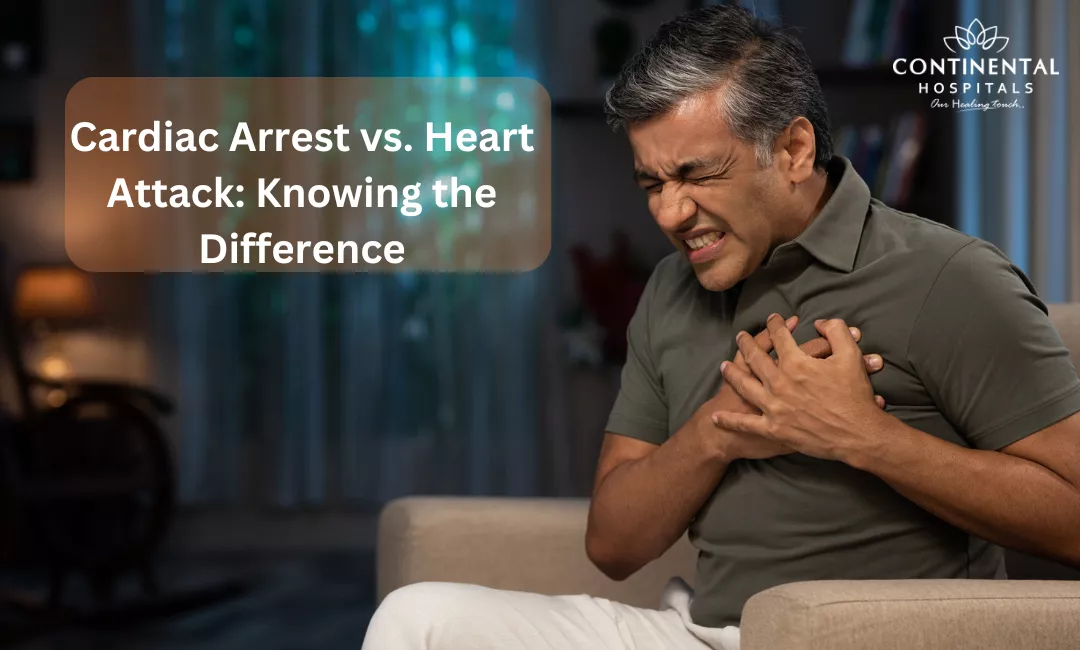
Understanding the distinction between cardiac arrest and heart attack is paramount for effective response and management during medical emergencies. While the terms are often used interchangeably, they represent distinct conditions with diverse underlying mechanisms and outcomes. Cardiac arrest occurs when the heart's electrical system malfunctions, leading to an abrupt cessation of its pumping function. This results in an immediate halt in blood circulation, causing the affected individual to lose consciousness and necessitating prompt intervention to restore normal heart rhythm. In contrast, a heart attack, medically known as a myocardial infarction, arises from a blockage in the coronary arteries, typically due to the rupture of plaque buildup. This obstruction hampers blood flow to a section of the heart muscle, causing chest pain or discomfort and necessitating urgent medical attention to prevent irreversible damage.
Differentiating between cardiac arrest and heart attack is crucial for swift and appropriate action when faced with a cardiovascular emergency. Recognizing the unique symptoms and understanding the underlying causes can empower individuals to respond effectively and seek timely medical assistance. While both conditions require immediate attention, the treatment approaches differ significantly, with cardiac arrest necessitating cardiopulmonary resuscitation (CPR) and defibrillation to restore heart function, whereas a heart attack may require interventions to reopen blocked arteries and restore blood flow to the heart muscle. By fostering awareness and education about these critical distinctions, individuals can play a pivotal role in improving outcomes and potentially saving lives in cardiac emergencies.
What Is Cardiac Arrest?
Cardiac arrest occurs when the heart suddenly stops beating, leading to a cessation of blood flow to vital organs. Unlike a heart attack, which involves a blockage in the coronary arteries, cardiac arrest is typically caused by an electrical malfunction in the heart's rhythm. This disruption, known as an arrhythmia, can cause the heart to beat irregularly or chaotically, ultimately resulting in a loss of cardiac function.
Causes of Cardiac Arrest:
- Ventricular fibrillation (VF)
- Ventricular tachycardia (VT)
- Asystole (absence of electrical activity)
What Are the Risk Factors for Cardiac Arrest?
- History of heart disease
- Previous heart attack
- Family history of cardiac arrest
- Electrical abnormalities in the heart
- Drug abuse (especially stimulants)
- Electrolyte imbalances
- Severe trauma or injury
What Are the Symptoms of Cardiac Arrest?
- Sudden loss of consciousness
- Absence of pulse
- No breathing or abnormal breathing (gasping)
- Pale or bluish skin
- Dilated pupils
How Is Cardiac Arrest Treated?
- Immediate cardiopulmonary resuscitation (CPR)
- Use of automated external defibrillator (AED) to restore normal heart rhythm
- Advanced cardiac life support (ACLS) interventions by trained medical personnel
- Administration of medications to stabilize heart rhythm and support circulation
- Prompt transfer to a hospital for further evaluation and treatment
What Is a Heart Attack?
A heart attack, also known as a myocardial infarction (MI), occurs when blood flow to a part of the heart muscle is blocked, depriving it of oxygen and nutrients. This blockage is typically caused by the rupture of a plaque buildup (atherosclerosis) in the coronary arteries, leading to the formation of a blood clot that obstructs blood flow. Without prompt intervention, a heart attack can cause permanent damage to the heart muscle and even result in death.
Causes of Heart Attack:

- Atherosclerosis (buildup of plaque in the arteries)
- Coronary artery spasm
- Blood clot (thrombus) formation
- Coronary artery dissection
- Embolism from elsewhere in the body
What Are the Risk Factors for a Heart Attack?
- High blood pressure
- High cholesterol levels
- Smoking
- Diabetes
- Obesity
- Sedentary lifestyle
- Family history of heart disease
- Age (risk increases with age)
What Are the Symptoms of a Heart Attack?
- Chest pain or discomfort (pressure, squeezing, or fullness)
- Pain or discomfort in other areas of the upper body (arms, back, neck, jaw, or stomach)
- Shortness of breath
- Nausea or vomiting
- Cold sweats
- Dizziness or lightheadedness
- Fatigue
How Is a Heart Attack Treated?
- Immediate administration of aspirin and nitroglycerin to relieve chest pain and prevent further clot formation
- Oxygen therapy to increase oxygen delivery to the heart
- Thrombolytic therapy (clot-busting drugs) or percutaneous coronary intervention (PCI) to restore blood flow to the blocked artery
- Coronary artery bypass grafting (CABG) surgery in severe cases
- Cardiac rehabilitation program to facilitate recovery and reduce the risk of future heart events
What Is the Difference Between Cardiac Arrest and a Heart Attack?
While cardiac arrest and heart attack share some common symptoms, such as chest discomfort and shortness of breath, there are key differences that can help distinguish between the two.
1. Cause:
- Cardiac arrest: Caused by an electrical malfunction in the heart's rhythm.
- Heart attack: Caused by a blockage in the coronary arteries.
2. Outcome:
- Cardiac arrest: Often results in sudden loss of consciousness and cessation of breathing.
- Heart attack: May cause chest pain or discomfort, but consciousness is usually maintained.
3. Treatment:
- Cardiac arrest: Requires immediate CPR and defibrillation to restore normal heart rhythm.
- Heart attack: Requires prompt medical intervention to open the blocked artery and restore blood flow to the heart muscle.
4. Risk Factors:
- Cardiac arrest: History of heart disease, previous heart attack, and electrical abnormalities in the heart.
- Heart attack: High blood pressure, high cholesterol levels, smoking, diabetes, and obesity.
When Should You Seek Immediate Medical Attention?
Cardiac arrest and heart attack are both serious medical emergencies that require immediate attention and intervention. While they share some similarities, such as chest discomfort and shortness of breath, they have distinct causes, symptoms, and treatment approaches. By understanding the differences between the two, you can be better prepared to recognize the signs, take appropriate action, and potentially save lives. Remember, quick action is essential in any cardiac emergency don't hesitate to call for help and initiate lifesaving measures if needed. Trust the Best Cardiology Doctors in Hyderabad to help you maintain a healthy heart with personalized care.
Related Blog Articles:
1. The Silent Threat: How Chronic Stress Impacts Your Cardiovascular System
2. Unmasking the Rising Tide of Heart Attacks Among Young Adults