.webp)

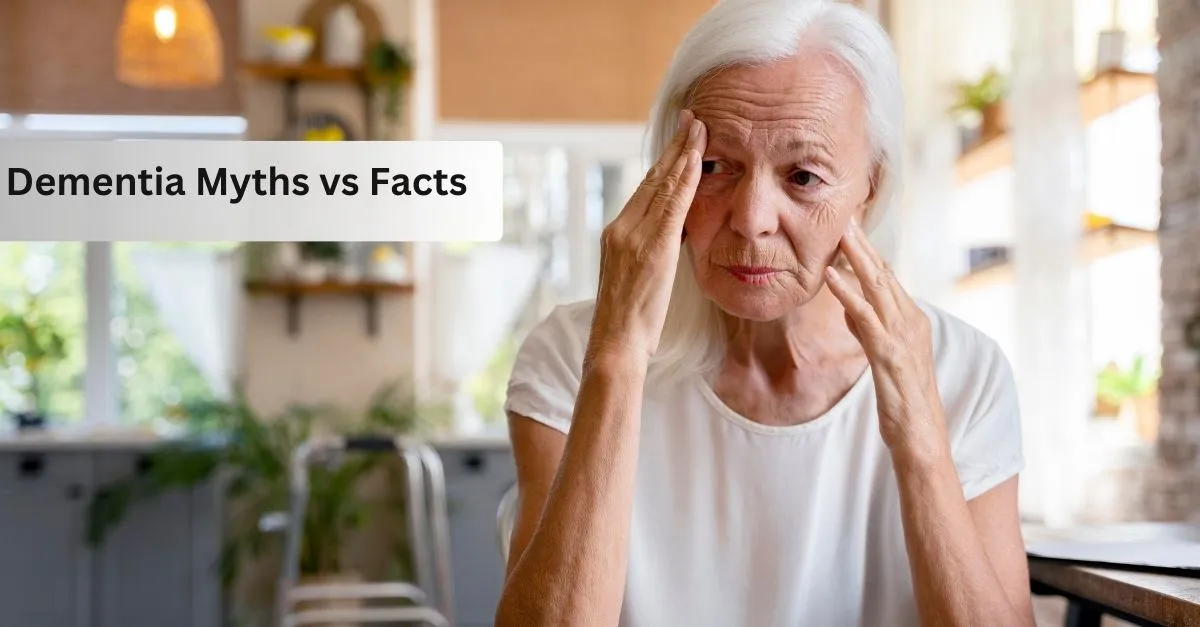
Dementia is a complex and often misunderstood condition that affects millions of people worldwide. Despite its prevalence, there are many myths and misconceptions surrounding dementia that can lead to stigma, fear, and misinformation. So let’s explore some common dementia myths and present the facts to help you gain a better understanding of this condition.
Myth 1: Is dementia a normal part of aging?
Fact: Dementia is not a normal part of aging. While the risk of developing dementia increases with age, it is not an inevitable consequence of growing older.
Dementia is a general term for a decline in cognitive function that interferes with daily life. It is often characterized by memory loss, impaired judgment, and changes in personality. While some cognitive decline can occur as a natural part of aging, dementia represents a more significant and abnormal decline.
The majority of older adults do not develop dementia. In fact, most older individuals maintain their cognitive abilities and continue to lead fulfilling lives. It's important to recognize that dementia is a medical condition, not a normal stage of aging.
Myth 2: Are Alzheimer's disease and dementia the same thing?
Fact: Alzheimer's disease is just one type of dementia. Dementia is an umbrella term that encompasses a range of cognitive disorders, and Alzheimer's disease is the most common subtype.
Alzheimer's disease is a specific form of dementia characterized by the accumulation of abnormal protein deposits in the brain, leading to the gradual decline of cognitive function. Other types of dementia include vascular dementia, Lewy body dementia, frontotemporal dementia, and more. Each type has distinct features and underlying causes.
It is crucial to differentiate between Alzheimer's disease and other forms of dementia, as their symptoms and progression may vary. Accurate diagnosis and appropriate management depend on recognizing the specific type of dementia a person has.
Early diagnosis can make a significant difference in managing dementia. Consult our best neurologist in gachibowli for advanced care, compassionate support, and the right treatment approach.
Myth 3: Does dementia only affect memory?
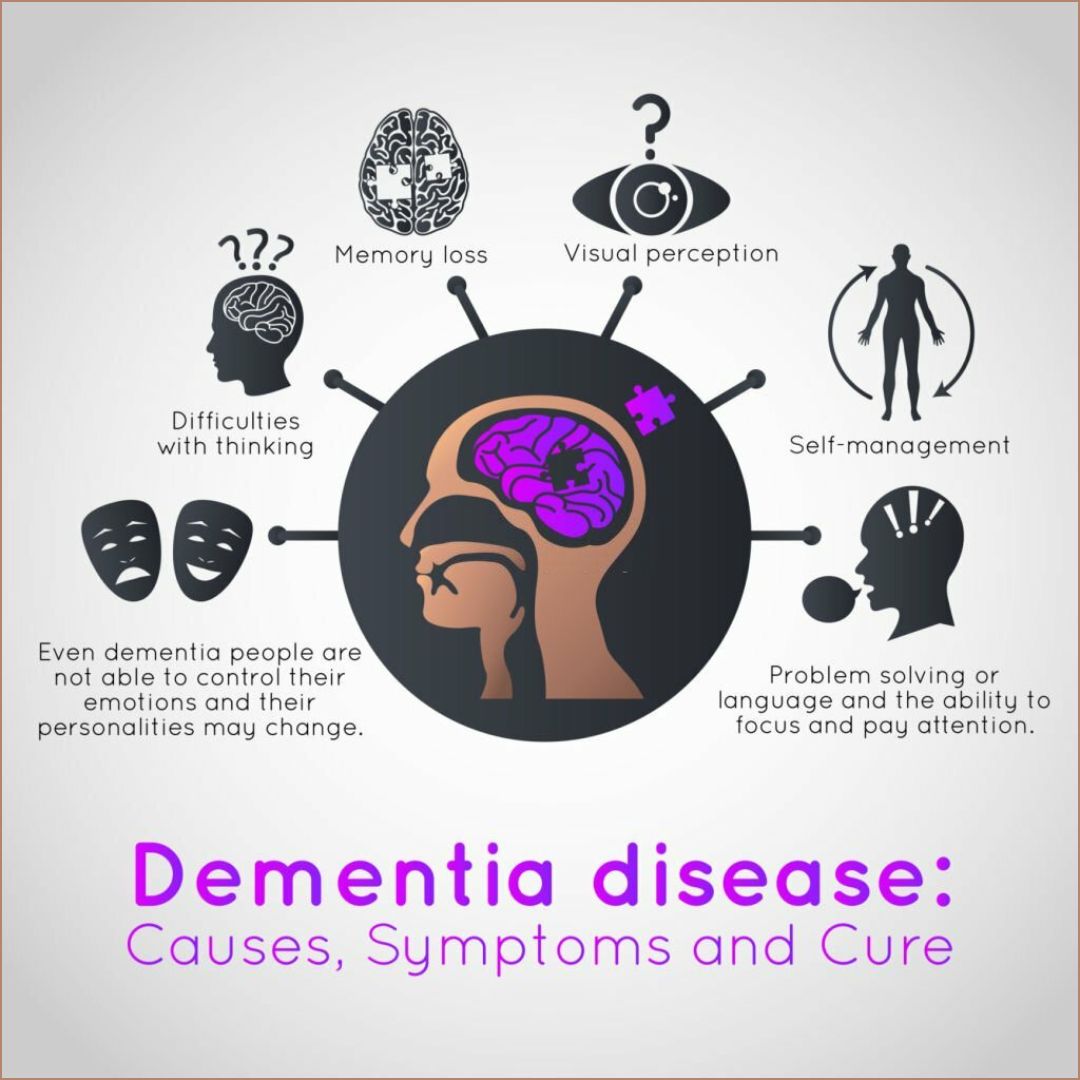
Fact: Dementia affects more than just memory. While memory loss is a common symptom of dementia, the condition can also impact other cognitive functions such as problem-solving, language skills, spatial awareness, and the ability to perform daily tasks.

Dementia can lead to changes in behavior, mood, and personality. Individuals with dementia may experience confusion, agitation, anxiety, and even hallucinations. As the condition progresses, it can become increasingly challenging to communicate and interact with others.
Understanding the broader cognitive and behavioral effects of dementia is essential for providing appropriate care and support to affected individuals and their families.
If you or someone you know is exhibiting symptoms of dementia, it's important to consult with a Neurologist for a proper diagnosis and treatment plan.
Myth 4: Is dementia untreatable?
Fact: While there is currently no cure for dementia, there are treatments and interventions that can help manage its symptoms and slow its progression. Early diagnosis and appropriate medical care can make a significant difference in the quality of life for individuals with dementia.
Treatment options for dementia may include medications to manage cognitive symptoms and behavioral changes. Additionally, therapies such as cognitive rehabilitation, occupational therapy, and speech therapy can help individuals with dementia maintain their independence and function.
It's also crucial to address the emotional and psychological aspects of dementia, both for the affected individual and their caregivers. Support groups and counseling can provide valuable assistance in coping with the challenges of dementia.
Myth 5: Is dementia always inherited from parents?
Fact: While there is a genetic component to some forms of dementia, not all cases are hereditary. In fact, most dementia cases are sporadic, meaning they occur without a clear family history of the condition.
Some types of dementia, such as early-onset Alzheimer's disease and frontotemporal dementia, can be linked to specific genetic mutations. However, the majority of dementia cases are late-onset and result from a combination of genetic, environmental, and lifestyle factors.
Having a family member with dementia does increase the risk slightly, but it does not guarantee that an individual will develop the condition. Lifestyle factors such as diet, physical activity, and cardiovascular health play a significant role in dementia risk reduction.
Myth 6: Are people with dementia always unaware of their condition?
Fact: While some individuals with advanced dementia may lose awareness of their condition, many people with early to moderate stages of dementia are fully aware of their cognitive decline. This awareness can be distressing and frustrating for them.
It's essential to respect the experiences and feelings of individuals with dementia. They may have moments of clarity and insight, even if their overall cognitive function is impaired. Involving them in decisions about their care and treatment whenever possible can help maintain their sense of dignity and autonomy.
Myth 7: Does dementia only affect the elderly?
Fact: Dementia can affect people of all ages, although it is more common in older adults. There are specific forms of dementia, such as early-onset Alzheimer's disease and frontotemporal dementia, that can occur in individuals as young as their 30s or 40s.
While the risk of dementia does increase with age, it is not exclusive to the elderly. Younger individuals and their families may face unique challenges when dealing with dementia, including issues related to employment, financial planning, and caregiving.
Myth 8: Can dementia be prevented?
Fact: While dementia risk cannot be entirely eliminated, there are steps individuals can take to reduce their risk and promote brain health. These include:
Healthy Lifestyle: Adopting a healthy diet, engaging in regular physical activity, managing stress, and getting enough sleep can all contribute to brain health.
Social Engagement: Staying socially active and maintaining strong social connections can help preserve cognitive function.
Mental Stimulation: Engaging in mentally stimulating activities such as puzzles, games, and learning new skills can help keep the brain sharp.
Heart Health: Managing conditions like high blood pressure, diabetes, and high cholesterol can reduce the risk of vascular dementia, which is linked to cardiovascular issues.
Avoiding Smoking and Excessive Alcohol: These behaviors can increase the risk of dementia, so avoiding them is advisable.
Protecting the Head: Taking precautions to prevent head injuries, such as wearing helmets during sports and seatbelts in vehicles, can reduce the risk of traumatic brain injury-related dementia.
Myth 9: Is dementia care only the responsibility of healthcare professionals?
Fact: While healthcare professionals play a crucial role in dementia care, the responsibility extends to families, friends, and communities as well. Dementia care is a collaborative effort that involves various stakeholders.
Families and caregivers often provide daily support to individuals with dementia, helping with tasks like medication management, meal preparation, and personal care. They also offer emotional and social support, which is essential for the well-being of both the person with dementia and themselves.
Community support and awareness are also vital. Communities can create dementia-friendly environments, raise awareness about the condition, and offer resources to help those affected by dementia.
Myth 10: Is there really nothing you can do for someone with dementia?
Fact: While you may not be able to cure dementia, there are many ways you can support and improve the quality of life for someone with the condition. Here are some practical tips:
Educate Yourself: Learn about dementia and the specific type the person has. Understanding their condition can help you provide better support.
Effective Communication: Be patient and use clear, simple language. Maintain eye contact and listen attentively.
Routine and Structure: Establish a daily routine to provide a sense of stability and predictability.
Safety Measures: Ensure the home environment is safe, with precautions against falls and accidents.
Engage in Activities: Encourage activities that the person enjoys and that stimulate their mind and body.
Respect Their Dignity: Treat the person with respect and dignity, even as their abilities decline.
Seek Support: Join a support group or seek professional guidance to help you navigate the challenges of caregiving.
Dispelling myths and understanding the facts about dementia is crucial for promoting awareness, reducing stigma, and improving the lives of those affected. Remember that dementia is not a normal part of aging, and there are ways to support and care for individuals with the condition. With ongoing research and a commitment to compassionate care, we can continue to make progress in the field of dementia care and support.
If you or someone you know is exhibiting symptoms of dementia, it's important to consult with a Best Neurologist in Hyderabad for a proper diagnosis and treatment plan.
Related Blogs:
1. Exercise and Cognitive Function: How It Sharpens Your Mind
2. Early Signs of Alzheimer's: How to Recognize Them