• Share this:
post-title

Can a Vagus Nerve Reset Reduce Stress Instantly?

Written by - Editorial Team
Medically Reviewed by - Dr Rahul Konduri

Stress has become a part of everyday life, affecting both our physical and mental well-being. From work and lack of sleep to emotional stress and a sedentary lifestyle, chronic stress can compromise our health. Today many are looking into natural ways to relax and ease the mind quickly.

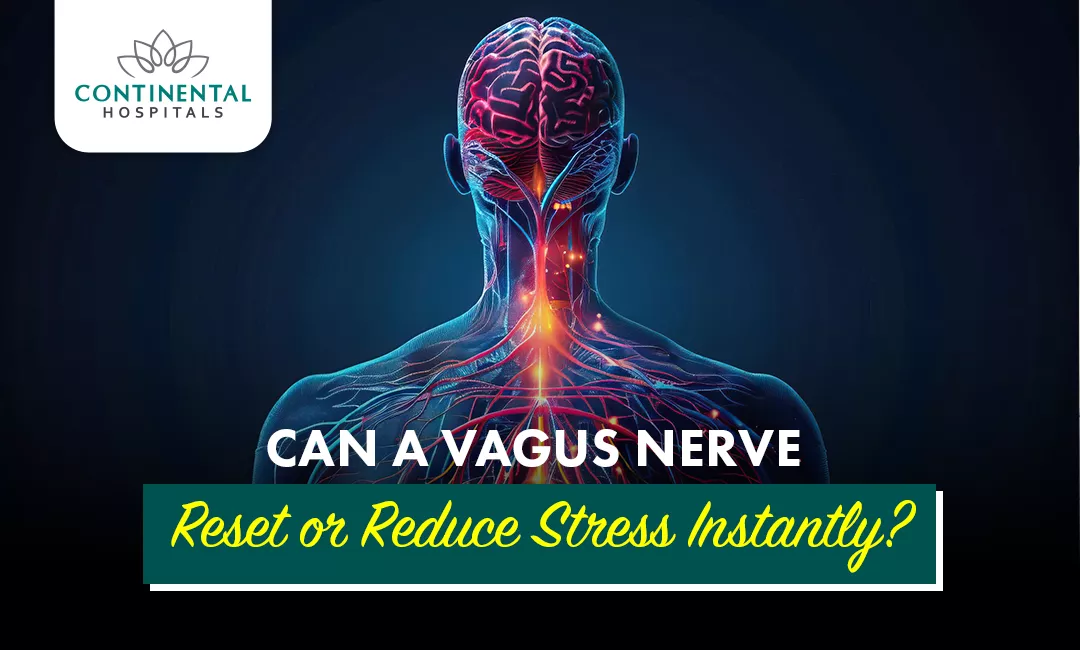
One aspect that has received increased attention is the vagus nerve, a powerful nerve that links the brain directly to the heart, lungs, and digestive system. The nerve is critical for controlling our rest and digest response. As a result, proper activation of the vagus nerve can have a powerful effect on slowing heart rate, enhancing breathing, decreasing anxiety, and helping to ease tension.

This is why people are increasingly turning to practices such as vagus nerve stimulation, vagus nerve breathing, and vagus nerve meditation to help manage stress. But does a vagus nerve reset actually reduce stress immediately? Let’s explore what is behind this phenomenon and the benefits it has to provide.

What Is the Vagus Nerve?

The vagus nerve is the longest cranial nerve in the body and plays a vital role in our parasympathetic nervous system. It helps control multiple functions, including:

  • Heart rate
  • Breathing
  • Digestion
  • Mood
  • Immune response
  • Blood pressure

When our bodies are in a state of stress, the nervous system engages in the fight or flight response, and proper activation of the vagus nerve can help to return you to a state of balance.

If you're experiencing symptoms related to vagus nerve dysfunction, stress, anxiety, or nervous system disorders, visit the Neurology Department at Continental Hospitals for expert evaluation and advanced care.

What Is a Vagus Nerve Reset?

The term vagus nerve reset is used for certain techniques or activities that are intended to stimulate and activate the vagus nerve naturally. These exercises may help with chronic stress, emotional stability, and overall health.

Vagus nerve exercises that are often recommended include the following:

  • Deep breathing exercises
  • Meditation
  • Exposure to cold water
  • Humming or chanting
  • Yoga
  • Gentle massage of the neck

These exercises may help the nervous system to quickly relax and the body to better handle stress.

Second Opinion

Does Vagus Nerve Stimulation Really Calm You Down Instantly?

Often, yes. Stimulating the vagus nerve can help with the following:

  • Slow down a quickly beating heart
  • Reduce anxiety symptoms
  • Improve breathing
  • Reduce levels of the stress hormone
  • Feel calmer

Keep in mind that the effect of these exercises varies. People may experience improvement immediately, while others may need to practice before feeling better.

What Are the Symptoms of Low Vagus Nerve Function?

A low vagal tone or low activity of the vagus nerve may worsen or cause several physical and emotional conditions, such as the following:

  • Chronic stress
  • Anxiety
  • Digestive complications
  • Fatigue
  • Rapid heartbeat
  • Difficulty sleeping
  • Mood swings
  • Inability to focus

If you’re experiencing these symptoms, it may be wise to consult a doctor.

What Causes Vagus Nerve Dysfunction?

Some of these include:

  • Chronic stress
  • Insomnia
  • Poor diet
  • Smoking
  • Overconsumption of alcohol
  • Diabetes
  • Infections
  • Trauma

Chronic stress is one of the most common causes of damage to the nervous system.

Which Groups Are More Susceptible to Stress-Induced Vagus Nerve Issues?

People in particular groups are more prone to it, such as:

Need an Appointment?

  • People with high-stress lifestyles
  • People with anxiety and/or depression
  • People with chronic illnesses
  • People with switch in poor sleep habits
  • People with obesity and/or diabetes

Lifestyle changes early on can improve the health of the vagus nerve and avoid complications.

How Is Vagus Nerve Dysfunction Diagnosed?

Assessment of the symptoms and past medical history and a physical examination can be done by your doctor. In some cases, the doctor may recommend the following:

  • Heart rate variability test
  • Any neurological tests
  • Blood tests
  • Any imaging studies

Proper diagnosis helps determine the underlying conditions and effectively guide the treating scheme.

What Are the Best Vagus Nerve Exercises for Stress?

Various natural ways can have an effect on the vagus nerve activation and relaxation.

What Is the Simple Vagus Nerve Breathing Exercise?

The simple vagus nerve breathing exercise involves slow, deep breathing:

  • Sit comfortably.
  • Breathe in slowly over 4 seconds via the nose.
  • Hold for 2 seconds.
  • Breathe out slowly for 6 seconds.
  • Continue doing that for 5–10 minutes.

This type of breathing for the vagus nerve could help calm the nervous system in a short amount of time.

Can Vagus Nerve Meditation Lower Anxiety?

Absolutely. Vagus nerve meditation can help to encourage emotional balance and lower stress levels. Vagal tone can potentially improve with consistent practice of mindfulness meditation, guided relaxation, and yoga-inspired breathing exercises.

What is the treatment for vagus nerve dysfunctions?

Treatment varies based on the underlying cause and the severity of symptoms.

Available options include:

  • Lifestyle changes
  • Therapy for stress management
  • Breathing and meditation
  • Exercise
  • Nutritional guidance
  • Medication for other conditions

In the case of severe medical conditions, more advanced vagus nerve stimulation devices can sometimes be employed under the guidance of a specialist.

How Can You Prevent Stress and Improve Vagus Nerve Health?

Healthy habits can help to maintain a balanced nervous system and help you to feel emotionally and physically better.

  • Lifestyle habits for a healthy vagus nerve
  • Practice deep breathing daily
  • Exercise every day
  • Sleep well
  • Eat well
  • Drink enough water
  • Sleep well
  • Limit caffeine and alcohol consumption
  • Meditate or practice mindfulness
  • Spend time outside

Consistency is key for effectiveness.

When Should You Consult a Doctor?

Consult a doctor when experiencing:

  • Ongoing or excessive stress or anxiety
  • Recurrent panic attacks
  • Severe and persistent fatigue
  • Digestive upset
  • Sleeping issues
  • Palpitations and dizziness

Early diagnosis and professional treatment are essential to avoid any complications and improve quality of life.

Why Choose Continental Hospitals for Vagus Nerve Dysfunction Treatment?

Continental Hospitals is a leader in providing comprehensive neurological and stress-related care with a patient-oriented approach.

Our core strengths include:

  • Board-certified neurologists & mental health practitioners
  • Advanced diagnostic technology
  • Integrated treatment approach
  • Customized care plans
  • JCI accreditation
  • NABH accreditation
  • Premier infrastructure
  • 24-hour emergency and critical care services
  • High standards of patient safety and care

Our specialists aim to identify the root cause of the condition and provide all-out treatment customized to each patient’s needs.

Conclusion

The vagus nerve is an important control center for stress, relaxation, and body balance. Vagus nerve breathing, meditation, and vagus nerve exercises to relax may relieve stress and improve emotional health. However, for some people, a vagus nerve reset does not happen instantly, but a regular practice can help to improve mental and physical health over time.

If you have any questions about vagus nerve dysfunction or help with stress, consult our best neurologist in Hyderabad at Continental Hospitals. Continental Hospitals provides the best diagnosis, treatment, and care.

Related Blog Topics:

Calm Fast: Vagus Nerve Hacks You Can Try Today

Frequently Asked Questions

The vagus nerve is one of the longest and most important nerves in the human body. It connects the brain to major organs such as the heart, lungs, and digestive system. The vagus nerve plays a key role in the parasympathetic nervous system, which helps the body relax after stress. Proper vagus nerve function can help slow the heart rate, improve digestion, and promote calmness. When activated, the vagus nerve helps reduce the body's fight-or-flight response. Poor vagal tone may contribute to anxiety, stress, digestive problems, and sleep disturbances. Many relaxation techniques focus on vagus nerve activation to support mental and physical health. Deep breathing, meditation, and cold exposure are common vagus nerve exercises. Improving vagus nerve health may support better emotional balance and resilience. Understanding the vagus nerve is important for managing stress naturally and effectively.
A vagus nerve reset may help reduce stress quickly in some individuals by activating the body’s relaxation response. Techniques such as deep breathing, humming, meditation, and cold water exposure can stimulate the vagus nerve. These practices may lower heart rate and promote a sense of calm within minutes. However, results vary from person to person depending on stress levels and overall health. A vagus nerve reset is not an instant cure for chronic anxiety or emotional disorders. Consistent vagus nerve exercises often provide better long-term benefits than one-time practices. Some people experience immediate relaxation, while others notice gradual improvement over time. Vagus nerve stimulation supports better nervous system regulation and emotional balance. Combining vagus nerve breathing exercises with healthy sleep and stress management habits may improve results. Consulting a healthcare professional is recommended if stress symptoms persist or worsen.
Several vagus nerve exercises may help reduce stress and promote relaxation naturally. Deep diaphragmatic breathing is one of the most effective methods for vagus nerve activation. Meditation and mindfulness practices can also calm the nervous system and improve emotional control. Humming, singing, and chanting may stimulate the vagus nerve through vocal cord vibrations. Gentle yoga and stretching exercises support better nervous system balance and relaxation. Splashing cold water on the face or taking a cold shower may activate the vagus nerve quickly. Regular physical activity and laughter may also improve vagal tone over time. Vagus nerve breathing exercises are commonly recommended for anxiety and stress management. Practicing these techniques consistently may support better sleep, mood, and focus. It is important to combine vagus nerve exercises with a healthy lifestyle for lasting stress relief.
Vagus nerve breathing helps activate the parasympathetic nervous system, which promotes relaxation and calmness. Slow and controlled breathing signals the brain that the body is safe and relaxed. This may help lower stress hormones such as cortisol and reduce anxiety symptoms. Deep breathing can also slow the heart rate and improve oxygen flow throughout the body. Many people practice vagus nerve breathing during stressful situations to feel calmer and more focused. Techniques such as box breathing and diaphragmatic breathing are commonly used for vagus nerve activation. Practicing breathing exercises regularly may improve emotional resilience and stress tolerance. Vagus nerve breathing may also support better sleep and digestion. These exercises are simple, safe, and easy to practice at home or work. Consistency is important for achieving long-term nervous system benefits.
Vagus nerve stimulation may help improve anxiety symptoms and support overall mental health in some individuals. The vagus nerve helps regulate the connection between the brain and the body’s stress response system. Proper vagus nerve function may promote relaxation, emotional stability, and better mood regulation. Non-invasive techniques such as meditation, deep breathing, and yoga may naturally stimulate the vagus nerve. In some medical cases, doctors may recommend clinical vagus nerve stimulation devices for certain neurological conditions. Research suggests that healthy vagal tone may support lower stress and improved emotional resilience. However, vagus nerve stimulation should not replace professional mental health treatment when needed. People with severe anxiety or depression should consult a healthcare professional for proper evaluation and care. Combining vagus nerve exercises with therapy, sleep, and healthy habits may provide better results. Long-term nervous system support often requires a consistent wellness approach.
Vagus nerve meditation may help reduce stress by calming the mind and activating the body’s relaxation response. Meditation encourages slow breathing and mindfulness, both of which support vagus nerve activation. Regular meditation may lower anxiety levels and improve emotional well-being over time. Many people practice guided meditation to reduce mental tension and improve focus. Vagus nerve meditation may also help regulate heart rate and improve sleep quality. Studies suggest that mindfulness practices can positively affect nervous system balance and stress recovery. Results may vary depending on consistency, technique, and individual stress levels. Meditation is most effective when practiced regularly rather than occasionally. Combining meditation with healthy lifestyle habits may provide better long-term stress management benefits. People experiencing severe emotional distress should seek professional medical or psychological support when necessary.
Poor vagus nerve function may affect several body systems because the vagus nerve connects the brain with important organs. Common symptoms may include chronic stress, anxiety, rapid heartbeat, digestive issues, and poor sleep quality. Some people may also experience dizziness, fatigue, or difficulty managing emotional stress. Low vagal tone may affect the body’s ability to relax after stressful situations. Digestive symptoms such as bloating, constipation, or acid reflux may sometimes be linked to vagus nerve dysfunction. Difficulty focusing and mood changes may also occur in some individuals. Lifestyle stress, lack of sleep, poor diet, and chronic illness may contribute to reduced vagus nerve activity. Practicing vagus nerve exercises may help support nervous system health naturally. However, persistent symptoms should be evaluated by a healthcare professional for accurate diagnosis and treatment. Early medical attention may help identify underlying health conditions affecting the nervous system.
You should consider seeing a doctor if stress becomes severe, persistent, or begins affecting your daily life and health. Symptoms such as panic attacks, chest pain, dizziness, sleep problems, or chronic anxiety require medical evaluation. Digestive issues, unexplained fatigue, and irregular heartbeat may also need professional assessment. While vagus nerve exercises may support relaxation, they are not a substitute for medical treatment when symptoms are serious. A healthcare professional can identify underlying causes of stress or nervous system dysfunction. Early diagnosis may help prevent complications related to mental and physical health. Doctors may recommend lifestyle changes, therapy, medication, or additional treatments based on individual needs. Seeking help is important if stress interferes with work, relationships, or overall well-being. Regular stress management practices combined with professional guidance may improve long-term health outcomes. Timely medical care can support better emotional balance and nervous system health.
Disclaimer: The information provided in this blog is intended for general knowledge and informational purposes only, and does not constitute medical advice. Always consult with a qualified healthcare professional for any medical concerns or before making any decisions about your health.

Get in Touch With Us

Whether you are from India or abroad, we are here to help you with your medical queries. Please fill out the form below and our team will connect with you shortly.

  • ✔ Quick response from our medical experts
  • ✔ Secure data handling & privacy
  • ✔ Easy upload for reports & documents
0 / 100
Checkboxes Section


Chat with our medical experts on WhatsApp for quick assistance and hassle-free appointment booking

Recent Posts
Language Based Image
0 / 100