post-title

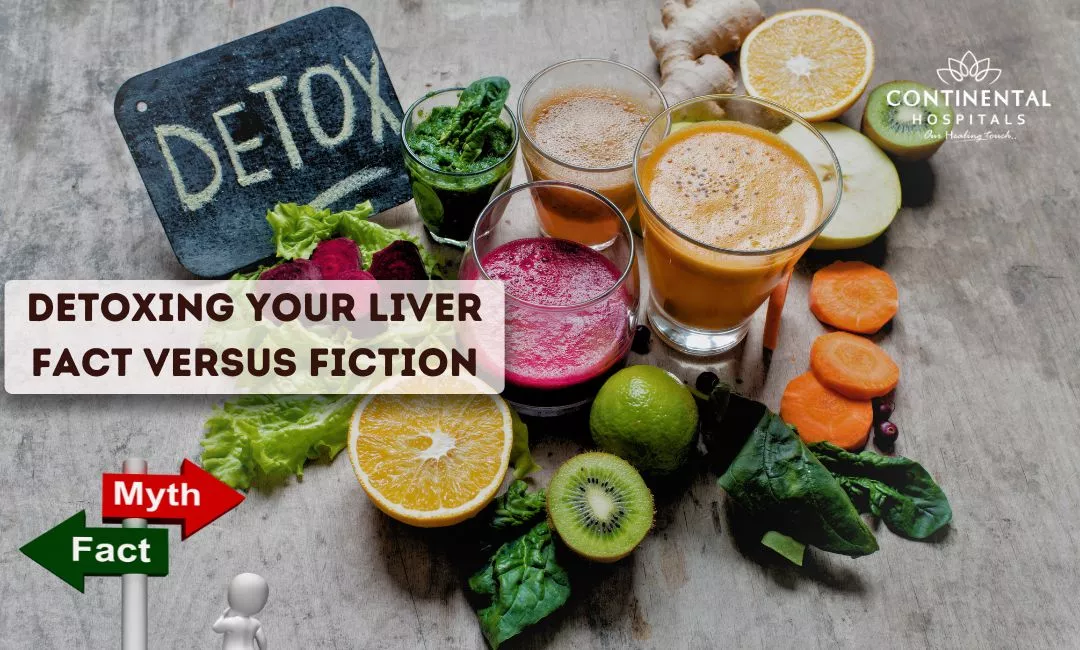
Detoxing your Liver fact versus fiction

Written by - Editorial Team
Medically Reviewed by - Dr Guru N Reddy

The concept of "detoxing" has surged in popularity, with many products and programs claiming to cleanse and rejuvenate the liver. While these promises sound appealing, it's crucial to distinguish fact from fiction to understand what truly benefits liver health. The liver is naturally equipped to detoxify the body without the need for special diets or supplements. Supporting liver health through a balanced diet, regular exercise, staying hydrated, and avoiding excessive alcohol and drugs is more effective than trendy detox regimens.

What Does the Liver Actually Do?

The liver is one of the most vital organs in the body, responsible for a multitude of essential functions:

Detoxification: The liver filters toxins from the blood, including alcohol, medications, and metabolic byproducts.
Metabolism: It plays a key role in metabolizing carbohydrates, fats, and proteins.
Storage: The liver stores vitamins and minerals, including iron and vitamin A.
Bile Production: It produces bile, which is crucial for digestion and absorption of fats.

Given these critical roles, maintaining liver health is paramount, but do we really need special detox regimens to keep it functioning well?

Is liver detox a myth?

The term "detox" often implies that our bodies are heavily burdened with toxins that require special intervention to be removed. However, the human body, particularly the liver, is naturally equipped to handle and eliminate toxins efficiently. Here are some common myths about liver detoxing and the facts that debunk them.

Myth 1: The Liver Needs Help to Detoxify
Fiction: Detox diets and supplements are necessary to cleanse the liver and rid it of toxins.

Fact: The liver has a built-in detoxification system. It processes toxins through a complex series of chemical reactions, converting them into less harmful substances that can be excreted from the body. Unless you have liver disease, your liver is capable of detoxifying without the need for special diets or supplements.

Myth 2: Detox Diets Can Repair Liver Damage
Fiction: A detox diet can reverse liver damage caused by alcohol or other toxins.

Fact: While a healthy diet can support liver health, there's no evidence that short-term detox diets can repair liver damage. Chronic liver damage, such as cirrhosis or fatty liver disease, requires medical treatment and long-term lifestyle changes, including reducing alcohol intake, losing weight, and managing underlying health conditions.

Second Opinion

Myth 3: Certain Foods and Supplements Have Special Detoxifying Powers
Fiction: Foods like lemon juice, garlic, and green tea, or supplements like milk thistle and turmeric, have special properties that detoxify the liver.

Fact: While some foods and supplements may support liver health, they do not have magical detoxifying properties. For example, milk thistle has been studied for its potential liver benefits, but the evidence is not strong enough to make definitive claims. A balanced diet rich in fruits, vegetables, whole grains, lean proteins, and healthy fats is the best way to support overall liver function.

What is the science behind liver health?

Rather than focusing on detox fads, it's more beneficial to understand the scientific basis of liver health. Here are some evidence-based practices to keep your liver healthy:

Maintain a Healthy Diet

A nutritious diet is crucial for liver health. Focus on:

Fruits and Vegetables: High in antioxidants and fiber, which help reduce liver inflammation and support digestion.
Whole Grains: Provide essential nutrients and help regulate blood sugar levels.
Lean Proteins: Such as fish, chicken, and plant-based proteins, which are easier on the liver than fatty meats.
Healthy Fats: Found in avocados, nuts, seeds, and olive oil, these fats are beneficial for liver health.

Stay Hydrated

Need an Appointment?

Water is essential for all bodily functions, including the liver’s detoxification processes. Drinking plenty of water helps flush toxins from the liver and kidneys.

Limit Alcohol and Avoid Drugs

Excessive alcohol consumption is a leading cause of liver damage. Moderation is key, and for those with liver concerns, abstinence might be necessary. Avoiding illicit drugs and being cautious with medications, including over-the-counter drugs, can also prevent liver strain.

Exercise Regularly

Regular physical activity helps maintain a healthy weight and reduces the risk of fatty liver disease. Aim for at least 150 minutes of moderate-intensity exercise per week.

Get Regular Medical Check-ups

Regular check-ups can help monitor liver health and detect any issues early. Blood tests can measure liver enzymes and other markers of liver function, providing important information about your liver’s health.

What are the most common liver health myths?

In addition to the detox myths, there are other misconceptions about liver health that are worth addressing:

Myth: Liver Disease Only Affects Heavy Drinkers
Fact: While heavy alcohol use is a significant risk factor for liver disease, it is not the only one. Non-alcoholic fatty liver disease (NAFLD) is a common condition linked to obesity, diabetes, and high cholesterol. Viral infections like hepatitis B and C, genetic disorders, and certain medications can also cause liver disease.

Myth: You Can Feel Liver Damage
Fact: The liver is known as a “silent” organ because it doesn’t show obvious symptoms until significant damage has occurred. Early stages of liver disease often go unnoticed. Regular health screenings are crucial for early detection.

Myth: Liver Cleanses are Harmless
Fact: Some liver cleanses and detox products can be harmful, especially those that include strong laxatives or diuretics. These can cause dehydration, electrolyte imbalances, and gastrointestinal issues. It’s important to approach any detox program with caution and to consult with a healthcare professional.

How Can You Support Your Liver Health Naturally?

Instead of focusing on detoxes, adopt habits that support your liver’s natural detoxification processes:

Balanced Diet: As mentioned earlier, a balanced diet rich in essential nutrients is crucial.
Regular Exercise: Supports overall health and helps prevent conditions that can lead to liver damage.
Adequate Sleep: The body’s repair processes, including those in the liver, are most active during sleep.
Avoid Toxins: Limit exposure to environmental toxins, such as chemicals in cleaning products, pesticides, and cigarette smoke.
Safe Practices: Avoid risky behaviors such as unprotected sex and sharing needles, which can expose you to hepatitis viruses.

Conclusion

The idea of detoxing the liver with special diets, cleanses, or supplements is largely based on myths rather than scientific evidence. The liver is a resilient organ that is naturally equipped to detoxify the body. The best way to support your liver is through a healthy lifestyle: eat a balanced diet, stay hydrated, exercise regularly, limit alcohol, avoid drugs, and get regular medical check-ups. By focusing on these evidence-based practices, you can keep your liver healthy and functioning optimally without the need for special detox regimens. Consult our best gastroenterologist in hyderabad at Continental Hospitals.

Related Blogs:

  1. Common Symptoms of Liver Diseases You Shouldn't Ignore

Frequently Asked Questions

In most healthy people, the liver does not need a special detox because it naturally removes toxins from the body every day. It works continuously to filter blood, process nutrients, break down medications, and eliminate waste products. The kidneys, digestive system, and lungs also play important roles in removing harmful substances. Commercial detox products often claim to cleanse the liver, but there is very little scientific evidence to support these claims. Instead of detox drinks or supplements, maintaining a healthy lifestyle is the best way to support liver function. Eating a balanced diet, staying hydrated, limiting alcohol, exercising regularly, and getting enough sleep help keep the liver healthy. People with liver disease should seek medical evaluation rather than relying on detox products. A doctor can recommend the right treatment based on the underlying condition.
Many detox drinks and herbal teas are marketed as liver cleansers, but scientific studies have not shown that they remove toxins or improve liver function in healthy individuals. Some ingredients may provide antioxidants, but they do not perform the liver's detoxification process. In some cases, certain herbal supplements may even cause liver injury if taken in large amounts or without medical supervision. A healthy liver already has efficient mechanisms to process toxins naturally. Drinking plenty of water, eating fruits, vegetables, whole grains, and lean proteins are safer ways to support liver health. It is important to be cautious about products that promise quick liver cleansing or rapid detoxification. If you have concerns about your liver, consult a healthcare professional for proper testing and guidance.
Yes, certain foods can support normal liver function as part of a healthy diet. Leafy green vegetables, berries, citrus fruits, whole grains, nuts, seeds, legumes, and healthy fats provide vitamins, minerals, antioxidants, and fiber that benefit overall health. Coffee has also been associated with a lower risk of some chronic liver diseases when consumed in moderation. These foods do not detox the liver directly but help reduce inflammation and support normal metabolic processes. Limiting processed foods, excess sugar, unhealthy fats, and alcohol is equally important. Maintaining a healthy body weight further reduces the risk of fatty liver disease. A balanced diet remains one of the most effective ways to protect liver health over time.
Staying well hydrated is essential for overall health, but drinking excessive amounts of water does not flush toxins directly from the liver. Water supports normal kidney function, digestion, and circulation, which all contribute to waste removal from the body. The liver processes toxins through complex biochemical pathways rather than by simply flushing them out. Drinking enough water each day helps maintain normal body functions and prevents dehydration. However, consuming extremely large amounts of water does not improve liver detoxification. A healthy diet, regular exercise, adequate sleep, and avoiding excessive alcohol have a much greater impact on liver health than drinking detox waters or excessive fluids. Balance is the key to supporting your liver.
There is no strong scientific evidence that fasting detoxifies the liver. While certain forms of intermittent fasting may have metabolic benefits for some people, they should not be considered liver cleansing methods. Extended fasting can lead to nutrient deficiencies, low energy levels, and may not be suitable for individuals with medical conditions. The liver requires adequate nutrients to perform its normal metabolic and detoxification functions efficiently. A balanced eating pattern with nutritious meals supports the liver better than extreme fasting or crash diets. Anyone considering fasting should discuss it with a healthcare professional, especially if they have diabetes, liver disease, or other chronic illnesses. Sustainable lifestyle habits provide better long-term liver health than short-term detox programs.
Many supplements claim to improve liver detoxification, but most lack strong clinical evidence to support these claims. Some supplements contain herbal ingredients such as milk thistle or turmeric, which are being studied for potential benefits, but results remain limited and inconsistent. Not all supplements are safe, and some may interact with medications or even cause liver damage. The quality and purity of dietary supplements can also vary significantly. Before taking any supplement for liver health, it is important to consult a healthcare provider. People with liver disease require proper diagnosis and evidence based treatment rather than self medication. Healthy eating, physical activity, and avoiding harmful substances remain the safest and most effective ways to support liver function.
The best way to keep your liver healthy is by following long-term healthy lifestyle habits. Eat a balanced diet rich in fruits, vegetables, whole grains, lean proteins, and healthy fats. Exercise regularly to maintain a healthy weight and reduce the risk of fatty liver disease. Limit alcohol consumption and avoid smoking or recreational drugs. Take medications only as prescribed and avoid unnecessary supplements. Get vaccinated against hepatitis A and hepatitis B if recommended. Practice safe hygiene and avoid sharing needles or personal items that may spread infections. Regular health checkups can help detect liver problems early. These proven measures offer far greater benefits than temporary detox products or cleanses.
You should see a doctor if you experience symptoms such as yellowing of the skin or eyes, persistent fatigue, abdominal pain, swelling, nausea, unexplained weight loss, dark urine, pale stools, or persistent itching. People with obesity, diabetes, high cholesterol, heavy alcohol use, or viral hepatitis are at higher risk for liver disease and may benefit from regular screening. Blood tests and imaging studies can help evaluate liver health and detect problems early. Early diagnosis allows timely treatment and can prevent serious complications. Avoid relying on detox products if symptoms are present. Seeking medical care is the safest and most effective way to protect your liver and overall health.
Disclaimer: The information provided in this blog is intended for general knowledge and informational purposes only, and does not constitute medical advice. Always consult with a qualified healthcare professional for any medical concerns or before making any decisions about your health.

Get in Touch With Us

Whether you are from India or abroad, we are here to help you with your medical queries. Please fill out the form below and our team will connect with you shortly.

  • ✔ Quick response from our medical experts
  • ✔ Secure data handling & privacy
  • ✔ Easy upload for reports & documents
banner_image

Chat with our medical experts on WhatsApp for quick assistance and hassle-free appointment booking

Recent Posts