.webp)

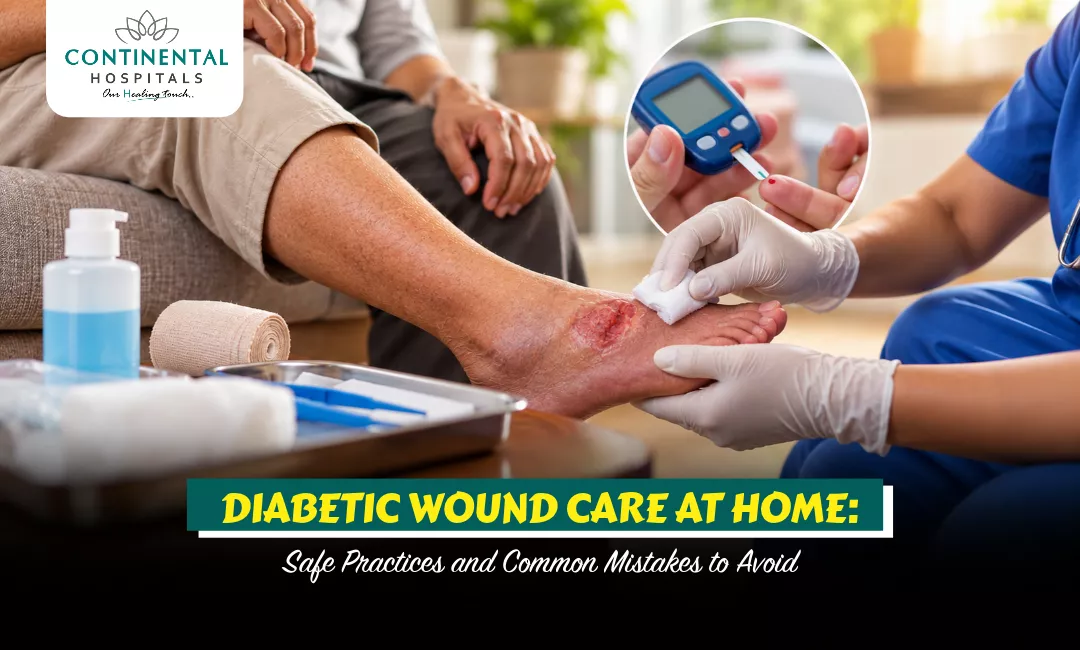
Diabetic wound management is essential to diabetes care. If a diabetic has a cut or sore in their foot or any other body part, diabetes will affect blood circulation and sensation in that area and make it less noticeable and slower to heal. They are at greater risk for having their small injury become a serious issue if it is not properly tended to with cleaning and proper monitoring procedures.
Can a small foot injury worsen in diabetes? Yes, unless it is treated properly, especially if the patient does not pay attention to this injury or if infection has appeared. A good diabetic foot care practice can help alleviate the burden from the skin and promote the healing process, but one should keep in mind that having the wound evaluated by the medical specialist is crucial in case it becomes deeper or infected or does not heal well.
How to Care for a Diabetic Wound at Home?
If you observe a minor injury in your feet and you are a diabetic patient, then you need to take some basic steps as a part of wound management.
1. Is Cleaning of the Wound Required?
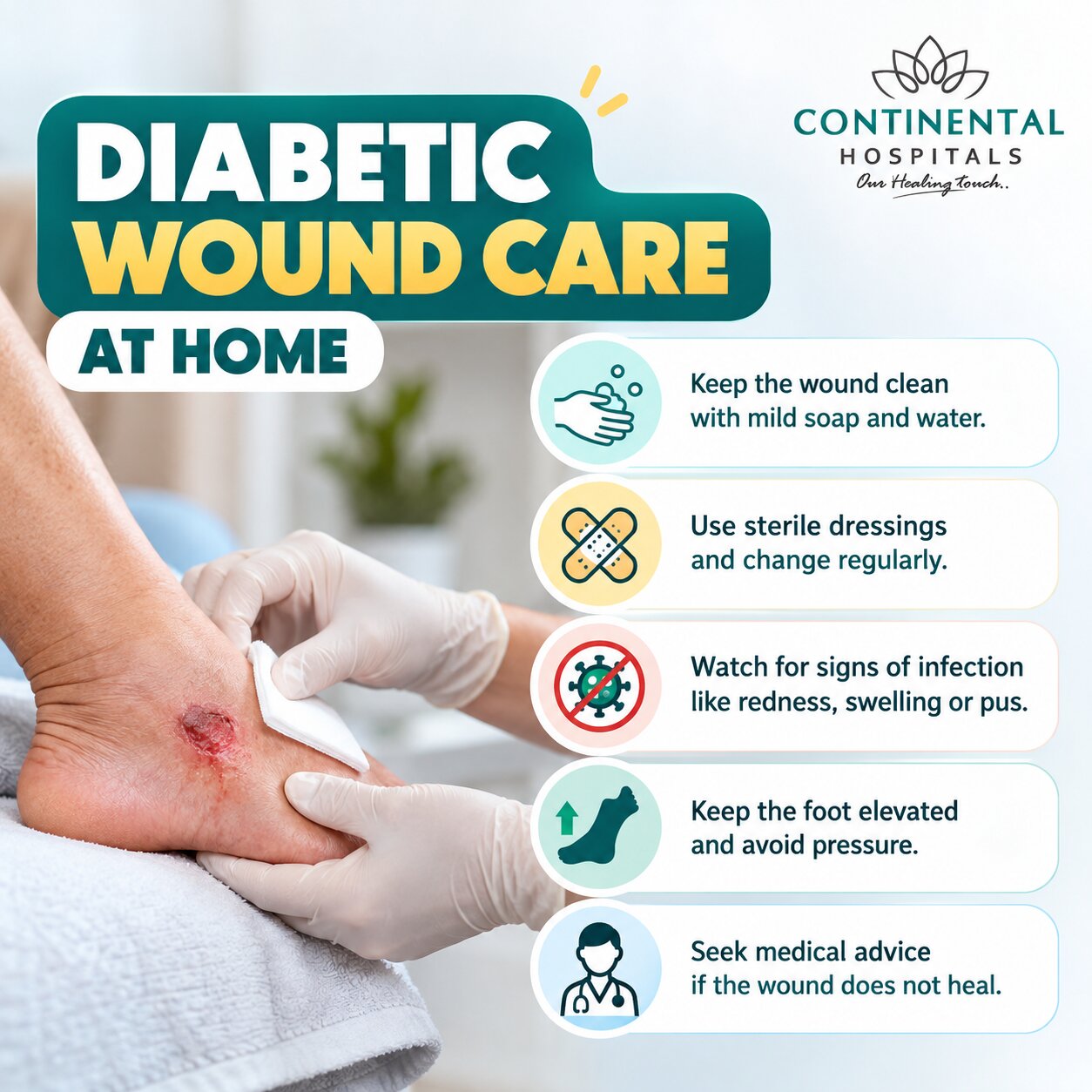
Yes. Cleanse the wound by soft washing. Do not rub hard, as it can damage the skin.
After the cleaning,
- Pat the area dry with a clean towel.
- Do not rub the injured area.
- Keep the skin around the area clean/dry.
- Use only the medicines and dressings approved by the physician.
2. Should One Inspect the Foot Regularly?
Yes. Daily foot care is very vital because diabetes affects the sensation in the feet. You may not feel the injury on time.
Look for the signs:
- Cuts/creases
- Blisters
- Redness/swelling
- Change in skin color
- Corns/calluses
- Drainage/moisture
- Tender spots and pains
Be sure to also check between the toes and the bottom of the feet.

3. What Methods Can You Use to Protect a Wound?
Can dressing the wound improve diabetic wound management? A proper dressing will keep the wound free from dust and dirt, friction, and other injuries. Apply a dressing according to the instructions given by the healthcare worker.
Stop yourself from wandering around barefooted. Choose comfortable and properly fitting footwear, which won't rub the wound improperly.
Visit the Diabetology Department at Continental Hospitals, Hyderabad, for comprehensive diabetes and diabetic wound care.
What Mistakes Can Be Made in Diabetic Wound Management?
Can an average home medicine worsen the patient's condition? It can. Effective treatment must be given to the patient as quickly as possible.
Avoid the following:
- A minor wound won't require treatment.
- I can walk barefoot.
- It's ok to cut corns and calluses.
- The wound won't need any aggressive treatment.
- I can take antibiotics to speed the healing process.
- The wound doesn't need to be repaired.
- I can wear shoes that put pressure on the wound.
- I can visit a doctor only if my situation worsens.
What are the symptoms of diabetic foot infection?
When can a victim know when to seek treatment for a wound? Certain changes indicate the possibility of having a diabetic foot infection. Keep an eye out for:
- Redness or swelling that is getting worse
- Warmth around the wound
- Discharge from the wound
- Foul smell coming from the wound
- Pain or sensitivity increasing
- Darkening of skin
- Presence of chills
- Wound that is not healing
- Redness spreading into neighboring areas
How Can Diabetic Wound Healing Be Supported?
Can controlling blood sugar influence diabetic wound healing? Yes. Managing blood levels in the desirable limits set by the doctor is very important in the general management of wound care in diabetic patients.
Other possible measures include:
- Stick to prescribed treatment for diabetes.
- Maintain a detox diet as pointed out by the health care provider.
- Engage in physical activities as prescribed by the physician.
- Quit smoking immediately.
- Keep feet clean and moist, but do not apply moisturizer between the toes.
- Have medical check-ups regularly.
- Check shoes frequently for rough objects and places.
When should you consult a doctor about a diabetic wound?
When does home treatment cease to be sufficient? If a wound is deep, painful, becomes infected, constantly reopens, or fails to heal, it should be examined by a medical professional.
Timing is of the essence when noticing signs such as:
- A wound that is particularly deep
- Exposed muscle
- Swelling or reddening
- Signs of infection
- Black or discolored area
- Feeling loss around the infected area
- Wounds that are taking too long to heal
Taking action to treat diabetic wounds quickly may reduce complications and enhance diabetic foot health.
Which hospital to choose for the treatment of diabetic wounds?
What is the importance of specialized treatment in the case of diabetic wounds? There are various factors involved in diabetic wounds, like control of blood sugar levels, circulation issues, nerve problems, and also infection and healing. Because of this, special treatment may be required.
Continental Hospital in Hyderabad is an advanced medical facility with experienced doctors, a modern diagnostic facility, and qualified multidisciplinary specialists. Continental Hospital has received Joint Commission International (JCI) and National Accreditation Board for Hospitals and Healthcare Providers (NABH) accreditations, which means that the hospital offers the best in healthcare and in terms of the treatment provided.
What is essential to keep in mind regarding caring for wounds in a diabetic?
1. Observe your feet daily.
2. Clean the wounds carefully and cover them.
3. Never take small cuts and blisters lightly.
4. Refrain from walking barefoot as a practice.
5. Skip home remedies that lack credibility in their use.
6. Scrutinize the signs of any infection carefully.
7. Stick to your diabetes plan.
8. Seek medical help if your wound worsens or does not heal.
Conclusion
Can proper diabetic wound care at home help protect your feet? Yes, careful daily foot checks, appropriate wound cleaning, protective dressings, suitable footwear, and good diabetes management can support overall diabetic foot health. However, home care should not delay professional treatment when a wound is infected, deep, worsening, or slow to heal.
If you suffer from a diabetic foot ulcer, diabetic foot infection, persistent wound, or difficulty with diabetic wound healing, consult our best diabetologist in Hyderabad at Continental Hospitals, Hyderabad for proper evaluation, diabetic wound treatment, and personalized care.
Related Blogs: