post-title

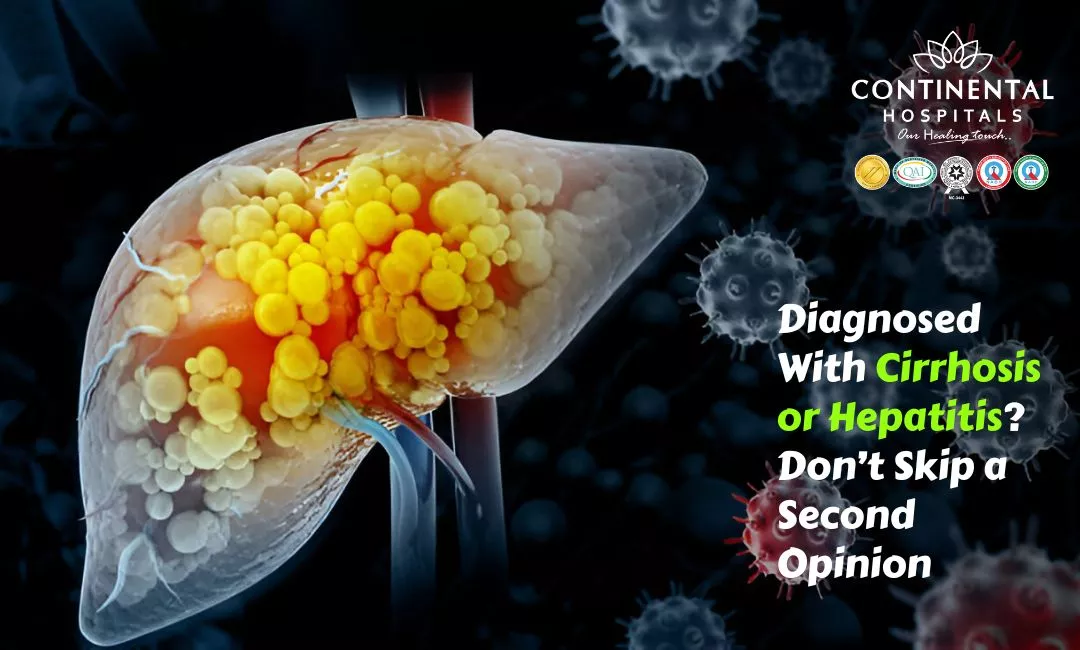
Diagnosed With Cirrhosis or Hepatitis? Don’t Skip a Second Opinion

Written by - Editorial Team
Medically Reviewed by - Dr Guru N Reddy

If you’ve recently been diagnosed with cirrhosis or hepatitis, it’s natural to feel overwhelmed. These conditions affect the liver, a vital organ responsible for detoxifying your body, aiding digestion, and supporting overall health. Getting a clear, accurate diagnosis is just the first step. What follows can be complex, with many treatment options and lifestyle changes to consider. That’s why seeking a second opinion is crucial before moving forward.

Here’s the thing: liver diseases like cirrhosis and hepatitis can have varying causes, stages, and complications. A second opinion offers you a fresh perspective, confirming the diagnosis and ensuring your treatment plan fits your unique situation. It’s not about doubting your first doctor but about making sure you have the best information and care possible.

Why is a second opinion important for cirrhosis or hepatitis?

Cirrhosis means scarring of the liver tissue, often resulting from long-term damage caused by hepatitis, alcohol use, or other liver diseases. Hepatitis, on the other hand, refers to inflammation of the liver, commonly caused by viral infections or autoimmune issues. Both conditions can be serious and require timely, accurate management.

A second opinion can:

  • Confirm the diagnosis and the stage of your liver condition
  • Offer alternative treatment options that may better suit your health
  • Provide access to specialists with deeper experience in liver diseases
  • Help you avoid unnecessary procedures or treatments
  • Give you peace of mind to move forward confidently

Liver conditions can sometimes be tricky to diagnose precisely. For example, the cause of hepatitis might be unclear or the extent of cirrhosis underestimated. Missteps here can delay effective treatment or cause avoidable complications.

Concerned about your liver or digestive health? Visit our gastroenterology specialist doctors and consult our expert specialists for a comprehensive diagnosis and advanced treatment.

What to expect when seeking a second opinion for cirrhosis or hepatitis?

When you visit a different specialist for a second opinion, they will review your medical history, lab reports, imaging scans, and biopsy results if available. They might suggest additional tests or recommend specific treatments tailored to your condition.

A thorough evaluation covers:

  • Type of hepatitis (A, B, C, autoimmune, or other)
  • Extent of liver damage or cirrhosis
  • Presence of complications like portal hypertension or liver cancer risk
  • Possible lifestyle factors influencing your liver health

You can expect honest and clear communication about your condition and treatment choices. This discussion will help you make informed decisions about medications, lifestyle adjustments, monitoring plans, or surgery if needed.

Second Opinion

Why should I choose Continental Hospitals for a second opinion?

Continental Hospitals offers comprehensive liver care backed by a team of experienced hepatologists and gastroenterologists. Here’s what sets us apart:

  • Access to advanced diagnostic tools and imaging technology
  • Multidisciplinary teams focused on personalized liver disease management
  • Experienced specialists who handle complex liver cases every day
  • Integrated care including diet, lifestyle counseling, and follow-up support
  • A patient-centered approach that respects your concerns and choices

Choosing Continental Hospitals means you get a clear picture of your health and a roadmap to better liver function and quality of life. We believe every patient deserves a thorough evaluation before starting or changing treatment.

What is cirrhosis and hepatitis?

Both cirrhosis and hepatitis affect the liver’s ability to function. But they represent different stages or types of liver problems. Hepatitis is often the initial inflammation caused by infection or other triggers. Without proper management, this inflammation can progress to cirrhosis, where healthy liver tissue is replaced by scar tissue. This scarring disrupts liver functions and can lead to serious complications.

Cirrhosis symptoms might include fatigue, swelling in the legs or abdomen, jaundice (yellowing of the skin and eyes), and easy bruising. Hepatitis symptoms vary but can include nausea, abdominal pain, and jaundice as well.

Early diagnosis and treatment can slow or even halt progression. This is why confirming your diagnosis and treatment plan through a second opinion is vital.

What are the common treatment options for cirrhosis and hepatitis?

Treatment depends on the cause and severity of your liver disease. For hepatitis, antiviral drugs might be prescribed to clear the infection or reduce inflammation. In autoimmune hepatitis, medications to suppress the immune system may be needed.

Cirrhosis treatment focuses on managing symptoms, preventing complications, and slowing damage. Lifestyle changes like avoiding alcohol, eating a liver-friendly diet, and controlling underlying conditions like diabetes are important.

Need an Appointment?

In advanced cases, liver transplantation might be discussed. A second opinion can help you understand if transplantation is necessary or if other treatments can be effective.

How to Prepare for a Second Opinion for Cirrhosis or Hepatitis?

Bring all relevant medical documents to your appointment. This includes test results, imaging scans, biopsy reports, and your current treatment details. Prepare a list of questions and concerns so you can make the most of your visit.

Don’t hesitate to share your lifestyle habits, symptoms, and what worries you most about your diagnosis. The specialist will use this information to tailor advice and care.

When should I get a second opinion for cirrhosis or hepatitis?

If you feel uncertain about your diagnosis or treatment, a second opinion can clarify your options. It’s especially important if:

  • Your diagnosis is cirrhosis or hepatitis, and you want confirmation
  • You’ve been advised a treatment that feels drastic or unclear
  • You want to explore all possible therapies before making decisions
  • You are facing liver transplantation as an option
  • You experience worsening symptoms despite treatment

Second opinions empower you to be an active participant in your care. It reduces anxiety and increases confidence that you’re on the right path.

How can I live a healthy life with liver disease?

Managing liver disease involves more than medication. It requires attention to diet, exercise, and avoiding harmful substances. At Continental Hospitals, we emphasize a holistic approach, providing guidance on nutrition and lifestyle tailored to your condition.

Regular follow-ups and monitoring are key to catching any changes early. A good care team will work with you long-term to maintain your health and prevent complications.

Conclusion

If you’ve been diagnosed with cirrhosis or hepatitis, don’t settle for uncertainty. A second opinion is a valuable step toward understanding your condition fully and choosing the best treatment. It’s about your health, your future, and your peace of mind.

At Continental Hospitals, our liver specialists are ready to provide you with expert care and a clear treatment plan designed around your needs. Don’t wait to get the confidence you deserve in your diagnosis and treatment.

If you suffer from cirrhosis or hepatitis, schedule a consultation with one of our best gastroenterologist in hyderabad today. Taking control of your liver health starts with the right information and the right care team.

Related Blogs:

  1. Cirrhosis of the Liver: Stages, Symptoms, Causes and Treatment Guide
  2. Silent Liver Damage: The Hidden Danger of Hepatitis

Frequently Asked Questions

Receiving a diagnosis of cirrhosis or hepatitis can be overwhelming, and a second opinion helps confirm the accuracy of the diagnosis. Liver diseases often require detailed evaluation, including blood tests, imaging, and sometimes a liver biopsy. Another liver specialist may identify the exact cause of the disease or recommend additional tests that provide more clarity. A second opinion can also help determine the stage of liver damage and whether the current treatment plan is appropriate. In some cases, newer medications or advanced treatment options may be available. It also allows patients to better understand their condition, expected outcomes, and lifestyle changes. Seeking another expert's opinion is a standard medical practice and should not be viewed as a lack of trust. It empowers patients to make informed decisions with confidence. Early and accurate treatment can help slow disease progression and improve long-term liver health.
Yes, a second opinion can sometimes change or refine your diagnosis. Liver diseases may have similar symptoms but different underlying causes, such as viral infections, fatty liver disease, autoimmune disorders, alcohol-related liver disease, or genetic conditions. An experienced gastroenterologist or hepatologist may recommend additional blood tests, imaging studies, FibroScan, or biopsy to better understand the condition. In some cases, what appears to be advanced liver disease may actually be a reversible or treatable condition. Even when the diagnosis remains the same, the disease stage may be assessed differently. This can influence treatment recommendations, monitoring frequency, and long-term management. A second opinion ensures that no important detail is overlooked and helps patients receive the most appropriate care based on current medical guidelines.
To make your second opinion consultation as productive as possible, bring all relevant medical records. This includes previous consultation notes, blood test reports, liver function tests, viral hepatitis reports, ultrasound, CT scan, MRI, FibroScan, and liver biopsy reports if available. Carry a list of all medications, supplements, and herbal products you currently take. It is also helpful to share your complete medical history, including alcohol use, family history of liver disease, and any existing health conditions such as diabetes or obesity. If you have experienced symptoms like jaundice, abdominal swelling, fatigue, or confusion, mention them clearly. Providing complete information allows the specialist to accurately review your case and recommend the most suitable treatment plan.
The possibility of reversing cirrhosis depends on the stage and underlying cause of the disease. Early-stage liver scarring may improve if the cause is identified and treated promptly. For example, antiviral treatment for hepatitis, stopping alcohol consumption, weight loss for fatty liver disease, or treating autoimmune liver disorders can help prevent further damage. Advanced cirrhosis usually cannot be completely reversed, but its progression can often be slowed with proper medical care. Regular monitoring helps detect complications early and improves treatment outcomes. Lifestyle modifications, prescribed medications, vaccinations, and nutritional support all play important roles in managing the disease. In severe cases, liver transplantation may be considered. A liver specialist can determine the best treatment strategy based on individual patient needs.
Hepatitis refers to inflammation of the liver, while cirrhosis is permanent scarring of the liver caused by long-term damage. Hepatitis may result from viral infections such as hepatitis B or C, alcohol use, fatty liver disease, autoimmune conditions, or certain medications. If left untreated, chronic hepatitis can gradually damage liver tissue and eventually lead to cirrhosis. However, not everyone with hepatitis develops cirrhosis, especially when the condition is diagnosed early and treated effectively. Cirrhosis affects the liver's ability to perform essential functions, increasing the risk of complications such as fluid buildup, bleeding, infections, and liver cancer. Understanding the difference helps patients appreciate the importance of early diagnosis, regular monitoring, and timely treatment.
People with cirrhosis or hepatitis should seek immediate medical care if they develop severe abdominal pain, vomiting blood, black stools, confusion, extreme drowsiness, high fever, yellowing of the eyes that worsens rapidly, difficulty breathing, or significant abdominal swelling. These symptoms may indicate serious complications such as internal bleeding, liver failure, infection, or hepatic encephalopathy. Prompt treatment can prevent life-threatening consequences and improve recovery. Patients should also report sudden weight gain, swelling in the legs, or reduced urine output. Regular follow-up appointments help identify complications before they become emergencies. Never ignore new or worsening symptoms, as early intervention can significantly improve outcomes.
Lifestyle modifications play a major role in protecting liver health and slowing disease progression. Patients should completely avoid alcohol, as it can accelerate liver damage. Eating a balanced diet rich in fruits, vegetables, whole grains, and lean proteins supports overall health. Maintaining a healthy weight helps reduce liver fat and inflammation, particularly in fatty liver disease. Regular physical activity, adequate hydration, and sufficient sleep also contribute to better health. Patients should avoid self-medicating with over-the-counter drugs or herbal supplements without consulting their doctor, as some products can harm the liver. Staying up to date with vaccinations, including hepatitis A, hepatitis B, and influenza when appropriate, may also be recommended. Regular follow-up visits allow doctors to monitor liver function and adjust treatment when necessary.
Continental Hospitals offers comprehensive evaluation and advanced care for patients with liver diseases, including cirrhosis and hepatitis. The hospital's experienced gastroenterologists and liver specialists carefully review previous diagnoses, imaging studies, laboratory reports, and treatment plans before recommending the most appropriate course of action. Patients benefit from advanced diagnostic technologies, multidisciplinary care, and evidence-based treatment approaches tailored to their condition. The team focuses on identifying the underlying cause of liver disease, preventing complications, and improving long-term liver health. Whether you require medical management, endoscopic procedures, ongoing monitoring, or evaluation for advanced therapies, the specialists provide personalized guidance at every stage. Seeking a second opinion at Continental Hospitals can provide reassurance, greater clarity, and confidence in your treatment decisions.
Disclaimer: The information provided in this blog is intended for general knowledge and informational purposes only, and does not constitute medical advice. Always consult with a qualified healthcare professional for any medical concerns or before making any decisions about your health.

Get in Touch With Us

Whether you are from India or abroad, we are here to help you with your medical queries. Please fill out the form below and our team will connect with you shortly.

  • ✔ Quick response from our medical experts
  • ✔ Secure data handling & privacy
  • ✔ Easy upload for reports & documents
banner_image

Chat with our medical experts on WhatsApp for quick assistance and hassle-free appointment booking

Recent Posts