post-title

Does This Vitamin Cause Memory Loss?

Written by - Editorial Team
Medically Reviewed by - Continental Hospitals

Vitamins play a vital role in keeping our bodies and brains healthy. From supporting energy levels to protecting against illnesses, these nutrients are essential for daily life. However, questions often arise about whether certain vitamins can harm memory or even contribute to memory loss. Memory problems can be worrying, especially when they affect daily life, so it is natural to wonder: does a vitamin really cause memory loss?

What vitamins are linked to memory loss?

The brain relies on a steady supply of vitamins and minerals to function properly. When the body does not get enough of these nutrients, the nervous system and memory functions may suffer. In some cases, people blame supplements or high doses of certain vitamins for memory issues. But the reality is slightly more complex.

Memory loss is rarely caused by a single vitamin. Instead, it can result from vitamin deficiencies, imbalances, or excessive intake of certain vitamins. To understand this better, let’s look at how specific vitamins are connected to brain health and memory.

Visit our Best Neurologist in Hyderabad at Continental Hospitals, Gachibowli, Hyderabad, for expert evaluation, early diagnosis, and advanced care for memory concerns and neurological conditions. Take the first step toward better brain health today.
Which vitamins are good for brain health?

Vitamin B12

Vitamin B12 is one of the most important nutrients for brain function. It helps in the production of healthy nerve cells and supports the development of neurotransmitters that are essential for memory and concentration.

Low levels of Vitamin B12 can lead to confusion, forgetfulness, and even symptoms resembling dementia.

Deficiency is often found in older adults, people with digestive disorders, or those who follow restrictive diets.

Vitamin D

Vitamin D is known as the sunshine vitamin. It is vital for bone health, but it also plays an important role in mood and memory.

Second Opinion

Studies suggest that low Vitamin D levels are linked with memory decline and a higher risk of cognitive problems.

However, taking too much Vitamin D through supplements can also cause side effects, though memory loss is not usually one of them.

Vitamin E

Vitamin E is a powerful antioxidant that helps protect brain cells from damage.

Research shows that adequate levels of Vitamin E may slow age-related memory decline.

Taking excessive Vitamin E supplements, however, can be harmful to overall health.

Vitamin B6 and Folate

Both Vitamin B6 and folate are involved in producing neurotransmitters and maintaining proper brain chemistry.

A lack of these vitamins can affect concentration, mood, and mental clarity.

Need an Appointment?

Balanced intake supports better memory and cognitive performance.

Can Too Many Vitamins Affect Memory?

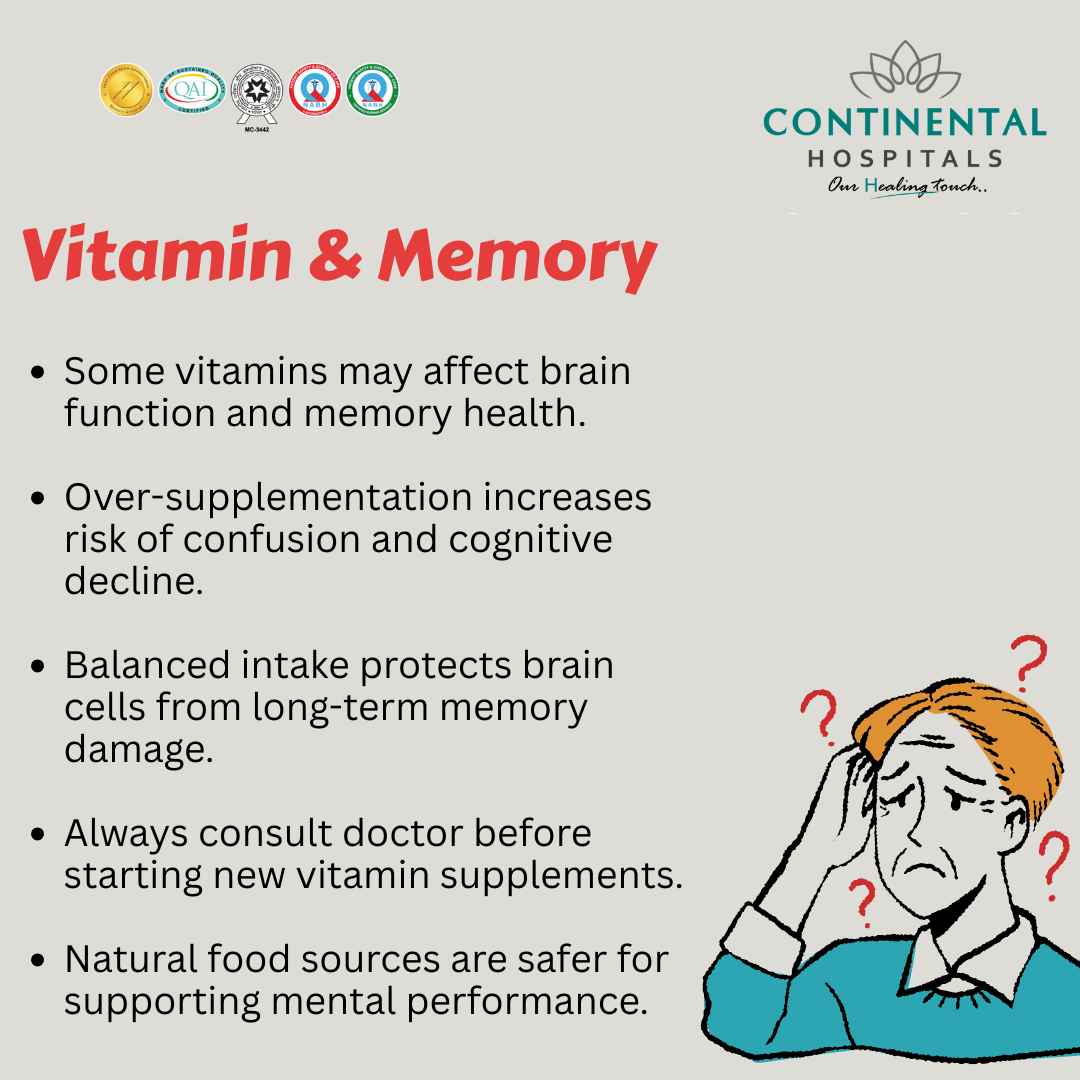
While deficiencies are well known to affect memory, excessive intake of supplements may also cause health problems. For example, extremely high doses of Vitamin B6 over a long time can damage the nervous system, which may indirectly affect memory. Similarly, excess Vitamin A can lead to headaches and confusion.

The key takeaway? Balanced nutrition is crucial. Taking supplements without medical advice may do more harm than good. If you are worried about memory problems, it is better to check with a qualified doctor before changing your vitamin routine.

What are the other causes of memory loss?

It is important to note that vitamins are only one part of the bigger picture. Memory loss can be caused by several other factors, including:

Neurological conditions like dementia or Alzheimer’s disease

This is why a medical evaluation is necessary to identify the real reason behind memory concerns.

How can nutrition help improve memory?

  • Eat a balanced diet rich in fruits, vegetables, whole grains, lean proteins, and healthy fats.
  • Include foods high in vitamin B12, such as fish, eggs, and dairy.
  • Get safe sun exposure to maintain vitamin D levels.
  • Add nuts, seeds, and leafy greens to your meals for vitamin E and folate.
  • Stay hydrated, as dehydration can also cause confusion and forgetfulness.

Does Taking a Multivitamin Help?

Multivitamins are often marketed as solutions for better memory, but their effectiveness varies. For most healthy adults, a well-balanced diet is usually enough to meet nutritional needs. Supplements may be necessary for people with deficiencies, restricted diets, or specific medical conditions. Always consult a doctor before starting supplements to ensure safe use.

Why Choose Continental Hospitals for Memory and Neurology Care?

Continental Hospitals in Hyderabad is a trusted name in healthcare with a strong focus on patient-centered care. The hospital is internationally accredited and follows strict global standards of safety and quality. With state-of-the-art diagnostic facilities and advanced treatment options, patients receive comprehensive care under one roof.

At Continental Hospitals, highly skilled neurologists, dietitians, and multidisciplinary specialists work together to diagnose and manage memory-related issues. The hospital is equipped to conduct detailed evaluations, identify vitamin deficiencies, and design personalized treatment plans. Patients also benefit from the hospital’s world-class infrastructure, compassionate staff, and commitment to excellence in clinical outcomes.

Could a Vitamin Deficiency Be Causing My Memory Loss?

If you or a loved one are experiencing frequent forgetfulness, confusion, or memory decline, do not ignore the symptoms. These signs may not always mean something serious, but they do require medical attention. Identifying vitamin deficiencies or neurological conditions early can make a big difference in treatment outcomes.

Conclusion

So, does a vitamin cause memory loss? The answer is not straightforward. While certain vitamin deficiencies, especially Vitamin B12, can contribute to forgetfulness and confusion, memory loss is rarely due to vitamins alone. A balanced diet, healthy lifestyle, and medical guidance are the best ways to protect your brain and memory.

Book your appointment today with our Best Neurologist in Hyderabad and Internal Medicine Specialists at Continental Hospitals, Gachibowli, Hyderabad, and take the first step towards better memory and a healthier future.


Frequently Asked Questions

Yes, certain vitamin deficiencies can contribute to memory problems and difficulty concentrating. Vitamin B12 deficiency is one of the most common nutritional causes of cognitive decline because it is essential for healthy nerve function and brain cell communication. Low levels of vitamins such as B1, B6, D, and folate may also affect brain performance in some individuals. Memory issues caused by vitamin deficiency often develop gradually and may be accompanied by fatigue, numbness, mood changes, or poor balance. Older adults, vegetarians, people with digestive disorders, and those taking certain medications are at higher risk. Early diagnosis through blood tests and proper treatment can often improve symptoms. However, not every case of memory loss is related to vitamins. Conditions such as dementia, thyroid disorders, depression, infections, or neurological diseases should also be evaluated by a healthcare professional.
Vitamin B12 deficiency is the vitamin deficiency most strongly associated with memory loss and cognitive impairment. This vitamin plays a vital role in maintaining healthy nerve cells and producing DNA and red blood cells. When B12 levels become too low, nerve damage may occur, leading to forgetfulness, confusion, poor concentration, and slower thinking. Symptoms can also include tingling in the hands and feet, weakness, fatigue, and difficulty walking. Older adults, strict vegetarians, vegans, and people with stomach or intestinal disorders are more likely to develop B12 deficiency. Certain medications such as metformin and acid-reducing drugs may also lower B12 absorption. Prompt diagnosis and treatment can often reverse symptoms if addressed early. Delayed treatment, however, may result in permanent neurological damage.
While vitamin deficiencies are more commonly associated with memory problems, excessive intake of certain vitamins can also affect overall health. Fat-soluble vitamins such as A, D, E, and K can accumulate in the body when taken in very high doses. Excessive vitamin A intake may lead to headaches, dizziness, irritability, and confusion in severe cases. High doses of supplements without medical supervision may also interfere with the balance of other nutrients. However, vitamin toxicity is a much less common cause of memory problems than vitamin deficiency. It is important not to self-medicate with large doses of supplements. Blood tests and medical evaluation help determine whether supplementation is truly necessary. Always follow the recommended dosage advised by your healthcare provider.
Memory loss related to vitamin deficiency often develops slowly and may be accompanied by several other symptoms. These can include persistent fatigue, weakness, numbness or tingling in the hands and feet, poor balance, mood changes, irritability, depression, and difficulty concentrating. Some individuals may experience confusion, slower thinking, or trouble finding the right words. Vitamin B12 deficiency can also affect coordination and walking. If memory problems occur along with these symptoms, medical evaluation is important. Blood tests can identify vitamin deficiencies before permanent nerve damage develops. Early treatment often improves both neurological symptoms and memory. If symptoms worsen rapidly or interfere with daily activities, immediate medical attention is recommended to rule out other serious conditions.
Vitamin supplements can improve memory only when the symptoms are caused by a confirmed vitamin deficiency. For example, treating vitamin B12 deficiency with appropriate supplements or injections may significantly improve memory, concentration, and nerve function. However, taking vitamins without an identified deficiency is unlikely to enhance memory or prevent dementia. Scientific studies do not support routine use of vitamin supplements for improving cognitive function in healthy individuals. A balanced diet, regular exercise, adequate sleep, stress management, and controlling chronic conditions are equally important for brain health. Before starting any supplement, it is best to consult a healthcare provider and undergo appropriate blood testing. Personalized treatment is more effective than self-prescribing over-the-counter vitamins.
Several groups are more vulnerable to vitamin deficiencies that may affect memory. Older adults often absorb vitamin B12 less efficiently due to age-related changes in the stomach. Vegetarians and vegans may not consume enough natural sources of vitamin B12. Individuals with Crohn's disease, celiac disease, gastric surgery, or other digestive disorders may have reduced nutrient absorption. Long-term use of medications such as metformin or proton pump inhibitors can also increase the risk. People with poor diets, chronic alcohol use, or severe nutritional deficiencies are more likely to develop cognitive symptoms. Regular health checkups and blood tests can help detect deficiencies before significant neurological complications occur. Early diagnosis supports better long-term brain health.
Doctors begin by reviewing your medical history, current medications, diet, and symptoms. A physical examination helps identify neurological signs such as numbness, poor balance, or weakness. Blood tests are commonly performed to measure vitamin B12, folate, vitamin D, and other nutritional markers. Additional tests may evaluate thyroid function, blood sugar, anemia, liver function, or kidney health because these conditions can also affect memory. Cognitive assessments may be recommended to measure attention, memory, and thinking skills. If necessary, brain imaging or referral to a neurologist may be advised to rule out stroke, dementia, or other neurological disorders. Identifying the exact cause ensures appropriate treatment rather than relying on unnecessary supplements.
You should consult a doctor if memory loss becomes frequent, worsens over time, or begins affecting daily activities such as work, driving, managing finances, or remembering appointments. Medical evaluation is especially important if memory changes are accompanied by confusion, personality changes, weakness, speech difficulty, numbness, vision changes, or problems with walking. Sudden memory loss requires immediate emergency medical attention because it may indicate a stroke or another serious neurological condition. Even mild symptoms should not be ignored, particularly in older adults or people with risk factors for vitamin deficiency. Early diagnosis allows doctors to identify treatable causes such as vitamin deficiencies, thyroid disorders, medication side effects, depression, or infections. Timely treatment offers the best chance for improving cognitive health and preventing long-term complications.
Disclaimer: The information provided in this blog is intended for general knowledge and informational purposes only, and does not constitute medical advice. Always consult with a qualified healthcare professional for any medical concerns or before making any decisions about your health.

Get in Touch With Us

Whether you are from India or abroad, we are here to help you with your medical queries. Please fill out the form below and our team will connect with you shortly.

  • ✔ Quick response from our medical experts
  • ✔ Secure data handling & privacy
  • ✔ Easy upload for reports & documents
banner_image

Chat with our medical experts on WhatsApp for quick assistance and hassle-free appointment booking

Recent Posts