.webp)

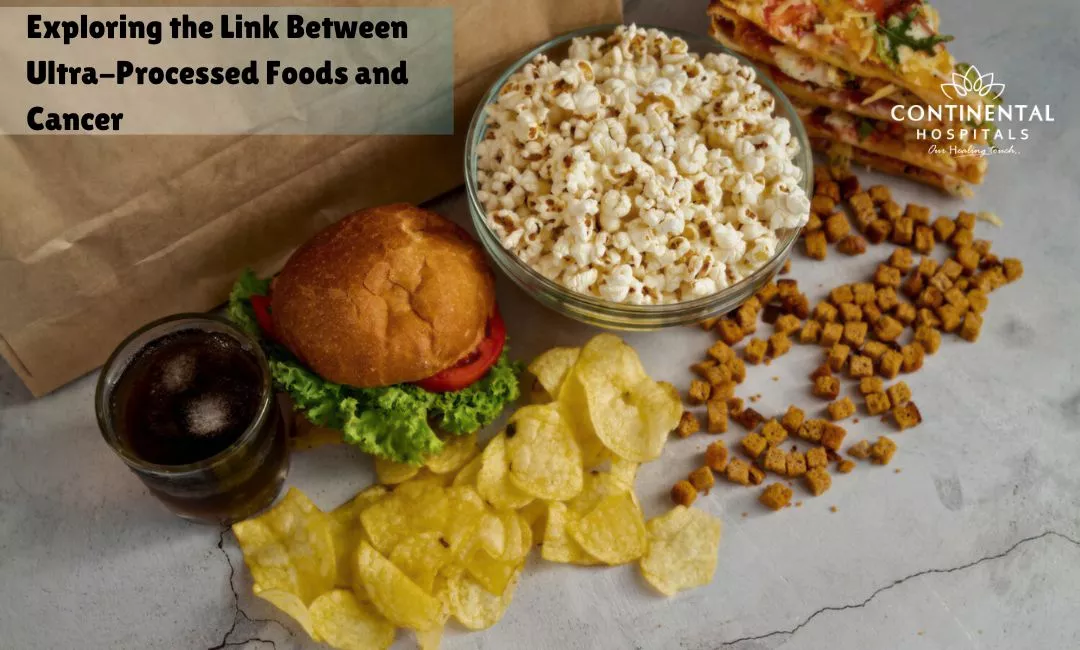
In our fast-paced world, convenience often takes precedence over health, leading to the widespread consumption of ultra-processed foods. These foods, while easy to prepare and often irresistibly tasty, come with hidden dangers that can significantly impact our health. Recent research has drawn a troubling connection between ultra-processed foods and an increased risk of cancer. This blog will delve into what ultra-processed foods are and explore the growing body of evidence linking them to cancer.
What are ultra-processed foods?
Ultra-processed foods (UPFs) are a category of food products that have undergone extensive industrial processing and contain ingredients not typically used in home cooking. These foods are often high in added sugars, unhealthy fats, and artificial additives, while being low in nutritional value.
Some common examples include:
Packaged snacks: Chips, crackers, and cookies.
Sugary beverages: Sodas, energy drinks, and packaged fruit juices.
Instant meals: Ready-to-eat soups, noodles, and frozen dinners.
Processed meats: Sausages, hot dogs, and deli meats.
Sweetened dairy products: Flavored yogurts and ice creams.
Baked goods: Commercially produced cakes, pastries, and bread.
Early prevention starts with expert care. Visit our Best Cancer Specialist in Hyderabad for comprehensive cancer risk evaluation and personalized lifestyle recommendations.
What Are the Characteristics of Ultra-Processed Foods?
High in Additives: These foods often contain preservatives, colorants, flavor enhancers, and artificial sweeteners.
Low in Nutrients: They typically have low levels of essential nutrients like vitamins, minerals, and fiber.
High in Sugar, Fat, and Salt: UPFs often contain excessive amounts of sugar, unhealthy fats, and salt, contributing to various health issues.
The Link Between Ultra-Processed Foods and Cancer
How Are Ultra Processed Foods Connected to Cancer?
The relationship between ultra-processed foods and cancer is complex and multifaceted. Several mechanisms have been proposed to explain how these foods contribute to cancer risk:
High Caloric Density and Obesity:
- Ultra-processed foods are often calorie-dense, leading to overeating and weight gain.
- Obesity is a well-established risk factor for several types of cancer, including breast, colorectal, and pancreatic cancers.
Harmful Additives and Contaminants:

- Many UPFs contain artificial additives and contaminants such as acrylamide and polycyclic aromatic hydrocarbons, which have been linked to cancer.
- For example, acrylamide, found in fried and baked goods, is classified as a probable human carcinogen.
Nutritional Imbalance:
- The high levels of sugar, unhealthy fats, and salt in UPFs can disrupt metabolic processes and contribute to inflammation.
- Chronic inflammation is a known contributor to cancer development.
Impact on Gut Microbiota:
- UPFs can negatively affect gut health by altering the composition of the gut microbiota.
- A healthy gut microbiota plays a crucial role in maintaining overall health and preventing diseases, including cancer.
Scientific Evidence
Numerous studies have investigated the link between ultra-processed foods and cancer. Some key findings include:
The NutriNet-Santé Study:
- A large-scale French study involving over 100,000 participants found a significant association between high consumption of ultra-processed foods and an increased risk of cancer.
- The study reported that a 10% increase in the proportion of ultra-processed foods in the diet was associated with a 12% increase in overall cancer risk.
The European Prospective Investigation into Cancer and Nutrition (EPIC) Study:
- This study, which included participants from 10 European countries, found that high intake of ultra-processed foods was linked to a higher risk of colorectal cancer.
- The association was particularly strong for processed meats and sugary drinks.
Mechanistic Studies:
- Animal and laboratory studies have shown that certain additives and contaminants commonly found in ultra-processed foods can induce carcinogenesis.
- For instance, studies on rodents have demonstrated that high consumption of additives like sodium nitrite (used in processed meats) can lead to cancer development.
What Types of Cancer Are Linked to Ultra Processed Foods?
Colorectal Cancer:
- There is substantial evidence linking the consumption of processed meats and other ultra-processed foods to an increased risk of colorectal cancer.
- The carcinogenic potential of these foods is attributed to harmful compounds formed during processing, such as nitrosamines.
Breast Cancer:
- High intake of sugary foods and beverages, often categorized as ultra-processed, has been associated with an increased risk of breast cancer.
- The link is particularly strong for postmenopausal women, with obesity and insulin resistance being contributing factors.
Stomach Cancer:
- Ultra-processed foods high in salt, such as packaged snacks and processed meats, can increase the risk of stomach cancer.
- Excessive salt intake can damage the stomach lining and promote the growth of Helicobacter pylori, a bacterium linked to stomach cancer.
Reducing the Risk
Given the growing evidence of the link between ultra-processed foods and cancer, it is crucial to adopt dietary habits that minimize their consumption. Here are some practical steps to reduce the risk:
Prioritize Whole Foods:
- Focus on consuming whole, unprocessed foods such as fruits, vegetables, whole grains, nuts, and seeds.
- These foods are rich in essential nutrients and antioxidants that help protect against cancer.
Read Food Labels:
- Be vigilant about reading food labels to identify ultra-processed foods.
- Avoid products with long ingredient lists that include additives, preservatives, and artificial flavors.
Cook at Home:
- Preparing meals at home allows you to control the ingredients and cooking methods.
- Home-cooked meals are generally healthier and free from harmful additives.
Limit Sugary and Processed Snacks:
- Opt for healthier snack options such as fresh fruits, nuts, and yogurt.
- Reduce the consumption of sugary beverages and replace them with water, herbal teas, or homemade smoothies.
Educate Yourself:
- Stay informed about the potential health risks associated with ultra-processed foods.
- Engage in community programs and initiatives that promote healthy eating habits.
Conclusion
The convenience and widespread availability of ultra-processed foods have made them a staple in many diets. However, the growing body of evidence linking these foods to cancer highlights the urgent need to reassess our dietary choices. By understanding what ultra-processed foods are and recognizing their potential health risks, we can make more informed decisions to protect our well-being. Emphasizing whole, unprocessed foods and adopting healthier eating habits can significantly reduce the risk of cancer and contribute to overall better health.
Consult with our best oncologist in Hyderabad to understand how reducing ultra-processed foods can lower your cancer risk and improve overall health.
Related Blogs: