
post-title

Foods to Avoid During Diarrhoea: What Can Make Symptoms Worse?

Written by - Editorial Team
Medically Reviewed by - Dr Dhiraj Gopal Agrawal

Diarrhoea is a prevalent ailment in digestion characterized by the passing of frequent and loose or watery motions. Diarrhoea could be caused by infections, contaminated food or water, food intolerance or certain medications. Other symptoms include stomach cramps, bloating, nausea and fatigue. While it often clears up in a few days' time, the choice of right foods is crucial for fast recovery from this ailment.

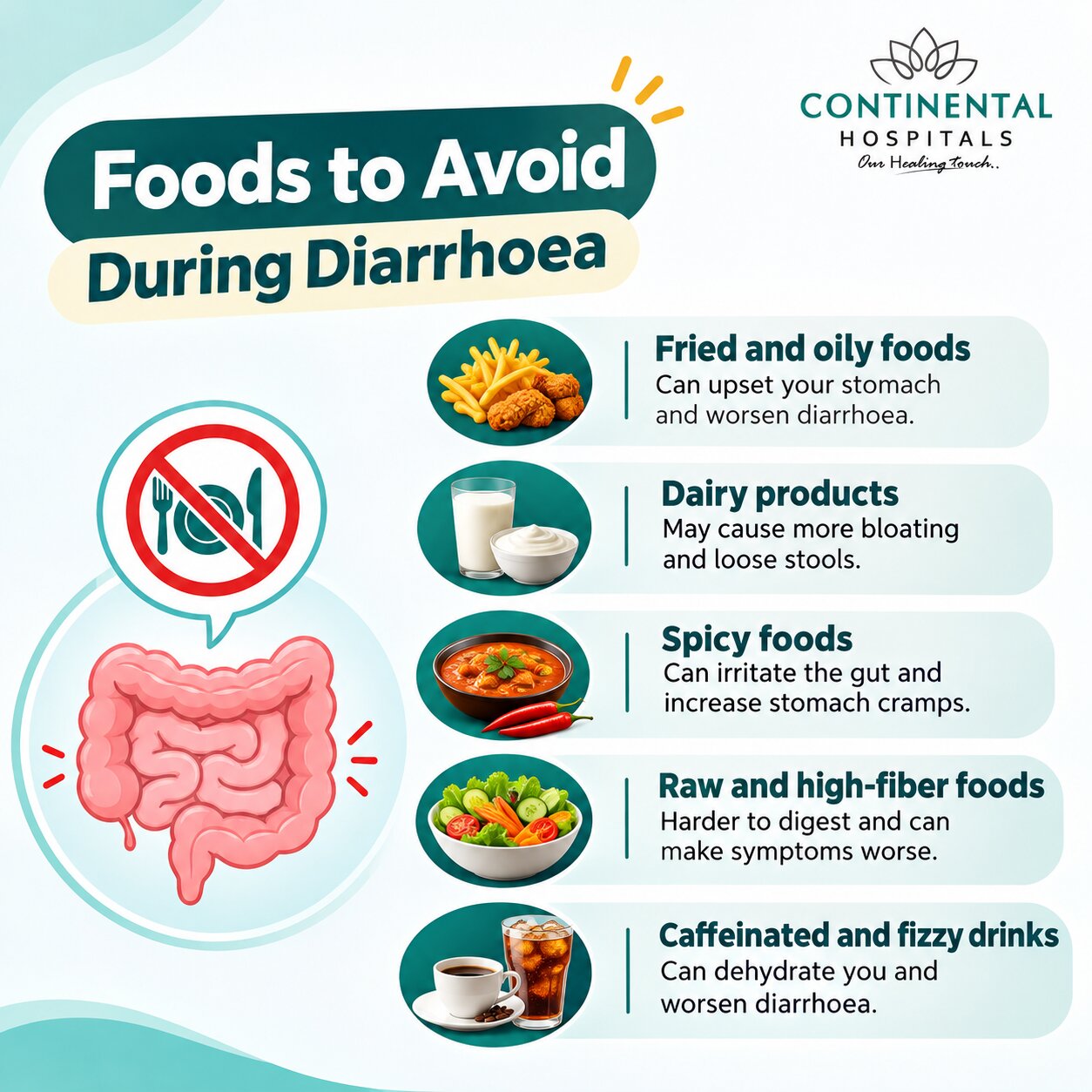
Do you know that there are foods that will only worsen your condition of having diarrhoea? Consuming oily, spicy and highly processed foods when having this ailment can be irritating for your digestive system. Knowing about the foods that should be avoided in the case of diarrhoea can help to decrease digestive irritation and dehydration.

Which Foods Must Be Avoided When One Has Diarrhoea?

The choice of foods that you take while having diarrhoea may affect the pace at which your digestive system will recover from the disease. Certain foods can increase the number of bowel movements, cause bloating, or make loose stools worse.

Below is a list of foods that you should try to avoid.

1. Spicy Food

Is it possible for spicy food to worsen diarrhoea? Yes. Foods with lots of chili, pepper, and spicy spices can irritate your digestive system and increase your abdominal pains.

Avoid:

  • Spicy curries
  • Pickles
  • Chili sauce
  • Spiced up foods

2. Fried and Oily Foods

Why must one avoid oily food when having diarrhoea? Because oily foods are very rich in fats and can be hard to digest, thereby worsening your loose stools.

Second Opinion

Avoid:

  • French fries
  • Oily snacks
  • Poori and Pakoda
  • Greasy foods

3. Milk and Some Types of Dairy Foods

Can milk cause more diarrhoea? There is a temporary intolerance to lactose in some people after an infection of the digestive system. This can result in bloats, flatulence, and loose stools.

It would help if you avoided milk, cream, and ice cream if they provoked your symptoms. However, live cultures of yogurt can be consumed by some patients.

4. Drinks With Caffeine

How does coffee or tea affect your digestive tract? Caffeine causes bowel movements and increases diarrhoea in some people.

Reduce your consumption of the following products:

Need an Appointment?

  • Coffee
  • Strong tea
  • Energy drinks
  • Caffeine-containing soft drinks

5. Sweet Foods and Drinks

Why do you need to avoid sweet foods during the diarrhoea? Foods and beverages that contain too much sugar attract additional fluid to the intestine, resulting in watery stools.

Avoid:

  • Sweet foods and sweets
  • Packaged juices
  • Soft drinks
  • Desserts

6. High Fiber Foods

Is all healthy food suitable for diarrhoea? No, some foods are high in fiber and can aggravate bowel movement and symptoms. Especially at the initial stage.

Exclude:

  • Fruits and vegetables in raw form
  • Cabbage and cauliflower
  • Beans and chickpeas
  • Grain products

Visit the gastroenterology specialists in Hyderabad at Continental Hospitals, Hyderabad, for expert digestive and gastrointestinal care.

Which Foods Can You Have in Case of Diarrhoea?

Which foods are to be taken while you have loose motions? You need to consume foods which will not put any extra burden on your digestive system, but at the same time will give you sufficient energy.

Examples of such foods are as follows:

  • Bananas: They will help in giving potassium and are generally easy to digest.
  • Plain Rice: They will help in providing energy and are gentle to your stomach.
  • Boiled Potatoes: They are easy to cook and will help in giving carbohydrates.
  • Toast: White toast is an easy food item.
  • Moong Dal: If tolerated, well-cooked Moong Dal will do fine.
  • Curd: Some people may tolerate plain curd.
  • Clear soups: They will help in giving you fluids.

Have small portions throughout the day instead of having heavy meals.
How Can You Avoid Dehydration With Diarrhoea?

What is the importance of adequate fluid intake in patients with diarrhoea? Excessive defecation results in loss of water as well as electrolytes in the body. This leads to dehydration if fluids are not replenished.

Remember these simple guidelines:

  • Have plenty of clean water.
  • Have ORS to restore body fluids and electrolytes.
  • Consume small amounts of liquids at frequent intervals in case of nausea.
  • Have clear soups as well as other appropriate liquids.
  • Do not have alcohol and caffeine.
  • ORS becomes very necessary in case of frequent and watery diarrhea.

When Do You Need to See a Doctor for Diarrhoea?

How do you know when you need to seek treatment for your diarrhoea problem? While mild diarrhoea usually goes away on its own, it is important not to ignore persistent or severe symptoms.

You should see a doctor if you have:

  • Diarrhoea that lasts longer than two days in adults.
  • Blood or pus in your feces.
  • Abdominal cramping.
  • High fever.
  • Multiple liquid motions.

Symptoms of dehydration like dry mouth, feeling dizzy, passing less urine, and excessive weakness.

Why Choose Continental Hospitals For Diarrhoea Treatment?

Why is specialist treatment needed if you have a case of recurrent or unresolved diarrhoea? Recurrent diarrhoea can have a connection with infections, food intolerance, inflammatory bowel diseases, or even other digestive conditions. Finding out the cause will help choose the right method of treatment.

Continental Hospitals in Hyderabad offers complete services of diagnosis and treatment of all kinds of gastrointestinal disorders with the help of professional gastroenterologists, advanced diagnostics equipment, and an expert medical team.

Continental Hospitals in Hyderabad, has received healthcare accreditations on a national and international level, including JCI and NABH, proving the commitment to quality healthcare provision.

Being patient-oriented and having proper diagnostic facilities, Continental Hospitals is aimed at diagnosing the causes of digestive disorders and treating them individually to improve the digestive health and well-being of patients.

Conclusion

Diarrhoea can impact your digestive health and even lead to dehydration. Avoiding spicy foods, fried foods, too much sugar, caffeine, and foods that make your symptoms worse can be helpful in relieving your digestive issues. Consuming simple foods, drinking plenty of fluids, and taking ORS can be helpful.

In case you are suffering from regular diarrhoea, loose stools, stomach pain, or digestive issues on a regular basis, it is important to visit our best gastroenterologist in Hyderabad at Continental Hospitals, Hyderabad.

Related Blogs:

Safe Water and Hygiene Tips to Avoid Diarrhoea

Frequently Asked Questions

During diarrhoea, certain foods can irritate the digestive system and worsen symptoms. Avoid oily and deep-fried foods because they can be difficult to digest. Spicy foods may increase intestinal irritation. High-fat meals can make loose stools worse. Avoid processed and fast foods during recovery. Raw vegetables may be difficult to digest for some people. Foods containing artificial sweeteners such as sorbitol can trigger diarrhoea. Limit beans and lentils if they increase gas or bloating. Avoid heavy gravies and rich sauces. Very sugary foods can also worsen loose stools. Choose simple, easily digestible meals instead. Eat small portions throughout the day. Drink enough fluids to prevent dehydration. Consult a doctor if symptoms persist or become severe.
Milk and dairy products may worsen diarrhoea in some people. This can happen because the digestive system temporarily struggles to digest lactose. Lactose is a natural sugar found in milk. During intestinal infections, the body may produce less lactase, the enzyme needed to digest lactose. This can lead to bloating, gas and loose stools. Whole milk may also feel difficult to digest because of its fat content. Some people may experience symptoms after consuming ice cream. Soft cheeses and creamy desserts may also cause discomfort. However, not everyone needs to avoid all dairy products. Lactose-free milk may be easier to tolerate. Plain yoghurt with live cultures may also be suitable for some people. Pay attention to how your body responds to dairy. Temporarily limiting lactose may help if it triggers symptoms. Consult a doctor if diarrhoea continues.
Spicy foods are best avoided while experiencing diarrhoea. Ingredients such as chilli contain capsaicin, which can stimulate the digestive system. This may increase intestinal movement in some people. Faster intestinal movement can make loose stools more frequent. Spicy meals may also cause abdominal discomfort. They can worsen stomach cramps and a burning sensation. Avoid spicy curries, pickles and hot sauces during recovery. Chilli powders and heavily seasoned foods may also cause irritation. Eating mild foods can help reduce digestive discomfort. Choose plain rice, toast and boiled potatoes instead. Avoid adding excessive spices to homemade meals. Eat smaller portions to make digestion easier. Once symptoms improve, gradually return to your regular diet. Seek medical advice if diarrhoea persists or worsens.
Coffee may worsen diarrhoea, especially during an episode of digestive upset. It contains caffeine, which can stimulate bowel movements. This may increase the frequency of loose stools. Coffee can also increase intestinal activity in sensitive individuals. Drinking strong coffee may cause abdominal discomfort. Milk and cream added to coffee may further worsen symptoms in people with lactose intolerance. Energy drinks and caffeinated beverages should also be avoided. Tea containing caffeine may have a similar effect. Instead, choose water and oral rehydration solutions. These help replace fluids lost through frequent bowel movements. Avoid drinking excessive amounts of sugary beverages. Give your digestive system time to recover. You can gradually reintroduce coffee once symptoms settle. Consult a doctor if diarrhoea continues or causes dehydration.
Not all fruits need to be avoided during diarrhoea. However, some fruits can worsen digestive symptoms. Fruits containing high amounts of fructose may increase loose stools in sensitive individuals. Apples, pears and cherries may cause discomfort in some people. Dried fruits can also be difficult to tolerate because of their concentrated sugars and fibre. Avoid large quantities of fruit juices. Packaged fruit drinks often contain added sugars. These sugars may increase intestinal water content. Whole bananas are generally easier to tolerate, especially when ripe. Applesauce without added sugar may also be suitable. Choose small portions of easily digestible fruits. Avoid fruits that trigger bloating or abdominal cramps. Wash fruits properly before eating them. Maintain adequate fluid intake throughout recovery. Speak with a doctor if symptoms do not improve.
Oily and fatty foods can make diarrhoea symptoms worse. They may take longer to digest and can increase digestive discomfort. Deep-fried foods are particularly difficult for some people to tolerate. Avoid fried chicken, French fries and oily snacks during recovery. Heavy restaurant meals may also irritate the digestive system. Foods containing excessive butter, cream or oil should be limited. High-fat meals can sometimes increase bowel movements. They may also contribute to nausea and abdominal discomfort. Instead, choose boiled, steamed or lightly cooked foods. Plain rice and soft khichdi are generally easy to digest. Boiled vegetables can also be included if tolerated. Eat smaller meals instead of large portions. Gradually return to normal foods after symptoms improve. Consult a doctor if diarrhoea becomes persistent or severe.
Certain beverages can worsen diarrhoea and increase digestive discomfort. Avoid alcohol because it can irritate the digestive system. Limit coffee and other caffeinated drinks. Energy drinks may also stimulate bowel movements. Sugary soft drinks can draw additional water into the intestines. Packaged fruit juices may contain high amounts of sugar. Avoid drinks containing artificial sweeteners such as sorbitol. Carbonated beverages may increase bloating and gas. Very sweet sports drinks are not always suitable for replacing lost fluids. Oral rehydration solutions are a better option for replacing water and electrolytes. Drink clean, safe water regularly. Clear soups and broths can also help maintain fluid intake. Take small, frequent sips if you feel nauseated. Seek medical attention if you experience signs of dehydration.
Eating simple and easily digestible foods can help during diarrhoea recovery. Plain rice is a good option for many people. Soft khichdi can provide energy without being too heavy. Boiled potatoes without excess butter are another suitable choice. Ripe bananas can help provide potassium. Plain toast and crackers may also be tolerated. Cooked carrots and other soft vegetables can be included. Clear vegetable soups can provide fluids and nutrients. Plain cooked chicken may be suitable for people who eat non-vegetarian food. Avoid adding excessive oil, chilli or spices. Eat small meals at regular intervals. Drink oral rehydration solution to replace lost fluids and electrolytes. Do not restrict your diet to only a few foods for an extended period. Gradually return to a balanced diet as your symptoms improve.
Disclaimer: The information provided in this blog is intended for general knowledge and informational purposes only, and does not constitute medical advice. Always consult with a qualified healthcare professional for any medical concerns or before making any decisions about your health.

Get in Touch With Us

Whether you are from India or abroad, we are here to help you with your medical queries. Please fill out the form below and our team will connect with you shortly.

  • ✔ Quick response from our medical experts
  • ✔ Secure data handling & privacy
  • ✔ Easy upload for reports & documents
banner_image

Chat with our medical experts on WhatsApp for quick assistance and hassle-free appointment booking

Recent Posts