post-title

Heart Disease in Indian Youth: Is It Genetic?

Written by - Editorial Team
Medically Reviewed by - Dr Meeraji Rao Dandangi

Heart disease is often thought of as a problem for older adults, but in India, more young people are facing heart-related issues than ever before. This trend raises an important question: is heart disease in Indian youth genetic, or are other factors playing a bigger role? Let’s break it down in a way that’s easy to understand.

What causes heart disease in young adults?

Heart disease refers to a range of conditions that affect the heart, including coronary artery disease, arrhythmias, and heart valve problems. While many of these conditions develop over time, young adults can also be at risk. In India, studies show that heart attacks and sudden cardiac events are occurring in people in their 20s and 30s, a trend that demands attention.

What this really means is that even if you feel healthy, underlying risk factors could silently increase your chances of developing heart disease. These risk factors can be broadly divided into genetic and lifestyle-related causes.

Visit the Best Cardiology Doctors in Hyderabad for comprehensive heart evaluations, accurate diagnosis, and expert care tailored to your needs.
Is Heart Disease Genetic?

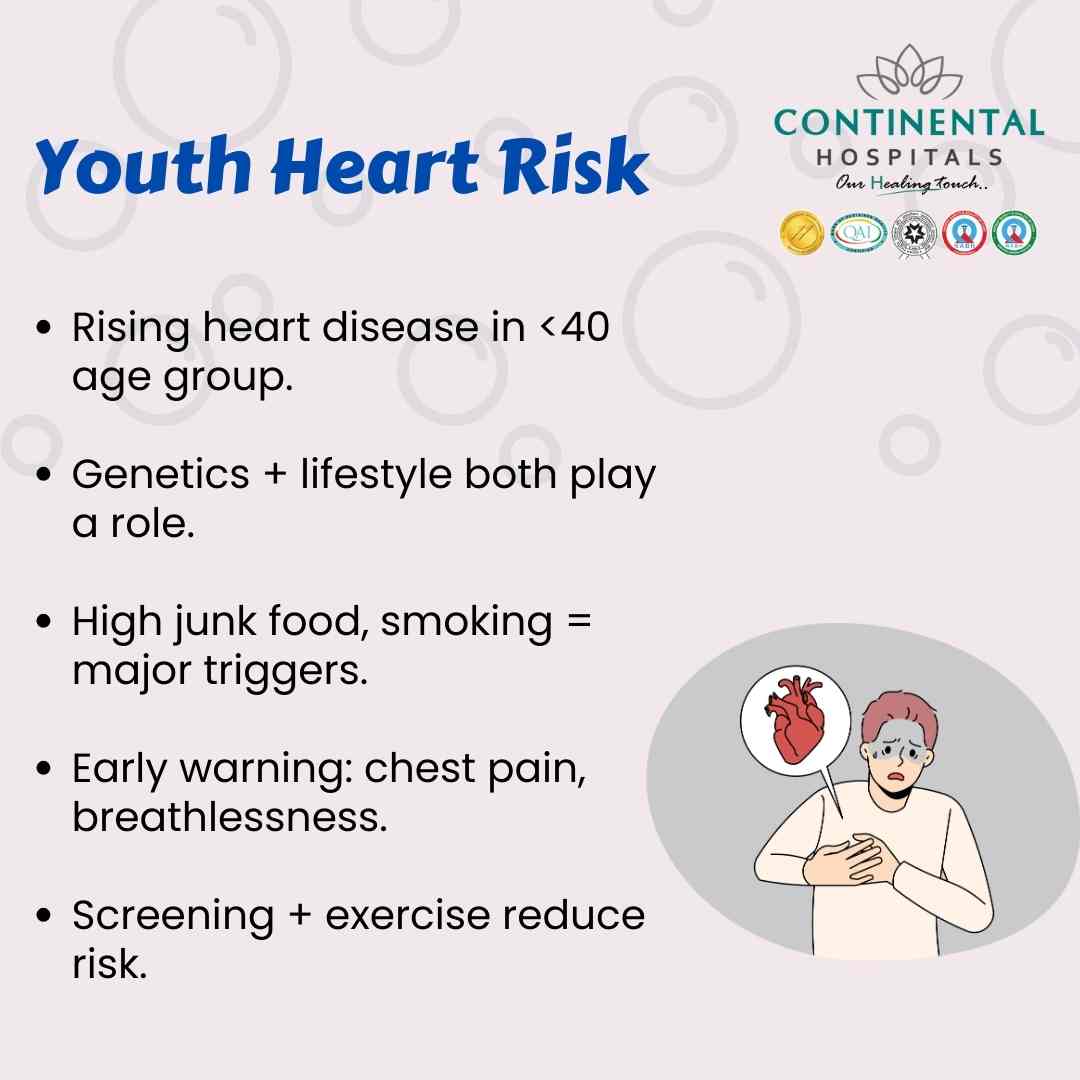
Genetics can play a significant role in heart disease. If your parents or close relatives have a history of heart problems, you may inherit a higher risk. Certain genetic conditions can directly affect heart health, such as familial hypercholesterolemia, which causes very high cholesterol levels from a young age.

However, genetics is not the only factor. Even if you have a family history of heart disease, lifestyle choices like diet, exercise, smoking, and stress management can dramatically influence your risk. In other words, having a genetic predisposition does not guarantee heart disease, but it does mean you need to be more careful about your lifestyle and monitoring.

What lifestyle factors increase the risk of heart disease in young people?

Diet and Nutrition
Traditional Indian diets are often rich in carbohydrates, refined sugars, and fried foods. While these foods are tasty and part of cultural traditions, over time they can contribute to obesity, high cholesterol, and high blood pressure, which increase heart disease risk.

Physical Inactivity
Many young people today lead sedentary lifestyles. Long hours at desks, minimal physical activity, and excessive screen time all contribute to a weak cardiovascular system. Regular exercise strengthens the heart and improves blood circulation, reducing risk.

Second Opinion

Stress and Mental Health
Stress is a silent contributor to heart disease. Work pressure, academic challenges, and social stressors can increase blood pressure and affect heart rhythm. Learning to manage stress through relaxation techniques, meditation, or therapy can help protect heart health.

Smoking and Alcohol
Tobacco and alcohol consumption are linked to increased risk of heart attacks and arterial damage. Young adults who smoke or drink excessively are at higher risk even if there is no family history of heart disease.

Obesity and Diabetes
India has one of the highest rates of diabetes and obesity in young adults. Both conditions can damage arteries and the heart over time. Maintaining a healthy weight and blood sugar level is crucial to preventing early heart disease.

What are the early warning signs of heart disease in young people?

Early detection is key. Some symptoms may be subtle, but paying attention can save lives:

  • Chest pain or discomfort, especially during exertion
  • Shortness of breath
  • Unexplained fatigue
  • Palpitations or irregular heartbeat
  • Swelling in legs or ankles

If you notice these signs, it’s important to consult a cardiologist promptly rather than waiting for a major event.

What are the preventive measures for heart disease in young adults?

Even if you have a genetic predisposition, there are practical steps to lower your risk:

Regular Checkups
Routine health screenings, including blood pressure, cholesterol, and blood sugar tests, help detect risk factors early. If you have a family history of heart disease, ask your doctor for additional screenings.

Need an Appointment?

Healthy Eating Habits
Focus on whole grains, fresh fruits, vegetables, lean protein, and healthy fats. Limit fried foods, sugary drinks, and processed snacks.

Exercise Regularly
Aim for at least 30 minutes of moderate exercise most days of the week. Cardiovascular workouts like walking, jogging, swimming, or cycling strengthen the heart.

Quit Smoking and Limit Alcohol
Avoid tobacco in any form and keep alcohol consumption moderate. These changes have a strong impact on heart health.

Manage Stress
Incorporate relaxation techniques such as meditation, deep breathing, or yoga. Adequate sleep is also essential to allow your body to recover and regulate heart function.

Stay Informed About Genetics
If heart disease runs in your family, discuss genetic testing options with your doctor. This can help identify risks early and allow for proactive measures.

Why is Continental Hospitals the best choice for heart disease treatment?

Continental Hospitals provides world-class cardiac care with a focus on young adults at risk. The cardiology team combines advanced diagnostic tools, minimally invasive procedures, and personalized preventive plans. Patients benefit from expert guidance on lifestyle changes, diet, and exercise programs tailored to their unique genetic and health profile.

The hospital emphasizes early detection, so patients with a family history of heart disease can get timely screenings and interventions. With state-of-the-art cardiac imaging, non-invasive tests, and experienced cardiologists, Continental Hospitals ensures that your heart receives the attention it deserves.

Conclusion

Heart disease in Indian youth can have genetic roots, but lifestyle factors often determine whether these genes translate into a serious condition. Early detection, healthy living, and regular medical guidance are key to reducing risk.

Consult our top cardiologists in Hyderabad at Continental Hospitals if you suffer from heart-related concerns. We provide personalized care, preventive strategies, and advanced treatment options to protect your heart.

Related Blogs:

  1. Advanced Cardiac Health Check for Early Heart Disease Detection
  2. Women and Heart Disease: Key Differences

Frequently Asked Questions

Genetics plays an important role in heart disease, but it is not the only factor. Many young Indians inherit a higher risk of conditions such as high cholesterol, high blood pressure, or cardiomyopathy. However, lifestyle habits like unhealthy eating, smoking, lack of exercise, obesity, diabetes, stress, and poor sleep can significantly increase this inherited risk. Even people without a family history can develop heart disease if these risk factors are present. Understanding your family medical history helps identify your risk early. Genetic risk should be viewed as a warning, not a certainty. Regular health screenings and healthy lifestyle choices can greatly reduce the likelihood of developing heart disease, even in people with inherited risk factors.
Heart attacks among young Indians are increasing because of a combination of genetic susceptibility and modern lifestyle changes. Sedentary work, processed foods, increasing obesity, uncontrolled diabetes, smoking, excessive alcohol use, chronic stress, and inadequate sleep all contribute to early heart disease. Many young adults also ignore early symptoms or skip preventive health checkups. Air pollution and metabolic disorders further increase cardiovascular risk. Indians tend to develop heart disease nearly a decade earlier than many Western populations. Early detection through regular screening, cholesterol monitoring, blood pressure control, and healthy daily habits can significantly reduce the chances of heart attacks at a young age.
Several inherited heart conditions can affect young individuals. These include familial hypercholesterolemia, hypertrophic cardiomyopathy, dilated cardiomyopathy, arrhythmogenic cardiomyopathy, Long QT syndrome, Brugada syndrome, and certain inherited rhythm disorders. These conditions may increase the risk of heart attacks, heart failure, abnormal heart rhythms, or sudden cardiac arrest. Some individuals experience symptoms such as chest pain, fainting, palpitations, or breathlessness, while others remain symptom-free until a serious event occurs. Early diagnosis through family history, ECG, echocardiography, genetic counseling, and appropriate testing allows timely treatment and reduces the risk of life-threatening complications.
Yes. Even physically active and seemingly healthy young adults can develop heart disease. Some inherited heart conditions do not produce symptoms until later stages or during intense physical activity. Hidden abnormalities in heart structure, cholesterol metabolism, or electrical conduction can increase cardiovascular risk. In addition, stress, smoking, poor dietary habits, uncontrolled blood pressure, diabetes, and obesity may silently damage blood vessels over time. Routine health evaluations become especially important if there is a family history of early heart disease or sudden cardiac death. Early screening helps identify hidden risks before they become life-threatening emergencies.
Heart disease does not always present with severe chest pain. Early warning signs may include chest discomfort, unusual shortness of breath, rapid or irregular heartbeat, dizziness, fainting, unexplained fatigue, pain spreading to the arm, neck, jaw, or back, excessive sweating, nausea, and reduced exercise tolerance. Some people may experience only mild symptoms that are often mistaken for acidity, anxiety, or muscle strain. Persistent or recurring symptoms should never be ignored. Seeking prompt medical evaluation allows doctors to identify heart problems early and begin appropriate treatment before complications develop.
Young adults should consider heart screening if they have a family history of early heart disease, high cholesterol, hypertension, diabetes, obesity, smoking habits, or unexplained fainting episodes. Athletes participating in competitive sports may also benefit from cardiovascular evaluation. Screening typically includes blood pressure measurement, cholesterol testing, blood sugar assessment, ECG, echocardiography, and additional tests when necessary. Early screening helps detect silent heart disease before symptoms appear. Even healthy adults should undergo periodic preventive health checkups to monitor cardiovascular risk factors and maintain long-term heart health.
Although genetic factors cannot be changed, healthy lifestyle choices can significantly lower the overall risk of developing heart disease. Eating a balanced diet rich in fruits, vegetables, whole grains, and lean proteins supports heart health. Regular physical activity, maintaining a healthy weight, controlling blood pressure and cholesterol, quitting smoking, limiting alcohol intake, managing stress, and getting adequate sleep all improve cardiovascular health. Individuals with inherited risk should also attend regular medical checkups and follow prescribed treatment plans. Lifestyle improvements work together with medical care to delay or prevent heart disease progression.
You should consult a cardiologist if you have a strong family history of heart attacks before age 55 in men or 65 in women, sudden unexplained deaths, inherited heart disorders, or consistently high cholesterol levels. Medical evaluation is also recommended if you experience chest pain, palpitations, fainting, breathlessness, or reduced exercise capacity. A cardiologist can assess your personal risk using clinical examination, blood tests, ECG, echocardiography, stress testing, or genetic evaluation when appropriate. Early consultation enables timely diagnosis, personalized treatment, preventive guidance, and long-term monitoring to protect heart health.
Disclaimer: The information provided in this blog is intended for general knowledge and informational purposes only, and does not constitute medical advice. Always consult with a qualified healthcare professional for any medical concerns or before making any decisions about your health.

Get in Touch With Us

Whether you are from India or abroad, we are here to help you with your medical queries. Please fill out the form below and our team will connect with you shortly.

  • ✔ Quick response from our medical experts
  • ✔ Secure data handling & privacy
  • ✔ Easy upload for reports & documents
banner_image

Chat with our medical experts on WhatsApp for quick assistance and hassle-free appointment booking

Recent Posts