.webp)

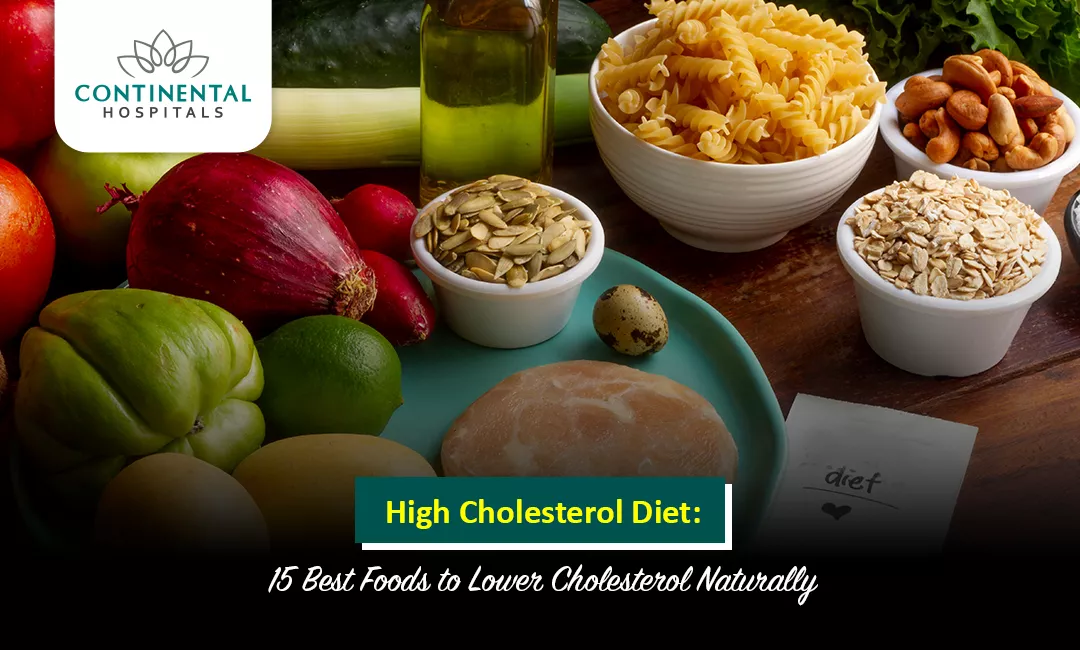
A high-cholesterol diet plays a major role in managing cholesterol levels and protecting your heart. Many people believe that cholesterol problems can only be treated with medicines, but healthy eating habits are equally important. Choosing the right foods every day can help lower bad cholesterol, improve good cholesterol, and reduce the risk of heart disease.
If you have been diagnosed with high cholesterol, changing your daily meals is one of the first and most effective steps toward better health. A well planned high cholesterol diet focuses on foods rich in fiber, healthy fats, vitamins, and antioxidants while limiting foods high in saturated and trans fats. Understanding which foods to eat and which foods to avoid can make cholesterol control easier and more effective.
Why is a High-Cholesterol Diet Important?
A healthy, high-cholesterol diet helps reduce the buildup of fatty deposits inside your arteries. When cholesterol levels remain high for a long time, blood flow to the heart and brain becomes restricted. This increases the risk of heart attack, stroke, and other cardiovascular diseases.
Following a balanced cholesterol diet can help you:
- Lower LDL or bad cholesterol
- Increase HDL or good cholesterol
- Improve heart health
- Support healthy blood circulation
- Reduce inflammation
- Maintain a healthy body weight
- Improve overall well-being.
Visit the best Heart Specialist Hospital in Hyderabad at Continental Hospitals for comprehensive heart evaluations, expert guidance, and personalized treatment plans to keep your heart healthy.
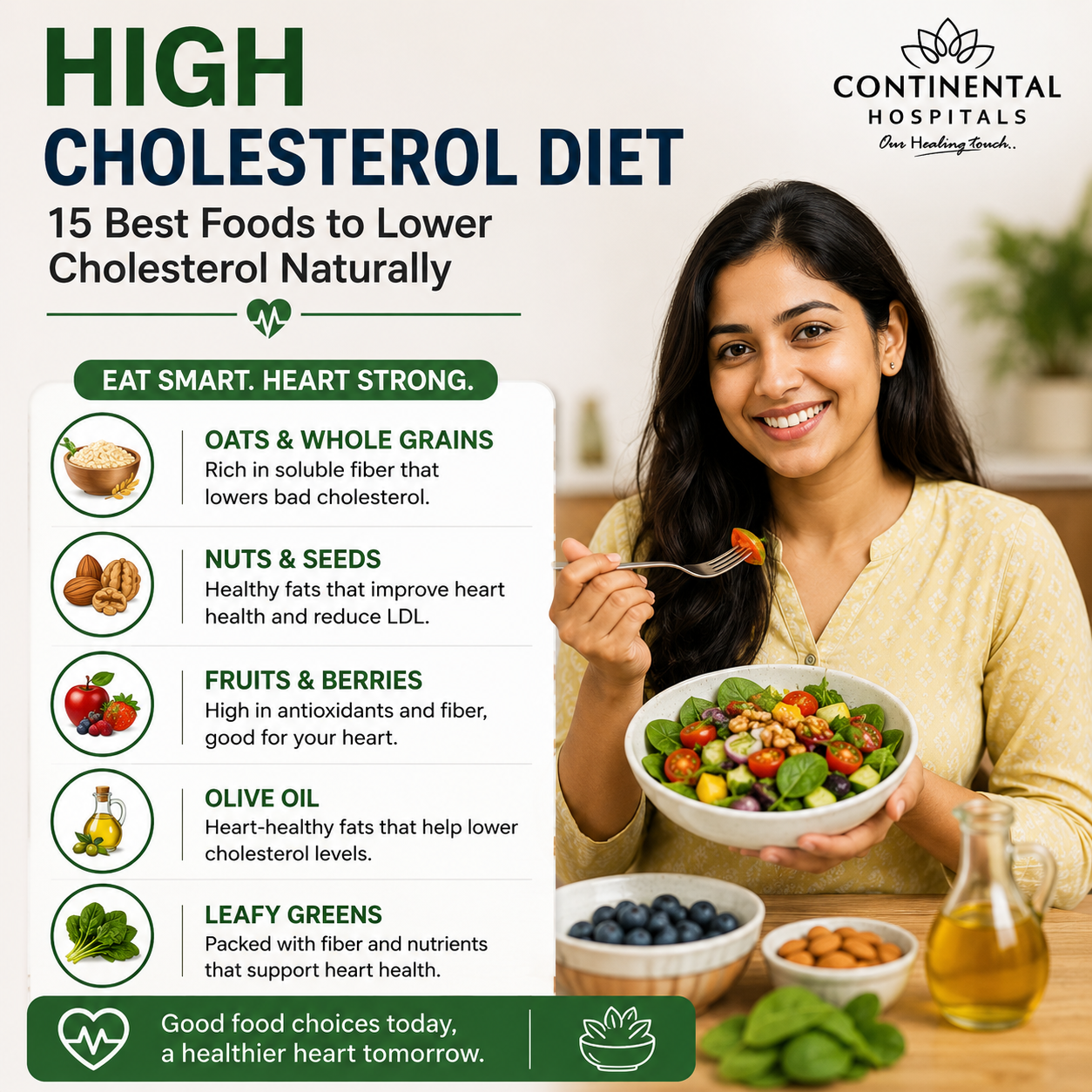
What Foods Should You Eat in a High Cholesterol Diet?
Choosing the right cholesterol control food is one of the best natural ways to improve cholesterol levels.
1. Oats
Oats are rich in soluble fiber called beta glucan. This fiber helps remove excess cholesterol from the body and supports better heart health.

2. Apples
Apples contain pectin, a type of soluble fiber that naturally helps lower cholesterol. Eating one apple daily can support cholesterol control.
3. Almonds
Almonds provide healthy fats, vitamin E, and antioxidants that help reduce bad cholesterol while protecting blood vessels.
4. Walnuts
Walnuts are an excellent source of omega 3 fatty acids that improve heart health and reduce cholesterol levels.
5. Fatty Fish
Salmon, sardines, and mackerel contain healthy omega 3 fats that reduce triglycerides and improve overall cholesterol balance.
6. Beans
Beans are packed with fiber and plant protein. They help you stay full longer while naturally lowering cholesterol.
7. Lentils
Lentils are another excellent source of fiber and are an important part of a healthy high cholesterol diet.
8. Avocados
Avocados contain heart-healthy monounsaturated fats that improve cholesterol levels and support cardiovascular health.
9. Olive Oil
Replacing butter with olive oil can reduce bad cholesterol and improve heart health naturally.
10. Green Leafy Vegetables
Spinach, kale, and other leafy vegetables contain antioxidants and fiber that support healthy cholesterol levels.
11. Berries
Blueberries, strawberries, and blackberries contain antioxidants that protect blood vessels and improve cholesterol control.
12. Soy Foods
Soybeans, tofu, and soy milk may help reduce LDL cholesterol when included regularly in your meals.
13. Garlic
Garlic contains natural compounds that may help lower cholesterol and support healthy blood pressure.
14. Flaxseeds
Flaxseeds are rich in omega-3 fats and fiber that help reduce cholesterol naturally.
15. Whole Grains
Brown rice, quinoa, barley, and whole wheat provide fiber that helps remove excess cholesterol from the body.
Which Foods Should You Avoid in a High Cholesterol Diet?
Some high-cholesterol foods can increase bad cholesterol and should be limited.
Avoid or reduce:
- Fried foods
- Processed meats
- Butter
- Ghee in excess
- Bakery products
- Cakes
- Pastries
- Packaged snacks
- Fast food
- Sugary beverages
- Processed cheese
- Fatty red meat
Reducing your intake of these high-cholesterol foods can make a significant difference in your heart health.
How Can You Reduce Cholesterol Naturally?
Along with following a high-cholesterol diet, healthy lifestyle habits are equally important.
Natural ways to reduce cholesterol include:
- Eat more fruits and vegetables every day.
- Include fiber-rich foods in every meal.
- Choose healthy cooking oils.
- Exercise regularly.
- Maintain a healthy weight.
- Stop smoking.
- Limit alcohol intake.
- Manage stress through relaxation techniques.
- Sleep for seven to eight hours every night.
- Schedule regular cholesterol checkups.
These healthy habits are among the most effective ways of reducing cholesterol naturally.
What Are the Warning Signs of High Cholesterol?
High cholesterol usually does not cause noticeable symptoms. Many people discover it only after a blood test.
You should consider a cholesterol screening if you have:
- Family history of high cholesterol
- Diabetes
- High blood pressure
- Obesity
- Smoking history
- Heart disease in the family
- Sedentary lifestyle
Regular health checkups help detect cholesterol problems before serious complications develop.
Can Diet Alone Control High Cholesterol?
Diet is one of the most powerful tools for managing cholesterol. However, some people may also require medicines depending on their cholesterol levels, age, family history, and other health conditions.
A combination of a healthy high-cholesterol diet, regular exercise, weight management, and medical guidance provides the best results for long term cholesterol control.
Quick Tips for Better Cholesterol Control
- Choose oats instead of refined cereals.
- Eat fresh fruits every day.
- Include vegetables in every meal.
- Replace fried snacks with nuts.
- Cook with olive oil whenever possible.
- Eat fish at least twice a week.
- Drink enough water.
- Stay physically active.
- Read nutrition labels before buying packaged foods.
- Get regular cholesterol tests.
Why Choose Continental Hospitals for Cholesterol Care?
Continental Hospitals is recognized as one of the best hospitals in Hyderabad, delivering advanced and patient-centered healthcare across multiple specialties. The hospital is accredited by JCI, NABH, and QAI, reflecting its commitment to international standards of quality, patient safety, and clinical excellence.
Our experienced cardiologists, internal medicine specialists, endocrinologists, nutrition experts, and preventive healthcare teams work together to create personalized treatment plans for every patient. From comprehensive cholesterol screening and heart health assessments to expert dietary counseling and long-term cardiovascular care, Continental Hospitals provides complete support under one roof using advanced diagnostic technology and evidence-based treatment protocols.
When Should You Consult a Doctor?
Consult a doctor if you have:
- Persistently high cholesterol levels
- Chest pain or discomfort
- Family history of heart disease
- Diabetes with abnormal cholesterol
- High blood pressure
- Obesity
- Previous heart attack or stroke
- Difficulty controlling cholesterol despite lifestyle changes
Early diagnosis and timely treatment can significantly reduce the risk of serious cardiovascular complications.
Consult the Cardiology Department at Continental Hospitals if you are experiencing high cholesterol or have risk factors for heart disease. Our expert cardiologists provide comprehensive evaluation, preventive care, advanced diagnostics, personalized treatment, and long-term heart health management to help you achieve better cholesterol control and protect your cardiovascular health.
Conclusion
A healthy, high-cholesterol diet is one of the most effective ways to protect your heart and improve your overall health. Including fiber-rich foods, healthy fats, fruits, vegetables, whole grains, and lean proteins while avoiding unhealthy high-cholesterol foods can naturally lower cholesterol levels and reduce the risk of heart disease. Combined with regular exercise, healthy lifestyle habits, and periodic medical checkups, a balanced cholesterol diet can make a lasting difference.
If you have concerns about high cholesterol or need expert guidance on how to reduce cholesterol naturally, consult our best cardiologist in Hyderabad at Continental Hospitals for personalized care and long-term heart health management.
Related Blogs: